Facials for Dry, Tight Skin: Comfort and a Healthy Glow
Brenda Cammo Team
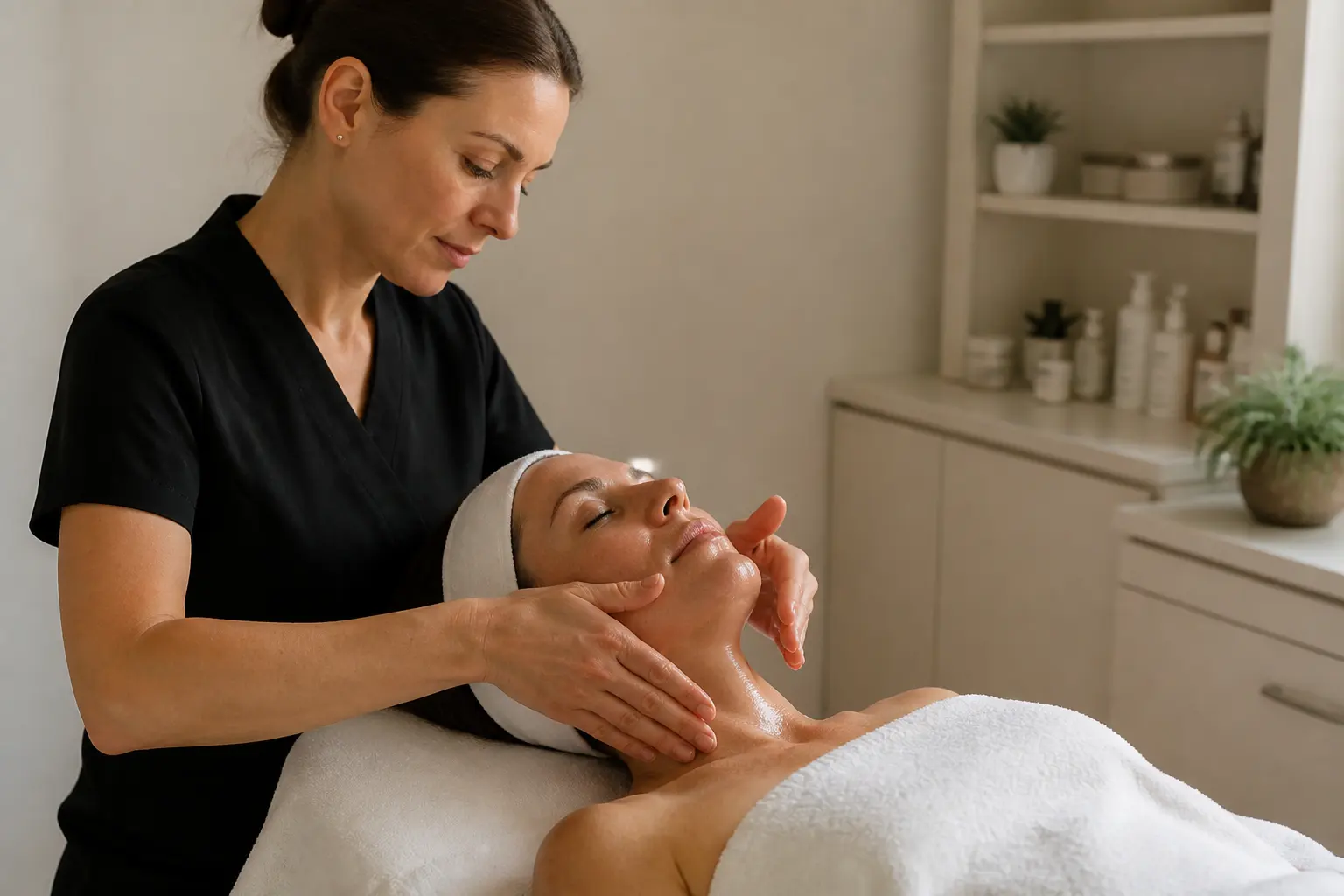
When your face feels tight after cleansing, looks less radiant than usual or seems uncomfortable beneath make-up, it is easy to assume you simply need a richer moisturiser. Home care matters, but a professional facial can also be a useful moment to slow down, assess what your skin is feeling and choose care that suits its current condition.
A facial for dry skin is not about forcing a dramatic change overnight. It is about supporting comfort, helping the skin feel less stressed by everyday factors and creating a routine that is realistic for your lifestyle in Malta. At a professional studio, the appointment should begin with conversation, not assumptions. Your skin can change with the season, sun exposure, travel, air conditioning, active skincare and even changes to your usual cleansing routine.
If dry, tight skin is making your routine feel difficult, this guide explains what may be behind that feeling, what to expect from a professional facial and how to book with clearer expectations.
What dry, tight skin can feel like
Dry skin does not look the same on everyone. For some people, it feels uncomfortable immediately after washing their face. For others, it shows up as make-up that sits unevenly, a dull-looking surface, fine-looking lines that appear more noticeable or areas that seem rougher than the rest of the face.
Tightness is an especially important detail to notice. Skin may feel tight when it has been cleansed too aggressively, exposed to sun and heat, affected by indoor cooling or paired with products that do not match its needs at that time. It can also happen when someone is using active skincare and has not adjusted the rest of their routine to maintain comfort.
Dry skin and dehydrated skin are often discussed together, but they are not always identical. Dryness usually relates to a skin type that produces less natural oil, while dehydration describes a temporary lack of water in the skin. A person can have oily or combination skin and still experience dehydration and tightness. This is one reason a personalised consultation is more useful than choosing a facial solely because a product label says “for dry skin”.
Why a professional facial can be helpful
A professional facial creates space to look at the whole picture rather than adding several new products at random. The goal is to select steps that feel appropriate for the condition of your skin on the day, while keeping your preferences, sensitivities and existing routine in mind.

At Becammo, facials are part of a wider approach to personal care. Before a facial begins, it is helpful to discuss how your skin has been feeling, what you use at home and whether you have recently had strong sun exposure, irritation or another beauty appointment that may affect planning. This makes it easier to choose an appointment with the right focus and to adapt the experience responsibly.
For dry, tight skin, a facial appointment may focus on gentle cleansing, comfort, hydration and a smoother-looking finish. It should not rely on the idea that more intensity is always better. If your skin feels fragile or reactive, it is important to say so before the service starts.
What happens during a facial for dry skin?
Every facial should be guided by an individual conversation, but a professional appointment commonly follows a calm, considered structure. The exact products and techniques depend on the service selected and what is appropriate for your skin.
1. A conversation before the treatment
Start by sharing what you have noticed. Is the tightness new, or has it been part of your skin for years? Does it happen after cleansing, after time outdoors or when you wear make-up? Have you recently introduced retinol, acids, exfoliants or another active product?
It is also useful to mention recent sun exposure, any areas that feel more sensitive and whether you have an event coming up. This does not mean every appointment needs to be complicated. It simply gives the professional clearer information to plan the facial thoughtfully.
2. Cleansing with your skin’s comfort in mind
Cleansing is an essential part of a facial, yet it should not leave dry skin feeling stripped. A professional approach considers the balance between removing daily build-up and maintaining a comfortable skin feel. If you regularly experience tightness after cleansing at home, mention that during the consultation. It may be a useful clue when discussing your everyday routine.
3. Choosing exfoliation carefully
Exfoliation can help improve the look of dullness and uneven texture, but it is not a universal answer for every dry skin concern. Skin that already feels uncomfortable may not benefit from an overly aggressive approach. The timing, method and intensity should be decided according to your skin’s current condition and the products you use at home.
This is also why it is sensible not to add a strong exfoliating product just before a facial without mentioning it. Bring your usual routine into the conversation so the appointment can be planned around it.
4. Comfort-focused hydration
For many clients, the most welcome part of a facial is the moment when the skin begins to feel calmer and more comfortable. Hydration-focused care can support a fresher-looking surface and help the face feel more supple after a period of tightness. Results vary from person to person, and the best approach depends on your skin, but comfort is a valuable goal in its own right.
5. Practical aftercare guidance
A good facial does not end when you leave the treatment room. You should leave with a clearer sense of what to do next, whether that means keeping your routine simple for a short period, being more mindful of sun exposure or reviewing how often you exfoliate at home. Ask questions if any advice is unclear. A routine only works when it fits into real life.
Which facial should you consider when skin feels dry?
The right choice depends on your priority. If your main concern is that your skin feels congested as well as dry, a deep-cleansing appointment may be discussed in the context of your overall skin condition. Congestion and dryness can exist together, but the facial should still be planned with care so that comfort is not ignored.
If your goal is a more refreshed-looking complexion and smoother make-up application, dermaplaning may be a topic to discuss. It is not automatically suitable just because skin looks dull. Your current skincare, skin sensitivity and recent sun exposure all matter when deciding whether it fits your appointment.
If you are interested in a PDRN Facial, be clear about what you hope to achieve and ask whether it is a sensible option for your current skin needs. It is better to choose based on an individual assessment than on a trend or a single promise seen online.
At Becammo, the most useful starting point is to explain that your skin feels dry and tight, then ask which facial service best matches that concern. This keeps the decision focused on your skin rather than on a one-size-fits-all label.
How to prepare for your facial appointment
You do not need an elaborate preparation routine. In fact, dry or tight skin often benefits from keeping things straightforward before an appointment.
- Avoid trying several new skincare products in the days immediately before your facial.
- Tell the studio about active products you use regularly, including retinol, exfoliating acids or prescription skincare.
- Mention recent sun exposure, especially if your skin feels warm, uncomfortable or more sensitive than usual.
- Arrive without feeling pressure to cover every concern with make-up. Clear information matters more than a perfect bare face.
- Let the team know if you are booking before a holiday, a professional photo session or another important occasion, so timing can be considered.
If your skin has become suddenly painful, severely irritated or unusually inflamed, a beauty appointment may not be the right first step. Seek appropriate medical advice for symptoms that need medical assessment.
Everyday habits that can support a comfortable skin feel
A facial can be a valuable part of your routine, but it works best alongside consistent, gentle habits at home. The aim is not to own dozens of products. It is to understand what your skin responds to and avoid repeatedly disrupting its comfort.
Keep cleansing measured
If your skin feels tight after washing, consider whether you are cleansing too often, using very hot water or relying on a product that leaves your face feeling squeaky-clean. That sensation can sound satisfying, but it is not necessarily a sign that your skin is comfortable. A gentler approach may be worth discussing with a skincare professional.
Apply hydration while skin still feels comfortable
After cleansing, avoid leaving your face bare for a long time if this is when tightness tends to appear. A simple routine that supports hydration and seals in comfort can be easier to maintain than constantly switching products.
Be mindful of sun and heat in Malta
Life in Malta often includes bright days, time outdoors and changing conditions between heat outside and air conditioning indoors. If you notice your skin feels drier after being in the sun, plan ahead with suitable sun protection and talk about your exposure before your facial. This helps the studio guide your booking more appropriately.
Do not chase glow through over-exfoliation
When skin looks dull, it is tempting to scrub, peel or use multiple active products at once. For dry, tight skin, that can make the routine feel more difficult rather than more effective. If you want a smoother-looking glow, choose a measured plan and give your skin time to respond.
When should you book a facial?
Book when your skin is feeling persistently uncomfortable, when your usual routine no longer seems to support the look you want or when you would like professional input before an event. You do not need to wait until your skin feels extremely dry to arrange an appointment.
Regular facials can suit some people, while others prefer to book around seasonal changes, travel, special occasions or periods when their skin feels different. There is no universal schedule. Your ideal timing depends on your goals, your home routine and how your skin behaves across the year.
If you are unsure, ask the team which facial is most appropriate for dry, tight skin and describe your current routine when you book. A clear conversation is the best place to start.
A facial should leave room for personal comfort
Healthy-looking glow is not one fixed look. For one person, it may mean make-up sits more smoothly. For another, it may mean their skin feels more comfortable after cleansing or looks less dull after a busy period. The right facial respects those individual goals instead of trying to create the same result for everyone.
At Becammo’s Sliema and Swieqi locations, a facial appointment can be an opportunity to pause, discuss what your skin needs now and choose care with more confidence. If dry, tight skin has been affecting your comfort, use the final booking option to explore a facial that fits your current needs and ask any questions before your appointment.
Frequently asked questions
Can I book a facial if my skin feels dry but also oily in places?
Yes. Combination skin can still feel dehydrated or tight. Explain where you experience dryness, oiliness or discomfort so the facial can be considered around your full skin picture.
Will a facial fix dry skin permanently?
No facial can promise a permanent result. A professional appointment can support comfort and a fresher-looking complexion, while your home routine, environment and skin changes also play a part.
Should I stop using active skincare before a facial?
Do not make changes without guidance, especially if you use prescription products. Instead, tell the studio exactly what you use so they can advise on suitable planning for your appointment.
Is dermaplaning suitable for dry, tight skin?
It can be worth discussing, but suitability is individual. Your current sensitivity, sun exposure and skincare routine should be considered before deciding whether it is the right choice.
How often should I have a facial for dry skin?
There is no single answer. Some clients choose regular appointments, while others book when seasons, travel, stress or changes in routine affect how their skin feels. A professional can help you choose a realistic schedule.