Nail Health Basics: Cuticles, Hydration and Gentle Habits
Brenda Cammo Team
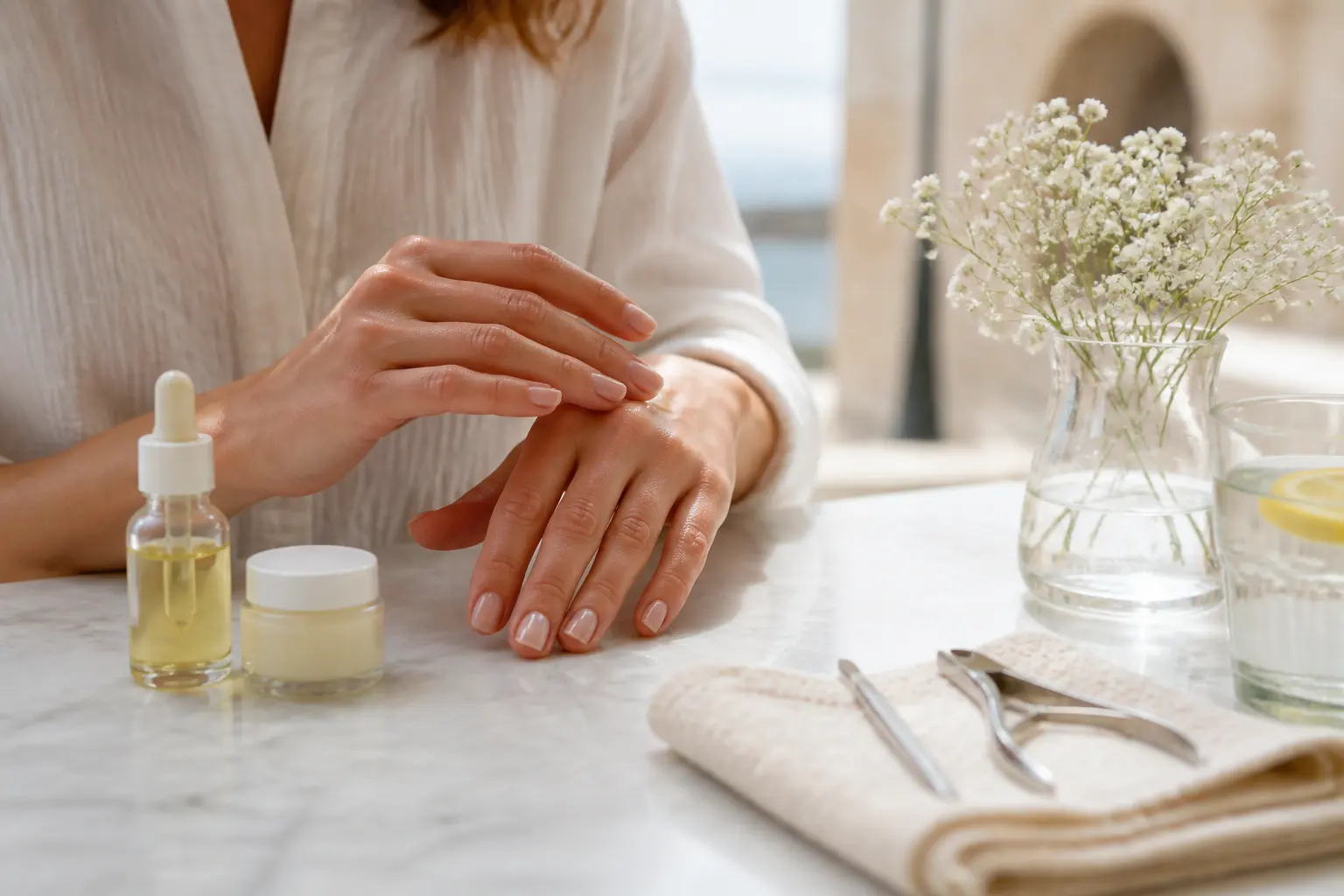
Healthy-looking nails are rarely the result of one product or one occasional appointment. They are usually supported by small, consistent habits: treating the cuticle area gently, adding moisture after washing your hands and choosing a manicure routine that suits your natural nails and everyday life.
If your nails feel dry, look dull, peel at the tips or seem difficult to keep neat, it can be tempting to scrub, buff or trim more aggressively. In many cases, a gentler approach is more helpful. Nail health basics are about protecting what is already there, rather than trying to force a quick change.
This guide explains the role of cuticles, why hydration matters and which everyday habits can make your hands and nails easier to maintain between professional manicure appointments. At Becammo, nail services are available at the Sliema studio, where the appointment can be planned around your preferred nail length, finish and maintenance routine.
Start with the right idea of nail health
Nails are part of your everyday routine. They meet water, soap, cleaning products, bags, keyboards, keys and changes in weather. A practical nail-care routine recognises this reality. The aim is not to make every nail look identical at every moment. It is to keep the nail plate, surrounding skin and cuticle area comfortable, tidy and protected as far as possible.
Natural nails can vary in thickness, flexibility, shape and rate of growth. One person may prefer a short, rounded shape for work and sport, while another may enjoy a longer almond shape with gel polish. Both can make thoughtful choices about care. The most useful routine is one you can follow consistently without adding unnecessary stress to your nails.
It also helps to separate appearance from force. A glossy polish or a fresh manicure can make nails look more polished, but daily care still matters. Hydration, gentle filing and avoiding picking support the overall condition of your nails between appointments.
What cuticles do and why they deserve gentle care
The word “cuticle” is often used to describe the skin at the base of the nail. In everyday nail care, it usually refers to the fine layer around the nail plate that helps create a protective seal where the nail grows out. This area can become dry, ragged or more noticeable after frequent handwashing, exposure to cleaning products or a habit of picking at the skin.
A neat cuticle area does not need harsh treatment. Cutting too much skin, pulling at loose edges or using sharp tools at home can leave the area sore and uneven. Instead, focus on softening, moisturising and tidying only what is genuinely loose.
A simple approach to cuticle care
- Apply cuticle oil or hand cream regularly, especially after handwashing and before bed.
- After a shower or hand soak, gently use a soft towel to dry the area rather than rubbing it roughly.
- If there is a small loose edge of skin, avoid pulling it. A clean nail tool or professional manicure can help keep the area tidy.
- Do not use your nails or cuticles as tools for opening packaging, scratching labels or lifting objects.
- Choose gloves for washing up, cleaning or tasks that involve repeated contact with water and detergents.
It is normal for the cuticle area to need more attention at certain times of year. Air conditioning, sun exposure, sea water and frequent travel can all leave hands feeling drier. Keeping a small hand cream in your bag can be a realistic way to make hydration part of the day rather than an occasional task.
Why hydration matters for nails and hands
When people talk about dry nails, they may be noticing rough skin around the fingers, a lack of shine, peeling at the free edge or nails that feel less flexible than usual. While many factors can affect the way nails look, regular hydration is a sensible foundation for everyday care.
Hand cream supports the skin on and around the hands, while cuticle oil can be applied more precisely around each nail. You do not need an elaborate routine. A small amount used consistently is often more practical than applying a large amount once in a while.
When to use hand cream and cuticle oil
| Moment | Simple habit | Why it can help |
|---|---|---|
| After handwashing | Apply hand cream while hands are dry. | Helps replace some comfort after soap and water exposure. |
| Before bed | Massage a little cuticle oil around each nail. | Creates a calm moment for regular, focused care. |
| After cleaning | Wash hands gently and use cream afterwards. | Supports the skin after contact with household products. |
| Before an appointment | Continue normal moisturising, unless your nail technician asks otherwise. | Lets you arrive with hands that feel comfortable and cared for. |
If you regularly use hand sanitiser, work in a role that involves frequent handwashing or spend a lot of time outdoors in Malta, your hands may benefit from more frequent moisturising. Think of it as a top-up rather than a complicated beauty step.
Gentle habits that protect natural nails
The condition of your nails is often shaped by the small things you do repeatedly. A few protective habits can make a meaningful difference to how neat your nails look between manicure appointments.
File rather than tear
When a corner catches, it is easy to tear it off quickly. Unfortunately, this can create a rougher edge and sometimes take more of the nail with it than intended. Keep a nail file at home or in your handbag and smooth the edge in a controlled way instead.
Choose a shape that works with your natural nail length and lifestyle. Shorter nails can still look refined, and they may be easier to manage if you type frequently, exercise, care for children or work with your hands. A professional manicure can help you choose a shape that feels practical without losing the finish you enjoy.
Be careful with water and cleaning products
Water is unavoidable, but prolonged exposure can make hands feel dry. Washing up without gloves, cleaning bathrooms or repeatedly soaking nails can be particularly demanding on the skin and nail area. Gloves are a simple, useful barrier for household jobs.
After removing gloves, wash and dry your hands as usual, then use hand cream. This small habit brings the focus back to comfort, not just appearance.
Stop using nails as tools
Nails are not designed to replace a screwdriver, scraper or parcel opener. Using them to pry open cans, remove stickers or scratch at hard surfaces increases the chance of chipping, splitting or lifting at the edge. Reaching for a proper tool protects both your manicure and your natural nail.
Avoid picking polish or product
When polish begins to wear at the edge, picking can be very tempting. However, peeling or scraping product away can make the surface look uneven and leave the nails feeling rough. If your manicure is ready to be changed, a professional removal or an appropriate at-home method is the more careful choice.
This matters whether you wear regular polish, gel polish or a strengthening base product. The goal is to remove what is on the nail without turning the process into a tug-of-war with the nail plate underneath.
How to keep nails neat without overdoing it
Looking after your nails does not mean constantly adjusting them. Over-buffing, filing too often or cutting cuticles in pursuit of a perfectly uniform look can be counterproductive. A calm maintenance routine is usually enough.
A realistic weekly check-in
- Look for rough edges and lightly file only where needed.
- Check whether your preferred length is still comfortable for daily tasks.
- Use hand cream and cuticle oil, paying attention to dry areas.
- Notice whether you are picking, biting or using your nails as tools.
- Plan your next manicure before the finish has become difficult to manage.
For many people, this takes only a few minutes. It can also make professional appointments more enjoyable because you are arriving with a clear sense of what you would like to refresh, whether that is your shape, colour, shine or cuticle care.
Choosing a professional manicure that suits your routine
A manicure appointment is not only about colour. It is an opportunity to have your nails shaped, the cuticle area tidied with care and the finish chosen around your routine. At Becammo in Sliema, you can discuss whether a classic polish, gel polish, rubber base or another available manicure option best matches your preferred look and upkeep.
Be open about how you use your hands. If you are travelling, swimming often, preparing for an event, typing all day or simply trying to keep short natural nails tidy, these details help guide the conversation. A good plan is personal. The most suitable finish for someone who wants a low-maintenance neutral look may not be the same as the best option for someone who wants extra shine for a holiday or celebration.
It is also worth mentioning if your nails have recently felt unusually sensitive, if the surrounding skin is irritated or if you have been removing product at home. This is not about judgement. It gives the nail professional useful context for recommending a careful approach to the appointment.
When to pause and seek appropriate advice
Routine dryness and an occasional chipped edge are common concerns in nail care. However, if you notice ongoing discomfort, marked changes in nail colour or shape, swelling around the nail, or a concern that does not settle, it is sensible to seek advice from a qualified healthcare professional. A beauty appointment is not a substitute for medical assessment.
For everyday cosmetic care, avoid applying products over skin that feels broken or very irritated. Let the studio know about any relevant sensitivity before your appointment so the service can be discussed appropriately.
Building a nail routine that lasts
The strongest nail routine is usually the simplest one: moisturise regularly, file gently, wear gloves for wet work, avoid picking and book maintenance that fits your real schedule. These habits do not demand perfection. They simply make it easier to keep natural nails looking neat and hands feeling cared for.
If you would like a more polished finish or help choosing a manicure option for your lifestyle, book a nail appointment at Becammo Sliema. Bring any questions about length, shape, colour or upkeep, and the service can be planned around what feels practical for you.
Frequently asked questions
Should I cut my cuticles at home?
It is generally better to avoid cutting the cuticle area aggressively at home. Regular moisturising and gentle care are a safer everyday starting point. If you would like the area tidied, discuss it during a professional manicure appointment.
How often should I use cuticle oil?
Daily use is an easy routine for many people, particularly before bed. If your hands are exposed to frequent washing, cleaning products or dry conditions, you may choose to apply it more often.
Can hand cream improve the look of dry nails?
Hand cream supports the skin around the nails and can make hands look and feel more comfortable. For targeted care around each nail, you can pair it with cuticle oil.
Why do my nails keep catching at the edges?
A small rough edge can catch on fabric or hair. Instead of tearing it, gently smooth it with a nail file. Keeping a consistent shape and length can also make nails easier to manage.
Can I have a manicure if my nails are short?
Yes. Short natural nails can be shaped neatly and finished with a look that suits your preferences. A professional manicure can be tailored to a practical length, whether you prefer a subtle finish or more visible colour and shine.
Where can I book nail care in Malta?
Becammo offers nail appointments exclusively at the Sliema studio. You can choose the service that best suits your needs through the online booking system and ask questions before your visit if you are unsure which option to select.