How to Choose a Brow Tint Tone for Your Natural Hair Colour
Brenda Cammo Team
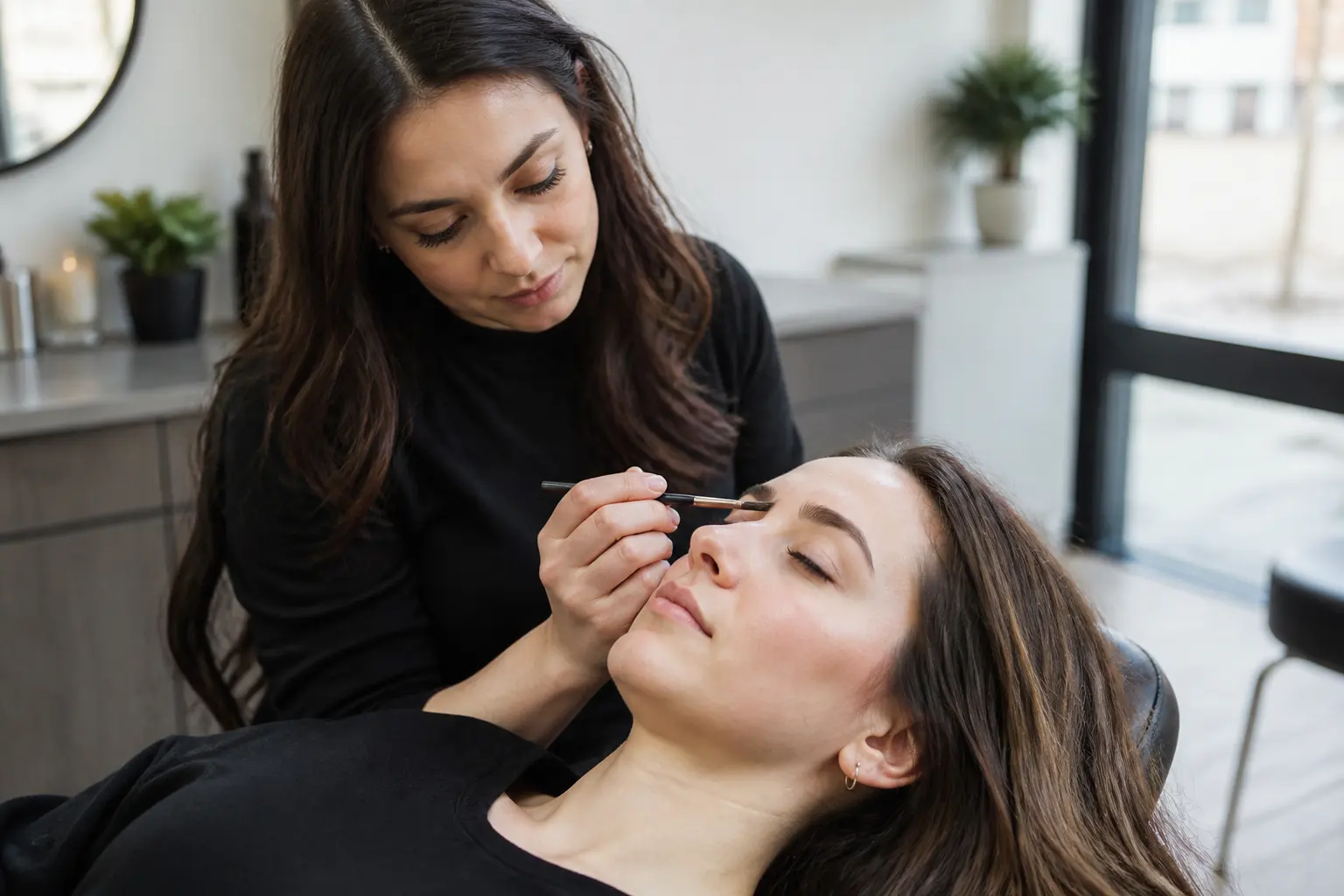
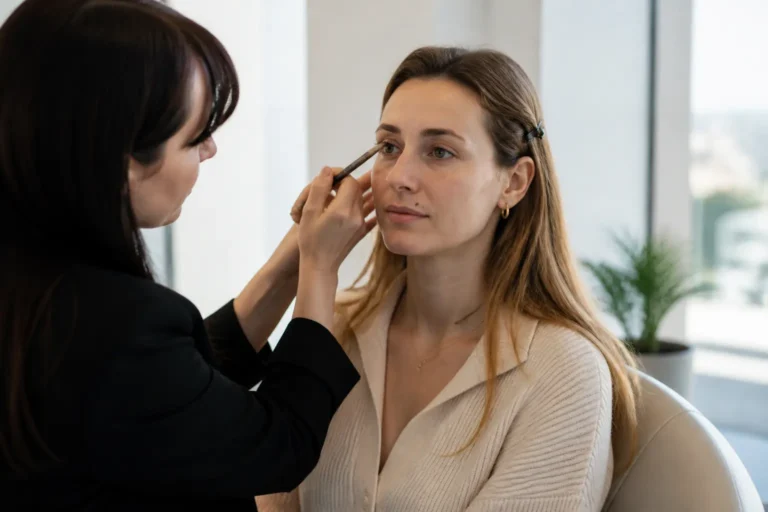
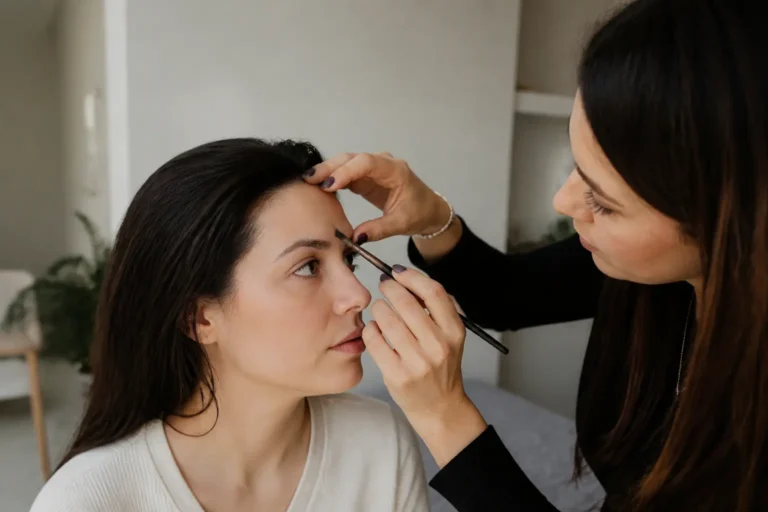
Choosing a brow tint tone is not simply a case of matching the colour of the hair on your head. Your natural brow hairs, root colour, skin tone, makeup routine and preferred level of definition can all influence what looks balanced. The aim is usually to give the brows more presence while still allowing them to look like they belong naturally to your face.
A well-chosen brow tint can make fair, faded or uneven brow hairs easier to see and can support the shape created through threading. But a shade that is too dark, too warm or too cool for your features may feel more noticeable than you intended. This guide explains what to consider before your appointment and how to communicate the finish you would like.
Start with your natural brows, not only your hair colour
Hair colour is a useful reference point, but it should not be the only one. Brow hairs often have a different undertone and depth from the hair on your scalp. For example, someone with dark brown hair may naturally have brows that are lighter, ashier or more scattered. Someone with blonde hair may have brows that are deeper than their overall hair colour but still need a soft tint.
Before choosing a tone, a brow professional can look at:
- the colour of your visible brow hairs;
- areas where hairs are lighter, grey, sparse or less even;
- your root colour, particularly if your hair is coloured;
- the contrast between your brows, skin and hair;
- whether you prefer a natural everyday look or more defined brows;
- how much brow makeup you normally wear.
This is why two people with similar hair colours may suit different tint choices. A personalised approach is more useful than following a fixed rule such as always going darker or always matching your hair exactly.
Why an exact colour match is not always the goal
Brows frame the eyes rather than copy the hair colour. An exact match can occasionally work, but it can also make the brows look flat or overly uniform, especially when the hair colour is very dark, very light or recently coloured.
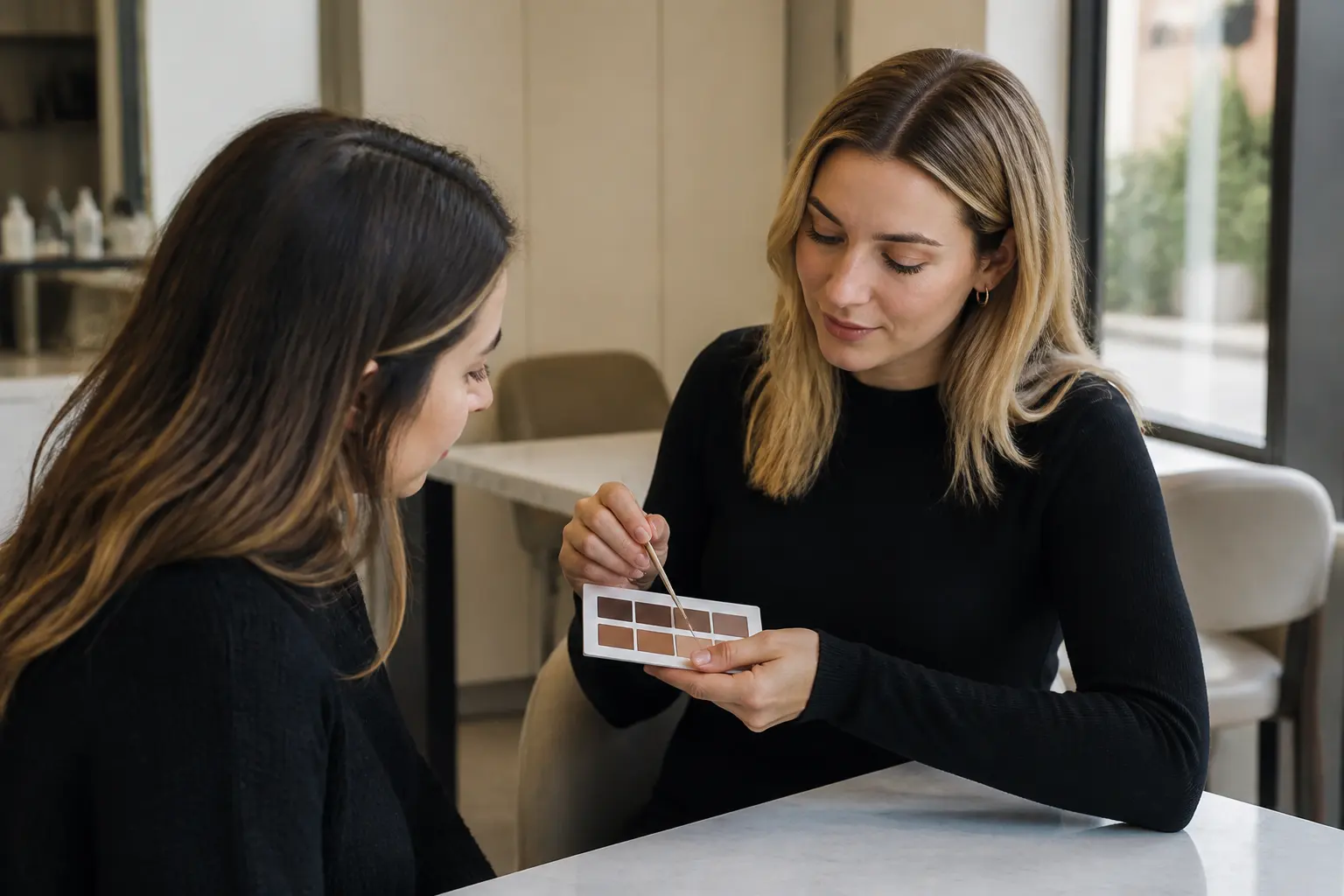
Instead, the most natural-looking result often comes from choosing a tone that sits comfortably within your overall colouring. This may mean using a slightly softer shade than the hair on your head, or selecting an undertone that makes the existing brow hairs look more even without changing their character.
For instance, a deep black tint may be too strong for many people with dark brown hair, while a very warm brown may stand out against naturally ash-brown roots. The right direction depends on the starting point of the brows and the level of definition you want after the tint has settled.
How natural hair colour can guide your brow tint choice
Blonde and very light hair
Very light hair can range from warm golden blonde to cool ash blonde, so one generic “blonde brow” approach does not suit everyone. If your natural brow hairs are almost invisible, the goal may be to add gentle definition rather than create a strong block of colour.
Soft light brown, taupe or neutral-toned options can often provide a more harmonious finish than a very dark shade. If your hair has warmth, a professional may consider whether a subtle warm note works with your brow hairs. If your hair is ash blonde, cooler or more neutral tones may feel more in keeping with the overall look.
It is also helpful to think about your makeup habits. A person who wears minimal makeup may prefer a quieter result than someone who regularly uses mascara, eyeliner or a defined brow pencil.
Light brown and dark blonde hair
Dark blonde and light brown hair can be especially versatile, but this can make undertones more important. Hair that looks brown in one light may show golden, copper, ash or neutral notes in another. The brows do not need to reproduce every one of these tones. They need to look believable beside them.
A neutral or softly cool brown can be a useful starting direction for many people in this group, particularly when natural brow hairs are ashier than the hair lengths. If your hair has a distinctly warm appearance, a tint with too much grey or coolness may look disconnected. A consultation helps find a middle ground instead of pushing the brows too warm or too dark.
Medium and dark brown hair
With medium or dark brown hair, it can be tempting to choose the deepest available tint. However, depth is only one part of the decision. A very dark tint may make fine brow hairs look heavier than expected, particularly on fair or light-medium skin or when your usual makeup style is understated.
Many people with brown hair prefer a brown tint that gives the brows more consistency while retaining softness at the front of the brow. The professional can consider whether the brows naturally lean warm, neutral or cool, then choose a tone that supports this rather than creating a harsh contrast.
If you colour your hair dark but your roots and natural brows are lighter, mention this at the appointment. Your natural colouring may be more relevant to an everyday brow result than the shade applied through the lengths of your hair.
Black hair
Black hair does not automatically mean black brows are the best choice. Natural brows may be black, very dark brown or a mix of tones, and their density can vary from one area to another. For many clients, a deep brown can define the brows while keeping more dimension than a solid black result.
The key consideration is contrast. If your natural brows are already strong, a lighter touch may be enough. If they are sparse or faded in places, tint can help the existing hairs appear more uniform. Discuss whether you would like a naturally strengthened effect or a noticeably bolder look before the colour is selected.
Red, auburn and copper hair
Red and copper hair colours call for particular care because brows that are too orange can look artificial, while brows that are too cool may clash with the warmth of the hair. The right tone is often more balanced than people expect: not a direct copper match, but a shade that works with the warmth already present in the face and brows.
Natural redheads can have very fair brow hairs, which may make a subtle tint useful for definition. For coloured auburn or copper hair, the natural brow colour, roots and preferred makeup look should all be part of the conversation. Bringing up whether the colour is natural or salon-coloured can help set realistic expectations.
Grey, silver and white hair
When hair turns grey or white, brow hairs may also become lighter, more translucent or less even in appearance. A brow tint can help visible hairs look more consistent without requiring an overly dark result. The most suitable tone depends on the colour remaining in the brows, the depth of the roots and the level of contrast you enjoy.
A softer brown or neutral tone may create definition while still looking refined. If you previously used a dark brow pencil, you may still prefer more depth than someone who has embraced a low-makeup routine. There is no single rule: the most useful choice is one that feels comfortable with your features and daily style.
Consider undertone as well as depth
“Brown” is not one universal colour. Brow tint tones can lean warmer, cooler or more neutral, and this can change how the result appears against the skin and hair.
- Warm-toned brows may contain golden, caramel, chestnut or softly reddish notes.
- Cool-toned brows may appear ashier, smokier or less golden.
- Neutral-toned brows sit between warm and cool and can be a flexible option when the overall colouring is balanced.
Your natural hair colour can offer clues, but lighting, colour-treated hair and faded ends can be misleading. Looking at the root area and the brow hairs themselves is usually more helpful than relying on a photograph of freshly styled hair.
If you are unsure whether your colouring is warm or cool, you do not need to diagnose it at home. You can simply describe what you notice: “My hair looks quite golden in sunlight”, “my brows seem grey compared with my hair”, or “I want to avoid a reddish result”. These details are useful starting points for a professional colour conversation.
Think about your desired level of definition
The same tint tone can look different depending on how long it is left to develop, the texture and porosity of the brow hairs, and the natural density of the brows. This is why a shade name alone cannot fully predict the finished look.
Before your appointment, decide which of these outcomes feels closest to your preference:
- Soft enhancement: you mainly want fair or faded hairs to be easier to see.
- Everyday definition: you want the brows to look more even and shaped without relying on brow pencil each morning.
- More polished definition: you enjoy a stronger brow presence and usually wear more structured makeup.
Be clear if you are nervous about going too dark. It is easier to have a conversation about keeping the result soft than to assume that a bold finish is wanted. Equally, if you normally fill your brows in noticeably, say so; a very subtle tint may not give you the level of definition you expect.
What to mention when you book or arrive
A good brow tint consultation is not about finding a perfect colour label. It is about understanding the result you want and assessing the starting point. You can make the discussion easier by sharing a few practical details.
- Whether your hair colour is natural, highlighted, bleached or coloured.
- Whether you recently changed your hair colour or plan to do so soon.
- Whether your brows have grey, white or very fair hairs.
- Whether you use brow pencil, powder, pomade or tinted gel most days.
- Whether you want a subtle finish or a more noticeable brow look.
- Whether you have had a tint that felt too dark, too warm or too cool in the past.
If you have a photo of your usual makeup look, it can be helpful to show it as a style reference. It should not be treated as an exact colour formula, because photographs and screen settings change colour, but it can clarify whether you prefer soft, fluffy, cleanly defined or more dramatic brows.
Pairing brow tint with threading
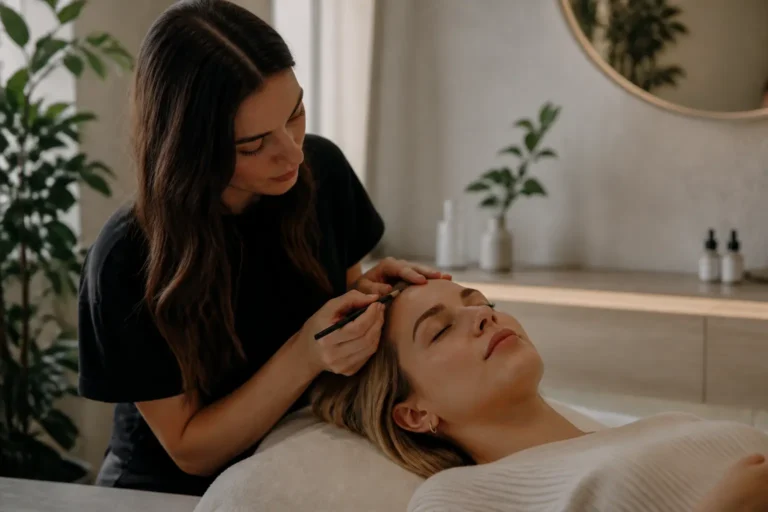
Threading and tinting can work well together because they address different parts of the brow look. Threading focuses on removing unwanted hair and refining the outline, while tinting focuses on the visible colour of the existing brow hairs. Together, they can make the overall shape easier to see.
At Becammo, a brow appointment can be tailored around your natural hair pattern, brow density and preferred style. Threading uses single-use thread, and the design conversation can take account of facial balance rather than forcing every brow into one fixed shape. If tint is included, the colour choice should support that personalised approach.
Remember that brow hairs do not always take colour identically. Areas with more fine or pale hairs may appear different from denser sections. A natural result does not have to mean perfectly uniform colour; it should look considered, wearable and suited to you.
Simple aftercare for a fresh brow tint
Follow the aftercare guidance given at your appointment, as products and routines can affect how the brows look in the first days. Fresh tint may appear more noticeable straight away, especially if you usually see your brows without colour. Avoid judging the result only in the first few minutes.
It is also sensible to keep your brow routine gentle. If you wear makeup daily, ask when to return to brow products and how to cleanse around the area without rubbing the hairs unnecessarily. The result will gradually change as skin naturally sheds and brow hairs move through their own growth cycle, so maintenance timing can vary from person to person.
Conclusion
The best brow tint tone is not necessarily the darkest one, the warmest one or an exact copy of your hair colour. It is the tone that works with your natural brow hairs, your current roots, your facial contrast and the amount of definition you genuinely enjoy wearing.
When you book, bring your preferences to the conversation: explain how you normally wear your brows, what has not worked for you before and whether you would like a soft or more polished finish. A personalised tint and threading appointment can help you build a brow routine that feels considered without looking overdone.
Frequently asked questions
Should brow tint be lighter or darker than my hair?
Neither option is automatically right. Many people prefer brows that are close to their natural brow depth rather than an exact hair-colour match. Your existing brow hairs, skin contrast and desired level of definition matter as much as the colour of your hair.
Can I tint my brows if I dye my hair?
Yes, but mention that your hair is coloured and describe the shade you currently wear. Your roots and natural brow hairs may guide the tint choice more reliably than faded lengths or a recently changed hair colour.
Will a brow tint make my brows look too dark?
A fresh tint can look more defined immediately after the appointment, particularly if your brows are naturally fair. Discuss your preference for a soft result before the service, especially if you rarely wear brow makeup or have had dark-looking tint in the past.
What tint tone may suit ash-blonde hair?
A cooler or neutral direction may be worth discussing if your brows and roots look naturally ashy. However, the right choice still depends on the visible colour of your brow hairs and the level of contrast you prefer.
Can brow tint cover grey or white brow hairs?
Tint may help grey or white brow hairs look more visible and even. How the hairs take colour can vary, so it is best to discuss the finish you want and your maintenance expectations during the appointment.