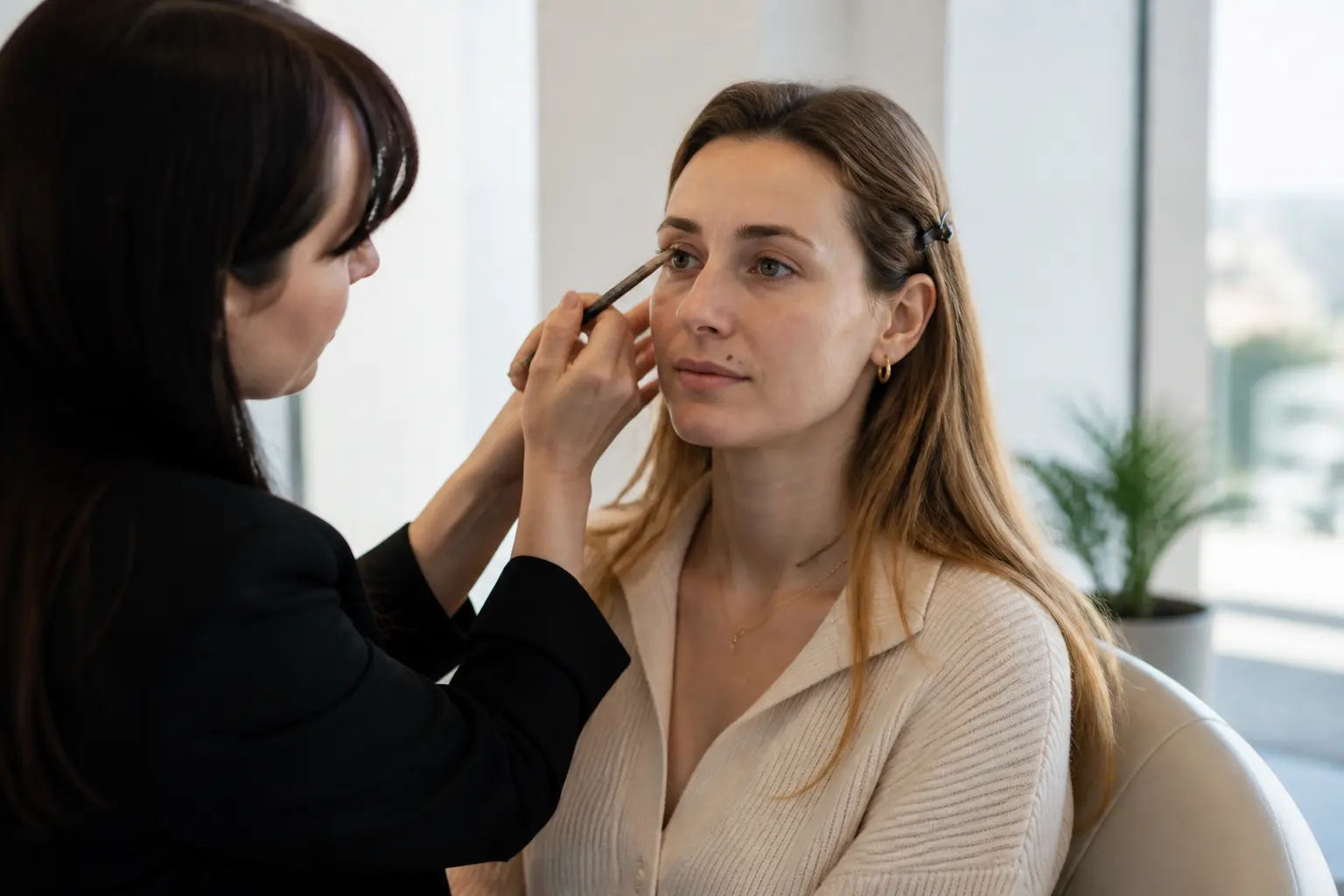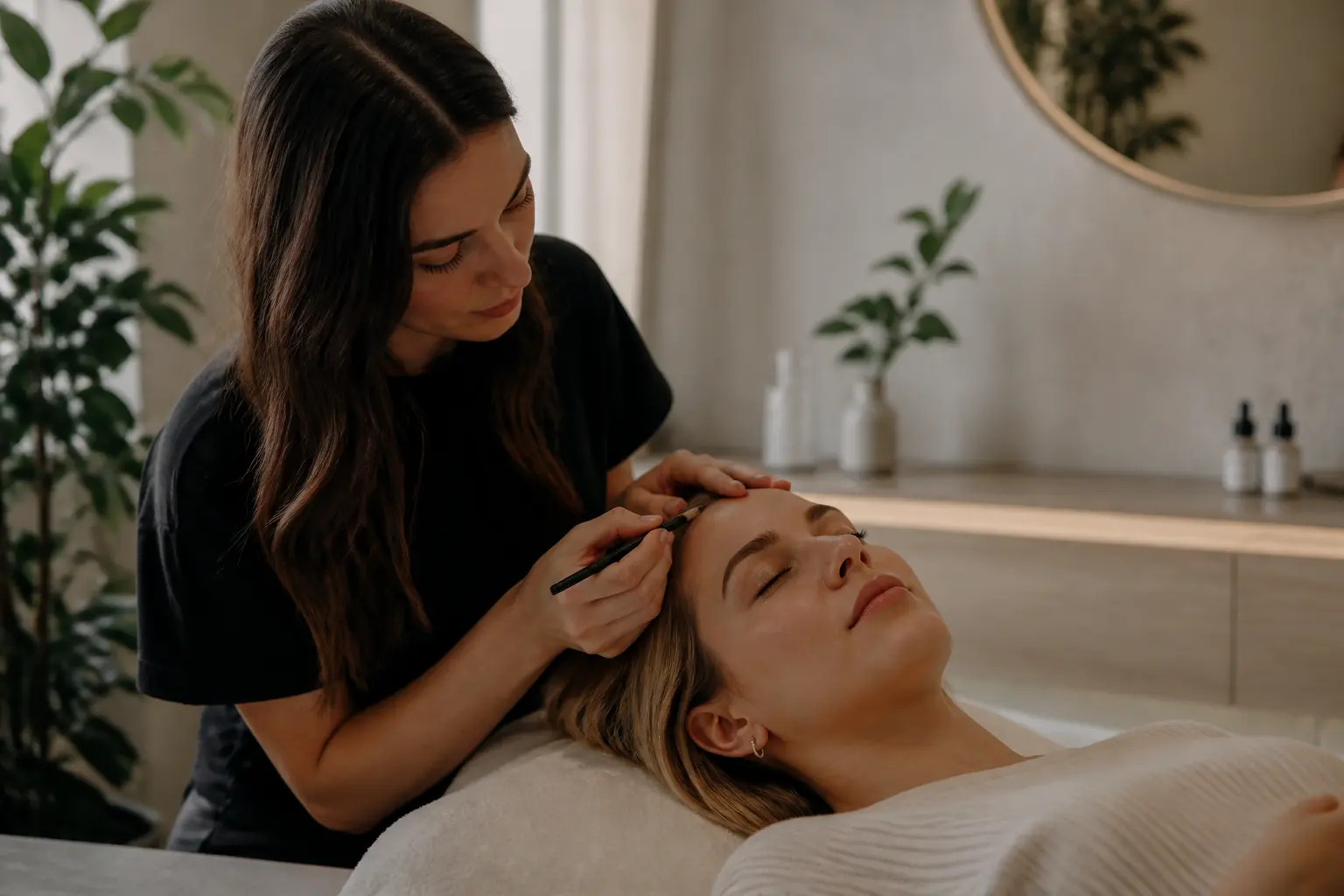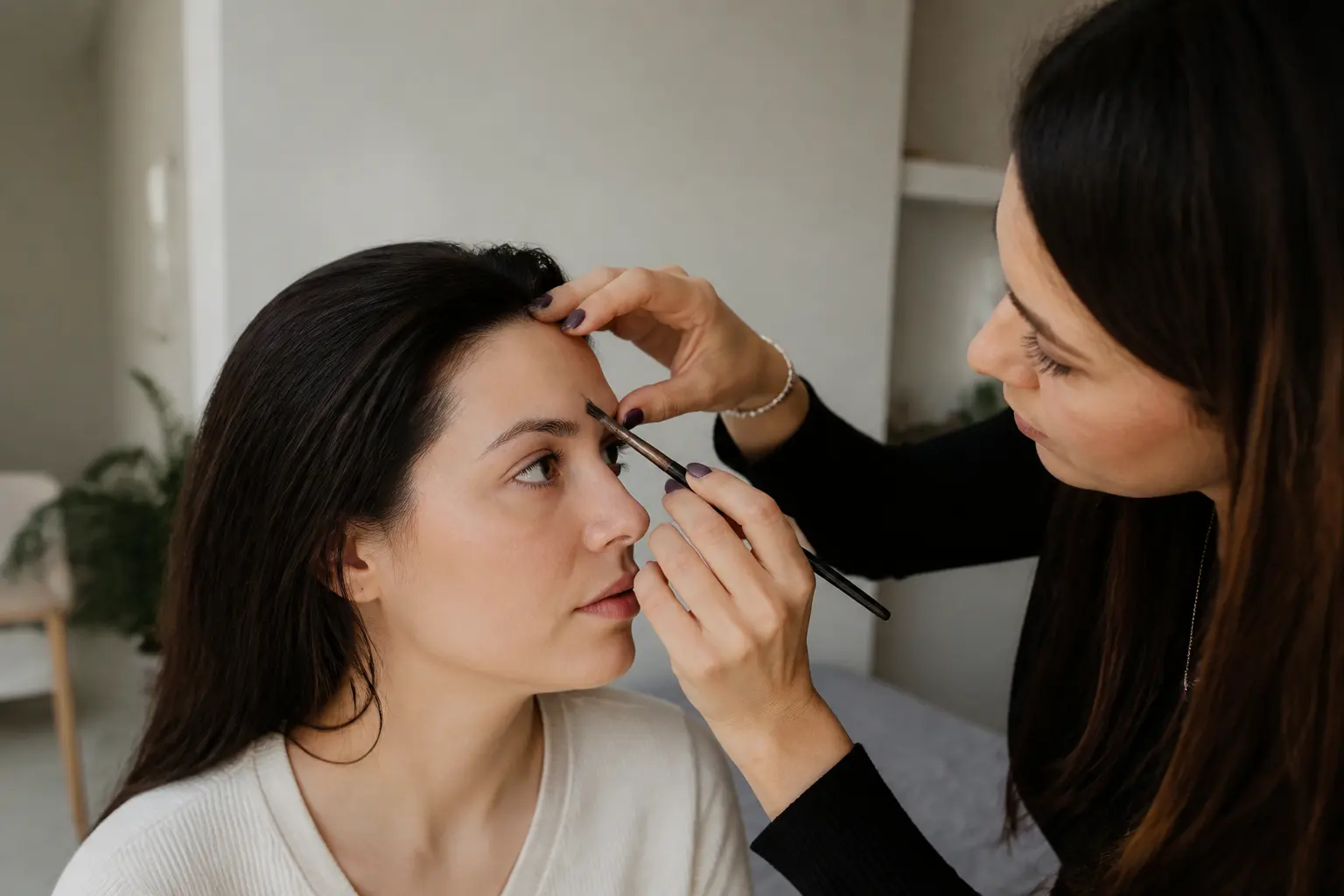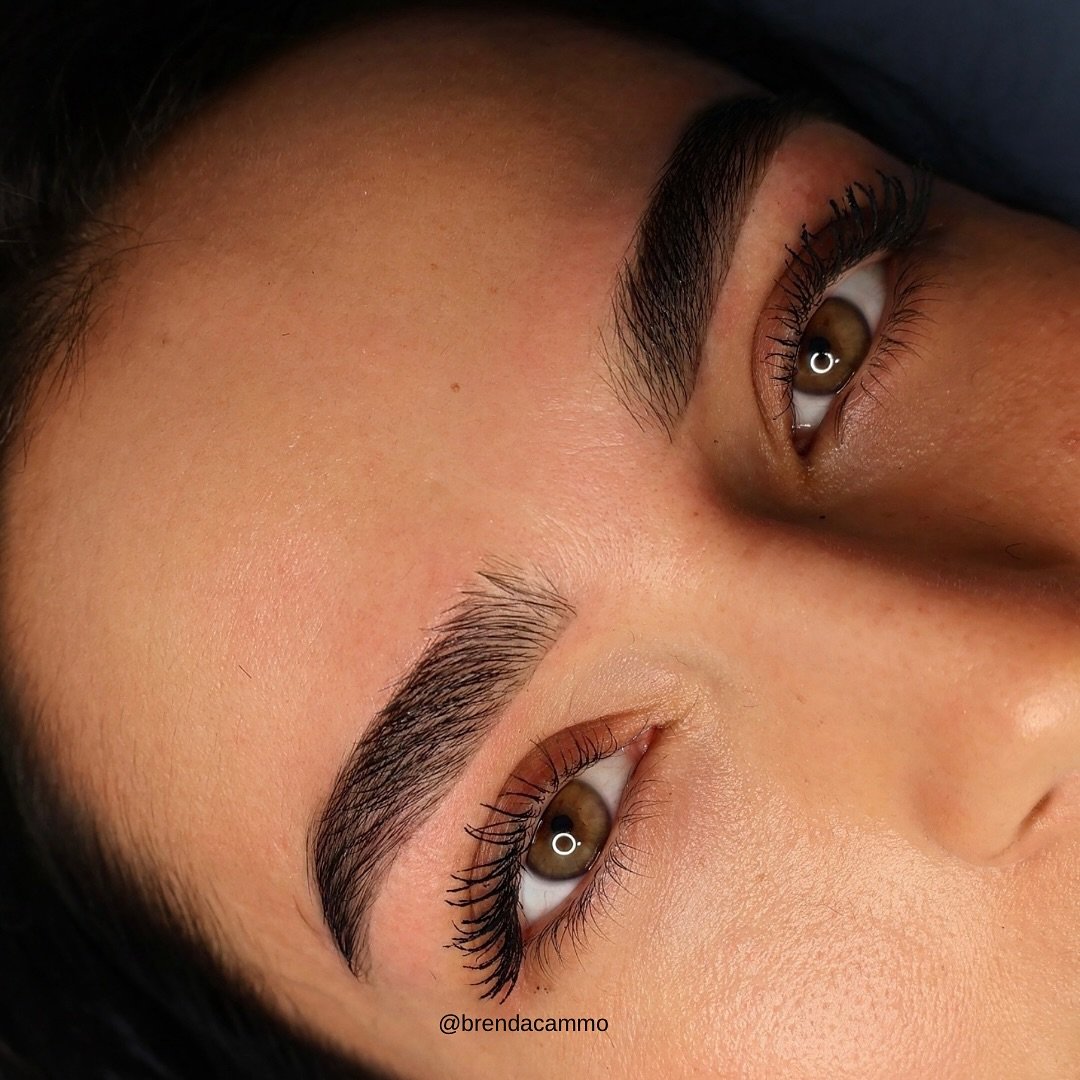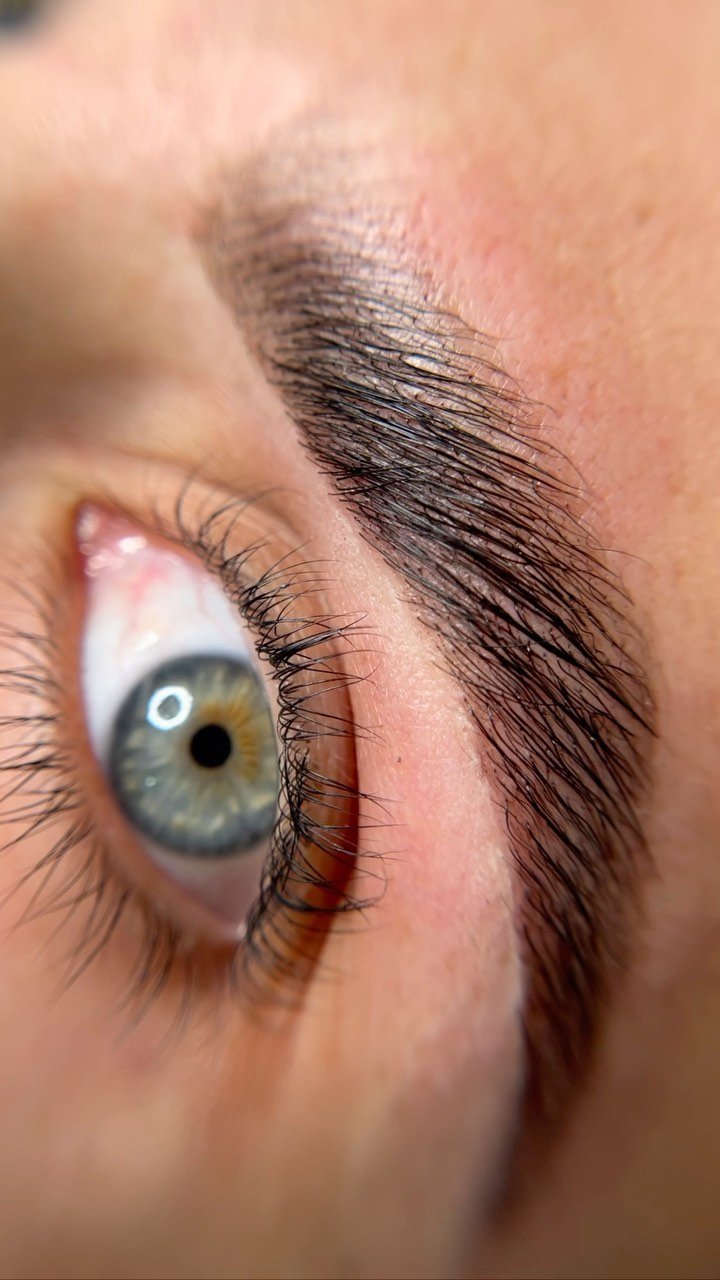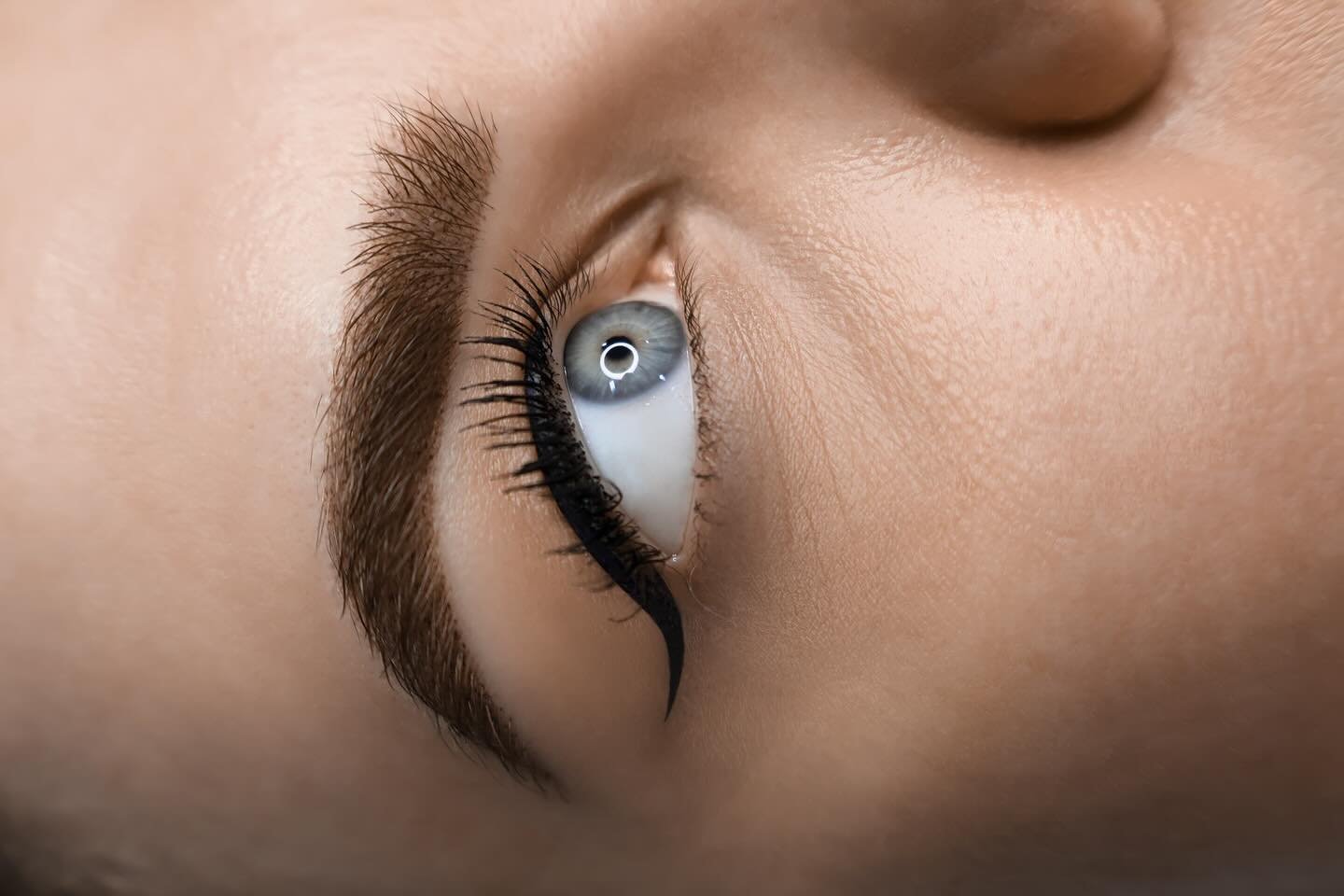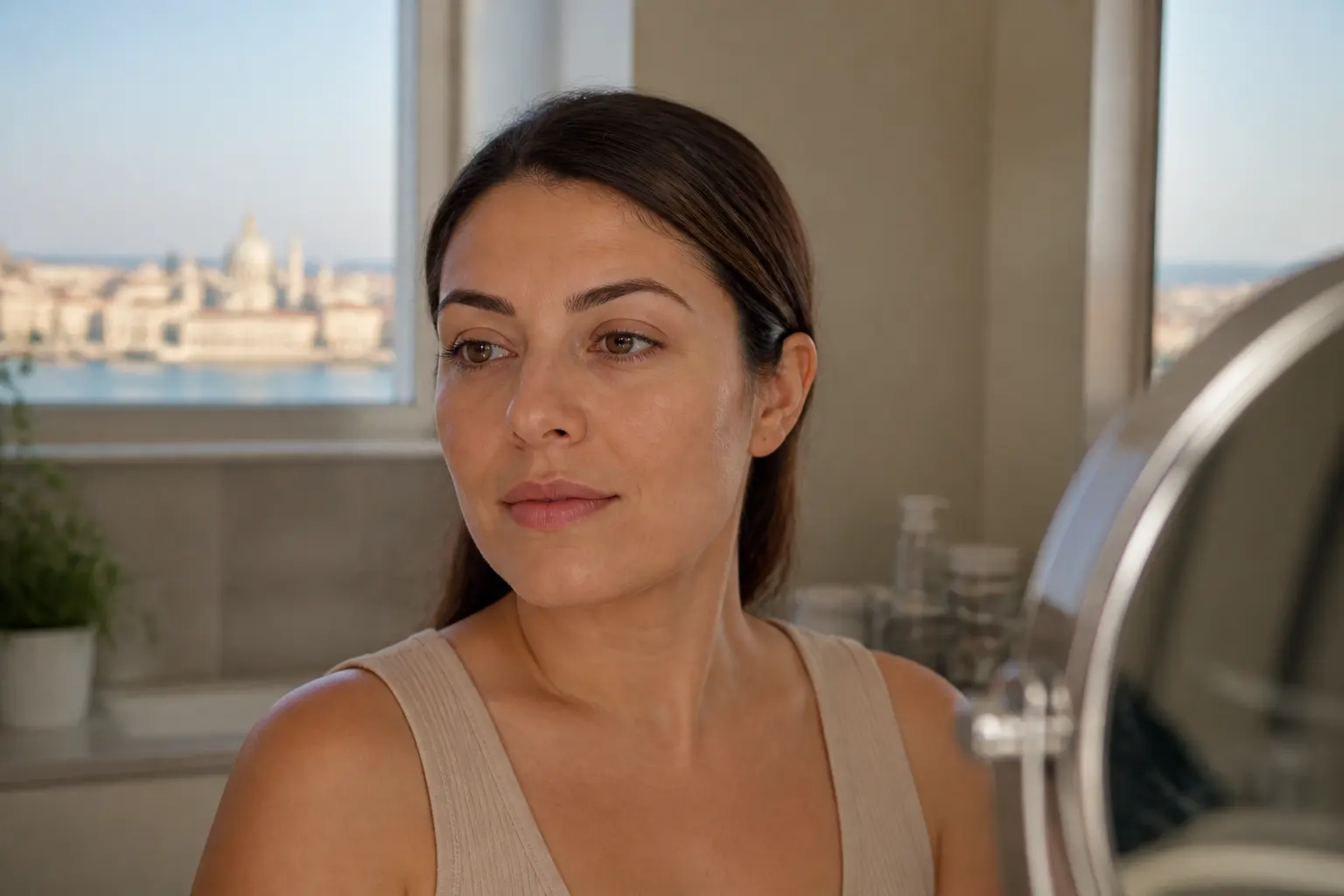
Brow colour looks different in daylight and indoor lighting because light has its own colour, direction and intensity, and the colours around your face change the contrast you perceive. Warm indoor lighting can make brown brows look richer or darker, cool lighting can make them look ashier, and overhead bathroom light adds shadow. Indirect daylight at a normal distance is usually the clearest reference.
A brow colour that looks soft and balanced near a studio window can seem deeper, warmer or cooler when you check it later under indoor lighting. This does not necessarily mean anything has changed in your brows. Often, it is the lighting, the colours around your face and the way individual brow hairs catch the light that have changed.
Understanding why brow colour looks different in different lighting can make a tint or henna appointment feel much easier to judge. Rather than searching for one shade that looks identical everywhere, it helps to aim for a colour that feels harmonious with your features in the situations that matter most to you: your usual daytime routine, work setting, evenings out or photographs.
Why does lighting change the way brow colour appears?
Colour is not something we see in isolation. Our eyes interpret it according to the light falling on it and the colours nearby. Brow hairs are fine, textured and naturally varied, so they can reflect and absorb light in slightly different ways from one part of the brow to another.
For tinted brows, the colour visible on the hairs may also look different from the temporary tone you notice on the skin immediately after an appointment. The depth you perceive can shift as you move between a bright window, a warm bathroom mirror and a cooler office environment.
This is why it is useful to assess brow colour calmly rather than making a quick decision from a single mirror check. Looking closely in one strong light can exaggerate details that are less noticeable in everyday life.
Is daylight the clearest reference point for brow colour?
Natural daylight is usually the most useful setting for seeing the true balance of brow colour, particularly indirect daylight near a window. It tends to reveal individual hairs, natural gaps and the undertone of a tint more clearly than dim or heavily coloured indoor light.
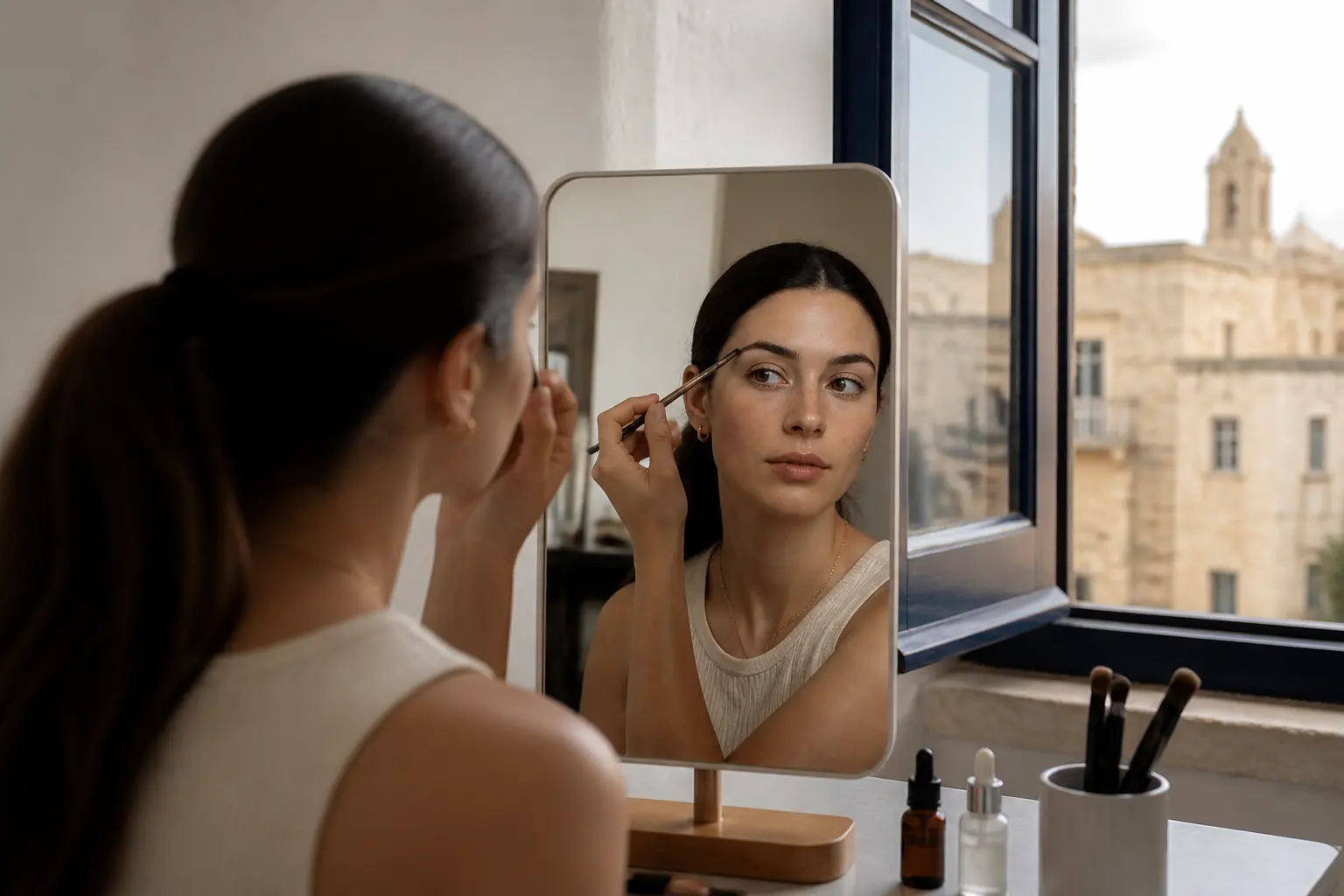
However, daylight is not one fixed type of light. It can vary with the weather, time of day, season and whether you are standing in direct sun or shade. Strong sunshine may create sharp shadows beneath the brow bone and make the brow shape appear more defined. Overcast daylight is often softer and can make the overall result seem more even.
What you may notice in daylight
- Fine, fair or grey hairs may be easier to see.
- Cool, ashy or warm tones may become more apparent.
- Any natural variation in hair density is more visible.
- A very subtle tint can look lighter than it did under a bright salon mirror.
- A deeper tint may look more natural once the rest of your face is seen in full daylight.
When discussing brow colour, it can be helpful to say how you usually wear your brows during the day. For example, someone who spends time outdoors may prefer a softer effect than someone whose daily environment is mainly indoors.
At BeCammo · Sliema · Swieqi
Eyebrow threading in Malta
Same client, before and after threading.
Clean, natural brows shaped to your face, at our salons in Sliema and Swieqi. Threading is what BeCammo was built on.
- from €16price
- Sliema · Swieqiwhere
- ★ 5.0460+ Google reviews
How does warm indoor lighting affect brow colour?
Many homes, restaurants and hotels use warm lighting. This type of light often has a yellow, golden or amber cast. It can make brown brows look warmer, richer and sometimes slightly darker. If your tint has warm tones, these may be more noticeable under this kind of lighting.
Warm lighting can also make the skin appear more golden or peach-toned. Because brow colour is judged next to the skin, a shade that looks neutral in daylight may appear warmer in the evening. This is not automatically a problem; it may simply suit the mood and lighting of the space.
Bathrooms can be especially misleading because overhead lights often create shadows while a close mirror encourages you to inspect the brows at a distance no one else uses. If you are unsure after seeing your brows at home, step back from the mirror and look again in softer light before deciding that the colour is too strong.
How does cool lighting affect brown brow tones?
Cool-white lighting is common in some workplaces, changing rooms and modern bathrooms. It can emphasise blue or grey undertones and may make a neutral brown appear ashier. Against cooler lighting, brows may also look more defined against the skin, especially if your natural brow hairs are fair or low in density.
This effect is worth remembering if you have chosen tint to make sparse areas appear more even. The brow shape may look sharper in a cool-lit mirror than it does outdoors, while the same result can look subtle from normal conversational distance.
Fluorescent-style lighting can be particularly unforgiving because it may flatten the complexion and highlight contrast. Try not to use one quick check in this lighting as the only measure of whether your brow colour suits you.
Does the direction of light change how brows look?
Lighting is not only warm or cool. Its direction affects how dense, full and defined brows appear.
Light from the front
Soft front-facing light, such as daylight from a window in front of you, tends to show brow colour more evenly. It can be helpful for checking the overall balance between your two brows and seeing whether the colour works with your hair and complexion.
Light from above
Overhead lighting can cast shadows under the brow bone. This may make the arch look stronger, make hairs seem darker at the upper edge or make areas with fewer hairs appear more noticeable. It is common in bathrooms and changing rooms.
Light from the side
Side lighting can reveal hair texture. Brushed-up hairs may cast tiny shadows, so laminated brows or naturally fuller brows can appear more sculpted than they do under straight-on light. It may also make the difference between tinted hairs and untinted new growth easier to spot.
Backlighting
When light comes from behind you, your face is more shadowed. Brows can look darker or less detailed because the eye sees more silhouette than individual hair definition. This is one reason brows may look different in a photo taken in front of a bright window.
Can your surroundings alter the brow colour you perceive?
The colours around you influence your perception too. A white shirt, a black top, a colourful scarf, wall paint and even your hair colour can change how prominent your brows look. Dark clothing often increases contrast around the face, making brows feel stronger. Soft neutral clothing may make the same brow colour appear gentler.
Make-up matters in the same way. Foundation can alter the apparent warmth or coolness of the skin. Bronzer may make brows seem lighter by comparison, while a pale base can make them look more defined. If you normally wear brow pencil, powder or pomade, seeing freshly tinted brows without your usual make-up can also feel unfamiliar at first.
A useful comparison is to look at your brows with your regular daytime make-up, if you wear it, and then with a clean face in indirect daylight. Both views are valid; they simply answer different questions about how the colour fits your routine.
Why can freshly tinted brows seem more noticeable?
Immediately after tinting, brows can attract more attention because the colour has added contrast to hairs that were previously less visible. If there is temporary colour on the skin, this may add to the sense of definition too. A close-up mirror check under bright or warm lighting can make this first impression feel more dramatic.
It is important to follow the aftercare guidance given at your appointment and allow the result to settle naturally. Avoid trying to correct the appearance at home by applying several extra brow products or removing hairs impulsively. The way colour looks is only one part of the final effect; shape, hair direction, density and your everyday styling all contribute.
If you have a special occasion or a strong preference for a very soft result, mention it before your appointment. A brow professional can discuss the look you are hoping for, the visibility of your natural hairs and how you normally style your brows. Colour selection should be personalised rather than based on a single trend or a one-size-fits-all shade.
How can you assess your brow colour more confidently?
You do not need to inspect your brows in every possible light. A few sensible checks can give you a more realistic impression.
- Wait until you can see them in indirect daylight. Avoid judging only under an overhead bathroom light or in direct sunshine.
- Step back from the mirror. Look from normal speaking distance, not only a few centimetres away.
- Check both brows together. Natural brows are sisters, not identical copies. Focus on overall harmony rather than searching for perfect matching hairs.
- Look with your usual routine. If you normally wear glasses or light make-up, check how the brow colour sits with them.
- Notice your main environment. Consider whether you spend most days outdoors, in an office, on camera or in evening settings.
- Give clear feedback at your next visit. Saying that a previous colour felt too warm, too cool, too deep or too subtle in your usual lighting is more useful than simply saying it looked ‘wrong’.
Should brow colour match your hair colour exactly?
Many people assume brow tint should match the hair on their head exactly. In practice, brow hairs, skin tone and facial contrast all play a part. Hair colour can also look different at the roots, through the lengths and in changing light, so an exact match is not always the most natural-looking aim.
A personalised brow conversation can consider your existing brow hairs, how visible you want them to be, whether you prefer a defined or understated finish and how often you plan to maintain the result. It can also take account of the fact that brows are seen in real life, in varied lighting, rather than under one studio lamp.
This approach is particularly valuable for very fair brows, brows with grey or white hairs, and brows that have areas of uneven density. In each case, a colour choice may be used to improve the appearance of coherence without trying to create a completely uniform block of colour.
When should you ask for advice before booking?
Consider discussing your preferences before booking or at the start of the appointment if you have recently changed your hair colour, have very fair, grey or white brow hairs, usually wear strong brow make-up, or are uncertain whether henna or tint is more suitable for your desired effect.
It is also worth mentioning if you need your brows to look appropriate for a particular event, professional setting or holiday. This does not mean colour can be predicted identically under every light, but it helps guide a more relevant, personalised conversation.
For brow tint, henna, threading and design in Malta, choose the service and BeCammo location that suit your routine, then explain the finish you want during your appointment. A thoughtful assessment of your natural brow hairs and everyday lighting can help you leave with a look that feels like you.
Conclusion
Brow colour can appear different in daylight and indoor lighting because light has colour, direction and intensity, while your surroundings and make-up affect contrast. A brow tint that seems warm at home may look neutral in daylight; a subtle result outdoors may appear more defined under cool office lights.
The most useful goal is not a brow colour that looks identical in every mirror. It is a balanced result that works with your natural hairs, face and usual routine. If you would like help choosing between tint, henna, threading or a combined brow appointment, book a personalised brow service and share where and how you normally wear your brows.
Frequently asked questions
Why do my brows look darker in my bathroom mirror?
Warm bulbs, overhead lighting and a close mirror can all increase the appearance of depth and contrast. Check again in indirect daylight and from a normal distance for a more rounded view.
Can indoor lighting make brow tint look warmer?
Yes. Warm indoor lighting may emphasise golden, reddish or richer brown tones. Cooler lighting can make the same tint look more neutral or ashier.
Should I judge a new brow tint in direct sunlight?
Direct sun can create strong shadows and high contrast, so it is not always the easiest reference. Indirect daylight near a window is generally more comfortable for assessing the overall colour and shape.
Why do my brows look different in photographs?
Camera settings, flash, backlighting and image processing can all change colour and contrast. A photograph is one interpretation of your brows, rather than a complete measure of how they look in person.
Can I ask for a softer brow colour at my next appointment?
Yes. Explain what you noticed in your normal lighting, such as feeling that the previous result appeared too deep, warm or cool. This gives the brow professional helpful context for a personalised colour discussion.