Can Henna Brows Add Definition to Sparse Eyebrows?
Brenda Cammo Team
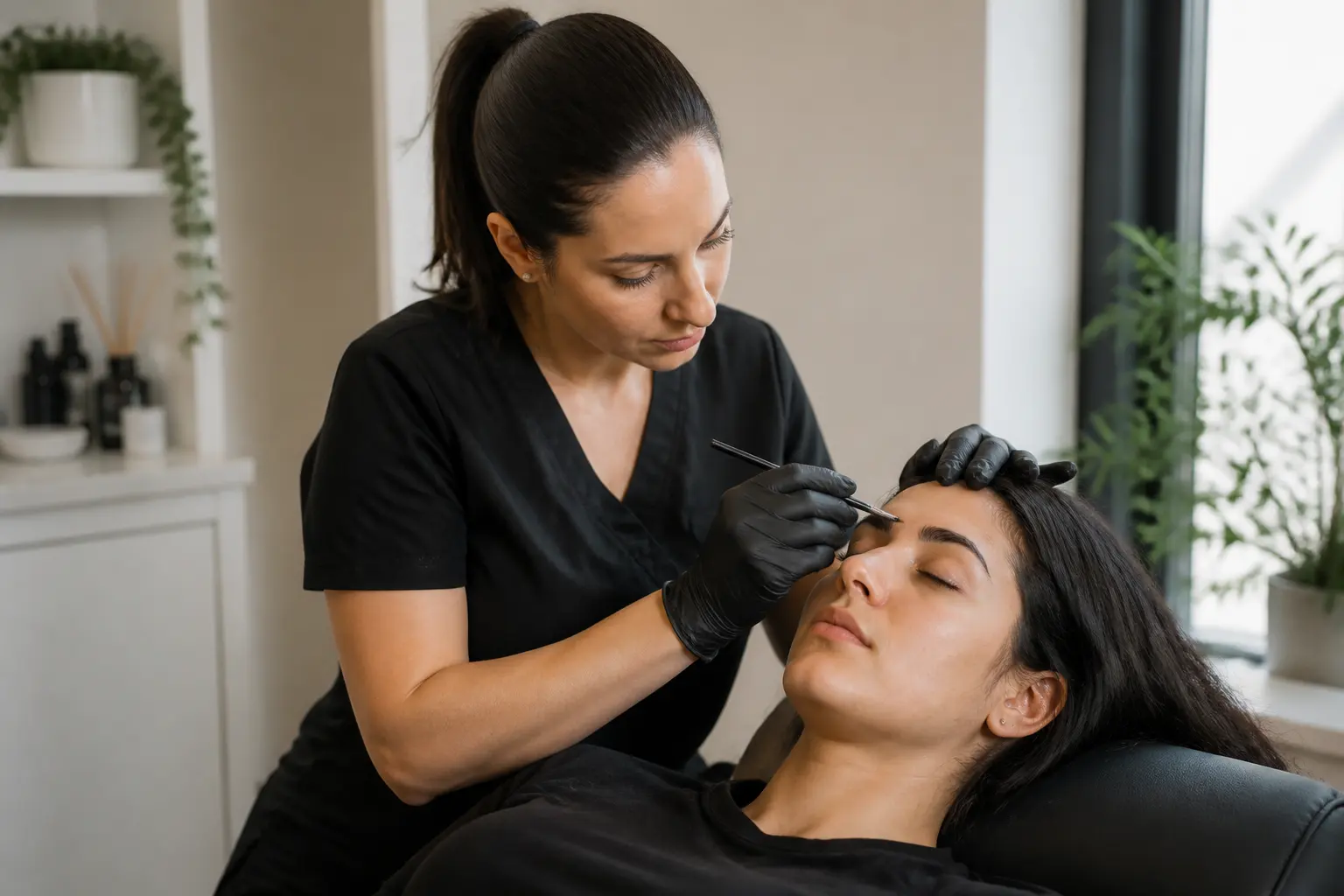
Henna brows can be a helpful option when your brow hairs are sparse and you want more visible definition without drawing them in every morning. The result is not about creating a completely new set of eyebrows. Instead, a carefully chosen shade and shape can make the hairs you do have look more noticeable while adding a soft colour impression to the skin beneath them.
For many people, that combination can make brows appear more balanced, clearer at the edges and easier to style day to day. However, henna is not the same as adding hair strokes, and it will not make missing hairs grow back. The most natural-looking outcome depends on the density and direction of your existing hairs, the condition of your skin, your preferred level of definition and a design that works with your features.
If sparse brows are part of your routine, the most useful question is not simply, “Will henna fill them in?” It is, “What kind of definition can henna realistically add to my brows?”
How henna brows can make sparse eyebrows look more defined
Eyebrow henna is a colouring service used to enhance the look of brow hairs and create a temporary tint effect on the skin. With sparse brows, this can add visual structure in two ways:
- It can make lighter, finer or less visible hairs stand out more clearly.
- It can create a soft shadow of colour in selected areas where the brow looks less dense.
This can be especially useful if your brow hairs are present but unevenly distributed. For example, you may have a fuller front of the brow but a faint tail, or good density on one side with a few less visible areas on the other. Rather than trying to force both brows into an identical shape, a personalised design can use colour to make the overall outline look more cohesive.
The aim should be definition that still looks like your brow. A well-considered henna service does not need to produce a heavy block of colour. It can be adjusted to suit someone who prefers a softly polished look as well as someone who likes a clearer, more makeup-ready finish.
What henna can and cannot do for sparse brows
What it may help with
Henna can be worth considering if your main concern is that your brows look faint, patchy or undefined from a normal conversational distance. It may help you:
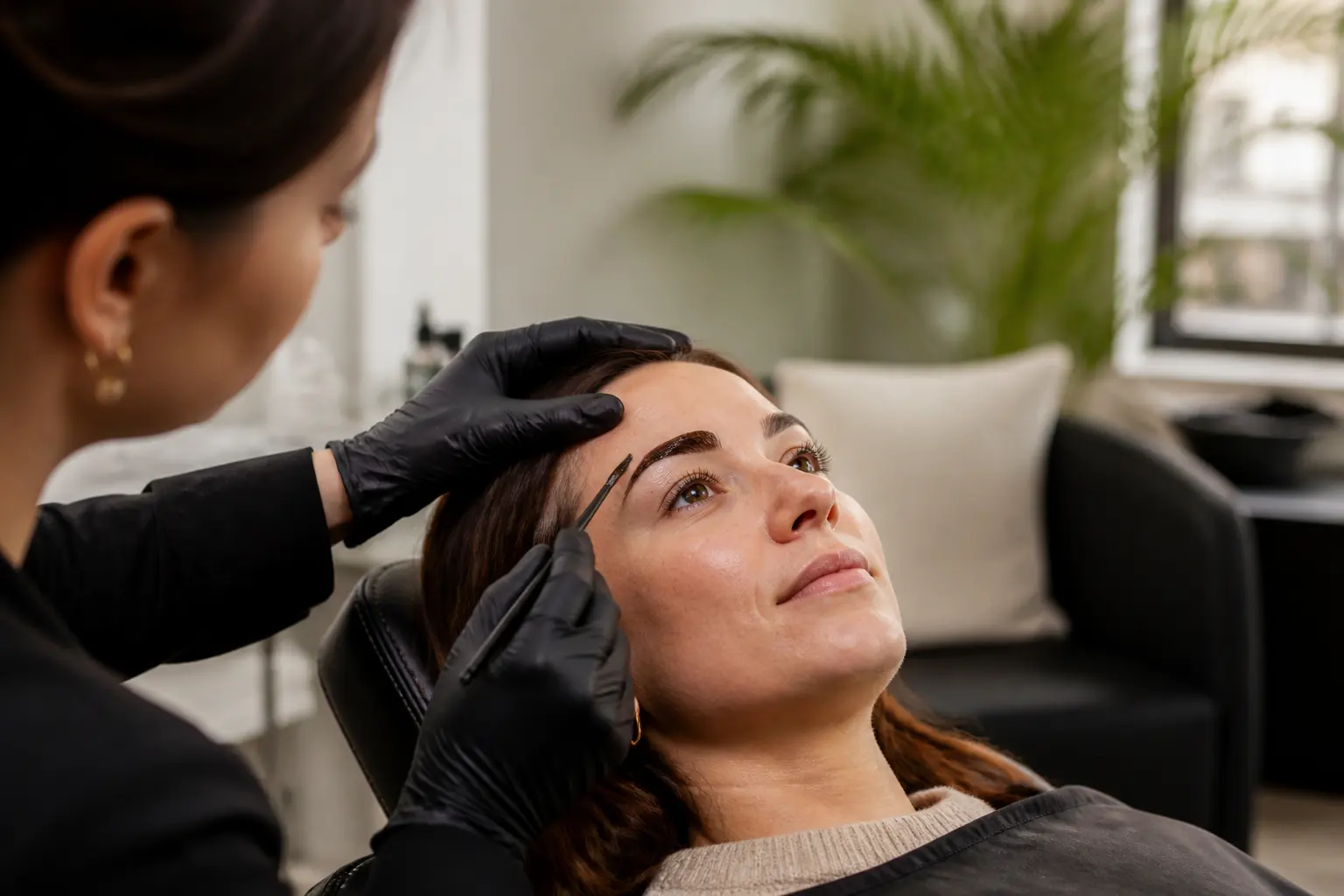
- See the natural outline of your brows more clearly.
- Make pale hairs look more noticeable.
- Create a stronger-looking arch or tail where there are still some hairs present.
- Reduce the amount of brow pencil, powder or pomade you usually use.
- Make the two brows look more visually balanced after a design consultation.
It can also be useful before a holiday, event or busy period when you would like a more put-together brow routine with fewer daily steps. The level of colour should still be selected carefully. Darker is not automatically more defining; on some complexions and hair colours, a shade that is too deep can distract from the rest of the face.
What it cannot replace
Henna does not create real hair growth, alter the direction of existing hairs or permanently change your brow density. If an area has no hair at all, colour on the skin may provide some temporary visual support, but it will not reproduce the texture of individual hairs.
It is also important to remember that skin takes colour differently from person to person. Oiliness, skincare habits, natural skin turnover and the area of application can all affect how the result looks and how it fades. A brow professional should assess what is realistic rather than promise that every gap will disappear or that both brows will look perfectly identical.
Why shape matters as much as colour
When brows are sparse, it can be tempting to make them much wider or darker in an effort to create fullness. In practice, this can make the result look less connected to your natural brow pattern. Shape-first design is usually the more considered approach.
Before applying henna, the brow can be assessed for its natural start point, arch, tail, hair direction and areas of uneven density. Mapping helps guide the outline, but it should not be treated as a rigid template. Faces are naturally asymmetrical, and brows often grow differently on each side. The goal is visual harmony, not an artificial copy-and-paste effect.
For sparse brows, a useful design conversation may include:
- Whether you want a subtle everyday result or more visible definition.
- Which areas you normally fill with makeup.
- Whether your brow tails fade, thin out or sit at different heights.
- How much natural hair is available within the proposed shape.
- Whether you are currently growing out over-plucked areas.
- How your usual skincare and makeup routine may affect colour retention.
At Becammo, threading and design can be considered alongside henna or tint so that unwanted hairs are removed with precision before the colour is applied. This can make the finished outline look cleaner without relying on an overly dark shade to do all the work.
Henna brows versus brow tint for sparse hair
Both henna and tint can make brow hairs appear more noticeable, but they may create a different overall impression. The right choice depends on what you want to enhance.
| Consideration | Henna brows | Brow tint |
|---|---|---|
| Main visual effect | Can colour brow hairs and leave a temporary skin tint effect. | Primarily colours the brow hairs. |
| Helpful when | You want added outline definition as well as more visible hairs. | You mainly want your existing hairs to look darker or more even. |
| Look to discuss | Softly shaded through sparse areas or more defined, depending on the chosen style. | Natural enhancement with emphasis on the hairs already present. |
| Important limit | Skin colour uptake and fading vary by individual skin and routine. | Will not usually give the same skin-shadow effect as henna. |
Someone with sparse but pale hairs may be happy with tint alone if the hair density is still fairly even. Someone with a more noticeable gap or a very faint tail may prefer the additional definition that henna can offer. Neither option is universally better. The most suitable choice is the one that matches your natural brow pattern, skin and desired maintenance level.
Who may want to discuss henna brows first
A consultation is particularly useful if you have sparse brows and recognise yourself in one or more of these situations:
- You use pencil or powder every day to make your brows visible.
- Your brows have become less even after years of over-tweezing or waxing.
- You have fair hairs that disappear against your skin tone.
- Your brow tails are much lighter or thinner than the fronts.
- You want a more defined shape but do not want a strong permanent makeup effect.
- You are unsure whether henna, tint, threading or a combination of these would make the most sense.
It is equally helpful to speak up if you have sensitive skin, a history of reactions to cosmetic colour products, a current skin irritation around the brow area or active use of skincare that may affect the skin’s condition. A professional assessment can identify whether it is appropriate to proceed on the day and what preparation or caution may be needed.
How to prepare for a henna brow appointment
Good preparation does not need to be complicated, but it can help make the consultation clearer and the appointment more comfortable.
- Arrive with your usual brow routine in mind. If you normally use a particular pencil shade or like a specific level of definition, describe it or bring a reference from your own makeup routine.
- Avoid reshaping your brows at home immediately beforehand. Leaving the existing hairs in place gives the professional more information about your natural growth pattern.
- Tell your brow artist about relevant skin sensitivities and products. This includes recent irritation, exfoliating products or anything that has made the brow area feel reactive.
- Be clear about your preferred finish. “Natural but visible”, “softly filled” and “defined for an event” are all useful descriptions.
- Allow time for the colour to settle into your routine. If you are booking before an important occasion, it is sensible to avoid leaving your first henna experience until the last possible moment.
Aftercare and everyday expectations
Aftercare guidance should always be followed as given at your appointment, because your skin and chosen service matter. In general, it is sensible to treat newly coloured brows gently and avoid experimenting immediately with lots of makeup, strong skincare or unnecessary rubbing around the area.
It is also normal for the result to look more noticeable at first than it will later in the wear period. That does not mean the colour has gone wrong. Fresh colour can appear more defined before your usual cleansing, skincare and day-to-day activities gradually soften the effect.
If your intention is to reduce daily makeup time, notice which part of your routine changes most. You may find that you no longer need to draw in the tail, or that a quick brush-through is enough on some days. Others still enjoy using a little pencil in a very sparse spot. Henna can simplify a routine without needing to replace every makeup product.
When another brow option may be more suitable
Henna is one option, not an obligation. If you mainly want tidier edges and better proportion while you grow out your brows, threading with a conservative design plan may be the more suitable starting point. If the main issue is hair direction rather than missing density, brow lamination may be a separate conversation. If you are considering a semi-permanent eyebrow procedure because there are larger areas without hair, a dedicated consultation is the responsible next step.
Choosing between these options should not be about chasing the fullest possible brow. It should be about choosing a method that respects your natural features, lifestyle and comfort with maintenance. Sparse brows can still look refined, expressive and intentional when shape, colour and expectation are aligned.
Conclusion
Henna brows may add useful definition to sparse eyebrows by enhancing visible hairs and creating a temporary colour effect on the skin. They can be particularly helpful when brows look faint, the tails lack clarity or daily makeup has become part of your routine.
The most flattering result is usually not the darkest one. It is the result that works with your existing hair pattern, gives the amount of definition you genuinely want and is planned around your individual brow shape. If you are unsure whether henna or tint would suit your sparse brows best, a personalised brow appointment can help you make that choice with more confidence.
Frequently asked questions
Can henna fill completely empty eyebrow gaps?
Henna may leave a temporary skin tint effect that adds visual definition in sparse areas, but it does not create real hairs or reproduce the texture of hair strokes. A consultation can clarify what is realistic for the amount and placement of your existing brow hair.
Will henna brows look too dark if my brows are sparse?
Not necessarily. The shade, application and shape can be chosen for a softer or more defined effect. Communicate clearly if you prefer a natural result, especially if you do not usually wear strong brow makeup.
Is henna better than tint for sparse eyebrows?
It depends on your goal. Tint may suit someone who mainly wants existing hairs to look more visible. Henna may be considered when you would also like temporary definition on the skin beneath the hairs.
Should I have threading before henna brows?
Threading and design can help create a clean outline before colour is applied. The order and suitability should be confirmed during your appointment, based on your skin condition, brow growth and the result you want.
Can I still use brow pencil after having henna brows?
Yes. Some people use less makeup after henna, while others still add pencil to a particularly sparse section or for a more dramatic evening look. Let the brow area settle and follow the aftercare guidance you receive.