Mature Brows and Threading: Keeping Your Shape Soft and Natural
Brenda Cammo Team
Mature brows do not need to follow a new rulebook. They may simply benefit from a more thoughtful conversation before any hair is removed. Changes in density, colour, direction of growth and the way you prefer to wear make-up can all influence what feels like the right shape for you.
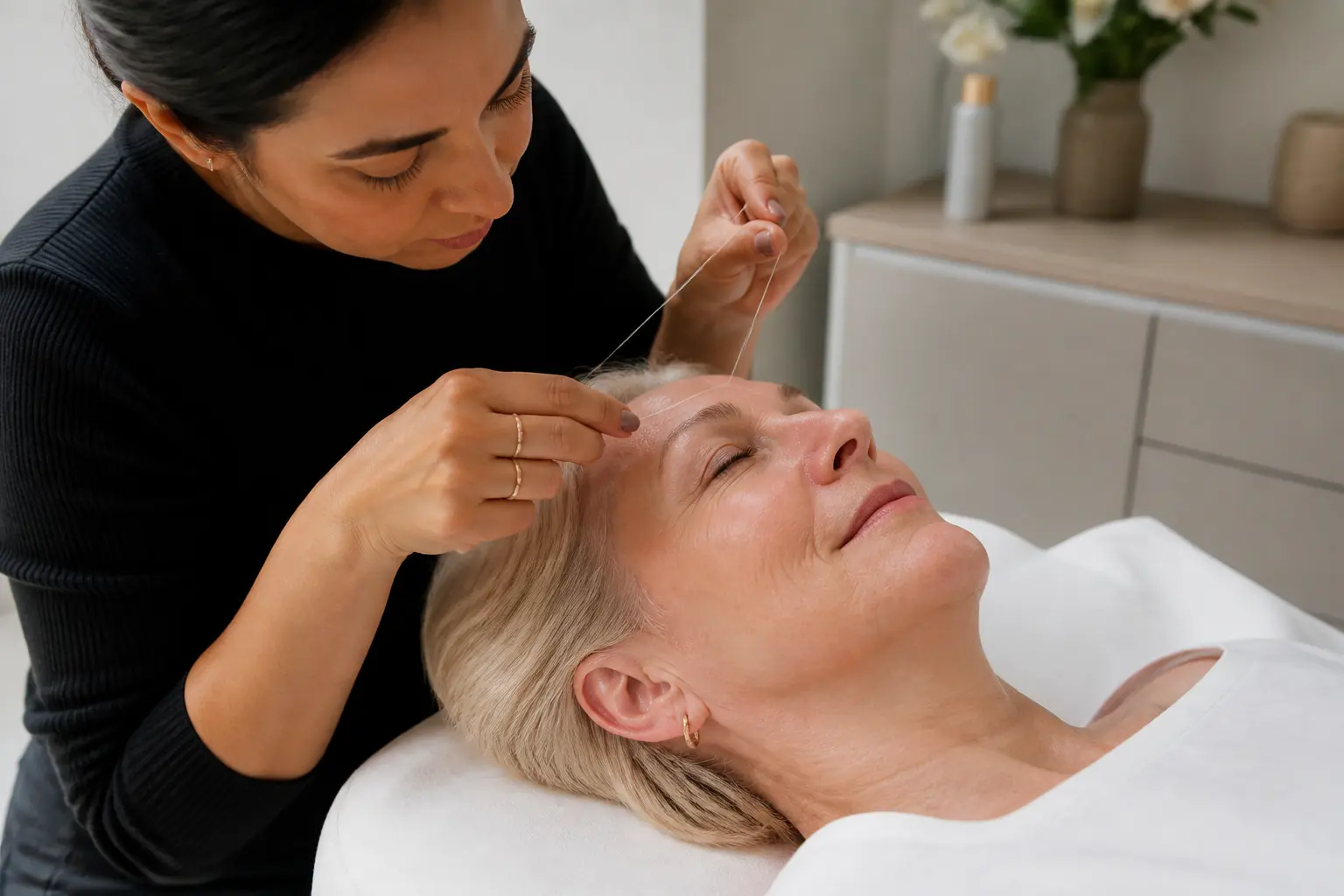
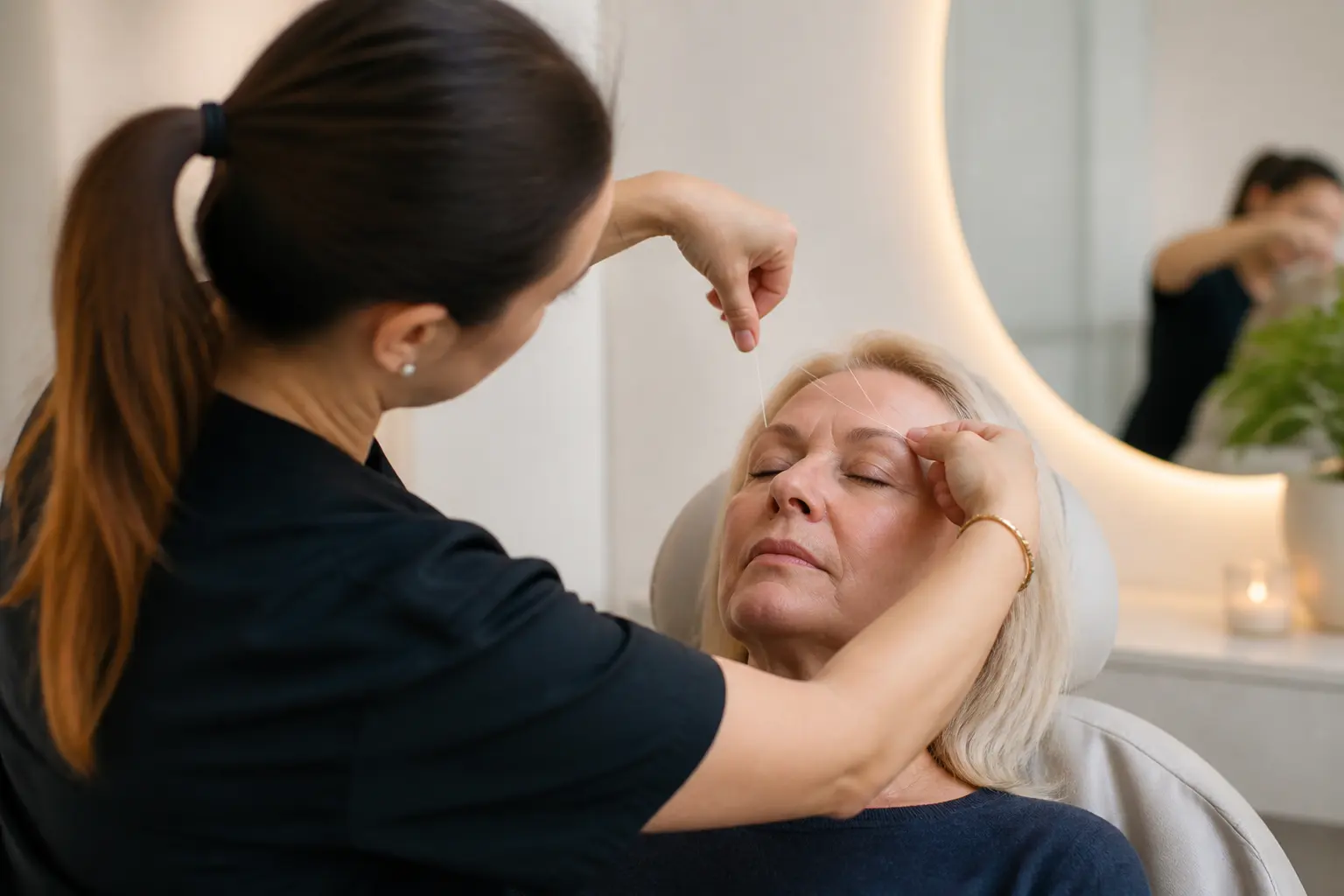
Threading for mature brows can be a gentle way to tidy and define the existing brow line while keeping the result soft and recognisably yours. Rather than aiming for a dramatic arch or a sharply sculpted finish, the focus can be on working with the hair you have, preserving useful fullness and creating a balanced outline that suits your features and daily routine.
A personalised brow-shape conversation is especially valuable when you want your brows to look polished without appearing too severe. Here is what that conversation can include, what threading can help with and how to approach your appointment with clear expectations.
Why brow preferences can change over time
There is no single look that defines mature brows. Some people notice that their brow hairs have become finer, lighter or less evenly distributed. Others still have plenty of hair but find that it grows in different directions, extends beyond the shape they like or needs more regular tidying.
Your preferences may change too. A brow shape that once felt right can begin to feel too angular, too narrow or too high-maintenance. You may prefer a lighter make-up routine, wear glasses every day, or simply want your face to look rested and put together without a strongly drawn-on effect.
This is why age alone should not dictate a brow design. The useful starting point is your current brow: its natural density, the areas you would like to keep, the hairs that are growing outside the line and the amount of definition that feels comfortable to you.
What a personalised shape conversation can cover
A good threading appointment is not only about removing stray hairs. Before shaping begins, it helps to discuss the result you want and the details that may affect it. This creates space for a design that feels intentional rather than automatic.
Your preferred level of definition
Words such as “natural” and “soft” can mean different things to different people. For one person, natural may mean removing only the most obvious hairs outside the existing shape. For another, it may mean creating a cleaner lower line while keeping the top of the brow almost untouched.
Be specific about whether you want a neat maintenance appointment, a subtle reshaping session or a more visible tidy-up. If you are unsure, starting conservatively is often sensible. You can always refine the shape gradually at future appointments, whereas removed hair cannot be put back immediately.
Areas where you want to preserve fullness
For mature brows, fullness can be valuable even when the hairs are not perfectly uniform. A few hairs that sit slightly outside a conventional outline may still contribute to a softer overall effect. During your consultation, point out any areas that feel sparse, uneven or important to retain.
This is particularly useful at the front of the brows and through the arch. Keeping a little natural texture can prevent the result from looking overly narrow or overly precise. The goal is not to make both brows identical; it is to make them look harmonious while respecting the natural differences between them.
The direction in which your hairs grow
Brow hairs do not always lie flat or grow in one uniform direction. Some may point upwards, some may curve sideways and some may become more noticeable as they grow longer. Threading can remove selected hairs around the shape, but a conversation about hair direction helps set realistic expectations about the finish between appointments.
In some cases, a light trim or a simple home styling routine may be more appropriate than removing hairs that are contributing to density. If you use a clear brow gel, pencil or powder, mention this too. Your everyday styling can influence the shape that feels most practical.
Your make-up habits and colour preferences
If you fill in your brows, bring that into the conversation. A softly threaded outline can make pencil, powder or tinted brow products easier to apply because it gives you a clearer framework without creating a harsh edge.
Some clients with grey or white brow hairs may also be considering tint or henna for a more even-looking colour. That is a separate decision from shaping. Threading can tidy the outline, while colour services may add visual definition to the hairs that remain. The best combination depends on your preferred finish, the condition of your brows and an individual assessment.
How threading can support a soft, natural brow shape
Threading uses a twisted thread to lift and remove hairs from the root. At Becammo, disposable single-use thread is used for each client, with cotton as the standard option and polyester available for clients with an allergy to cotton. The technique allows the practitioner to work carefully around the brow line, selecting the hairs that sit outside the agreed shape.
For a softer result, the design can prioritise restraint. That may mean clearing only the hairs that disrupt the line, avoiding unnecessary removal from areas that already look fine and maintaining a brow width that suits the natural density. The outcome should feel like a cleaner version of your own brows, not an unrelated template.
Threading can be particularly helpful for small details: tidying the space between the brows, refining obvious growth below the brow and removing individual hairs that extend beyond the agreed outline. It can also be used as part of a regular maintenance routine, so the shape stays familiar rather than changing dramatically from one appointment to the next.
Soft does not mean unstructured
A natural brow still benefits from balance. Softness is not the same as leaving every hair untouched, and it does not mean avoiding all shape. It means choosing a level of definition that works with your face, hair pattern and personal style.
A structured but gentle design may include a subtly cleaner start to the brow, a calm arch rather than a high peak and a tail that is tidy without being made excessively thin. These choices can help the brows frame the eyes while keeping the overall expression relaxed.
It is also useful to remember that brows are sisters, not twins. Natural asymmetry is common. One brow may sit slightly higher, have a different arch or be fuller in one section. Trying to force perfect symmetry by removing more and more hair can lead to a result that feels less natural. A skilled design conversation should focus on visual balance rather than identical measurements alone.
What to say when you book or arrive
You do not need technical brow vocabulary to communicate what you want. A few straightforward phrases can help your threading specialist understand your priorities.
- “I would like a tidy-up, but I do not want my brows made thinner.”
- “Please keep the front of my brows soft and full.”
- “I prefer a gentle arch rather than a sharp shape.”
- “This area is sparse, so I would like to keep as much hair there as possible.”
- “I wear brow pencil most days and want a shape that is easy to fill in.”
- “I have had over-shaped brows before, so I would like to take a conservative approach.”
It is also worth mentioning anything that may affect your comfort or the condition of the skin around your brows, including current sensitivity, recent reactions or products you have been using near the area. Clear information supports a more considered appointment and helps the practitioner decide whether to proceed as planned or adapt the service.
Preparing for a threading appointment
Try to arrive with a clear sense of what you would like to keep, especially if you have been growing out your brows. Avoid removing stray hairs yourself immediately before the appointment, as this can make it harder to see your natural growth pattern and plan the shape carefully.
If you normally wear brow make-up, you can either arrive without it or be ready to explain how you usually fill your brows. A reference photo can be useful if it reflects a realistic, softly defined result you like, but it should be treated as inspiration rather than a shape to copy exactly. Your own bone structure, brow density and hair growth will always guide the final design.
For a first visit, allow time to talk through your preferences. A slightly longer discussion at the beginning can make a significant difference to how confident you feel about the result.
Looking after the shape between appointments
After threading, keep your routine simple and follow the aftercare advice given at the studio. Avoid trying to correct tiny details at home as soon as you notice new growth. Brow hairs grow at different speeds, and removing one or two hairs repeatedly can gradually alter the shape you were trying to preserve.
Instead, use a spoolie brush to see how the hairs sit naturally. If you like a little extra definition, choose a light hand with pencil, powder or gel. The aim is to enhance the shape created at the appointment, not to redraw it completely every day.
Your ideal maintenance rhythm will depend on your hair growth and how tidy you like the outline to look. Some people prefer regular short appointments; others wait until enough new growth is visible to justify a fuller tidy-up. The right timing is personal, and it can be adjusted as you learn what suits your brows.
When a consultation-led approach matters most
A careful conversation is worthwhile for anyone, but it is especially important if you are growing out areas that were previously over-plucked, if your brows have uneven density, if you have a scar through the brow, or if you are changing how you wear brow make-up. It is also useful when you have not had professional brow shaping for a long time and feel uncertain about what will suit you now.
There is no need to arrive with a fixed answer. The point of a personalised approach is to help you decide what feels right using your natural brow pattern as the starting point. Small, considered changes often create the most wearable result.
Conclusion
Threading for mature brows is not about chasing a trend or making your brows look younger. It is about creating a tidy, balanced shape that feels comfortable, flattering and true to your features. By talking openly about fullness, softness, hair direction and your usual routine, you can help guide the appointment towards a result that still looks like you.
If you would like a calm, personalised brow-shaping experience, book a threading appointment at Becammo and choose the Malta location that is most convenient for you. Begin with the shape you have, explain the finish you prefer and let the design stay as soft or as defined as you feel comfortable with.
Frequently asked questions
Can threading make mature brows look too thin?
It does not have to. Tell your practitioner that preserving fullness is your priority. A conservative threading approach can focus on obvious stray hairs and keep the main body of the brow intact.
Should mature brows have a high arch?
Not necessarily. The most suitable arch depends on your natural brow growth, facial features and personal preference. A gentle arch often creates definition while keeping the result relaxed and natural.
Can I have threading if my brows are sparse?
Yes, but the appointment should be guided by a shape-first discussion. The aim is usually to protect the areas that contribute to fullness and remove only hairs that sit outside the desired outline.
Do I need to stop using brow pencil before threading?
You do not need to stop using it in the days before your appointment. It can help to arrive with clean brows or explain how you normally apply your make-up, so the shape can work with your daily routine.
How often should I book threading for mature brows?
There is no single schedule. Your preferred timing depends on how quickly your hairs grow and how polished you want the outline to remain. Your threading specialist can help you find a maintenance rhythm that feels manageable.