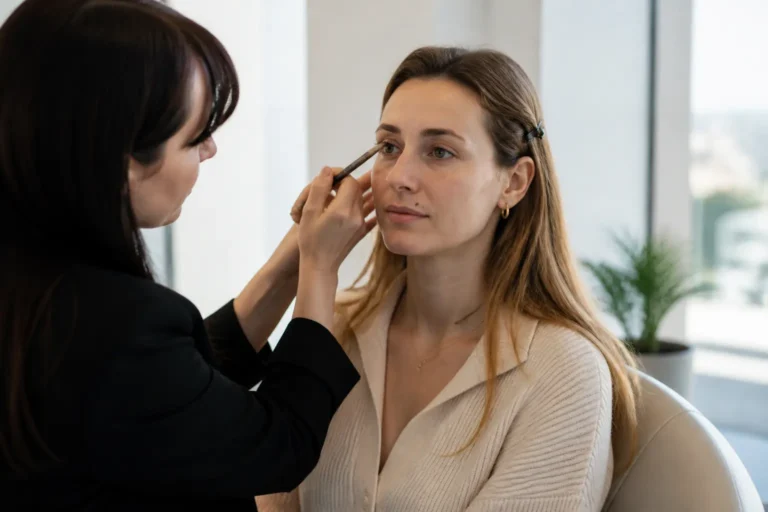
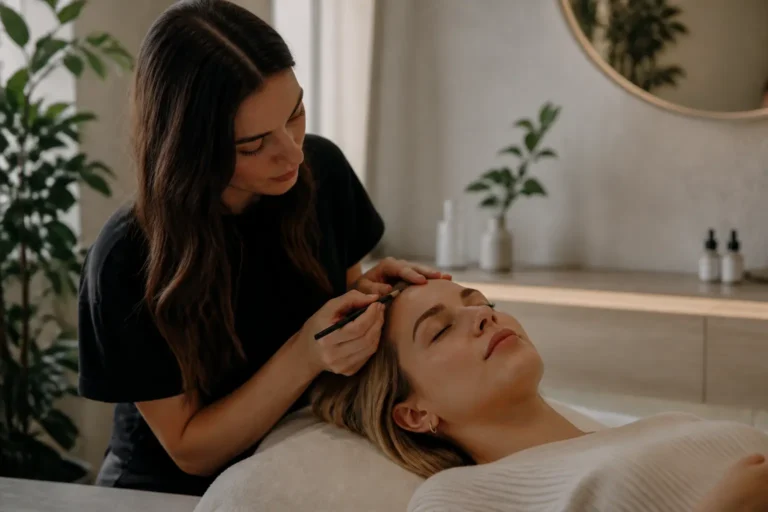
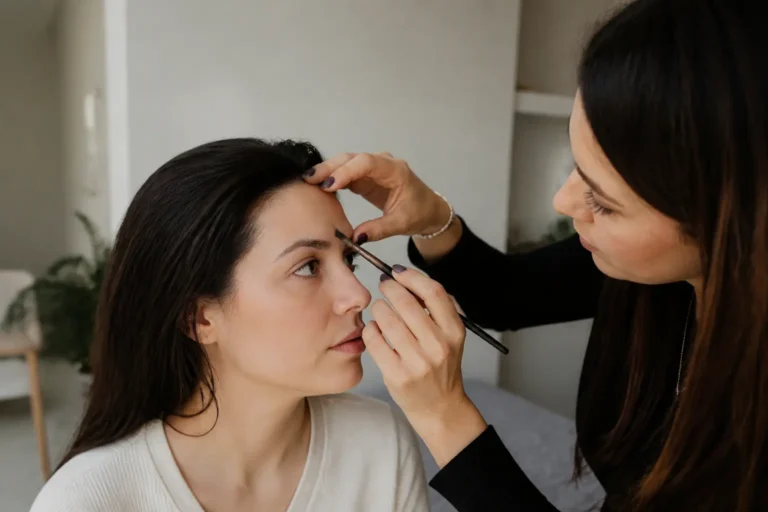
Natural Brows for Busy Mornings: When Threading May Be Enough
Brenda Cammo Team
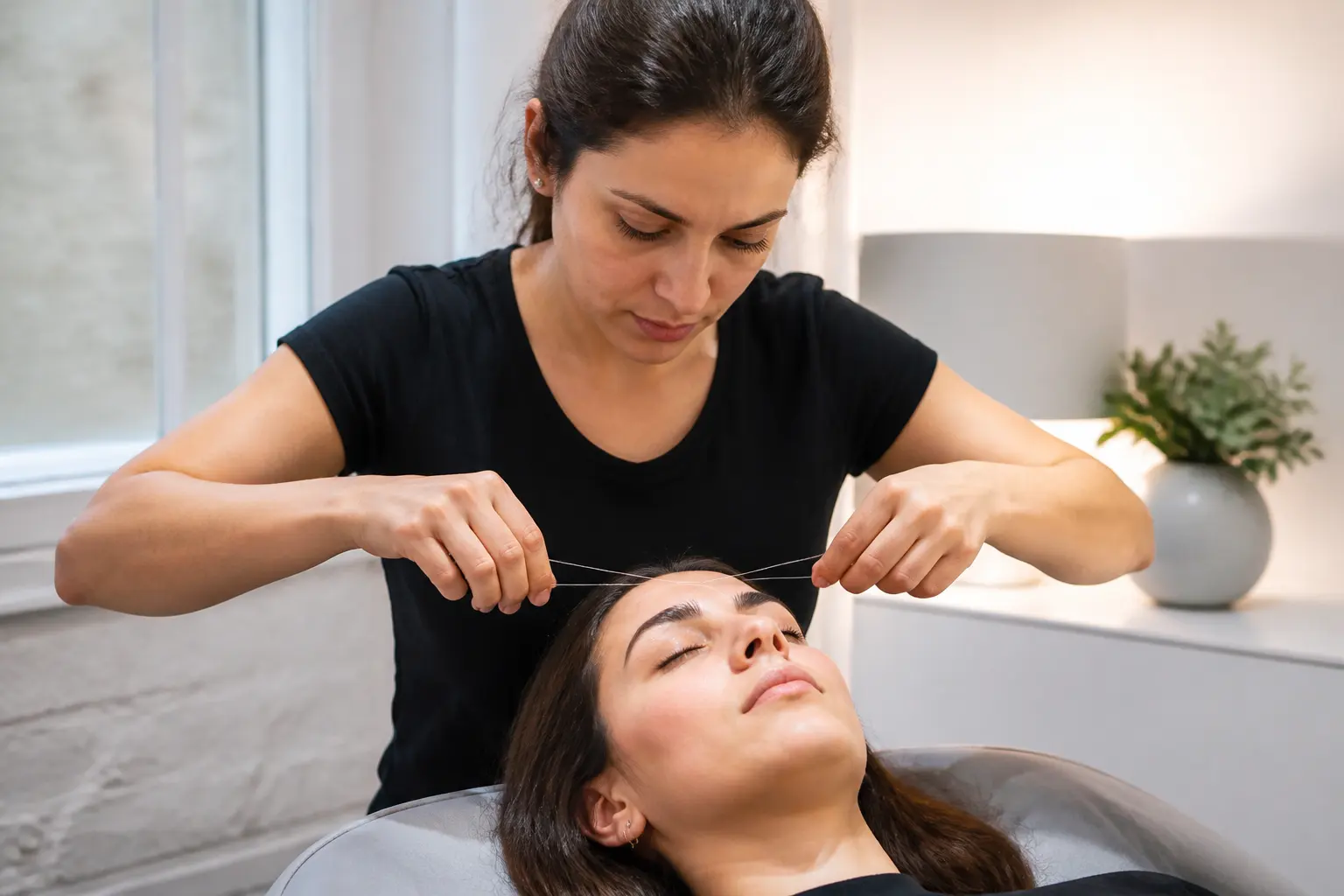
A streamlined morning routine does not have to mean doing more to your brows. For many people, a well-considered eyebrow threading appointment is enough to make brows look neater, more balanced and easier to style day to day. The aim is not to create one fixed brow look. It is to work with the hair you have, remove only the growth that sits outside the intended shape, and leave you with a result that still feels like you.
If you usually reach for a pencil, powder or gel because stray hairs distract from your brow line, a shape-focused approach may reduce the amount of time you spend correcting them. Threading can be a particularly useful starting point when your priority is natural brows with threading rather than a more structured or colour-enhanced finish.
Here is how to decide whether a simple threading appointment may suit your busy mornings, what it can realistically change, and when it is sensible to discuss other brow options instead.
What a simple threading appointment is designed to do
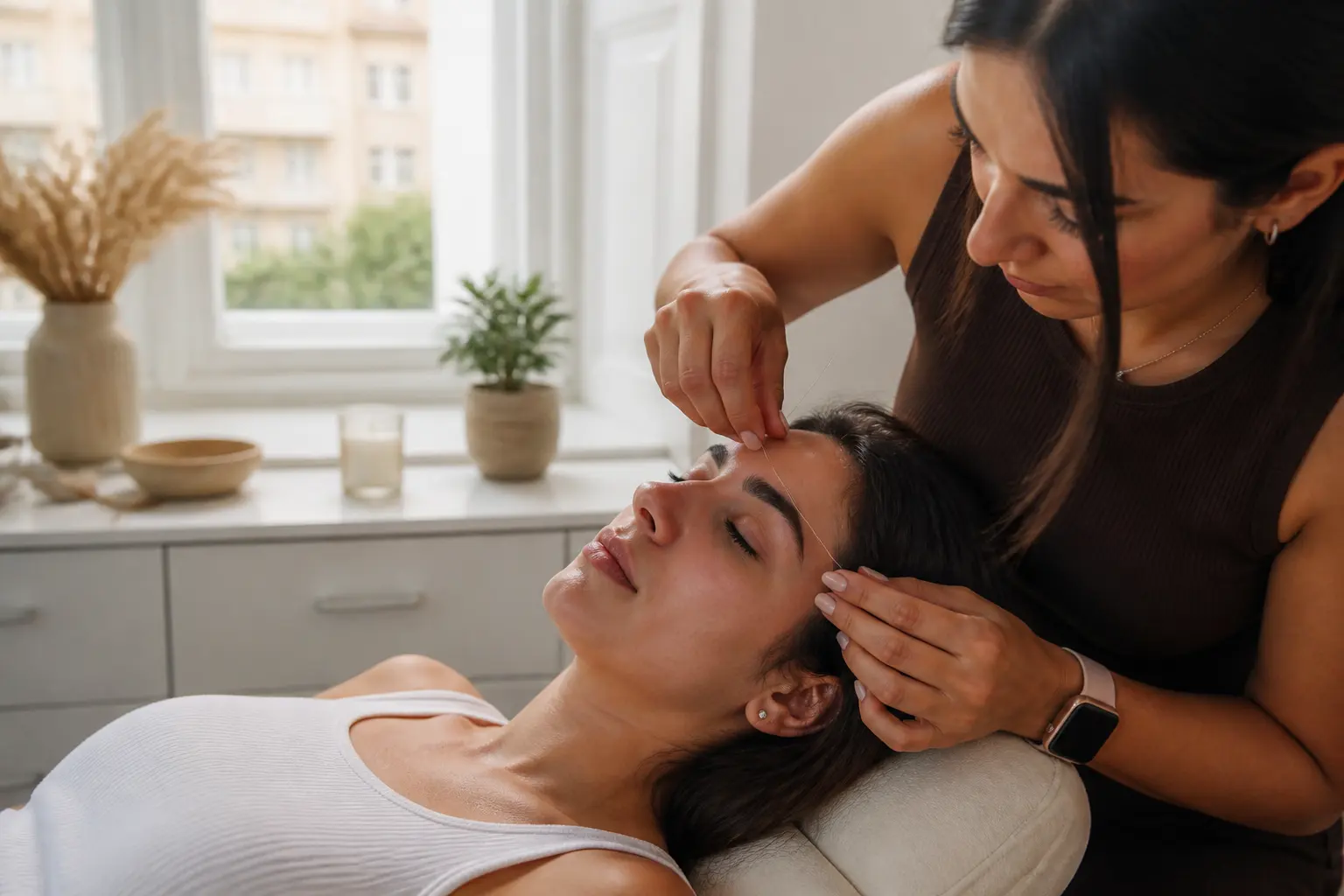
Eyebrow threading uses a twisted thread to remove individual hairs or small rows of hair from the root. At Becammo, the thread is single-use for each client. Cotton thread is the usual material, while polyester can be considered for clients with an allergy to cotton.
The key value of threading is precision. Rather than applying a product that changes the direction, colour or density of brow hairs, the appointment focuses on editing the existing outline. A brow professional can look at where your natural hairs grow, how the two brows relate to one another, and how much hair should remain to keep the shape soft and workable.
A simple appointment may involve clearing growth above, below and between the brows, while retaining the density needed for your preferred style. It is not about making both brows identical. Natural brows often have small differences in density, height and growth direction, and a personalised design respects those differences rather than trying to force perfect symmetry.
When threading may be enough for a quicker routine
Threading may be a good fit when the main issue is shape rather than colour or hair direction. Consider it if you recognise the situations below.
Your brows are full enough but lose definition between appointments
Perhaps you are generally happy with your natural brow density, but new growth makes the outline look less clear. A careful tidy can restore a cleaner border without changing the character of your brows. You may then find that brushing the hairs into place is all you need on many mornings.
You want to use less brow make-up
Threading cannot replace make-up for everyone, and it will not add hair where there is very little natural growth. Yet a clearer shape can make a simple brow routine feel more manageable. Some people may only use a little gel or a light pencil stroke in sparse areas after their appointment, instead of building a full brow from scratch each day.
You prefer a soft, understated finish
A natural brow does not need a sharp, heavily defined outline. If you like brows that look groomed but not overly styled, threading offers a shape-first option. During the design conversation, you can explain whether you prefer a straighter line, a gentle arch, a fuller front or a deliberately soft finish.
Your priority is a low-commitment brow change
Threading works with the hair currently present. It does not involve semi-permanent pigment, and it does not alter the set direction of the brow hairs. That can make it an appealing choice for someone who wants a refreshed look without committing to a more transformative brow service.
You need an appointment that fits a practical schedule
At Becammo, the Threading/Tweezer Eyebrows appointment is listed as 30 minutes. This can suit clients who want an efficient maintenance service while still allowing time for a considered design. The right interval varies with each person’s hair-growth pattern, but many people notice visible regrowth over the following weeks.
What threading can and cannot change
Clear expectations help you choose a service confidently. Threading can create order around your existing brow shape. It cannot change every aspect of how your brows behave.
| Threading may help with | Threading does not directly do |
|---|---|
| Removing unwanted regrowth around the brow line | Darkening very fair, grey or white hairs |
| Creating a cleaner outline from your existing hair pattern | Filling substantial gaps with new hairs |
| Making brows easier to brush and lightly style | Setting hairs into a lifted direction for an extended period |
| Maintaining a natural-looking, shape-led routine | Creating a semi-permanent hair-stroke effect |
If you want more visible colour, you could ask whether henna or tint is appropriate for your brows. If your main goal is a brushed-up, directional look, brow lamination is a different type of appointment to discuss. And if sparse areas are the main concern, it is worth being honest about how much definition can come from hair removal alone. A consultation can help identify a route that protects the brow hairs you have.
How a shape-first design can save time in the morning
The time-saving benefit of threading is often less about a dramatic after-effect and more about removing small daily decisions. Without a clear brow outline, it can be tempting to keep adding product, correcting the tail, redrawing the arch or concealing hairs that sit outside the shape.
Once your brow line has been tidied, your routine may become simpler:
- Brush the hairs upwards and slightly outwards with a clean spoolie.
- Use a small amount of brow gel if you like extra hold.
- Add pencil only where you personally want a little more definition.
- Leave the brows bare on low-effort days, knowing the overall outline has been maintained.
That does not mean you need to abandon make-up. A threading appointment can give you a clearer base for whichever routine feels right, whether that is a bare brow, a light gel finish or full make-up for an evening out.
What to mention before your appointment
A short conversation before threading is useful, especially if you are aiming to minimise morning styling rather than pursue a completely new shape. The more clearly you describe your usual routine, the easier it is to make choices that suit it.
Tell the brow professional how you normally wear your brows
Do you usually use no product, a tinted gel, pencil, pomade or powder? Bring this up. Someone who fills the tails every day may want to preserve more hair in that area. Someone who wants a softer, makeup-free look may prefer less definition around the upper edge.
Point out areas you are growing out
If you have previously over-plucked, corrected your brows at home or noticed thinner sections, say so before any hair is removed. A shape-first plan can prioritise keeping useful growth, even if that means allowing some areas time to develop.
Mention sensitivity and relevant skin concerns
Let the studio know about skin sensitivity, allergies and any current irritation around the brow area. Avoid arriving with skin that is visibly irritated or compromised. If you are unsure whether an appointment is suitable at that time, contact the studio before booking for guidance.
Explain your non-negotiables
You may want to keep your natural arch, avoid thinning the fronts, retain fullness, or have a subtle clean-up only. These are all useful preferences. A good brow design should be a conversation, not a template.
A realistic low-maintenance rhythm
There is no single schedule that works for every brow. Hair grows in cycles, and the visibility of regrowth differs according to natural density, hair colour, the area being threaded and your personal preference for neatness. A person who likes a very clean outline may book sooner than someone who is comfortable with soft regrowth.
Rather than booking only when your brows feel difficult to manage, consider observing what happens after your first appointment. You might notice when hairs begin to sit outside the shape, when you start using more make-up again, or when your brows no longer feel as polished as you would like. That pattern can help you plan appointments around your own routine.
If you have a holiday, wedding, photoshoot or other occasion coming up, do not leave your first threading experience until the last minute. Trying the service in advance gives you time to understand how your skin and brow line look afterwards and to decide what timing feels comfortable for you.
Simple aftercare for natural-looking brows
After threading, the brow area can feel temporarily sensitive, and some people may notice short-lived redness. Keep the area clean and avoid unnecessary touching. It is also sensible to be gentle with the skin immediately afterwards rather than rubbing, exfoliating or applying multiple new products around the brows.
If you normally use brow make-up, ask the professional when it is appropriate to resume your usual products. A clean spoolie is often enough to groom the hairs as they settle into your everyday routine.
Between appointments, resist the urge to remove every new hair at home. Occasional self-correction can gradually blur the shape or remove hairs that would have supported your preferred design. If you are growing out an area or trying to maintain a fuller natural brow, leaving the detailed shaping to your appointments can be the simpler approach.
When it may be worth discussing more than threading
A simple threading appointment is a strong option when your brows have enough natural presence and you mainly want a tidy, reliable outline. But it is not the only route to a lower-effort routine.
- Consider tint or henna: if pale hairs make your brows seem less visible even when the shape is tidy.
- Consider brow lamination: if you want existing hairs to appear more brushed-up or directed in a particular way.
- Consider a semi-permanent brow consultation: if your main concern is more substantial sparse areas and you want to understand the available options carefully.
- Keep threading as the foundation: even when another brow service is relevant, maintaining the outline may still be part of your wider brow routine.
The most suitable choice depends on your hair pattern, skin, lifestyle and the finish you actually enjoy wearing. A busy morning is easier when your brow plan is realistic, not when it asks you to maintain a look that does not feel like your own.
Conclusion
For natural brows and busy mornings, threading may be enough when you want less visual clutter, a tidier shape and a simple base for minimal or no make-up. It is a practical option because it works with your existing brows rather than asking you to change them completely.
Book a threading appointment at Becammo in Sliema or Swieqi and use the consultation to explain how you want your brows to look on an ordinary weekday morning. A personalised shape can make the routine after your appointment feel clearer, quicker and more like you.
Frequently asked questions
Can threading make my brows look natural?
Yes. Threading can support a natural look by removing hairs outside the intended shape while preserving the density and features that make your brows individual. Tell the professional if you want a soft clean-up rather than a strongly defined outline.
Will I still need brow pencil after threading?
That depends on your natural density and the finish you prefer. Threading can make brows easier to style, but it does not add colour or hairs. You may choose to use less pencil, use it only in selected areas, or skip it on some days.
Is threading suitable if I am growing out my brows?
It can be, provided you explain which areas you are trying to grow. The appointment can focus on tidying surrounding regrowth while keeping hairs that may contribute to your future shape.
How long does an eyebrow threading appointment take?
At Becammo, Threading/Tweezer Eyebrows is listed as a 30-minute appointment. Timing can also include the design conversation needed to understand your preferences.
Does threading replace brow lamination?
They have different purposes. Threading focuses on removing unwanted hair and refining the outline. Brow lamination focuses on the direction and appearance of the existing brow hairs. One is not automatically a replacement for the other.
How do I book eyebrow threading in Malta?
You can book through the Becammo online booking system, selecting the Sliema or Swieqi location and the eyebrow service that suits your needs. If you have questions about your brow goals, share them during the appointment consultation.