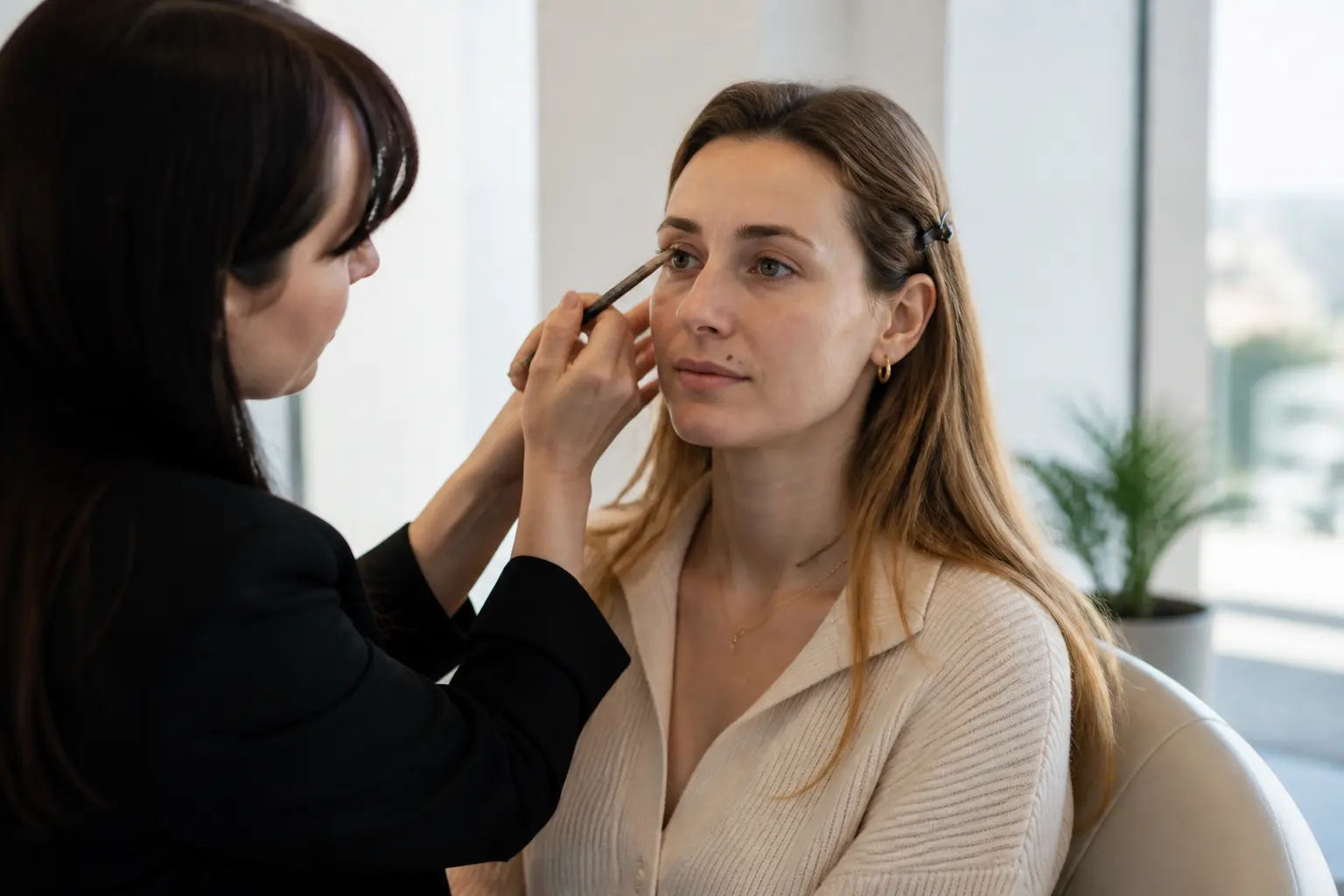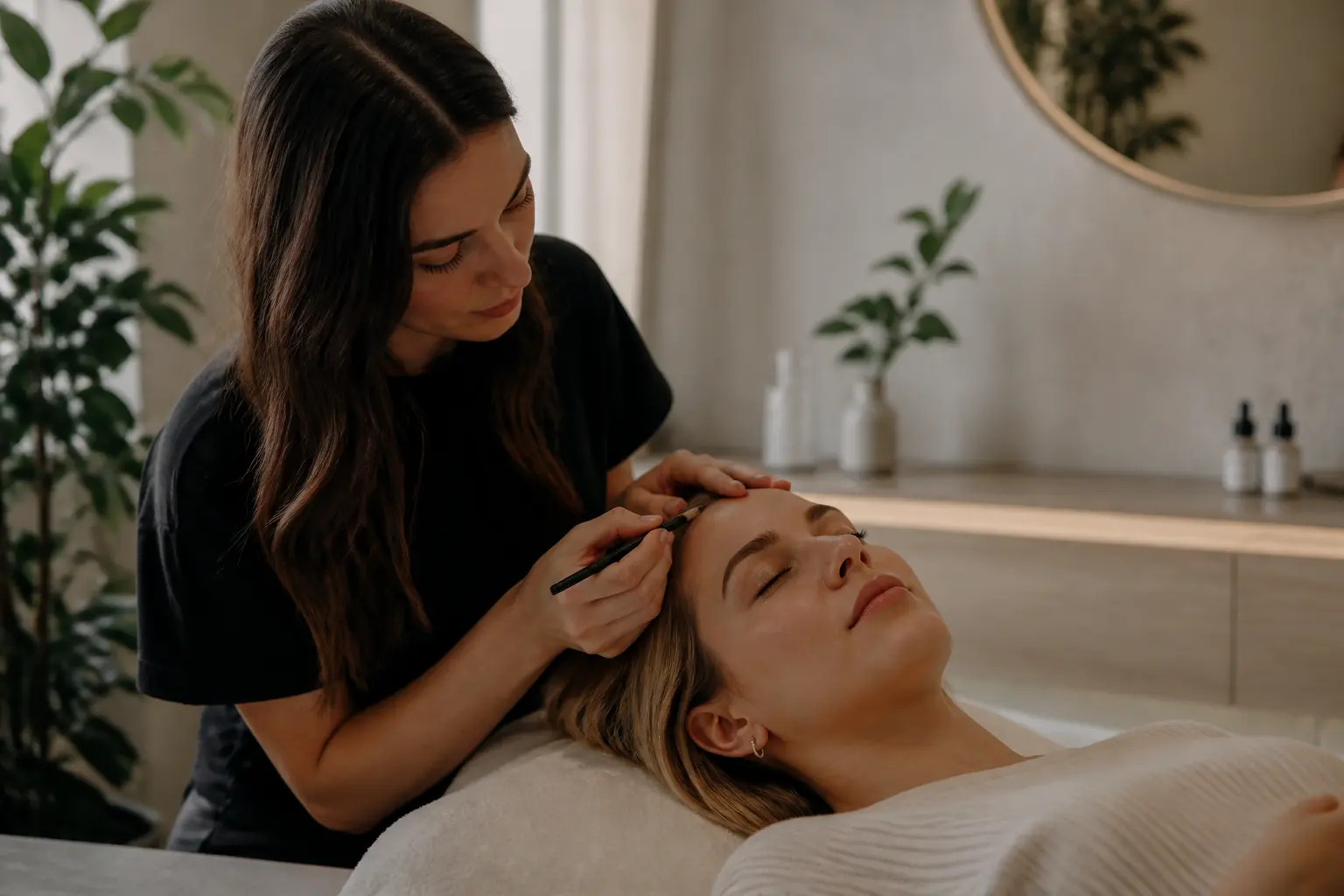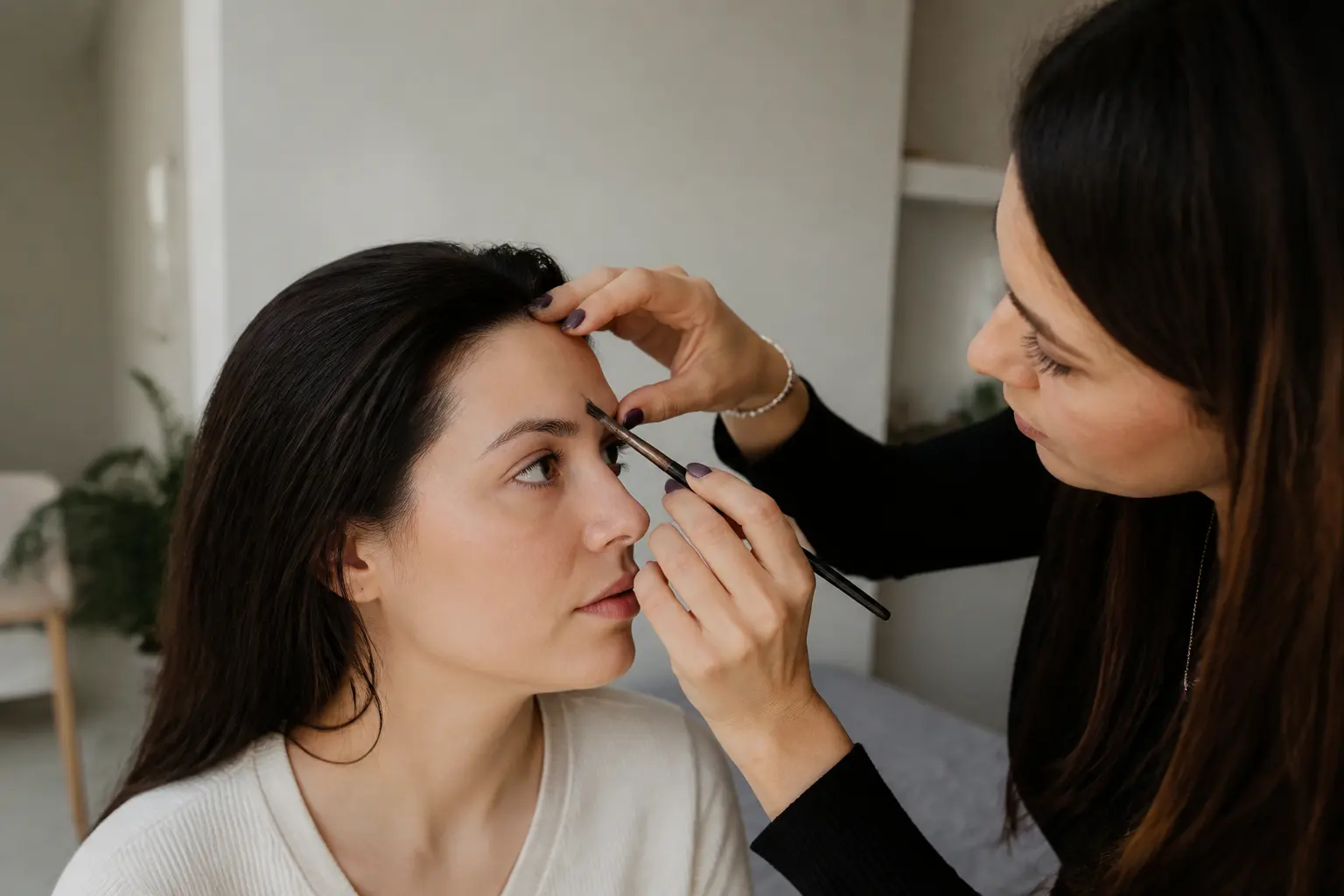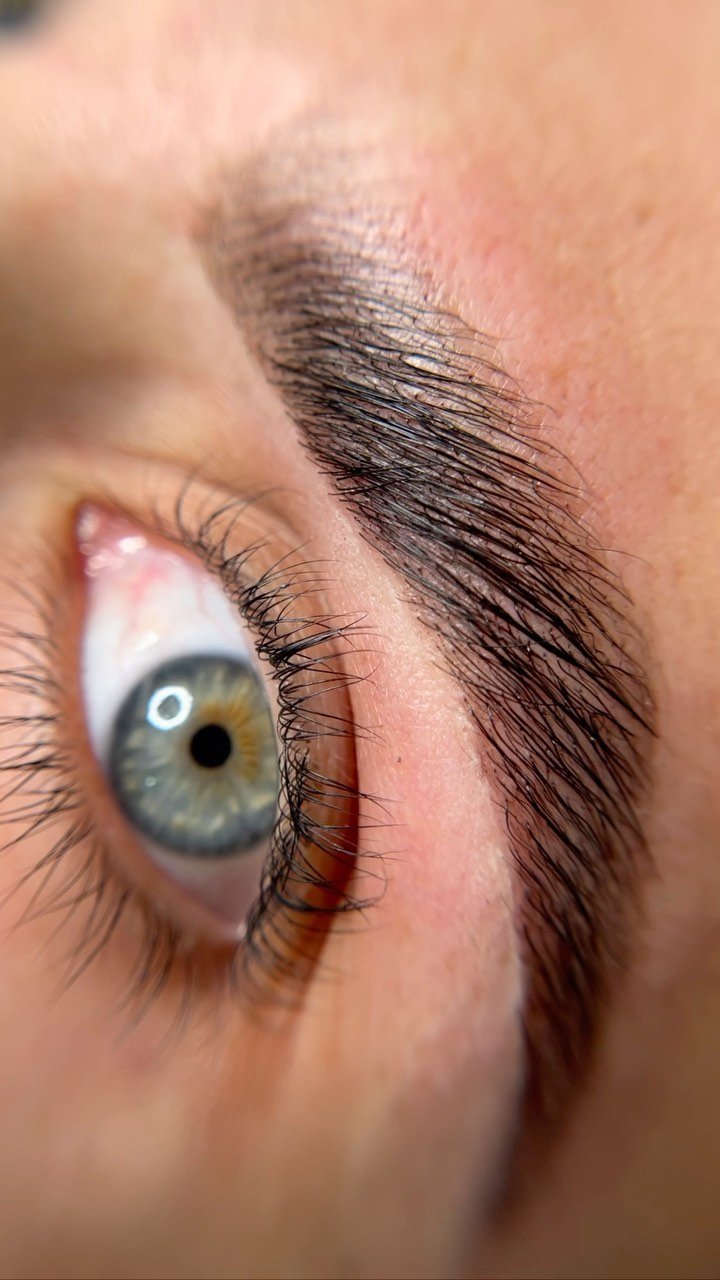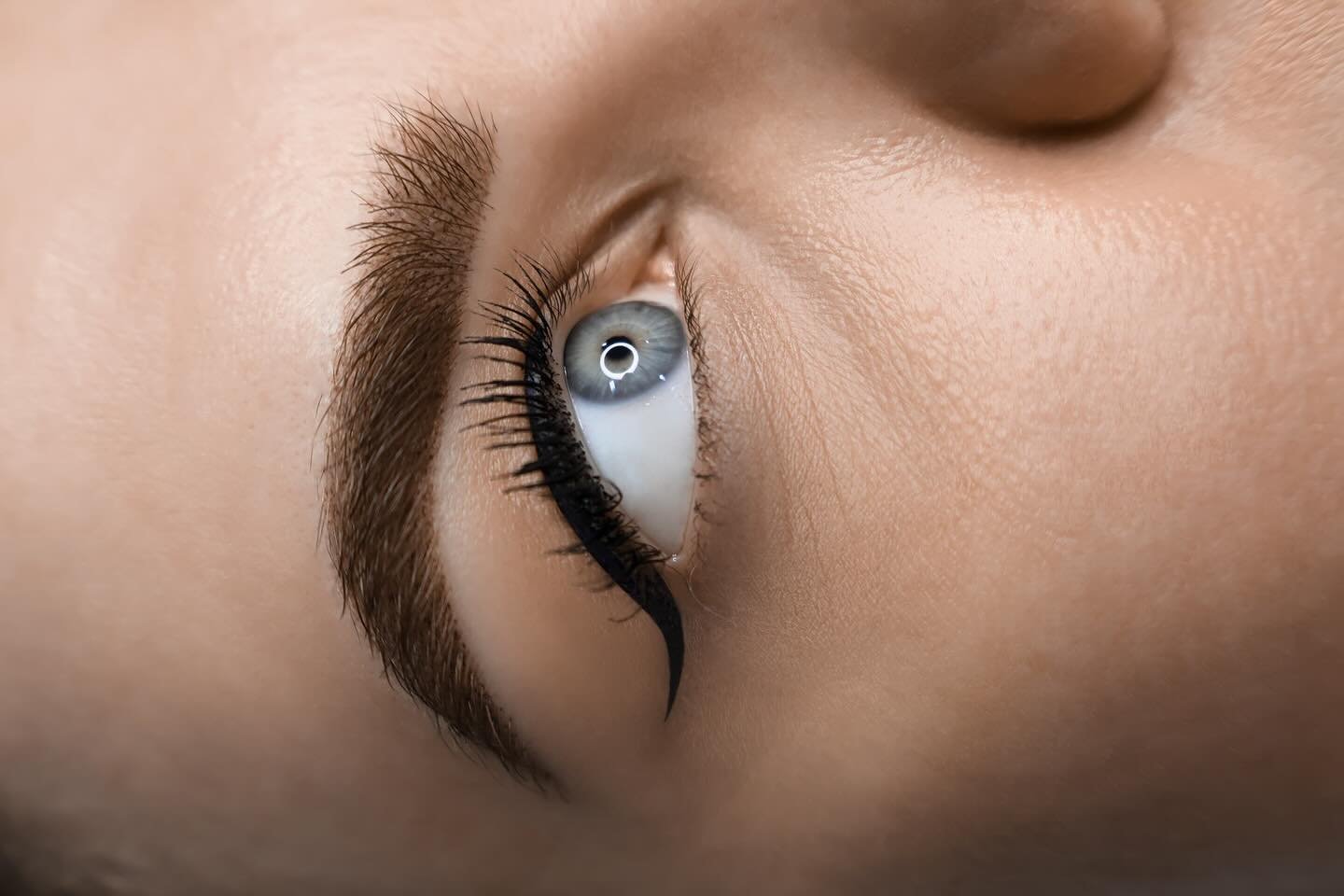
Freshly laminated brows feel different because lamination sets your existing hairs into a more lifted, brushed-up direction rather than removing hair or adding pigment. The brow line can look more open, fuller and more defined, the texture can feel more organised, and your usual make-up may suddenly be too much. Give yourself time before judging, and avoid trimming or correcting at home.
Freshly laminated brows can feel surprisingly different from the brows you see every morning. They may sit higher, look fuller, follow a more visible direction and need far less pencil or powder than usual. Even if you love the result, that first change can take a little getting used to.
This is largely because brow lamination changes how the existing hairs are arranged. Rather than removing hair or adding pigment, the appointment is designed to set the brow hairs into a more lifted, brushed-up position. Your features have not changed overnight, but the way your natural brow hair frames them may look noticeably new.
Understanding what has changed can make the transition easier. It also helps you approach styling, makeup and future appointments with realistic expectations. Brow lamination is not about creating one fixed brow look for everyone; a thoughtful design should take account of your natural density, hair direction, face and everyday preferences.
What does brow lamination change in your everyday look?
Every brow has its own growth pattern. Some hairs naturally point downwards, some grow sideways and some change direction across the arch or tail. Before lamination, you may have spent a few moments brushing those hairs into place, trimming them, filling gaps with makeup or simply accepting that they settle where they want.
After brow lamination, the hairs are arranged in a chosen direction and set to hold that position more readily. This can make several familiar aspects of your brow routine feel different:
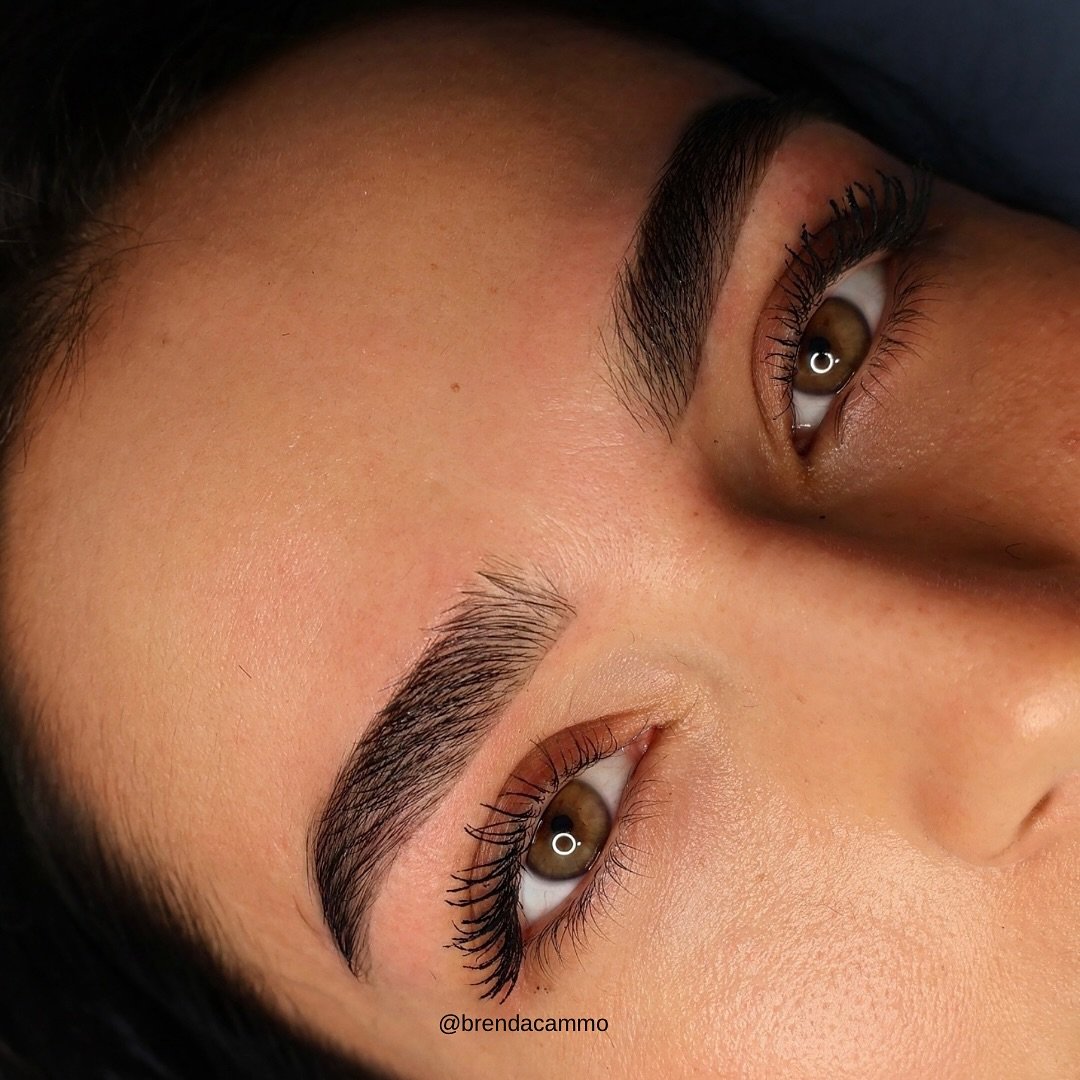
- The brow line may look more open. Hairs that previously sat flat can be lifted, making the shape appear more visible.
- Your brows may seem denser. The appointment works with the hair you already have, but directing it upwards or across can reveal more of its length and create a fuller visual effect.
- The arch may look softer or more structured. This depends on your starting hair pattern and the shape chosen during the appointment.
- The tail can appear more defined. Hairs at the outer brow may be easier to guide into a cleaner line.
- You may notice your natural brow colour more. When hairs are lifted and separated, their individual texture and tone can become more apparent.
The difference is often most striking if your usual routine involves brushing brows downwards, using a strong outline with makeup or keeping the hairs close to the skin. A laminated result may feel bolder initially simply because it shows more of your natural brow hair.
Why can the texture feel unfamiliar at first?
When people say their brows feel different after lamination, they may mean both the appearance and the physical texture. Freshly styled hairs can feel more organised and directional than they did before. You may also become more aware of your brows because you are checking the new shape in the mirror or touching them more often out of curiosity.
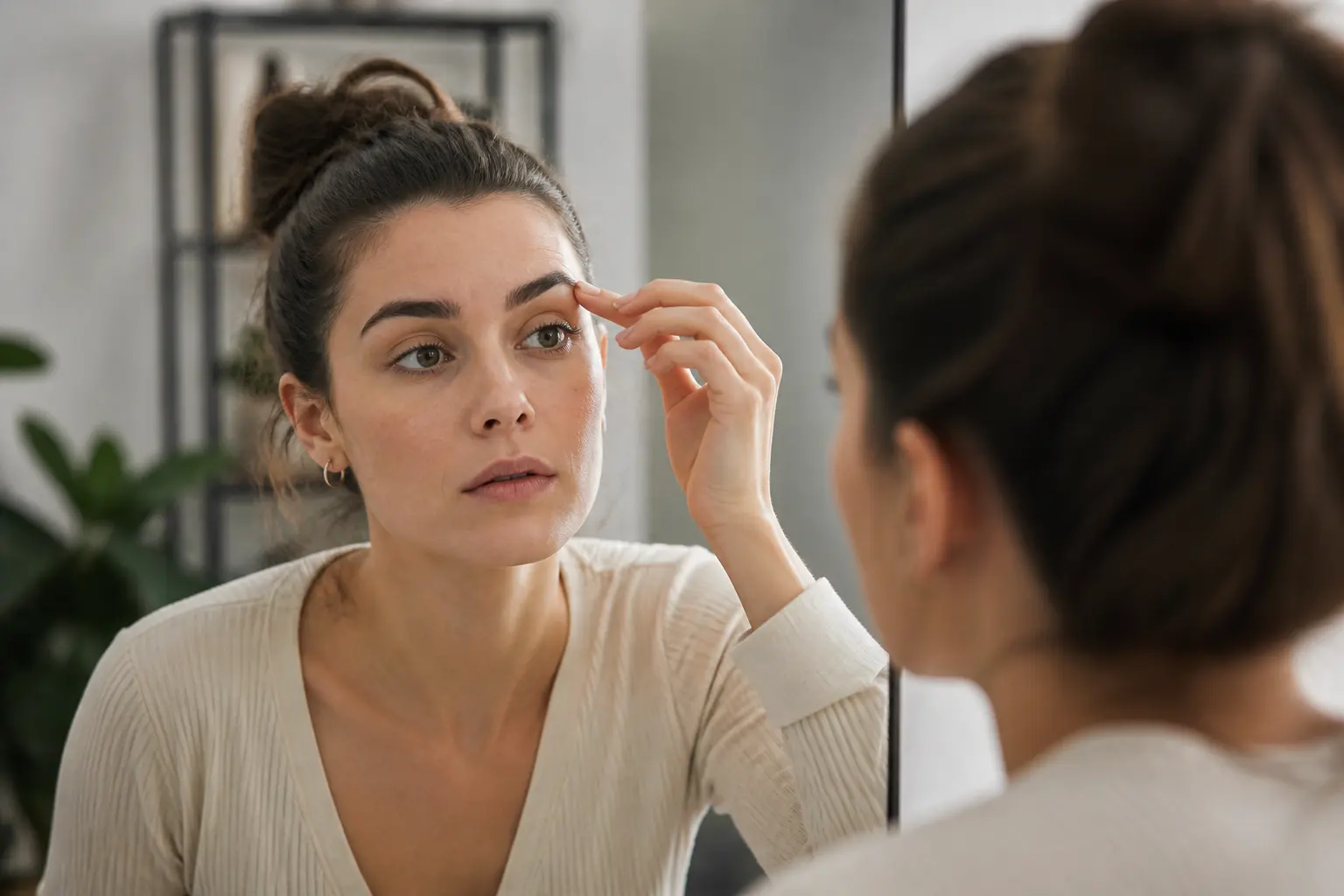
The goal is not for brows to feel rigid. Still, a brow that has been guided into a new position can feel unlike your usual soft, unstyled hair. This is particularly noticeable for people with coarse, curly, wiry or downward-growing brow hairs, as the change in direction is more obvious.
It is useful to separate an unfamiliar sensation from a concern that needs professional advice. A new shape, a more lifted appearance and a different styling direction can all be part of adjusting to the result. However, if you have questions about how your brows or surrounding skin feel after your appointment, contact the studio that carried out the service rather than trying to correct it at home.
At BeCammo · Sliema · Swieqi
Eyebrow threading in Malta
Same client, before and after threading.
Clean, natural brows shaped to your face, at our salons in Sliema and Swieqi. Threading is what BeCammo was built on.
- from €16price
- Sliema · Swieqiwhere
- ★ 5.0460+ Google reviews
Does your brow makeup routine need a reset?
One of the biggest adjustments after lamination is realising that the products and techniques you used before may no longer suit the same way. This is not a problem with your routine; it is a sign that your brows are now sitting differently.
You may need less product
Because laminated hairs can create more visual coverage, filling every area with pencil, powder or pomade may make the brow look heavier than intended. Try starting with less product than usual. Stand back from the mirror, look at both brows together and add only where you genuinely want extra definition.
For example, someone who previously used pencil across the entire brow may find that they only want a few light strokes at the tail after lamination. Another person may prefer no brow makeup at all for a while, especially if they enjoy the naturally brushed-up effect.
Your old outline may no longer match
If you normally draw a precise lower edge or a sharply angled arch, that outline may sit differently beneath lifted hairs. Instead of forcing the laminated brow back into the old shape, use the new hair placement as your guide. A softer touch often lets the result look more balanced.
Brushing becomes part of the finish
A clean spoolie can be more helpful than adding more colour. Gentle brushing can help you place hairs in the direction discussed at your appointment. Avoid overworking them or repeatedly changing their direction. Your brows are designed to look intentional, not overly styled.
Why can laminated brows look more dramatic in certain lighting?
Bathroom mirrors, daylight, phone cameras and evening lighting do not show brows in exactly the same way. Lifted hairs can catch light differently from flat hairs, so you may notice extra texture or a fuller outline when you take a close-up photo.
This does not mean the brow is too large or too dark. It may simply be the first time you are seeing the full direction and length of your brow hairs. Give yourself the chance to see the result in your normal day-to-day settings before deciding whether it is right for you.
Photos can also exaggerate small asymmetries. Natural brows are sisters rather than identical twins: each side may have a different density, growth direction or arch. Lamination can make those individual characteristics more visible because it organises the hairs instead of concealing them beneath a uniform makeup shape.
Do different brow types experience the change differently?
A personalised approach matters because there is no single ‘ideal’ laminated brow. The same styling direction will not suit every hair texture, density or facial preference.
Sparse or over-plucked brows
Lamination may help existing hairs look more evenly distributed by guiding them across areas that appear less dense. It cannot create new hairs where there are none, and it should not be presented as a replacement for an individual assessment of brow growth. The key is to use the available hair thoughtfully and avoid a shape that feels forced.
Full or coarse brows
People with naturally full brows may notice the strongest visual change. When longer or coarser hairs are lifted, the brow can appear much more prominent than it does in its unstyled state. A consultation is the time to say whether you prefer a noticeably fluffy finish or something more polished and restrained.
Fine or fair brow hairs
Fine hairs may look airier and softer after lamination. Fair hairs can show their texture more clearly when brushed up, but the overall definition will still depend on their natural colour, density and the styling plan. If colour is part of your brow goals, discuss the options and timing with your brow professional instead of assuming every service combination suits every person.
Uneven growth directions
Brows with a swirl, a downward tail or hairs that cross one another can feel especially different after lamination. The point is not to erase every natural characteristic. It is to work with the pattern where possible and make the brow easier to style in a way that feels like you.
How can you get used to the result?
A new brow direction can change the balance of your face in a subtle but meaningful way. If you have worn the same brow shape for years, even a flattering, well-planned result may feel unfamiliar on day one. That is an adjustment in perception, not necessarily a sign that something has gone wrong.
Before judging the result, try these practical steps:
- Look at your brows from a normal speaking distance, not only in a magnifying mirror.
- See them in daylight as well as your usual indoor lighting.
- Wear your everyday makeup once you are able to return to your normal routine in line with the aftercare advice you received.
- Notice how the brows work with your glasses, fringe, hairstyle and usual expression.
- Take a simple photo after you have had time to settle into the look, rather than relying only on an immediate close-up.
This gives you a more useful basis for planning your next appointment. You may decide you like a stronger lift, a softer direction, less emphasis through the arch or a more natural tail. Those preferences are valuable information for future brow design.
Should you trim laminated brows at home?
When freshly laminated hairs appear longer or more visible, it can be tempting to reach for scissors or tweezers. Pausing is usually the more sensible choice. Trimming or removing hairs on impulse can alter the shape and leave fewer options for later styling.
If something about the result is not what you expected, take clear photos in natural light and get in touch with your brow professional. Explain what feels different: perhaps the lift looks stronger than your normal preference, the front feels too brushed up for your style, or you are unsure how to place a particular section. Specific feedback is far more useful than attempting a home correction.
The same principle applies to copying a trend from social media. A dramatic, straight-up brow may suit one person’s hair pattern and taste but not another’s. A good brow routine should support your features and comfort, rather than ask you to fit a single template.
How should you discuss preferences before the next appointment?
The best lamination result is a collaborative one. Bring up your usual brow habits before the service starts. Do you wear brow gel every day? Do you prefer a soft makeup look? Are you happy with visible texture, or do you want a tidier direction? Do certain hairs always resist styling?
You can also describe your preferences in practical terms:
- “I like fullness, but I do not want the front hairs standing very high.”
- “I want my tail to look tidier while keeping the overall shape natural.”
- “I wear glasses daily, so I would like to see how the lift works with my frames.”
- “I usually fill my brows lightly and do not want to change my makeup routine too much.”
- “My hairs grow in different directions and I would like easier day-to-day brushing.”
These details help make the design personal. At BeCammo, brow services are approached with attention to individual hair patterns and the many ethnicities and brow types found in Malta’s international community. There is no need to pursue an identical result to someone else’s brows.
When should you ask the studio for guidance?
It is always appropriate to ask questions after an appointment, especially when you are new to brow lamination. Reach out to the studio if you are uncertain about the aftercare steps provided, unsure whether a product fits your routine, or concerned about an unexpected reaction in the brow area. Follow the professional guidance given for your own appointment rather than relying on a generic tip online.
For future bookings, a consultation is also useful if you are considering lamination alongside another brow service, have had a previous sensitivity, or want help deciding whether lamination matches the result you have in mind. Clear communication supports a more comfortable experience and more realistic expectations.
Conclusion: different does not have to mean wrong
Freshly laminated brows can feel different because your natural hairs are now more visible, more directional and less dependent on the makeup routine you knew before. The initial adjustment may involve using less product, learning a new brushing pattern and seeing your facial features framed in a new way.
Rather than rushing to reshape or trim your brows, give yourself time to see how the result fits into everyday life. Then use what you notice to guide your next conversation with a brow professional. If you are considering brow lamination in Malta, choose an appointment that leaves room to discuss your natural hair pattern, styling preferences and the finish that feels most like you.
Frequently asked questions
Is it normal for brows to look fuller after lamination?
They can look fuller because the existing hairs are brushed and set into a more visible direction. Lamination does not add hairs, but it can change how much of each hair is seen across the brow shape.
Why do my laminated brows look unusual without makeup?
Your previous makeup may have created a familiar outline or depth. After lamination, the hair placement itself can provide more definition, so your usual makeup placement may need to be lighter or adjusted.
Will my brows stay brushed straight up after brow lamination?
The final direction should be discussed with your brow professional. A lifted effect does not have to mean every hair is styled vertically. The finish can be adapted to your natural growth pattern and preferred look.
Can I trim brow hairs that look longer after lamination?
It is best not to trim them yourself immediately after noticing a change. Contact your brow professional if you are unhappy or unsure. Home trimming can affect the shape and make future styling more difficult.
What should I tell my brow artist before my next lamination?
Explain what you liked and what felt unfamiliar. Mention your daily makeup habits, preferred level of lift, any areas you would like softer and how easily your brow hairs usually stay in place. Specific feedback helps personalise the next result.