Can You Have Eyebrow Threading and Brow Lamination in the Same Week?
Brenda Cammo Team
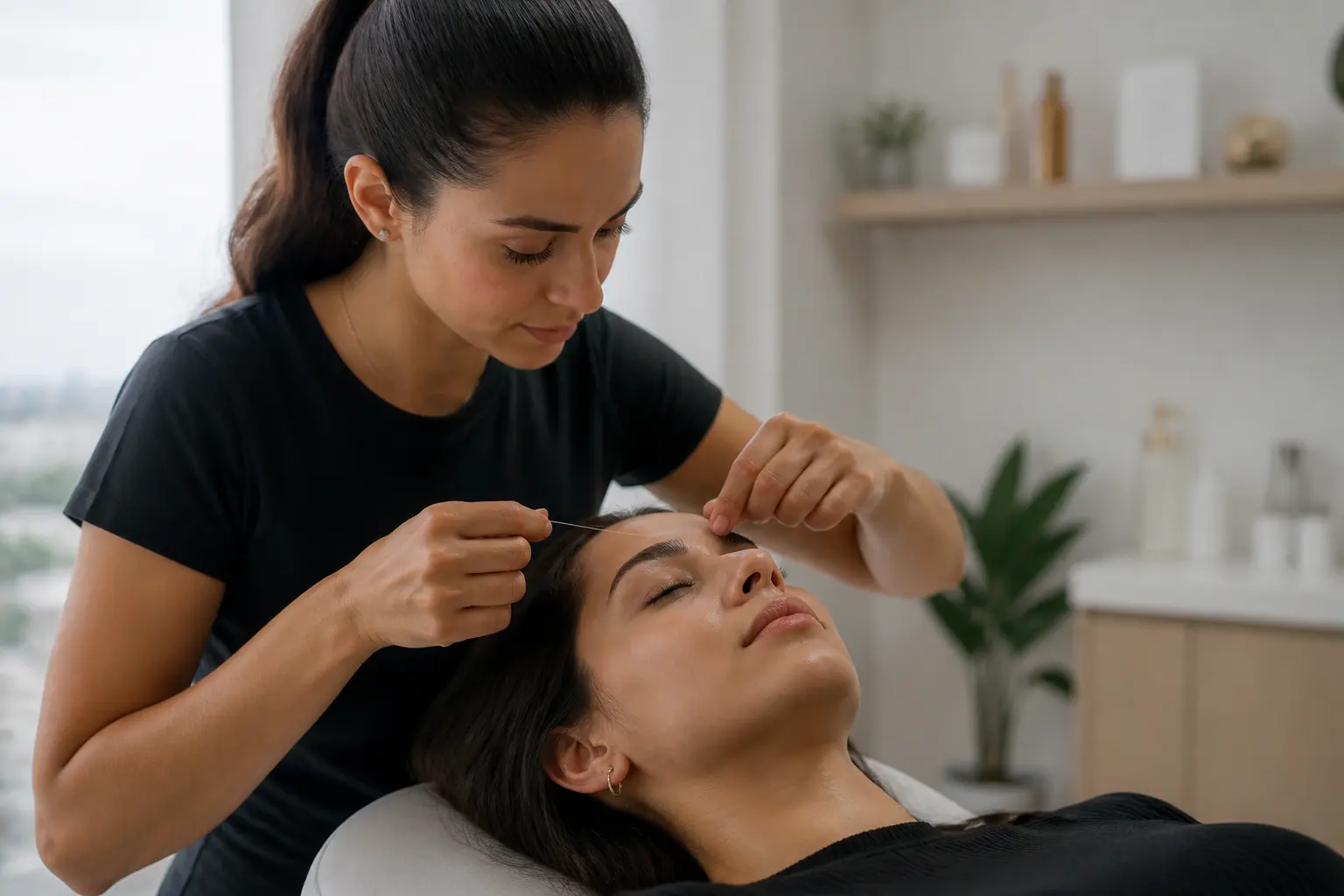
Yes, it is often possible to have eyebrow threading and brow lamination in the same week. In many cases, they can even be planned as part of one brow appointment. The key is not simply fitting two services into your diary: it is making sure the order, your skin condition and your natural brow hairs are suitable for the result you want.
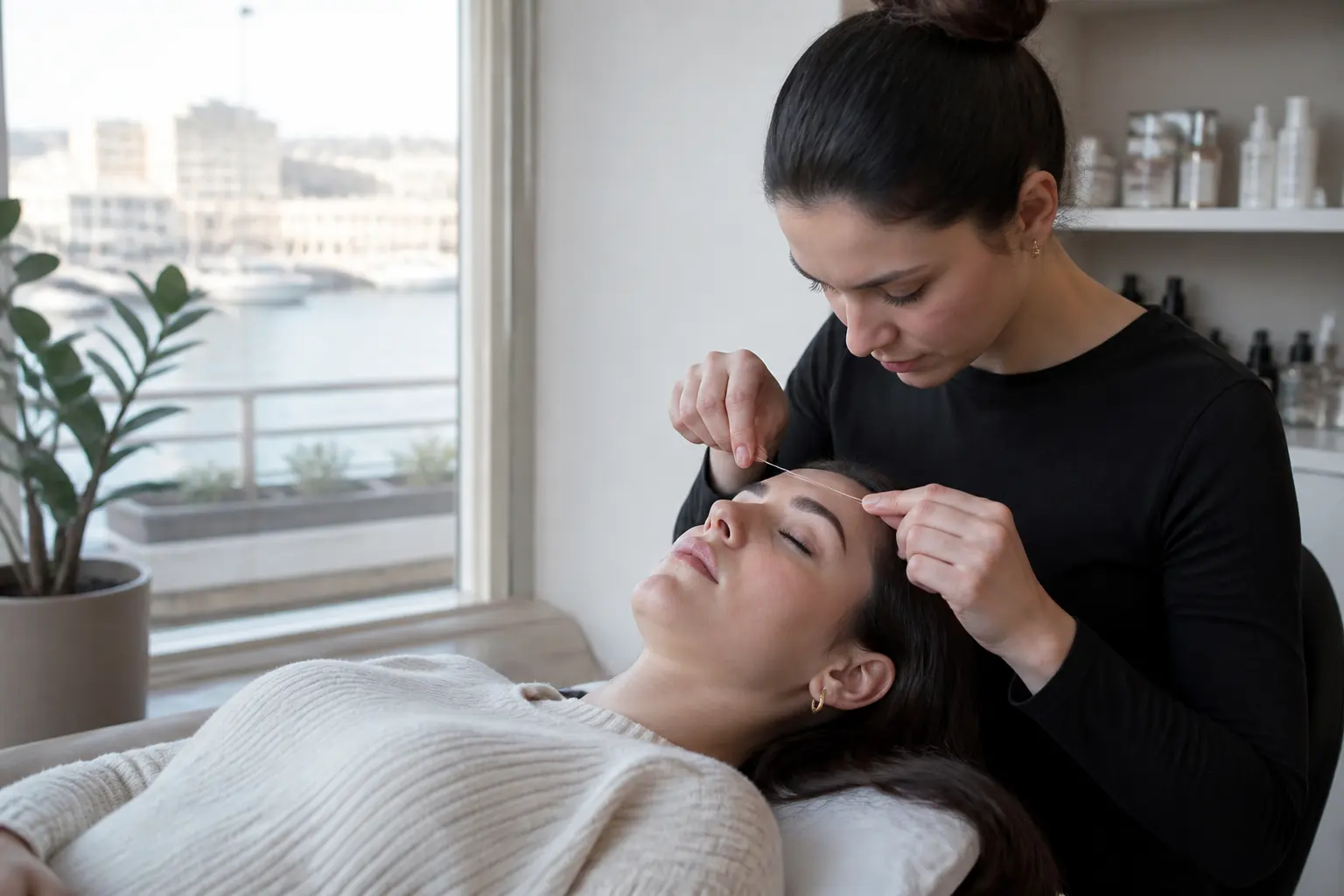
Threading creates a cleaner outline by removing unwanted hairs around the brow shape. Brow lamination focuses on the hairs that remain, helping them sit in a more lifted, brushed-up direction. Used thoughtfully, the two services can complement each other: one refines the perimeter and the other changes how the brow hairs are styled.
However, there is no one-size-fits-all booking rule. Sensitive skin, recent exfoliation, active irritation, very dry brow hairs and previous reactions to brow products can all affect whether the services should be done together or spaced out. A professional assessment before the appointment is the sensible starting point.
How threading and brow lamination work together
Although both appointments focus on eyebrows, they do different jobs.
- Eyebrow threading uses a fine thread to remove unwanted hair and clarify the shape around the brow.
- Brow lamination guides the natural brow hairs into a chosen direction, often creating a fuller, more lifted and more uniform appearance.
Threading does not make brow hairs grow thicker, and lamination does not create new hairs where there are gaps. Instead, they work with what is already there. Threading can make a lamination look neater by clearing the surrounding area, while lamination can help you make more of brows that have hairs growing in different directions.
This combination is especially useful for someone who likes a defined shape but does not want a heavily drawn-on finish. The finished brow can still look soft and natural because the design should follow your own hair pattern, facial proportions and preferred level of definition.
Can they be done on the same day?
For many clients, yes. If both services are suitable, threading is generally planned before brow lamination. Removing the unwanted hairs first gives the brow artist a clearer view of the shape, density and natural hair direction before styling the remaining hairs.
That order also avoids disturbing freshly laminated brow hairs with unnecessary shaping afterwards. Once the brow hairs have been set into their intended position, the aim is to leave them undisturbed and follow the aftercare guidance provided at the appointment.
Still, a same-day appointment is not automatically right for every person. A professional may suggest spacing the services if your skin looks reactive, if you have recently used strong exfoliating skincare around the brow area, or if there are signs that the brow hairs need a gentler plan.
Why the appointment order matters
The brow shape affects the final lamination result. If excess hair remains below the arch, between the brows or beyond the tail, even well-styled hairs can look less polished. Threading first means the lamination is designed around a clean, intentional outline.
It is also important that the brow is not over-shaped. Brow lamination can make each hair more visible, including the finer hairs that may have seemed insignificant before. An experienced brow artist will consider which hairs support balance and fullness rather than removing hair simply because it sits slightly outside a narrow template.
When it may be better to space the appointments apart
Having threading and brow lamination in the same week does not have to mean having them on the same day. Sometimes leaving a little time between them is the more comfortable choice.
You may be advised to separate the appointments if:
- the skin around your brows is already red, sore or irritated;
- you have had a recent reaction to a brow product or cosmetic service;
- you have used exfoliating acids, retinoid skincare or another active product close to the brow area and your skin feels sensitive;
- you have sunburn, broken skin or another visible skin concern around the brows;
- your natural brow hairs feel dry, fragile or have recently had several chemical styling services;
- you are uncertain about the brow shape you want and would prefer to settle the design before changing the hair direction.
Spacing does not mean you cannot enjoy both services. It simply gives the brow artist room to tailor the plan to what your skin and hairs need at that time.
What to tell your brow artist before booking
A useful brow consultation is not only about choosing between a fluffy or more refined finish. It should also cover anything that could influence comfort, skin response or aftercare.
Before your appointment, let your brow artist know if you:
- have had brow lamination before and how your skin and hairs responded;
- have experienced sensitivity after threading, waxing, tinting or cosmetics in the brow area;
- are using strong skincare products around the forehead, temples or brows;
- have recently had a facial service that involved exfoliation near the brows;
- have filled in sparse areas with brow make-up and want to keep a particular shape;
- are preparing for a holiday, wedding, photoshoot or another occasion with a fixed date.
Bring reference images only as a starting point. A brow shape that suits one person may not suit another because hair density, growth direction, facial features and personal style all differ. The most flattering result is usually a personalised version of the look you like, rather than an exact copy.
How to plan the combination before a special occasion
If you are booking threading and brow lamination for an event, avoid leaving your first-ever lamination appointment until the last possible moment. New services are best planned with enough flexibility for an individual assessment and for you to become familiar with the look and aftercare routine.
For a regular client who already knows how their brows respond, a same-week plan may be straightforward. For someone trying lamination for the first time, it can be more reassuring to book ahead of the occasion rather than relying on a last-minute change.
Think about the look you want in photographs as well. Brow lamination can create a lifted, textured effect, but it can be styled more softly or more visibly depending on the direction and density of your natural hairs. Tell your brow artist whether you prefer a tidy everyday brow, a fuller brushed-up style or a more structured finish.
How to prepare for threading and brow lamination
Preparation is usually simple, but it makes a difference. Arrive with the brow area clean where possible and avoid trying to reshape your brows at home immediately beforehand. Removing hairs yourself can make it harder to assess the natural line and may lead to unevenness that requires time to grow out.
It is also sensible to keep your brow artist informed about any recent skincare or facial appointments. Products that are comfortable on most of the face can still make the brow area feel more reactive for some people. Rather than guessing, explain your routine and ask what preparation is appropriate for your booking.
If you wear brow pencil, pomade, gel or concealer daily, you do not need to abandon your usual style permanently. The point of lamination is often to simplify your routine or give your brows a more organised base. A brow artist can show you how to brush and lightly enhance the result without weighing the hairs down.
Aftercare when you have both services
Aftercare should follow the guidance given for your individual appointment. Because brow lamination styles the existing hairs into a new direction, avoid treating the result as something to rub, reshape repeatedly or overload with products straight away.
In practical terms, it helps to:
- keep hands away from the brow area as much as possible after the service;
- follow the timing and product guidance provided by your brow artist before getting the brows wet or applying make-up;
- avoid adding new skincare or brow products immediately after the appointment;
- brush the brow hairs gently in the recommended direction once you have been advised it is appropriate;
- contact the studio if you have concerns about irritation or are unsure how to care for the result.
Threading can leave the surrounding skin temporarily looking pink, particularly if you have sensitive skin. This is one reason an appointment should be planned around your individual needs rather than copied from a friend’s schedule. The aim is a well-designed brow and a comfortable experience, not rushing through every possible service at once.
Will threading make laminated brows look too thin?
Not when the design is approached with restraint. Threading should not mean taking away every fine hair around the brow. Those hairs can contribute to a softer, fuller outline, particularly after lamination makes the brow texture more noticeable.
A good design balances neatness with preservation. This matters for naturally sparse brows, brows that have been over-plucked in the past and brows with uneven growth across the front, arch or tail. The goal is to work with the brow you have today while allowing room for future maintenance and growth.
If you are growing your brows out, say so clearly. Your brow artist can focus on removing only the hairs that disrupt the shape while protecting areas you want to fill in over time. Lamination may still be useful during this stage because it can help existing hairs sit in a way that makes the overall brow look more balanced.
How often should you combine the services?
The right maintenance rhythm is personal. Threading frequency depends on how quickly you notice regrowth and how defined you like the outline to be. Brow lamination has its own maintenance considerations because it involves styling the brow hairs rather than removing them.
Rather than automatically booking both services every time, look at what your brows need. Some people may want regular shape maintenance and only occasional lamination. Others may prefer lamination as part of their beauty routine while booking threading when the outline begins to lose definition.
Your brow artist can help you build a routine that reflects your hair growth, the condition of your brows and the style you want to maintain. That approach is more useful than following a fixed schedule that may not suit your brows.
Choosing the right service plan in Malta
At Becammo, brow services are approached as personalised design rather than a single standard shape. Threading can refine the outline using a single-use thread, while brow lamination can help guide the natural hairs into a fuller-looking, brushed-up style. The combination should be chosen after considering your brow density, hair direction, skin condition and everyday preferences.
If you are deciding whether to have both services in the same week, book the brow lamination service and explain that you are also considering threading. This gives the studio an opportunity to guide the booking plan and ensure the appointment suits your needs.
Frequently asked questions
Can I have eyebrow threading and brow lamination in the same week?
Yes, many people can. They may be carried out in the same appointment or on separate days within the same week, depending on your skin, brow hair condition and professional assessment.
Should threading be done before or after brow lamination?
When both services are planned together, threading is generally done first so the brow shape is refined before the natural hairs are styled into place.
Can I have brow lamination if my eyebrows are sparse?
It may be an option because lamination works with the hairs you have and can help guide them into a more balanced direction. Whether it suits you depends on the condition, distribution and direction of your natural brow hairs.
Will my skin be red after threading?
Some people experience temporary pinkness or sensitivity around the threaded area. The response varies, so mention sensitive skin and plan ahead if you are preparing for an occasion.
Can I reshape my brows at home before my appointment?
It is usually better not to. Leaving the brows as they are gives your brow artist the clearest view of your natural growth pattern and makes it easier to create an even, considered design.
What if I am unsure whether to book both services?
Start with a conversation about your brow goals, skincare routine and previous reactions. A personalised assessment can clarify whether a combined appointment, separate bookings or a simpler brow plan is the best fit.
Threading and brow lamination can be an effective pairing when they are planned around your individual brows rather than treated as a fixed formula. If you would like a cleaner outline alongside a lifted, brushed-up finish, the next step is to book a brow lamination appointment and discuss your threading needs with the studio.