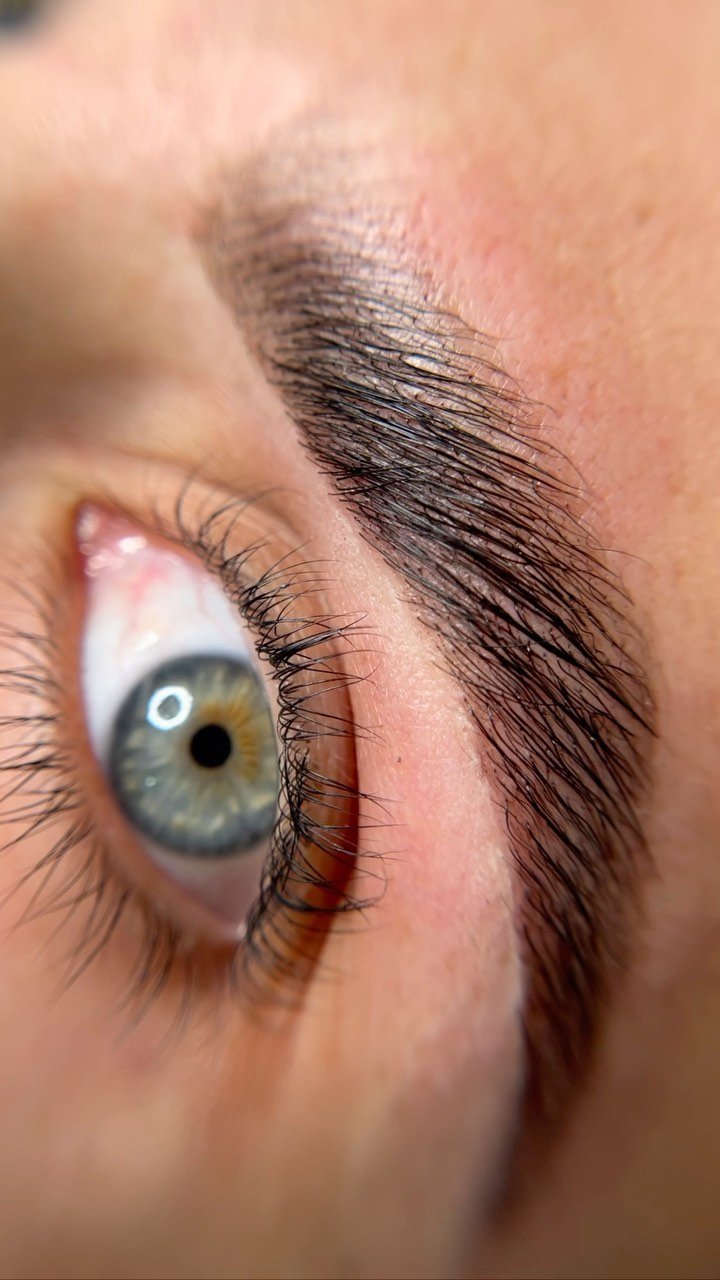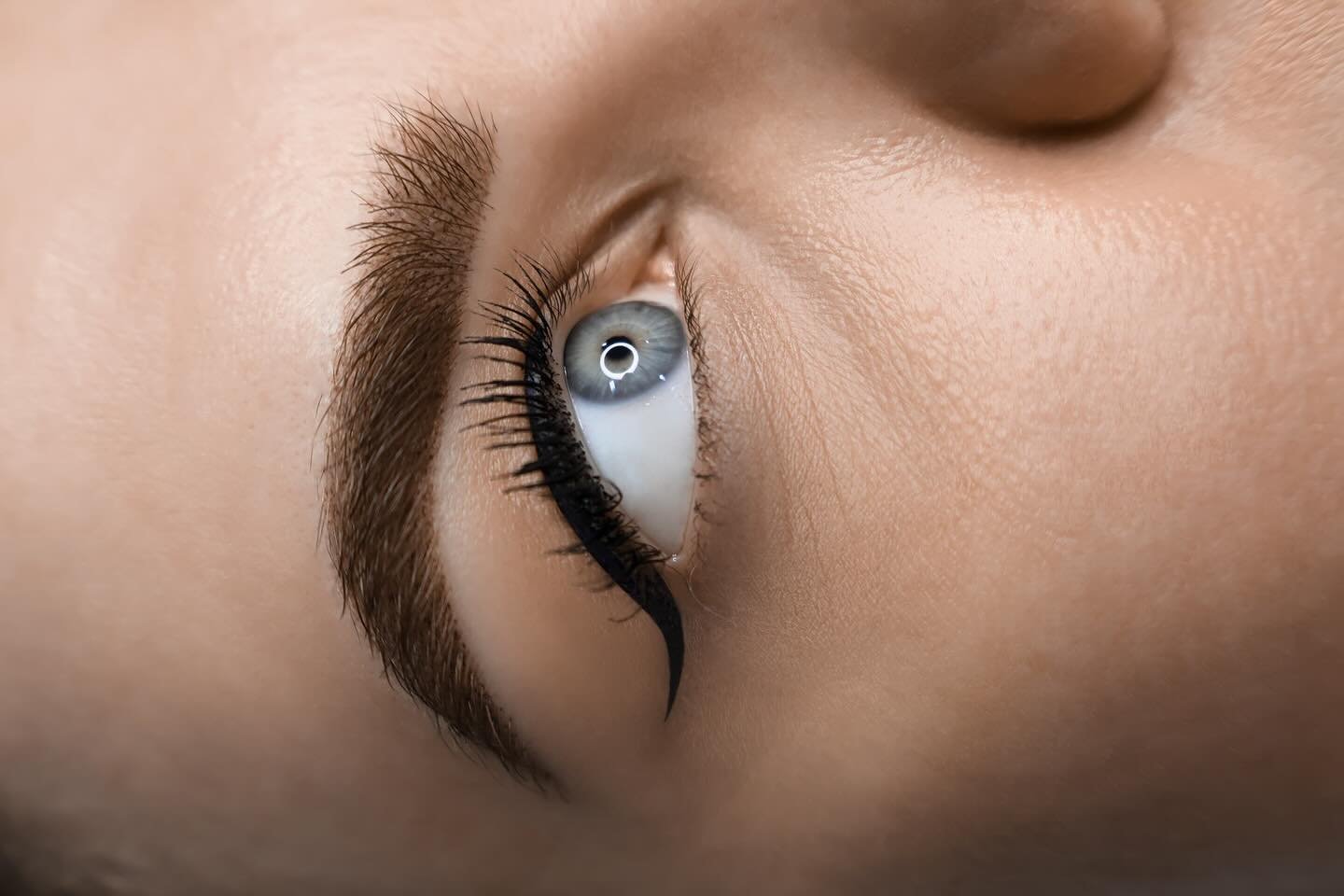
Threading usually comes first, then henna or tint. Shaping the brow before colour lets the colour follow the finished outline instead of hairs that are about to be removed. Tint is generally chosen to deepen natural brow hairs, while henna is often picked for more noticeable definition where brows look sparse.
When you want brows that look tidy, balanced and softly defined, the order of your appointment matters. The usual starting point is simple: threading comes before henna or tint. First, the brow shape is mapped and refined; then colour can be applied to suit the finished shape rather than the hairs that were there at the beginning of the session.
That does not mean every brow routine has to look the same. Some people want a subtle tint that deepens their natural brow hairs, while others prefer henna for a more noticeable outline. Some are growing out sparse or over-plucked areas and need a particularly careful approach to shaping. The most useful routine is the one that respects your natural growth, skin condition, preferred level of definition and maintenance schedule.
This guide explains why threading usually comes first, what changes between henna and tint, how to prepare for a combined brow appointment and when it may be better to separate your services.
Which comes first: threading or brow colour?
For most people, the ideal order is:
- Consultation and brow assessment
- Mapping and threading
- Henna or tint application
- Final check and personalised aftercare advice
Threading removes the hairs that sit outside the intended brow shape. Once this is done, the brow artist can see the clean outline more clearly and apply colour with greater precision. If colour is applied before shaping, some of the tinted hairs may be removed during the threading stage, and the final result can look less considered.
Starting with shape is especially helpful when your brows are uneven, when one arch grows differently from the other, or when you are trying to create definition without making the brows look overly heavy. The goal is not to force identical brows. Brows are naturally sisters rather than twins, and a thoughtful design works with those small differences while creating overall balance.
Why should threading happen before henna or tint?
A clean shape gives colour a clearer framework
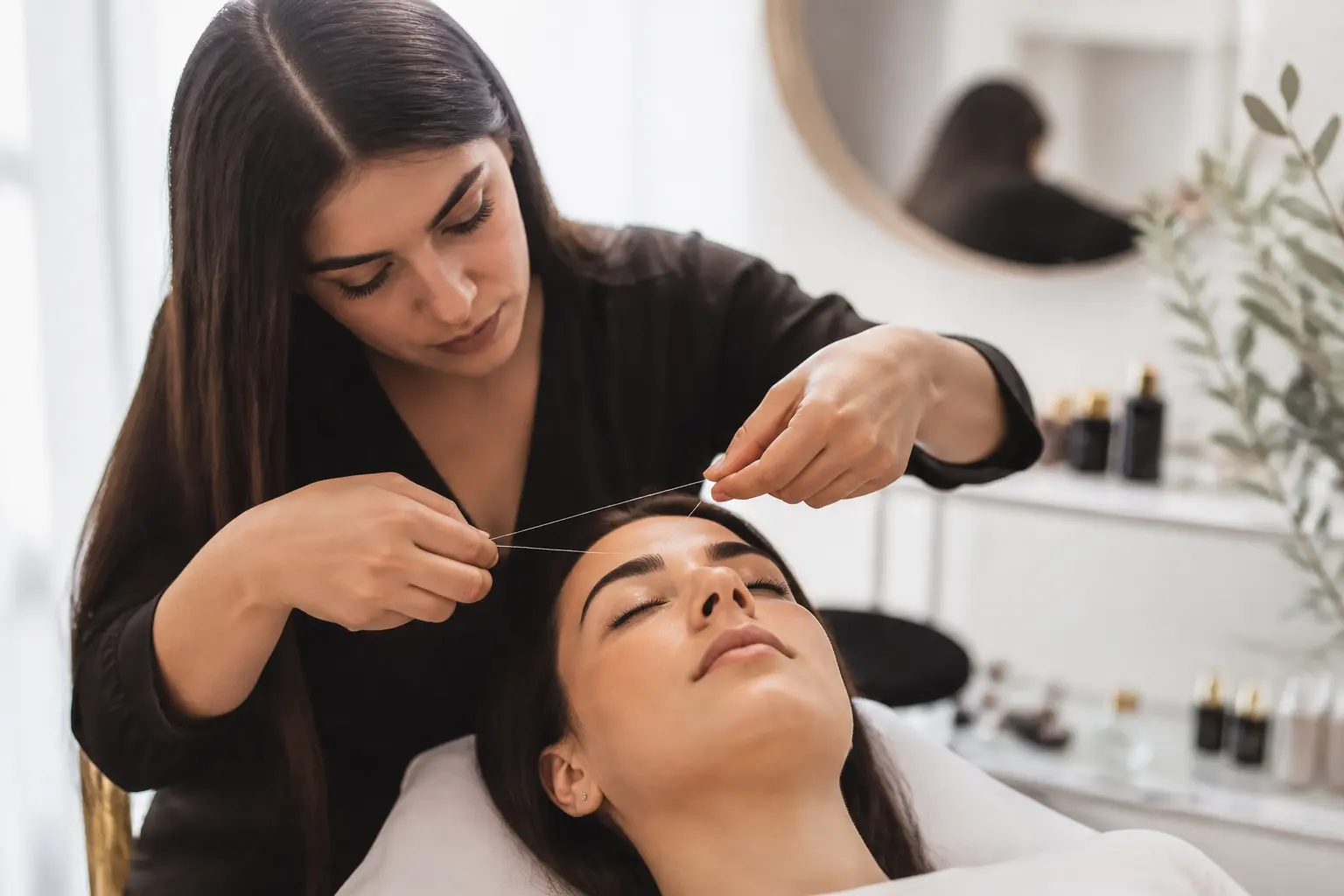
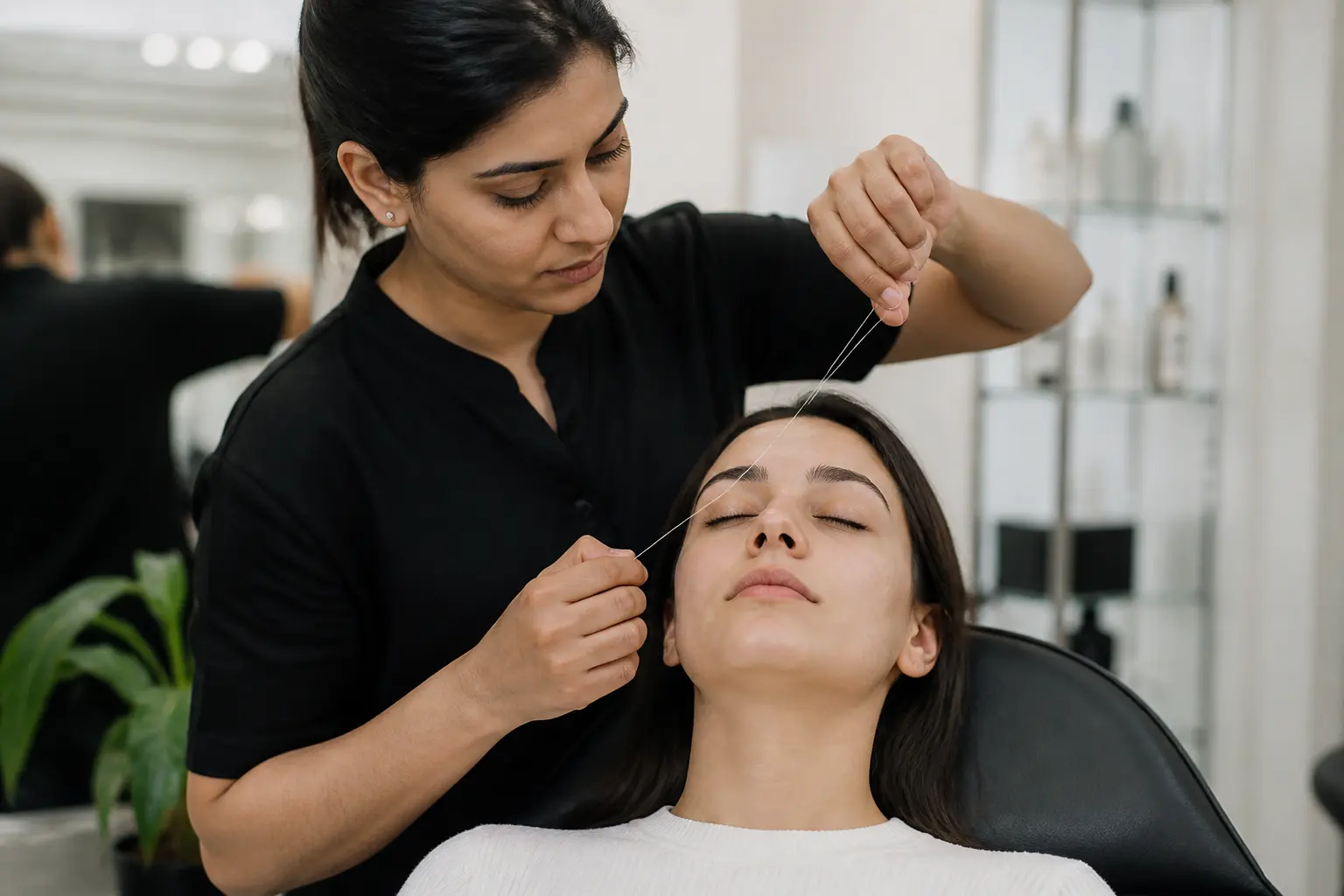
Threading uses a twisted thread to remove unwanted hairs with precision. After the outline has been refined, colour can be placed in a way that supports the brow’s new structure. This helps the final effect look intentional: soft where you want softness, and more defined where the brow naturally needs support.
For example, a person with a full front section but a lighter tail may not need the same depth of colour across the whole brow. Once the shape is visible, the colour choice and application can be adapted to the actual brow rather than a rough starting point.
It avoids colouring hairs that will be removed
Applying henna or tint before threading can mean colouring fine hairs above, below or between the brows that are about to be taken away. This is inefficient, but it can also make it harder to judge the cleanest final outline. Threading first keeps the colour stage focused on the hairs and shape you intend to keep.
It supports a more personalised result
Colour is not a one-size-fits-all step. Skin tone, natural hair colour, brow density, existing brow colour and the level of definition you enjoy all matter. Once threading has clarified the design, your brow artist has a better basis for choosing a finish that feels natural to you.
This is particularly important for an international clientele with varied brow textures, hair colours and skin tones. A good brow routine should not rely on a single “ideal” brow shape or shade. It should be adapted to your individual features and the way your brows grow.
At BeCammo · Sliema · Swieqi
Eyebrow threading in Malta
Same client, before and after threading.
Clean, natural brows shaped to your face, at our salons in Sliema and Swieqi. Threading is what BeCammo was built on.
- from €16price
- Sliema · Swieqiwhere
- ★ 5.0460+ Google reviews
Henna and tint: what changes after threading?
Both services can add definition after threading, but they create it in different ways. Understanding the difference helps you book the combination that matches your everyday routine.
Threading followed by brow tint
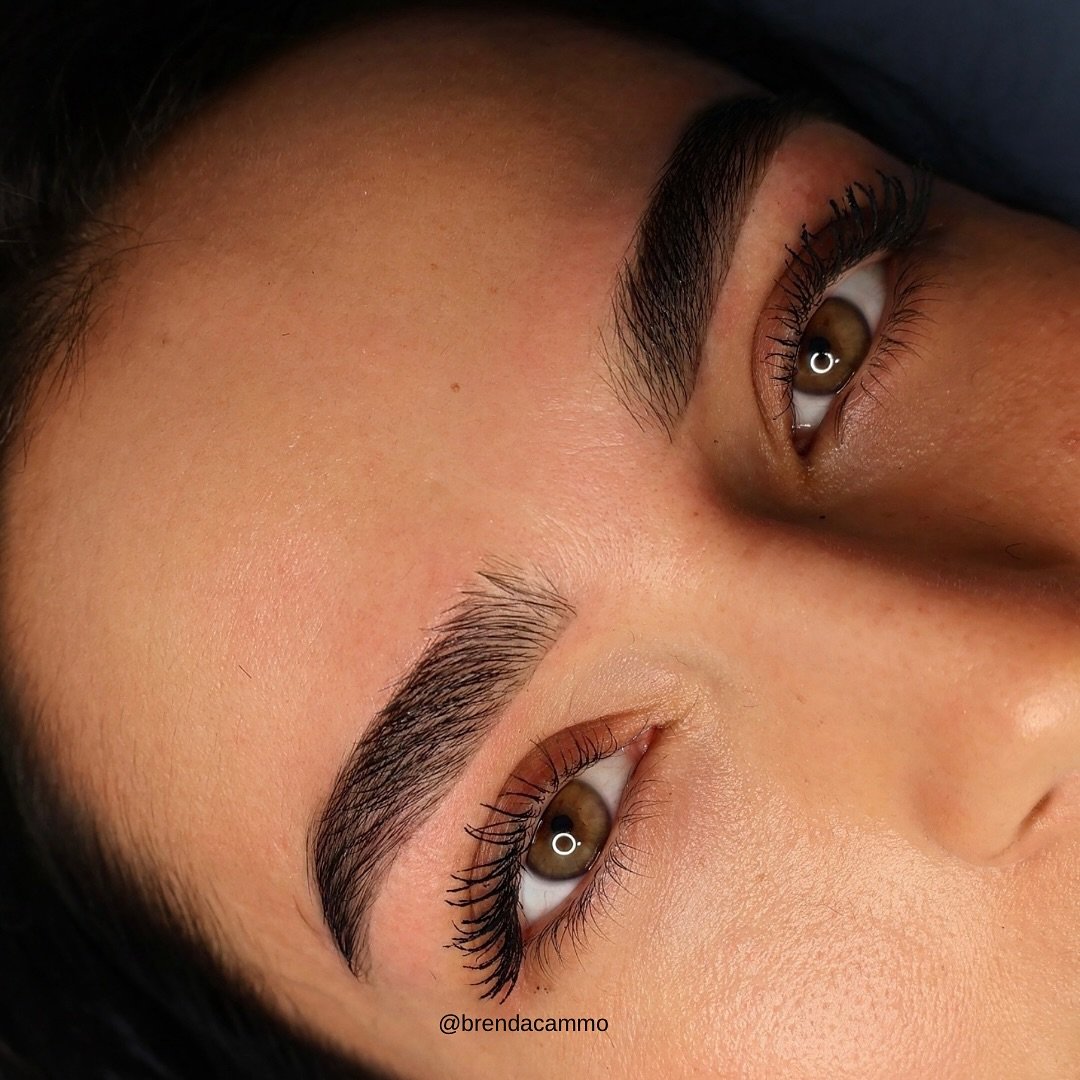
A brow tint is generally chosen when you want to deepen or enhance the appearance of your natural brow hairs. It can be a practical option if your brows are already reasonably full but look lighter at the ends, have sun-faded hair colour or need a little more contrast against your complexion.
After threading, tint can help the finished shape read more clearly without changing the overall character of your brows. It often suits people who want a refined, low-effort everyday finish and are comfortable seeing their natural hair pattern remain visible.
Threading followed by henna
Henna is often considered by people who want a more noticeable sense of definition, particularly where brows appear sparse or where the outline needs visual support. The exact finish depends on the individual brow, skin, chosen shade and application approach.
Because henna can create a more structured impression, threading beforehand is especially useful. A cleanly mapped shape gives the colour a boundary to follow, helping the finished brow look balanced rather than overly broad or disconnected from the natural hair growth.
How to choose between them
You do not need to decide only by looking at a photo online. Think about what you want your brows to do for you day to day:
- Choose a tint if you mainly want your existing brow hairs to look richer and more visible.
- Consider henna if you want stronger definition around areas that look less dense.
- Prioritise threading on its own if you are growing your brows out and want to keep the shape tidy without adding colour at every appointment.
- Ask for an assessment if you are unsure, have recently changed your brow routine or want to achieve a different look for an occasion.
The best choice is not automatically the darkest or most dramatic one. It is the option that gives you a finish you can comfortably maintain and recognise as your own.
What happens during a threading and colour appointment?
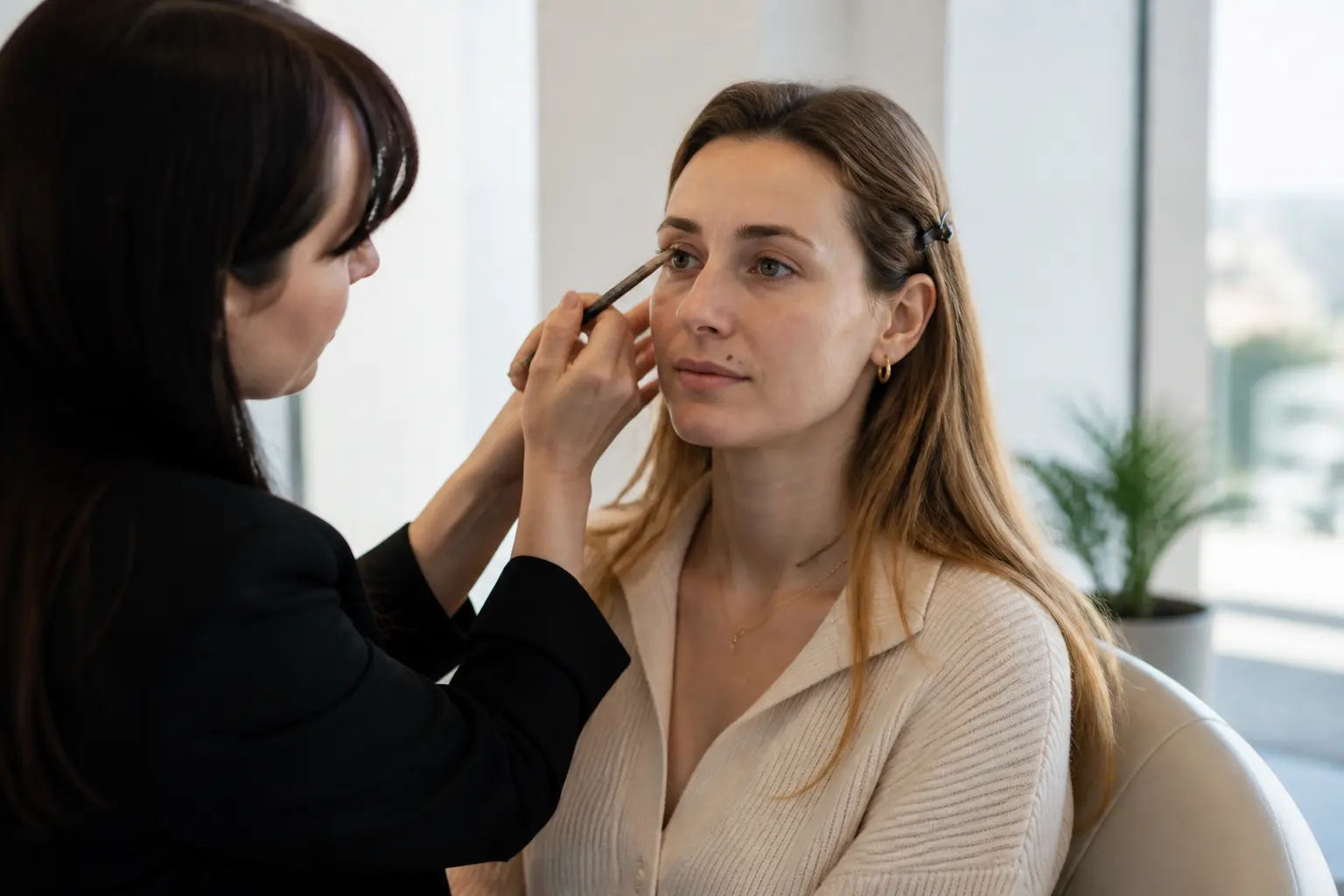
A combined threading and henna or tint appointment is designed to build the result in the right order. While individual approaches vary, the session generally begins by discussing your preferences and assessing your starting point.
1. Discussing your brow goals
Before any hair removal or colour application, explain what you like and what you do not like about your current brows. You may want to keep them full, soften a sharp arch, create a clearer tail or simply remove regrowth while maintaining the existing design.
It also helps to say whether you normally fill in your brows with makeup, whether you prefer a polished or barely-there finish, and whether you have had an unexpected colour result elsewhere in the past. Clear information supports a more personalised service.
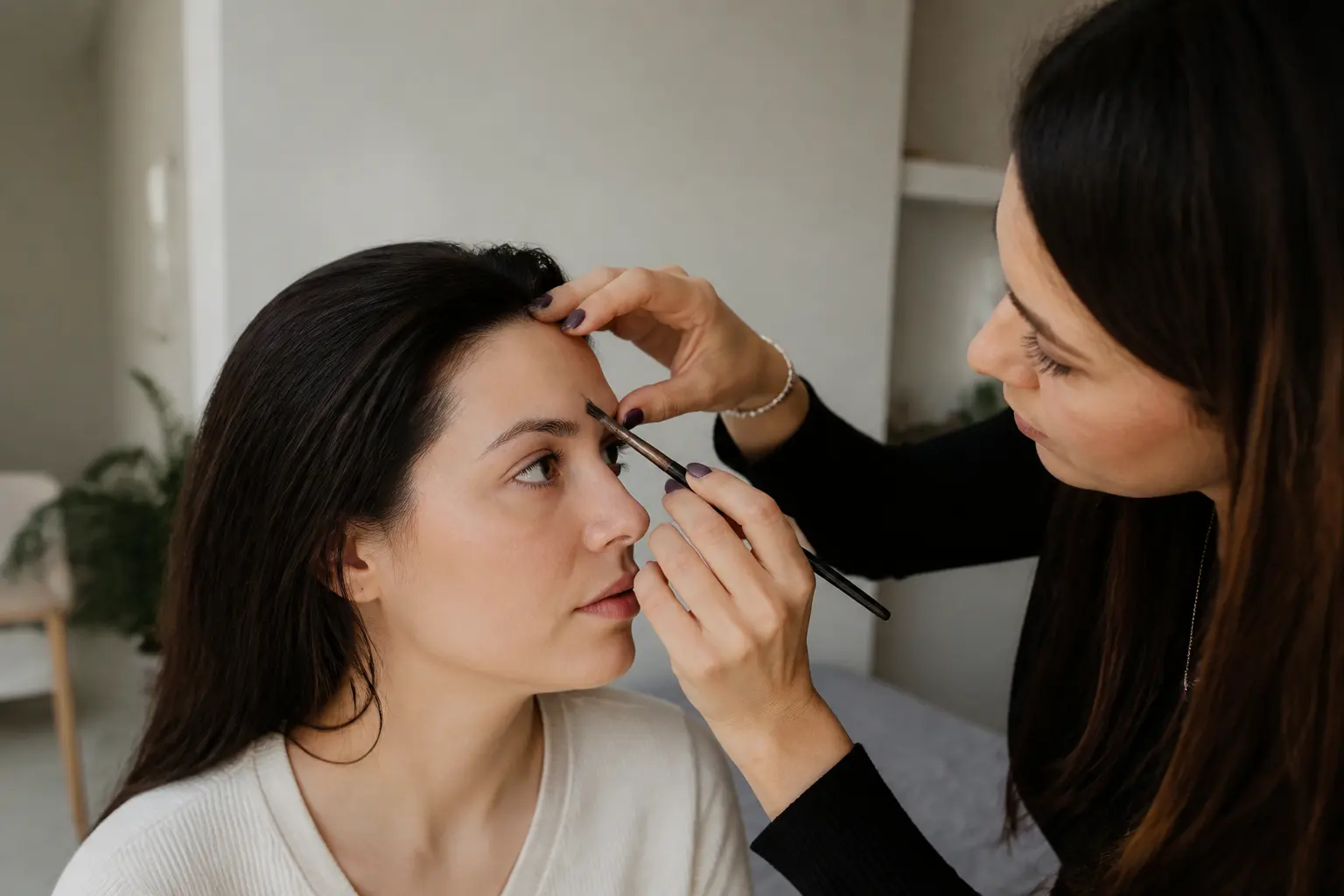
2. Mapping the shape
Mapping creates a guide for the brow design. It considers natural brow placement, facial proportions, existing density and your preferred style. Mapping is not about making both brows mechanically identical; it is a way to make thoughtful choices before hair is removed.
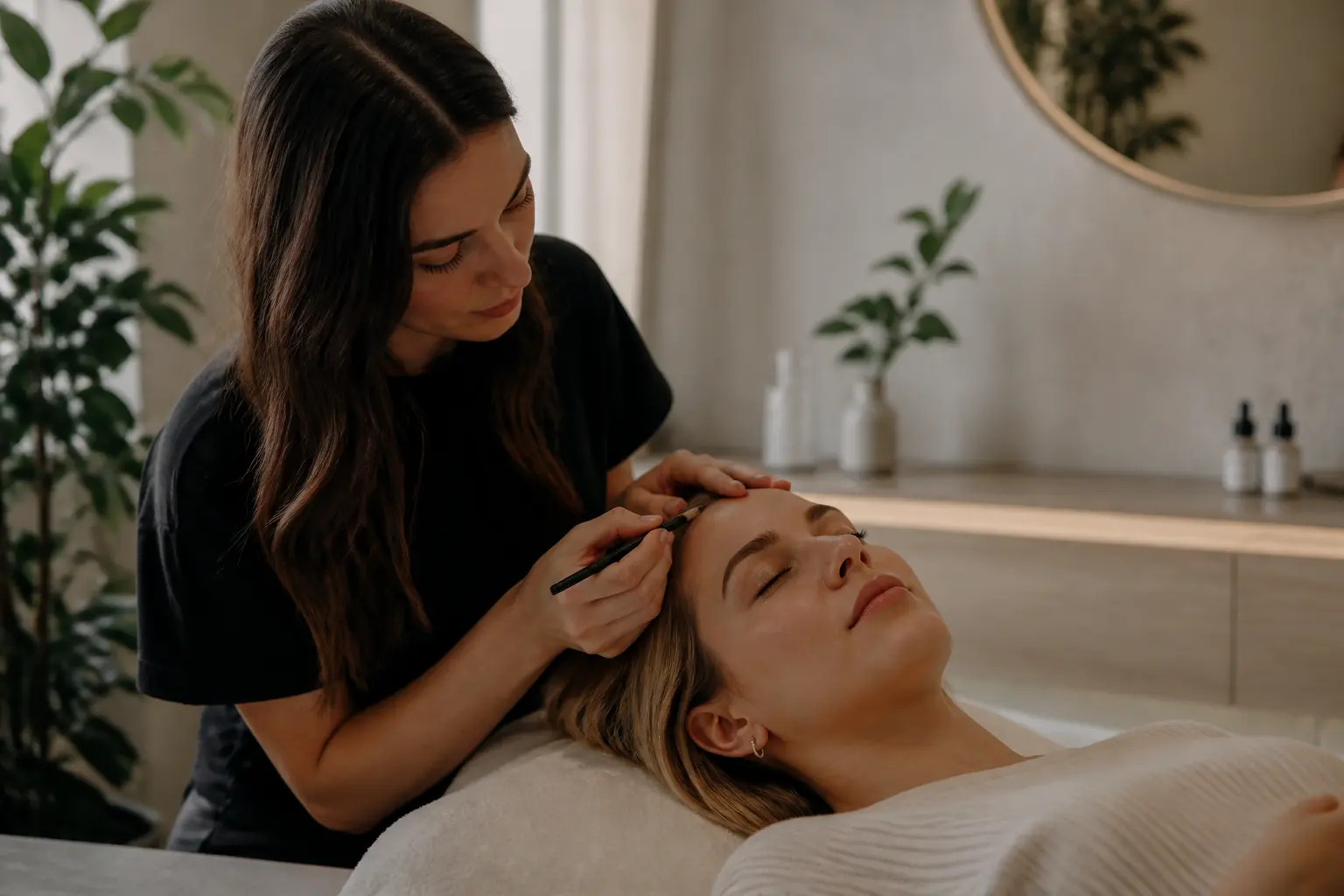
3. Threading the outline
Threading then removes hairs outside the agreed shape. At BeCammo, threading is performed with single-use thread: cotton is the standard option, while polyester may be used for clients with an allergy to cotton. As with any hair-removal method, you may experience brief, mild discomfort or temporary sensitivity, which can vary from person to person.
4. Applying henna or tint
Once the shape is clean, the chosen colour service can be applied. This is the stage where the new outline is enhanced. Your brow artist can evaluate whether the front, arch and tail need the same visual intensity, or whether a softer transition will suit your brows better.
5. Reviewing the finish
At the end of the appointment, look at the brows in natural light where possible and ask questions before leaving. This is the right moment to clarify your maintenance timing, what to avoid immediately afterwards and whether you should adjust anything at your next booking.
When might it be better to separate threading and colour?
Although threading followed by henna or tint is a common combination, it is not always necessary to do both on the same day. Separating appointments can make sense in a few situations.
You are testing a new colour direction
If you are trying brow colour for the first time, returning after a long break or changing from a very subtle finish to a more defined one, you may prefer to focus on the colour decision without also changing the shape significantly. A consultation can help you decide how gradual you want that change to be.
Your skin feels irritated or unusually reactive
If the skin around your brows is already sore, broken, sun-exposed or reacting to a product, tell the studio before your appointment. It may be more appropriate to postpone or adapt the service. Do not try to cover irritation with brow colour or remove more hairs at home in an attempt to fix the shape before booking.
You are growing out your brows
When the priority is regrowth, threading can be used selectively to remove hairs that disrupt the outline while leaving developing areas untouched. In that phase, colour may still be useful for visual definition, but it should support the growth plan rather than disguise the need for one.
You have an important event close by
If you have not had henna or tint before, avoid making your first colour appointment immediately before a major event. Booking with time to observe how the chosen finish feels in your routine allows for a more relaxed decision next time.
How should you prepare for threading with henna or tint?
A little preparation helps your appointment run smoothly and makes it easier to get a result that suits you.
- Let your brow hair grow enough to assess. Avoid last-minute tweezing, especially if you are trying to improve unevenness or sparse areas.
- Arrive without heavy brow makeup where possible. This makes it easier to see your natural density and colour.
- Share relevant sensitivities. Tell your brow artist about known allergies, recent reactions and products you have used around the eye area.
- Bring reference images carefully. Images can help communicate a mood or level of definition, but the final design should be adjusted to your own brow growth and features.
- Be realistic about maintenance. Colour and shape change as hair grows and as your routine continues, so plan for upkeep rather than expecting one appointment to solve every brow concern indefinitely.
What aftercare do brows need after threading and colour?
After threading and colour, your brow area may feel temporarily sensitive. Follow the personalised guidance given at the appointment, particularly if you have reactive skin or use active skincare products around the forehead and eye area.
In general, avoid rubbing the brow area, picking at newly threaded skin or immediately experimenting with multiple brow products. Give the area time to settle and pay attention to how your skin responds. If something does not feel right, contact the studio for guidance rather than trying to correct the result yourself.
For longer-term maintenance, many people find that regular shaping helps them keep a consistent outline while colour appointments are booked according to how much definition they prefer. Your ideal timing will depend on your natural hair growth, colour choice and personal routine.
Build a brow routine around your real starting point
The most reliable order is clear: shape with threading first, then enhance with henna or tint if you want extra definition. This sequence gives the colour a cleaner framework and gives you a better chance of leaving with brows that look polished while still feeling like yours.
If you are unsure whether tint or henna suits your current brows, start with a conversation about your natural density, growth pattern and desired finish. A professional brow assessment can help you choose a routine that is manageable, balanced and tailored to you. When you are ready, book a threading and colour appointment at the BeCammo location that is most convenient for you.
Frequently asked questions
Should I get my eyebrows threaded before tinting them?
Usually, yes. Threading first removes unwanted hairs and clarifies the final brow outline. Tint can then enhance the hairs within that finished shape.
Is henna applied before or after eyebrow threading?
Henna is generally applied after threading. This helps keep the colour focused on the brow shape you have chosen rather than on hairs that may be removed during the appointment.
Can I have threading and brow tint in the same appointment?
Yes, threading and tint are commonly combined. The suitability of the service depends on your brow goals, skin condition and any sensitivities you should discuss before the appointment.
Which gives more definition after threading: henna or tint?
Henna is often selected when someone wants a more defined brow appearance, while tint is commonly chosen to deepen the look of natural brow hairs. The right option depends on your starting brow density and preferred finish.
Should I tweeze before a threading and henna appointment?
It is usually better not to tweeze just before your appointment. Leaving the brow hair visible gives your brow artist more information for mapping and shaping, particularly if you are trying to correct uneven growth.