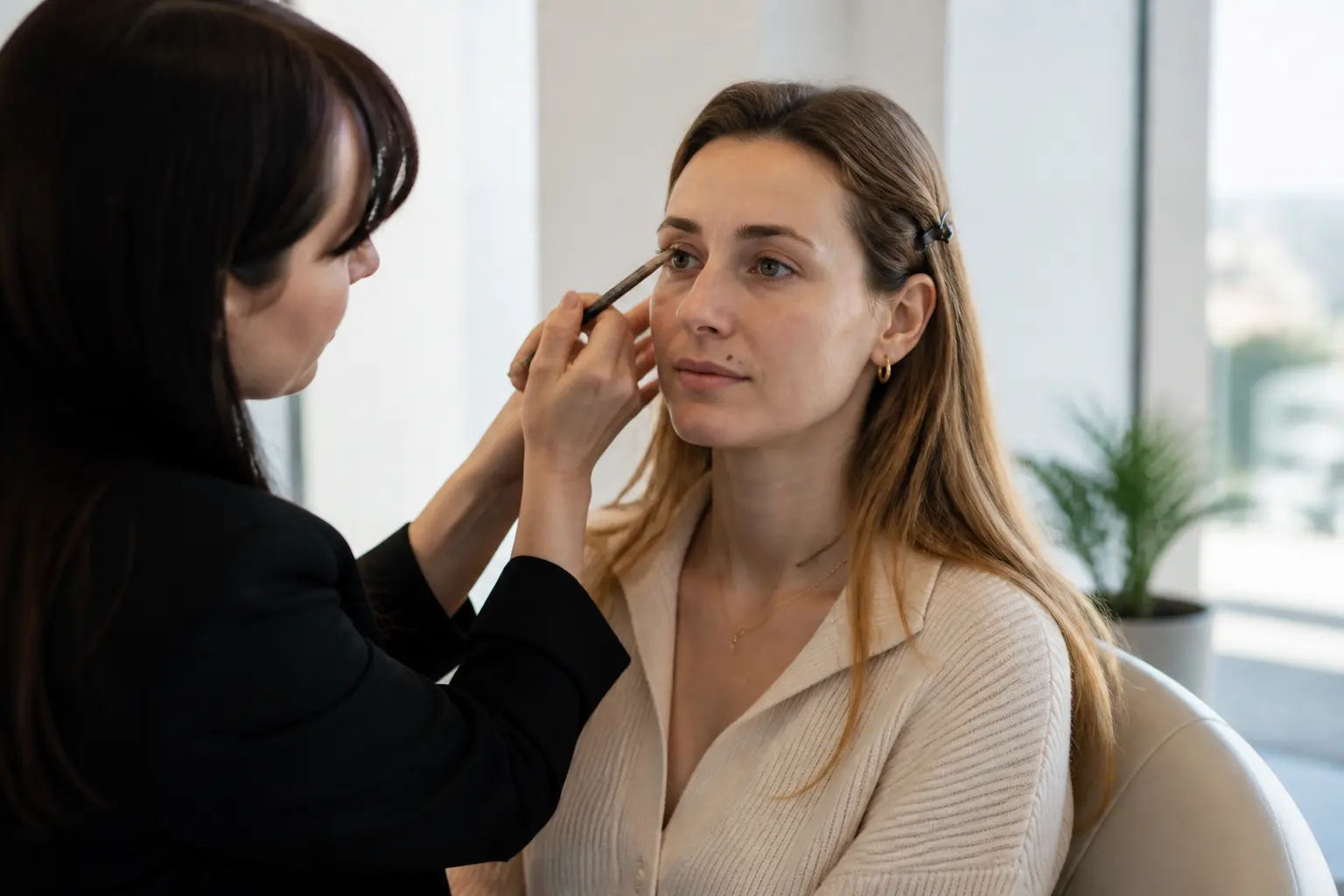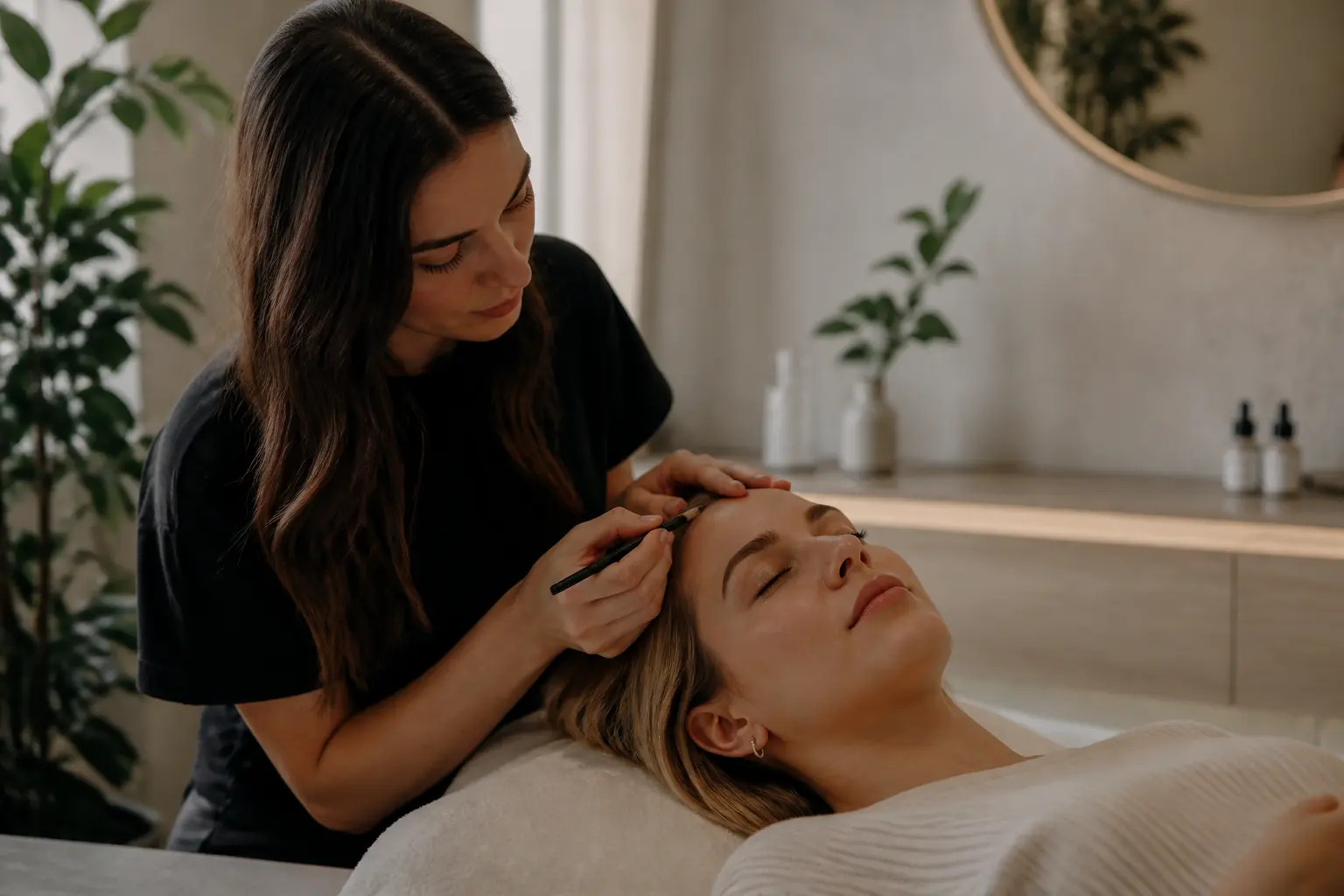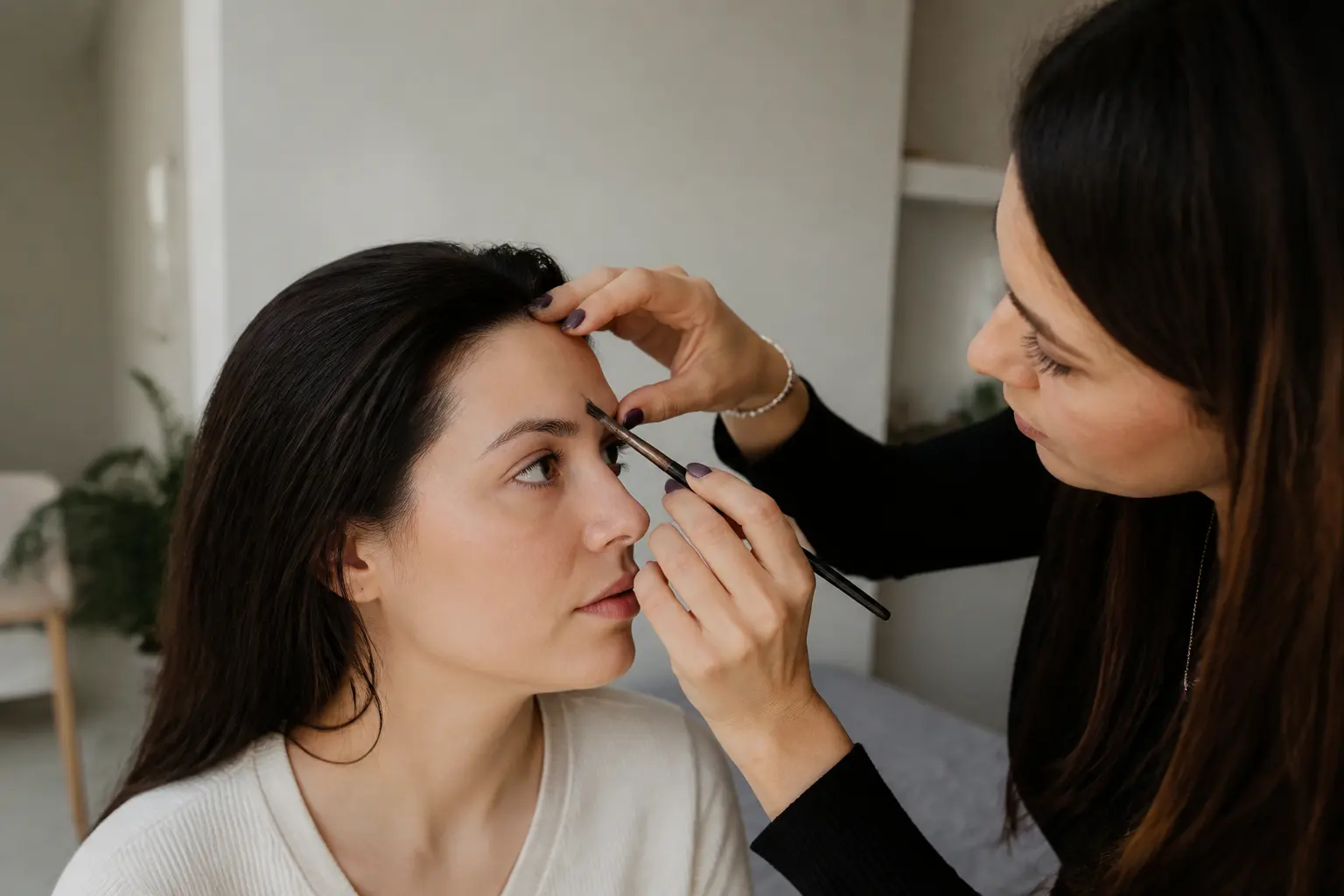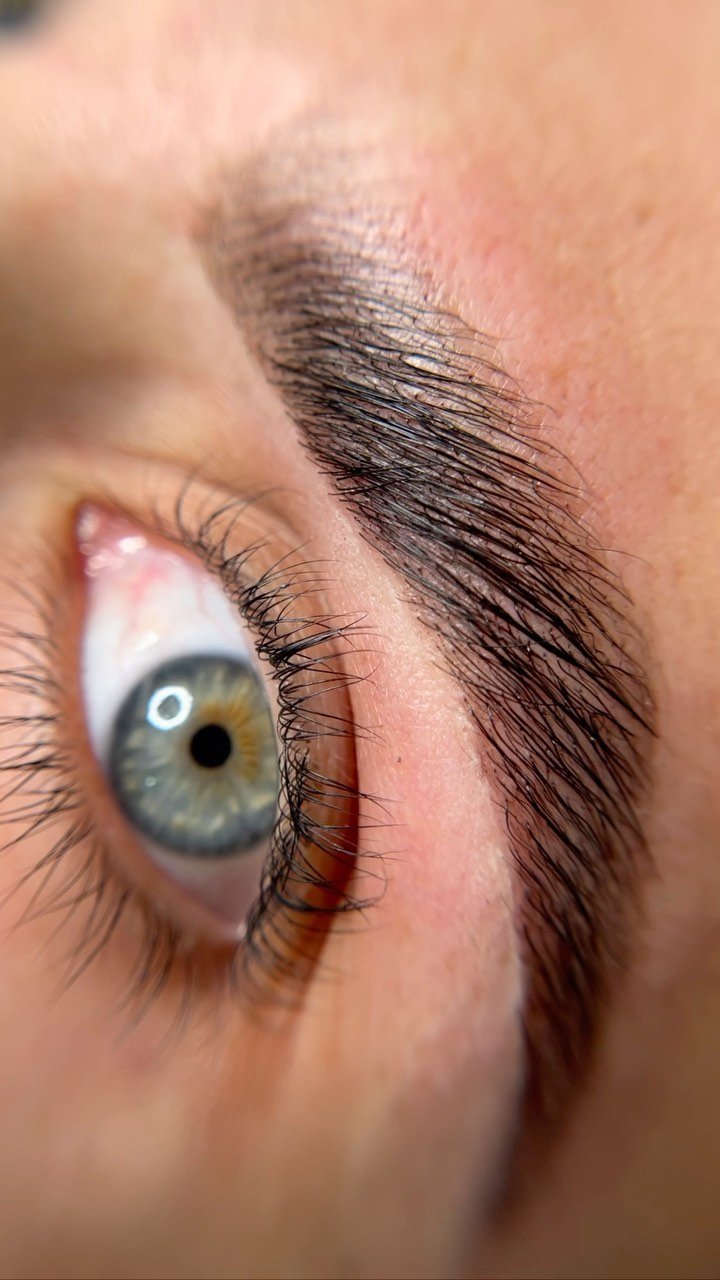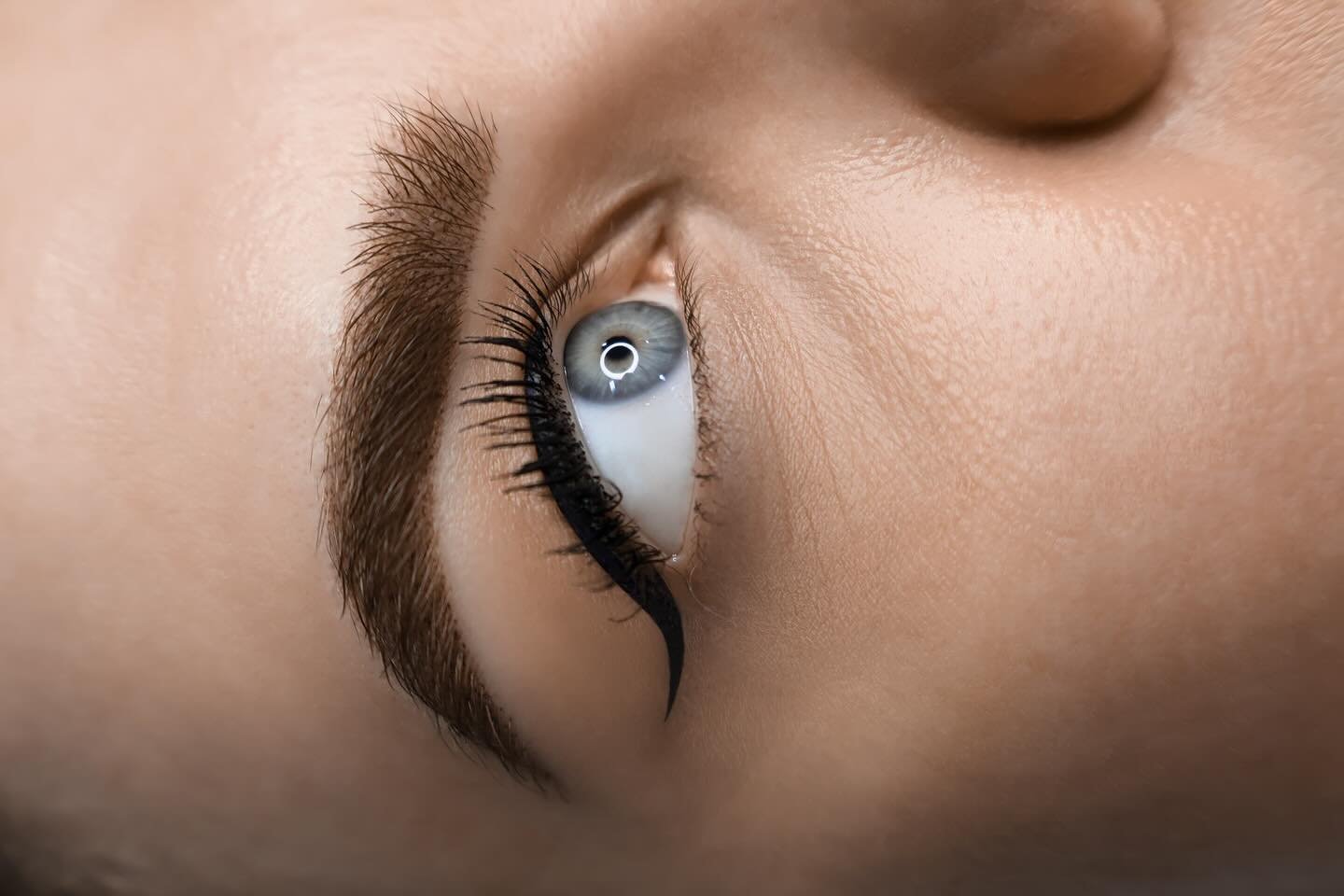
To prepare for dermaplaning and brow threading, keep your skincare routine gentle and familiar in the days before, avoid last-minute scrubbing, picking or at-home hair removal, and arrive with minimal make-up, especially on the brows. Let brow hairs grow so your natural shape can be assessed, and mention recent sun exposure, sensitivities, moles or piercings during the consultation.
Dermaplaning and eyebrow threading can both leave the face looking more polished, but they work in different areas and require slightly different preparation. Dermaplaning focuses on surface exfoliation and fine facial hair, while threading shapes and refines brow hair with a twisted thread.
If you are booking one service or planning both as part of your beauty routine, preparation is less about doing lots of extra steps and more about keeping your skin comfortable, arriving with clear expectations and sharing anything relevant during your consultation. A simple, calm approach can make the appointment easier to plan and help you choose the most suitable service for your current skin and brow goals.
What does each appointment focus on?
It is useful to separate the two services before deciding how to prepare.
- Dermaplaning is a facial exfoliation service performed with a specialist blade. It is designed to remove surface build-up and fine vellus hair, often called peach fuzz, while leaving the skin feeling smoother.
- Eyebrow threading uses thread to remove unwanted brow hairs and refine the outline of the eyebrows. The appointment can be kept subtle or more defined depending on your natural growth, facial features and personal preferences.
Because dermaplaning covers a broader facial area and threading concentrates around the brow line, your preparation should take account of both your skin condition and your desired brow shape. If you are unsure whether to book them together or separately, explain what you would like to achieve when arranging your visit.
How should you treat your skin in the days beforehand?
The most helpful preparation for dermaplaning is often to avoid overwhelming your skin with new or intensive products immediately before the appointment. If your complexion feels irritated, unusually dry, sun-sensitive or uncomfortable, this is worth mentioning before your service begins.
In the days leading up to your appointment, try to keep your routine consistent. Cleansing, moisturising and using the products your skin already tolerates well is usually more useful than experimenting with a new active formula, scrub or peel. Avoid trying to create a dramatic last-minute glow with several exfoliating steps at once.
This matters especially if you are also having eyebrow threading. The brow area is part of the face, and skin that already feels reactive may need a more careful conversation before hair removal. A calm routine helps you notice what is normal for your skin and what may need to be flagged to the therapist.
What to avoid changing at the last minute
- Do not introduce a completely new skincare product the night before simply because it promises quick results.
- Do not use a harsh physical scrub over the areas you want professionally exfoliated.
- Do not pick at spots, dry patches or brow hairs before your appointment.
- Do not attempt facial shaving or at-home brow reshaping shortly beforehand if you want a clear professional assessment of your natural growth.
The goal is not perfection. It is to arrive with skin and brows in a condition that can be assessed properly.
At BeCammo · Sliema · Swieqi
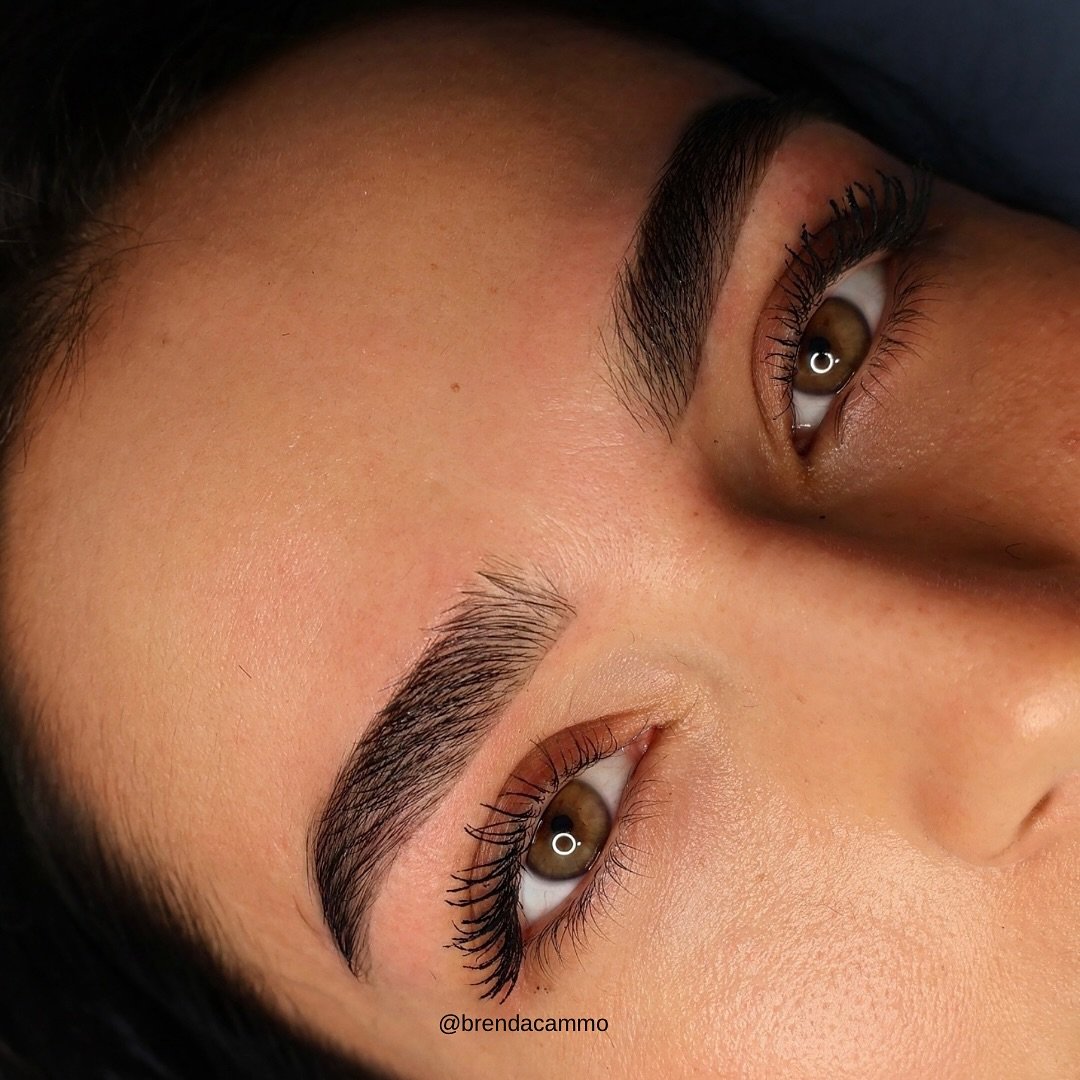
Eyebrow threading in Malta
Same client, before and after threading.
Clean, natural brows shaped to your face, at our salons in Sliema and Swieqi. Threading is what BeCammo was built on.
- from €16price
- Sliema · Swieqiwhere
- ★ 5.0460+ Google reviews
Does sun exposure in Malta affect your appointment?
Strong sunshine, beach time and long outdoor days can affect how comfortable your skin feels. If you have recently spent more time in the sun than usual, tell the professional carrying out your service. This is particularly relevant when you are considering dermaplaning, as the service involves exfoliation across the face.
You do not need to cancel every beauty plan because you have been outdoors, but it is sensible to be honest about recent sun exposure, visible redness or sensitivity. The same applies if the skin around your eyebrows feels tender after sun, wind or a change in your usual routine.
If you are planning a beach day, a special occasion or a holiday activity, think about timing rather than leaving your appointment until the final possible hour. Giving yourself some flexibility means you can make decisions based on how your skin actually feels, not just on a fixed schedule.
Should you arrive with a clean face?
For both dermaplaning and eyebrow threading, arriving with a clean face can make the appointment more straightforward. Heavy foundation, brow pencil, concealer and thick skincare layers may need to be removed before the service begins.
That does not mean you need to arrive with completely bare skin in every circumstance. If you are coming from work, travelling across Malta or fitting your appointment into a busy day, simply allow a little extra time for the practical steps at the studio. The important point is to mention what you are wearing on your skin, particularly around the brows and across the cheeks, forehead and upper lip.
If you wear brow make-up every day
It can be helpful to arrive with your usual brow make-up removed, especially if you want detailed shape advice. Your natural density, direction of growth and existing outline are easier to see without pencil, powder, pomade or tinted gel.
If you normally like a particular level of definition, take a photo of your preferred everyday look instead. This gives you something practical to discuss without relying on make-up being in place during the threading assessment.
Should you let your brow hairs grow before threading?
It is tempting to remove one or two hairs yourself when they appear between appointments. However, if you are preparing for eyebrow threading, leaving the brow area alone beforehand can give the professional a clearer view of your natural shape and growth pattern.
This does not mean every brow must be allowed to become very full. It simply means avoiding last-minute tweezing, trimming or shaving that could make the outline harder to assess. For clients who want to maintain fullness, this is particularly useful: the appointment can focus on refining the shape while respecting the hairs that contribute to density.
If you have over-plucked in the past, have sparse areas or are growing your brows out, say so at the start. A personalised approach can take account of your current growth instead of trying to force a uniform brow shape.
What sensitivities and recent changes should you mention?
A short consultation is the right time to mention anything that could affect your comfort or the way your skin is approached. This includes recent changes rather than only long-term concerns.
- Tell the therapist if your skin is currently irritated, peeling, sun-sensitive or unusually reactive.
- Mention any products, prescribed skincare or routines that have changed recently, especially if they affect how delicate your skin feels.
- Point out moles, freckles, piercings, healing areas or natural skin features around the brow region.
- Explain if you have had a previous reaction or discomfort with facial hair removal, exfoliation or brow services.
- Say if you are unsure about the amount of brow hair you would like removed.
Clear information helps create a more considered appointment. It also gives you the chance to ask whether your plan should be adjusted, postponed or approached more gently based on your individual situation.
What result do you want from the appointment?
Preparation is not only about skin. It is also about setting a realistic beauty goal.
For dermaplaning, you may be looking for a smoother-feeling surface, a more even-looking make-up base or a simple reset in your facial routine. It is best to describe the outcome you want rather than expecting one service to solve every skin concern at once.
For eyebrow threading, think about whether you want to preserve your natural fullness, create a tidier outline, soften an uneven appearance or make your brows look more defined without a dramatic change. Brows are naturally sisters rather than identical twins, and a thoughtful shape conversation should work with that reality.
Useful phrases to use at your appointment
- “I would like my brows to look tidy but still full.”
- “I usually fill this area in with make-up and would like to keep the shape natural.”
- “My skin has felt more sensitive than usual this week.”
- “I have an event coming up, so I would like to plan the timing carefully.”
- “I am new to dermaplaning and would like to understand what is suitable for my current routine.”
These details give the appointment a clear direction without turning the service into a rigid template.
When is the wrong time to schedule your appointment?
Although both services can fit into a regular beauty routine, it is wise not to book them immediately before a situation where you cannot allow for normal short-term skin sensitivity or where you must apply heavy make-up straight away.
Choose a time when you can pay attention to the aftercare guidance given during your appointment. This is especially practical if you are having dermaplaning before a social event, photos, travel day or beach plan. A little breathing room in your diary makes it easier to respond to your skin rather than treating the appointment as a rushed task.
For brow threading, it is also helpful to avoid booking when you know you will be tempted to touch the area repeatedly, reshape it at home or test a new brow product immediately afterwards.
Can dermaplaning and eyebrow threading be part of the same routine?
They can be complementary because one focuses on facial surface exfoliation and fine hair while the other focuses on brow shape. However, the right timing depends on your skin, your preferred service plan and what is discussed during consultation.
If you are interested in both, explain this when booking or when you arrive. The team can consider which service should come first, whether both fit comfortably into the same visit and whether your skin needs a different approach that day. It is better to treat this as a personalised decision than assume that every facial and brow service should always be combined.
For people who regularly wear make-up, the pairing can be appealing: smoother-looking skin can support make-up application, while neatly shaped brows can bring structure to the face. The most natural result still comes from choosing a plan that suits your own features, routine and comfort.
A simple pre-appointment checklist
- Keep your skincare routine gentle and familiar in the days before your appointment.
- Avoid last-minute scrubbing, picking or at-home facial hair removal.
- Consider recent sun exposure and mention any redness or sensitivity.
- Arrive with minimal make-up where possible, especially on the brows.
- Leave brow shaping to the appointment so your natural growth can be assessed.
- Share relevant products, skin changes, moles, piercings or past sensitivities.
- Know whether you want a soft tidy-up, a more defined brow shape or a smoother-feeling facial finish.
- Allow enough time afterwards to follow the care guidance you receive.
Conclusion
Preparing for dermaplaning and eyebrow threading does not need to be complicated. Keep your routine calm, avoid trying to fix every concern at home, and be open about your skin, your brow history and the result you hope to achieve.
A professional appointment is most useful when it starts with a clear conversation. If you are ready to refresh your facial routine, choose the dermaplaning option that fits your needs. If your priority is a personalised brow shape, book threading and leave the last-minute tweezing behind.
Frequently asked questions
Should I exfoliate before dermaplaning?
It is usually better not to add an intense at-home exfoliation step immediately beforehand. Keep your routine simple and tell the therapist about any products or exfoliating treatments you have used recently.
Can I wear make-up to an eyebrow threading appointment?
You can, but arriving with little or no brow make-up can make it easier to assess your natural shape and hair growth. If you wear make-up, allow time for it to be removed before the service.
How long should I stop tweezing before eyebrow threading?
The ideal timing depends on how quickly your hairs grow and the shape you want to maintain. In general, avoid last-minute tweezing so there is enough natural growth to assess and refine during your threading appointment.
Can I book dermaplaning after a sunny day?
Tell the therapist if you have had recent sun exposure, redness or sensitivity. Your skin should be assessed on the day so the appointment can be approached appropriately.
Should I have dermaplaning and eyebrow threading on the same day?
It may be possible, but it is best decided through a brief consultation. Your current skin condition, sensitivity and service goals should guide the plan.
What should I tell my therapist before these services?
Mention recent changes in your skin, products that affect sensitivity, previous reactions, natural skin features around the brows and the kind of result you would like. These details support a more personalised appointment.
Leia também