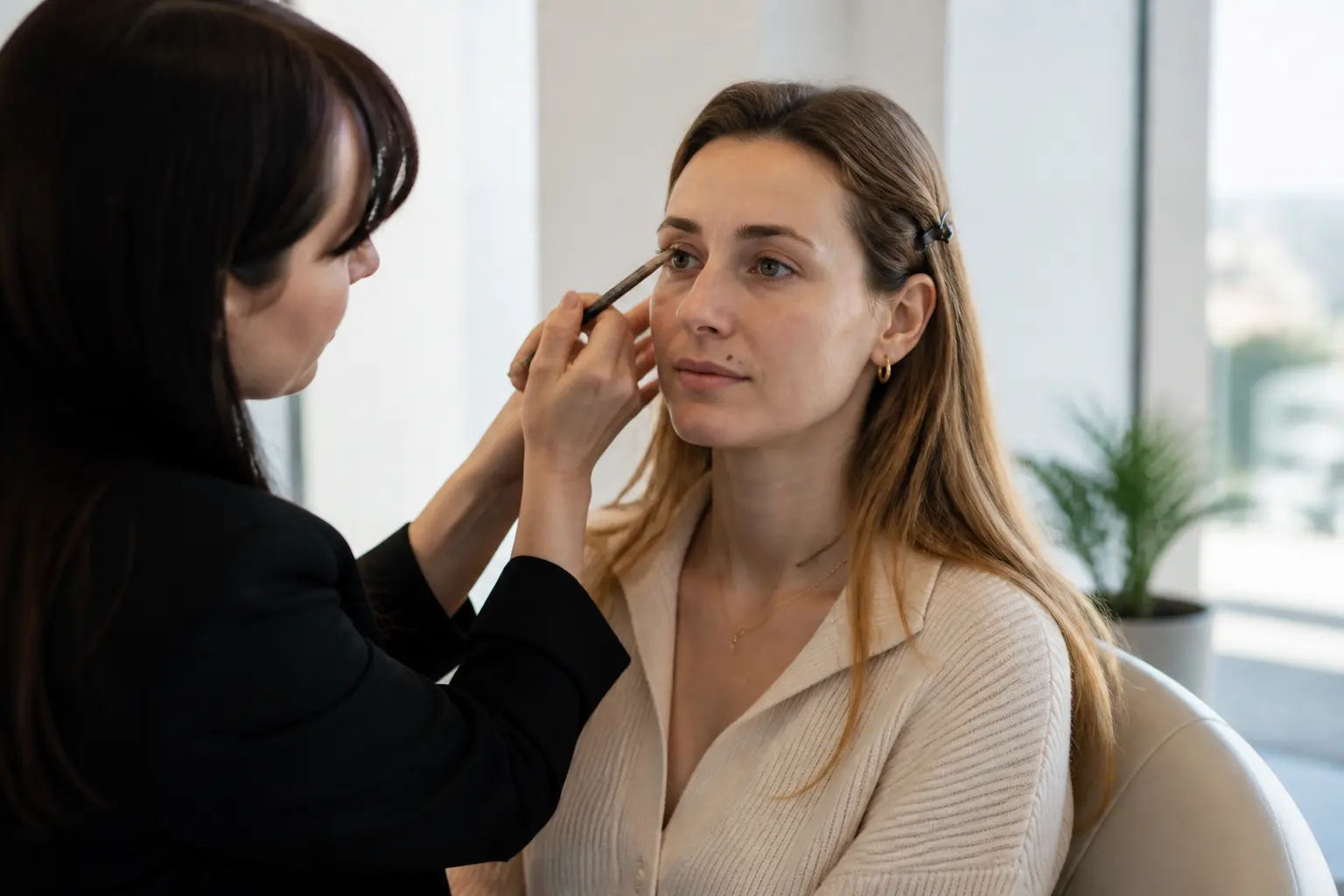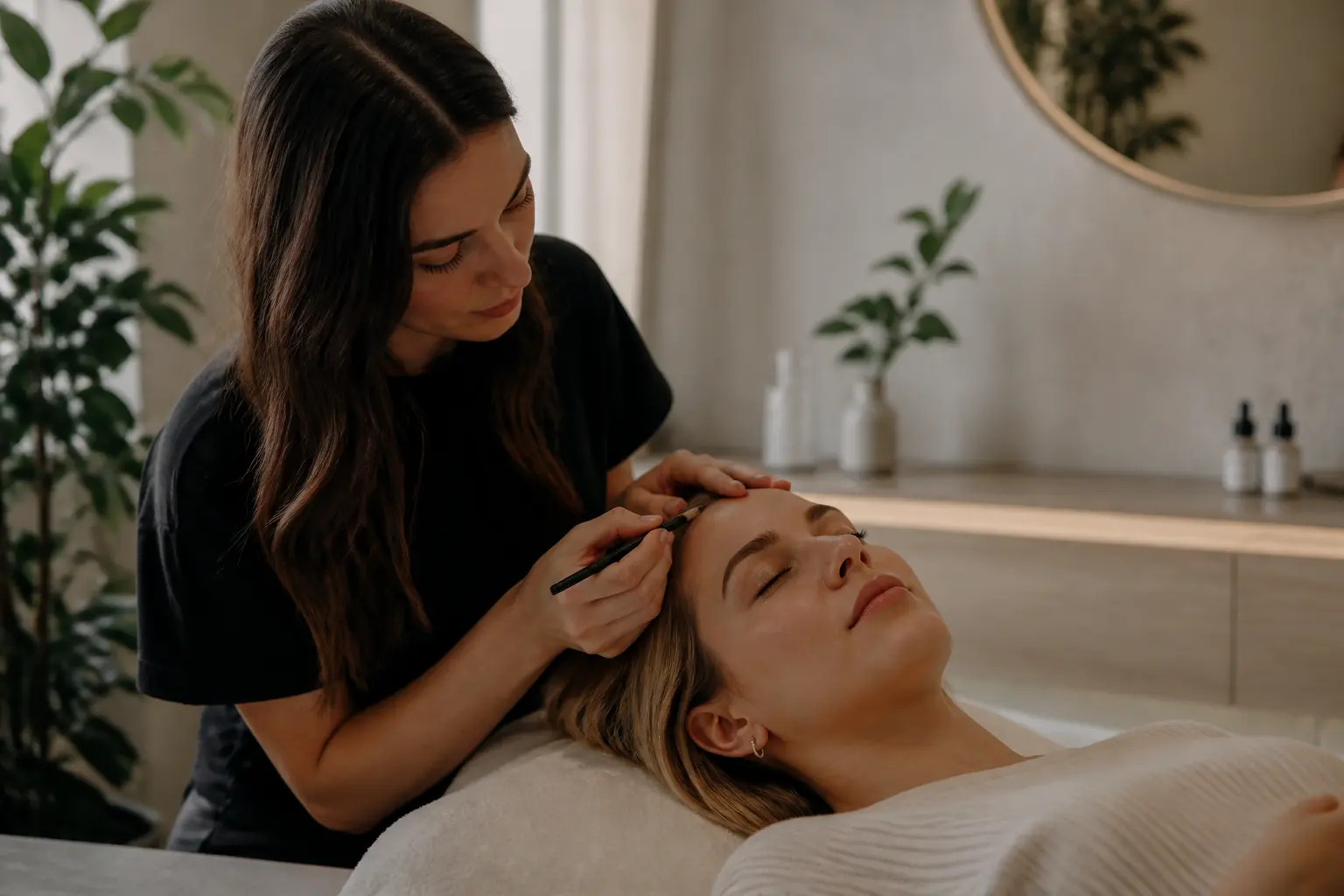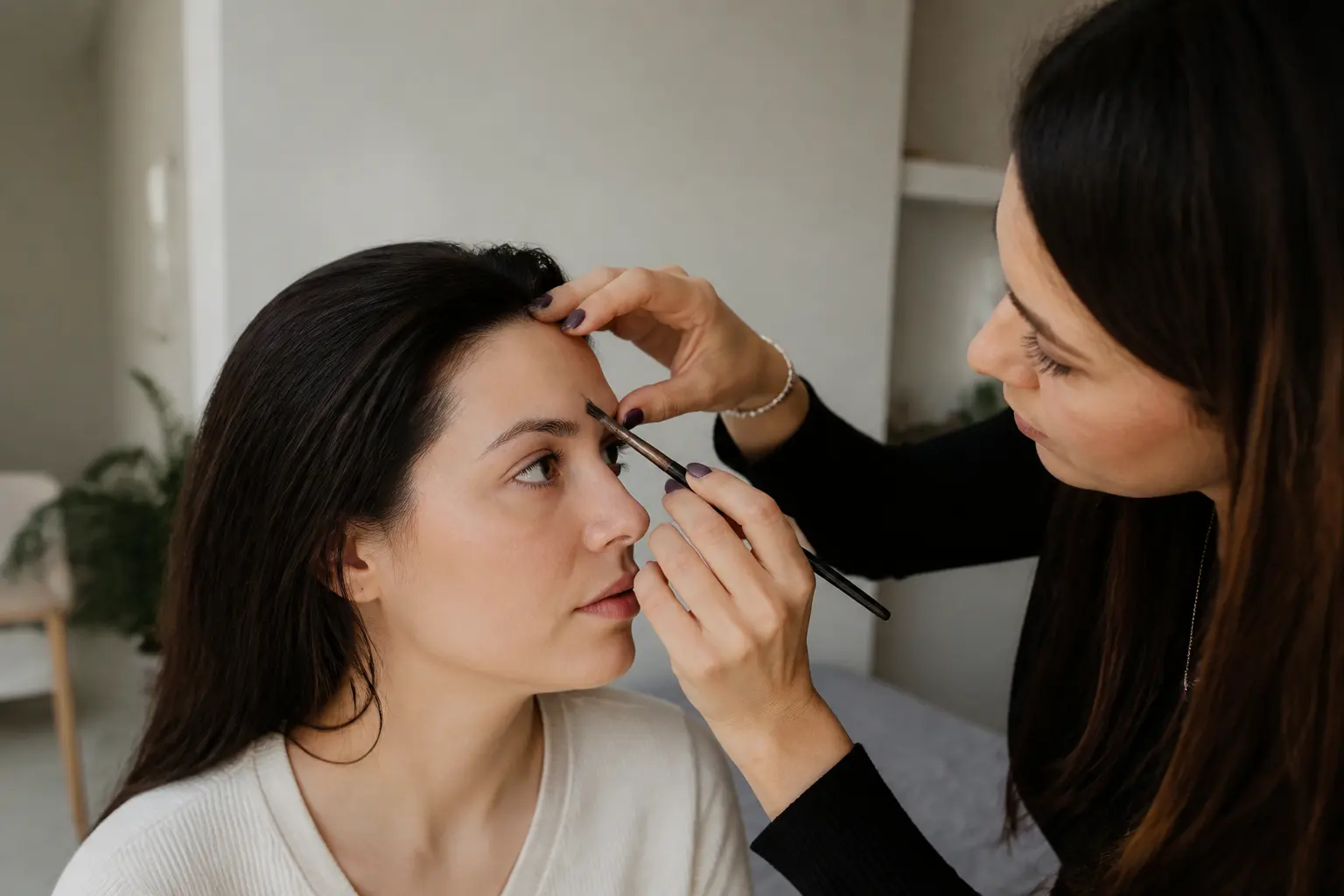
Booked together, dermaplaning and eyebrow threading give you smoother facial skin and cleanly defined brows in one visit: dermaplaning exfoliates the surface and removes fine vellus hair, while threading shapes the brows hair by hair. Expect a short consultation about your skin and brow preferences first, brief pulling during threading and a light, careful sensation during dermaplaning. Keep make-up light and touching to a minimum afterwards.
Dermaplaning and eyebrow threading can make sense in the same beauty appointment when you want your face to feel freshly refined without changing its natural character. Dermaplaning focuses on surface exfoliation and fine facial hair, while threading shapes and tidies the brow area with precision. Together, they can create a smoother-looking canvas for skincare and make-up, alongside brows that frame your features in a considered way.
A combined appointment is not about trying to make every part of the face look identical. It is about choosing services that work towards a polished, personal finish. Your skin condition, recent skincare use, facial sensitivity and brow goals should all be part of the conversation before the appointment begins.
What does dermaplaning and eyebrow threading involve?
Although both services relate to the face, they do different jobs.
Dermaplaning is a professional facial exfoliation service performed with a specialised blade. It is designed to lift surface build-up and remove fine vellus hair, often called peach fuzz. The aim is a smooth-feeling complexion and a more even base for make-up application. It is not the same as shaving your face at home with an ordinary razor, and it should be approached as a professional skin service rather than a quick hair-removal shortcut.
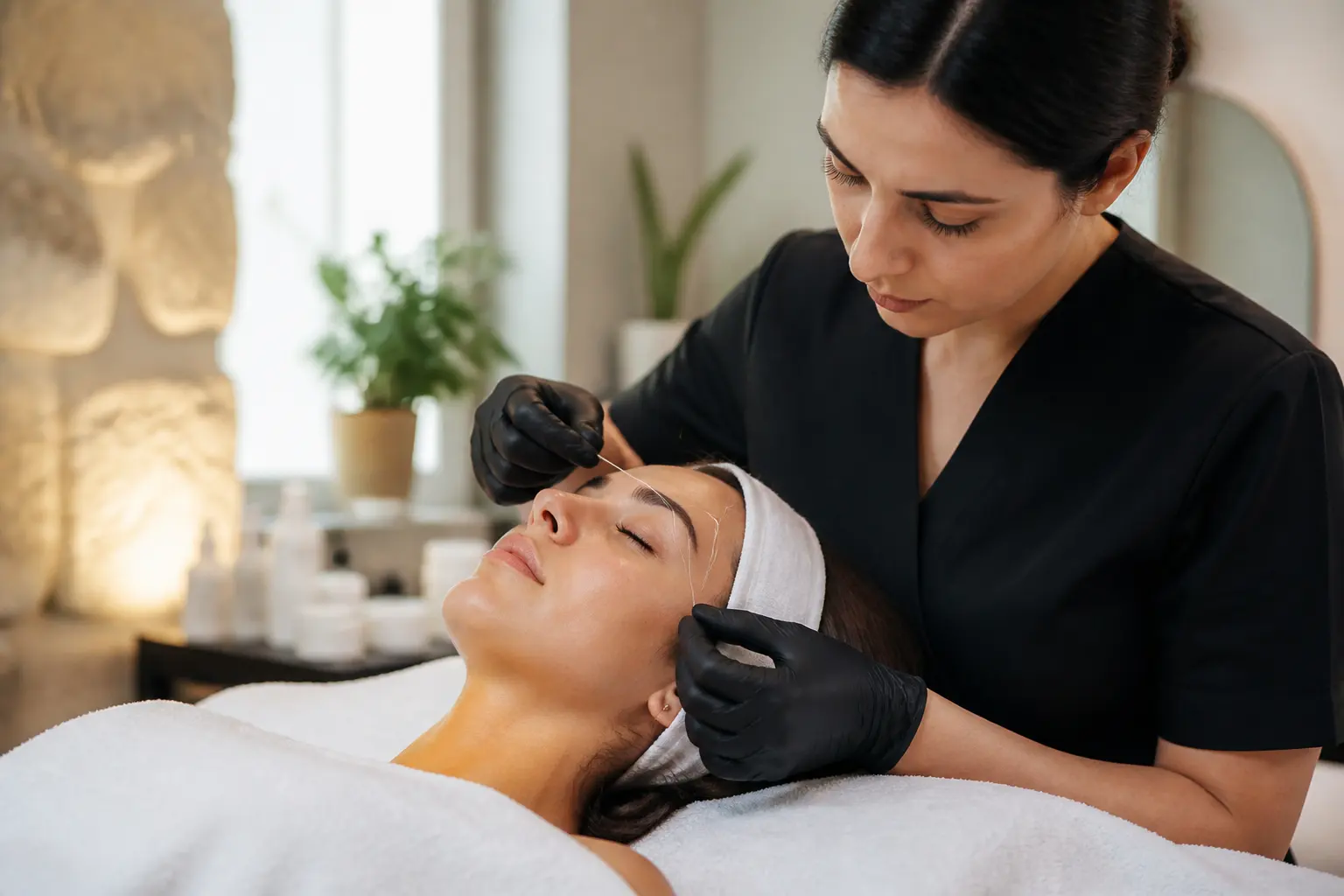
Eyebrow threading uses a twisted thread to catch and remove unwanted brow hairs from the root. At BeCammo, cotton thread is the standard option, while polyester may be discussed for clients with a relevant allergy. The thread is single-use and discarded after the appointment. Threading can refine the outline of the brows while keeping the overall shape, density and natural hair pattern in view.
When the two are booked together, the intention is usually straightforward: smoother facial skin and brows that look cleanly defined, without relying on a heavy or overly sculpted result.
Why book these services together?
For many people, the main benefit is convenience. Rather than arranging separate visits for facial exfoliation and brow maintenance, a combined smooth-skin appointment gives you time to focus on both elements in one visit.
There is also a visual reason people enjoy the pairing. Brows are a central facial feature, while dermaplaning can leave the surrounding complexion feeling especially smooth. Once the brow shape has been refreshed, the face can look more put together even with minimal make-up.
That said, a combined booking is not automatically right for every day or every skin moment. If you have active irritation, a recent reaction, an uncertain skin concern or have introduced strong products into your routine, it is sensible to mention this before confirming the service. A good appointment begins with clear information, not with the assumption that every treatment suits every skin condition at every time.
At BeCammo · Sliema · Swieqi
Eyebrow threading in Malta
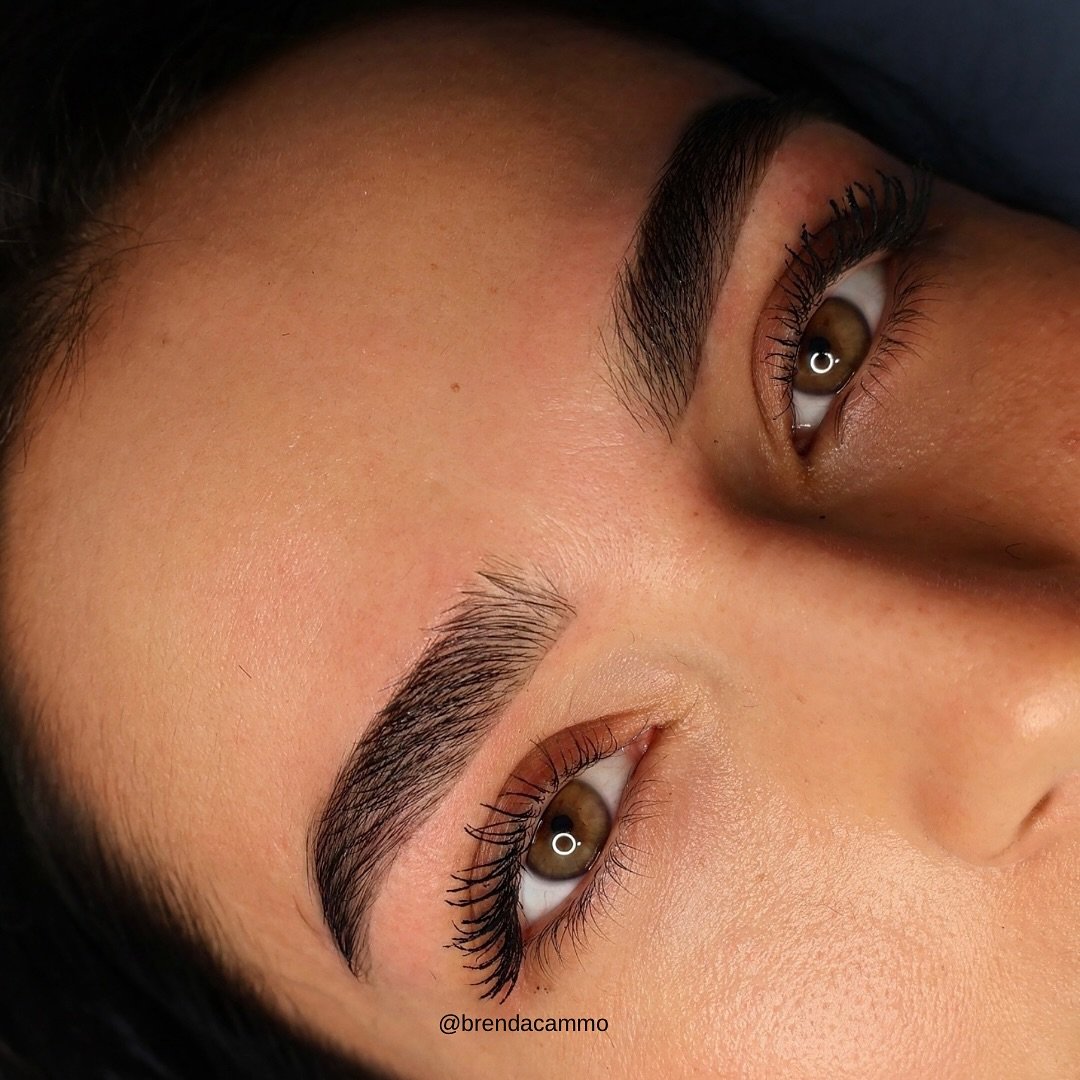
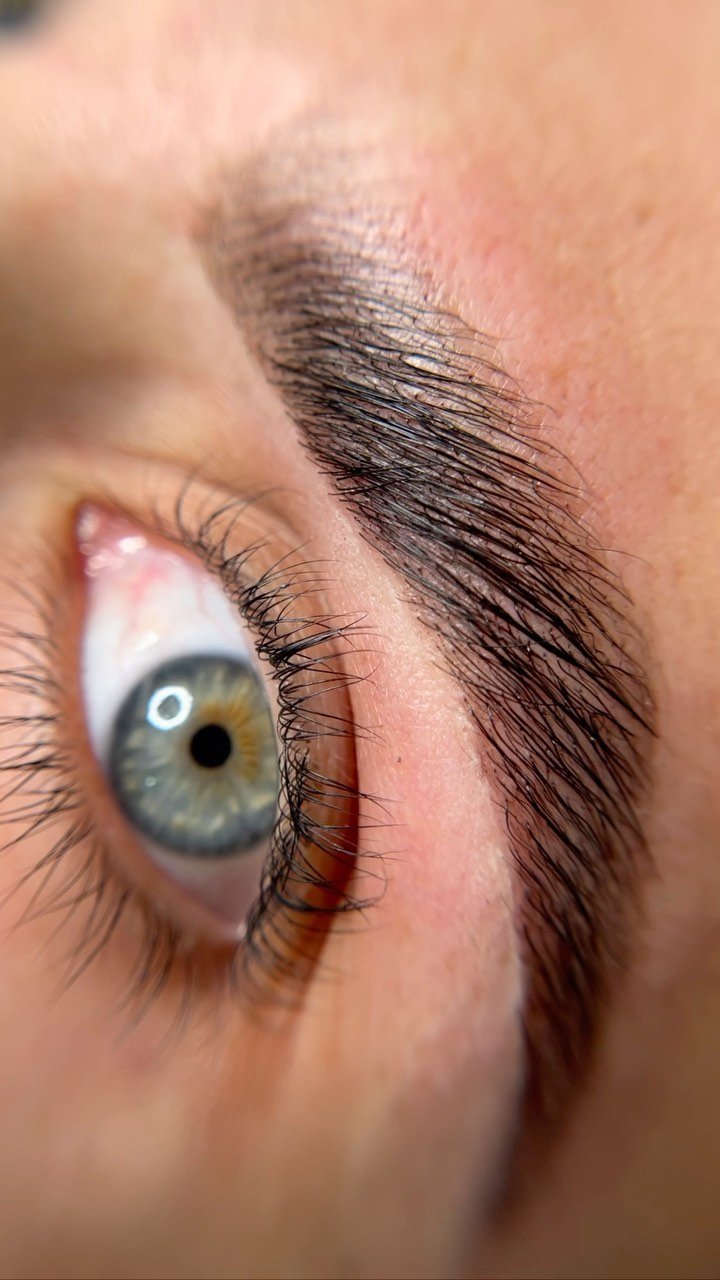
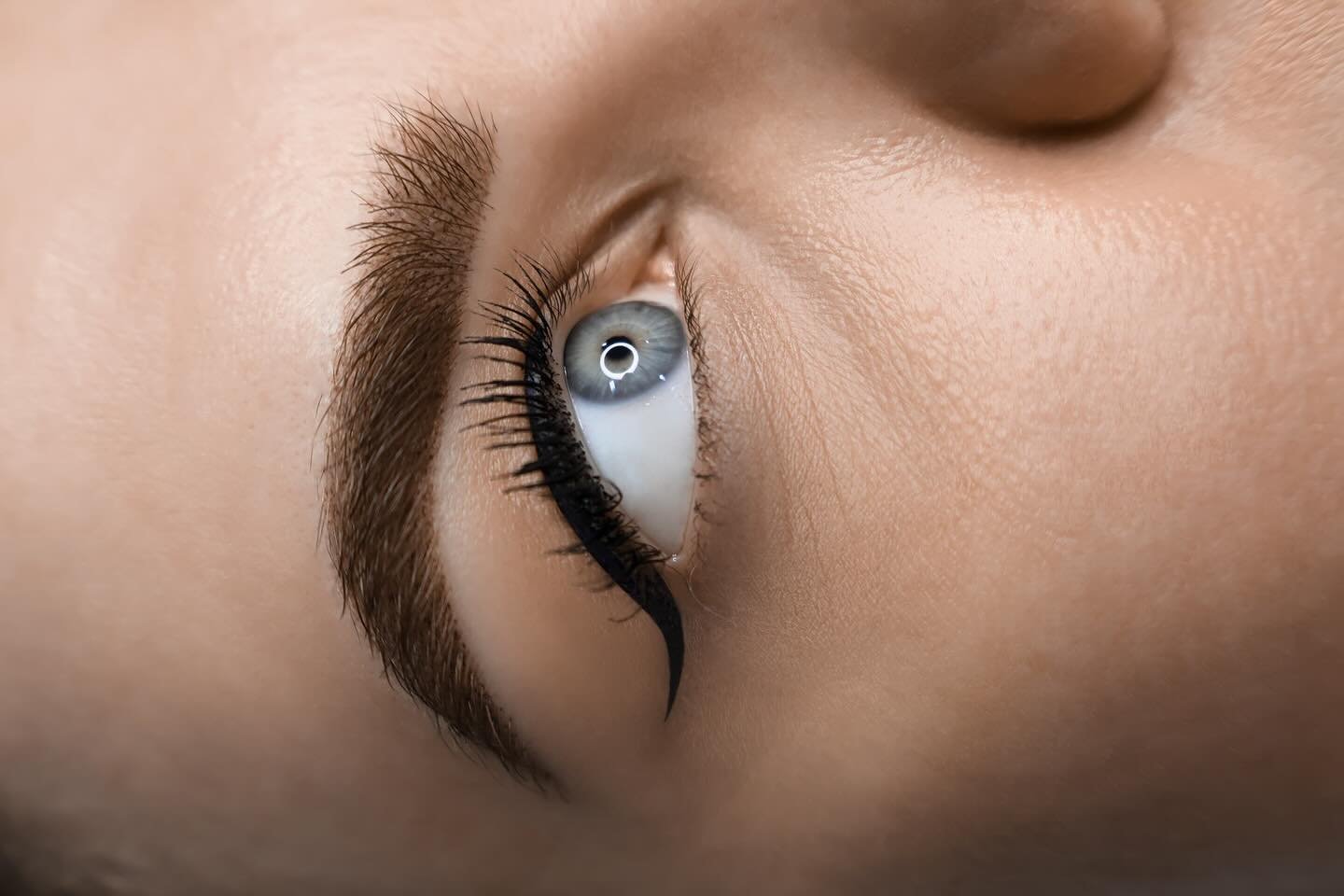
Same client, before and after threading.
Clean, natural brows shaped to your face, at our salons in Sliema and Swieqi. Threading is what BeCammo was built on.
- from €16price
- Sliema · Swieqiwhere
- ★ 5.0460+ Google reviews
What happens when you arrive?
Your appointment should begin with a short consultation. This is where you can explain what you would like from your brows and share any relevant information about your skin.
Discussing your brow preference
Bring a practical description rather than relying only on a photo. For example, you might say that you want to keep your brows full, soften a strong arch, tidy the underside without thinning the top line, or create a cleaner shape for everyday make-up. Brow threading is most useful when the professional understands what you want to preserve as well as what you would like removed.
Faces are naturally asymmetrical, and brow hairs do not grow at the same rate or in identical directions. The goal is usually balance rather than forced sameness. A personalised threading approach can take account of your natural brow density, hair texture, facial proportions and preferred level of definition.
Discussing your skin
Before dermaplaning, mention recent sun exposure, sensitivity, peeling, breakouts, irritation or any skincare products that may have made your skin feel more reactive than usual. It is also helpful to say if you have had another facial service recently.
You do not need to diagnose your own skin before coming in. Simply describe what you have noticed: tightness, tenderness, flaking, redness, sensitivity when cleansing, or an area that feels different from the rest of your face. This gives the professional useful context for deciding whether the planned service is appropriate or whether it would be better to adjust the appointment.
What happens during a smooth-skin appointment?
The precise sequence can depend on the service plan and your consultation. In general, you can expect the brow area and facial skin to be handled with care, with attention paid to hygiene and comfort throughout.
Eyebrow threading
During threading, the practitioner works with the thread in small, controlled movements to remove hairs outside the intended brow shape. You may feel brief pulling or a light snapping sensation as hairs are lifted out. Comfort levels vary from person to person, particularly around the centre of the brows or closer to the upper lid.
Threading is valued for its precision. Instead of treating the brows as a generic template, it allows the shape to be refined hair by hair in selected areas. A natural-looking result may involve leaving more fullness in place and simply clearing stray growth, while a more defined finish may involve clearer lines around the arch and tail.
Dermaplaning
During dermaplaning, the skin is prepared and the blade is used at a controlled angle across suitable areas of the face. The sensation is commonly light and careful rather than intense. You may notice the sound of the blade moving over the skin, but the experience should not feel rushed.
The service addresses fine facial hair and superficial build-up. It does not change the biological nature of your facial hair. Fine vellus hair does not turn into coarse hair because it has been removed through dermaplaning. As with all beauty services, however, your individual skin response and upkeep routine matter.
How should you prepare before dermaplaning and eyebrow threading?
A little preparation can help you arrive with clearer expectations and avoid unnecessary discomfort.
- Come with clean skin where possible. Avoid arriving with heavy make-up if you can, especially around the brow area and across the face.
- Pause and check your routine. If you have been using products that leave your skin feeling dry, tingly or sensitive, mention them during the consultation.
- Be honest about recent sun exposure. In Malta, a bright day outdoors can affect how your facial skin feels. If your face is warm, red or tender after the sun, it is important to say so.
- Do not reshape your brows immediately beforehand. Letting the brow hairs grow enough for threading gives the practitioner more to work with and supports a more even result.
- Plan around important events. If you are booking before a wedding, photoshoot, holiday or major meeting, allow enough time for your skin to settle in its own way rather than leaving the appointment until the last possible moment.
It can also help to arrive knowing whether your priority is make-up application, facial smoothness, brow maintenance or all three. This makes the consultation more focused.
What aftercare keeps the finish comfortable?
After a combined appointment, your skin and brow area may need a little gentleness. Threading can leave temporary redness, especially if your skin is sensitive or if more hairs were removed than usual. Dermaplaning leaves the outer surface of the skin freshly exfoliated, so a simple, calm routine is usually more useful than trying several new products at once.
On the day of your appointment
- Keep touching of the face and brows to a minimum.
- Use clean hands if you need to apply skincare.
- Avoid rubbing the brow area or using harsh exfoliating products over freshly treated skin.
- Keep make-up light if your skin feels sensitive, or wait until it feels comfortable.
- Take sun protection seriously when heading outdoors, particularly in Malta’s sunny conditions.
There is no need to overcomplicate your routine. The best next step is often to observe how your skin feels and keep products familiar, gentle and appropriate for your usual needs. If you have specific post-appointment guidance, follow the advice given during your visit.
Can everyone combine dermaplaning and threading?
Not necessarily on every occasion. A combined service is best decided through an individual assessment. Someone with calm, comfortable skin and enough brow regrowth may be ready for both services, while another client may benefit from focusing on one element first or postponing the appointment.
It is especially important to flag active sensitivity, recent skin changes, unusual discomfort, significant sun exposure or any facial area that is healing. The same applies if you are unsure whether a skincare product has affected your skin. Asking before the appointment is always better than trying to push through an unsuitable service.
For brows, the discussion may also change if you are growing them out after over-plucking, using a brow growth serum, have a brow piercing, or have a mole, freckle or other natural feature near the area. These details do not automatically prevent threading, but they can affect how the service is planned.
How often should you book?
The right timing differs between the two services. Brow hair grows in cycles and at different speeds, so some people notice stray hairs sooner than others. Many clients plan eyebrow maintenance according to how quickly their preferred shape starts to soften rather than following an identical schedule for everyone.
Dermaplaning timing should also be personalised. Your skin type, skincare routine, lifestyle and how your complexion responds over time all matter. Rather than assuming that a frequent appointment is always better, consider how your skin looks and feels between visits, then discuss a suitable rhythm with your practitioner.
If you like the convenience of having both services organised together, a Smooth Skin appointment can offer a practical way to maintain a tidy brow shape while keeping your facial-care routine intentional.
How do you get the most natural-looking result?
The most satisfying result is usually based on communication, not a one-size-fits-all beauty ideal. Before threading, say whether you prefer soft and full brows, a tidier everyday outline, or a more defined make-up-friendly shape. Before dermaplaning, share what you are hoping to improve, such as a smoother feel, more even-looking make-up application or a refreshed appearance.
It is also worth remembering that smooth skin does not mean perfectly texture-free skin, and balanced brows do not need to be identical. Skin has natural texture, and brows have individual growth patterns. A professional service should work with those features respectfully, not promise to erase them.
Conclusion
Dermaplaning and eyebrow threading together can be a thoughtful choice when you want a smoother facial finish and brows that look refined but still like your own. The key is a proper consultation, realistic expectations and gentle aftercare that respects how your skin feels.
If you are considering a Smooth Skin appointment, choose the service plan that suits your preferred finish and be ready to share any relevant skin or brow details at the start. That conversation helps create an experience that feels polished, personal and appropriate for you.
Frequently asked questions
Will dermaplaning make facial hair grow back darker or thicker?
No. Dermaplaning removes fine vellus hair at the surface and does not alter its natural growth pattern into darker or thicker hair.
Does eyebrow threading hurt?
Threading can cause brief discomfort because hairs are removed from the root. The sensation varies by person and by the area being threaded, but the appointment is carried out in controlled, small movements.
Should I have dermaplaning or threading first?
The order can depend on the appointment plan and your individual consultation. Your practitioner can organise the service in the way that best supports careful brow shaping and suitable facial care.
Can I wear make-up after a dermaplaning and threading appointment?
It is best to keep make-up light or wait until your skin feels comfortable, particularly if you notice temporary redness or sensitivity. Use clean tools and avoid rubbing the freshly treated areas.
Is a combined appointment suitable before a holiday in Malta?
It can be, but do not leave it to the last minute. Consider sun exposure, swimming plans and how your skin usually responds, then allow time for your complexion to settle before your trip.
Leia também