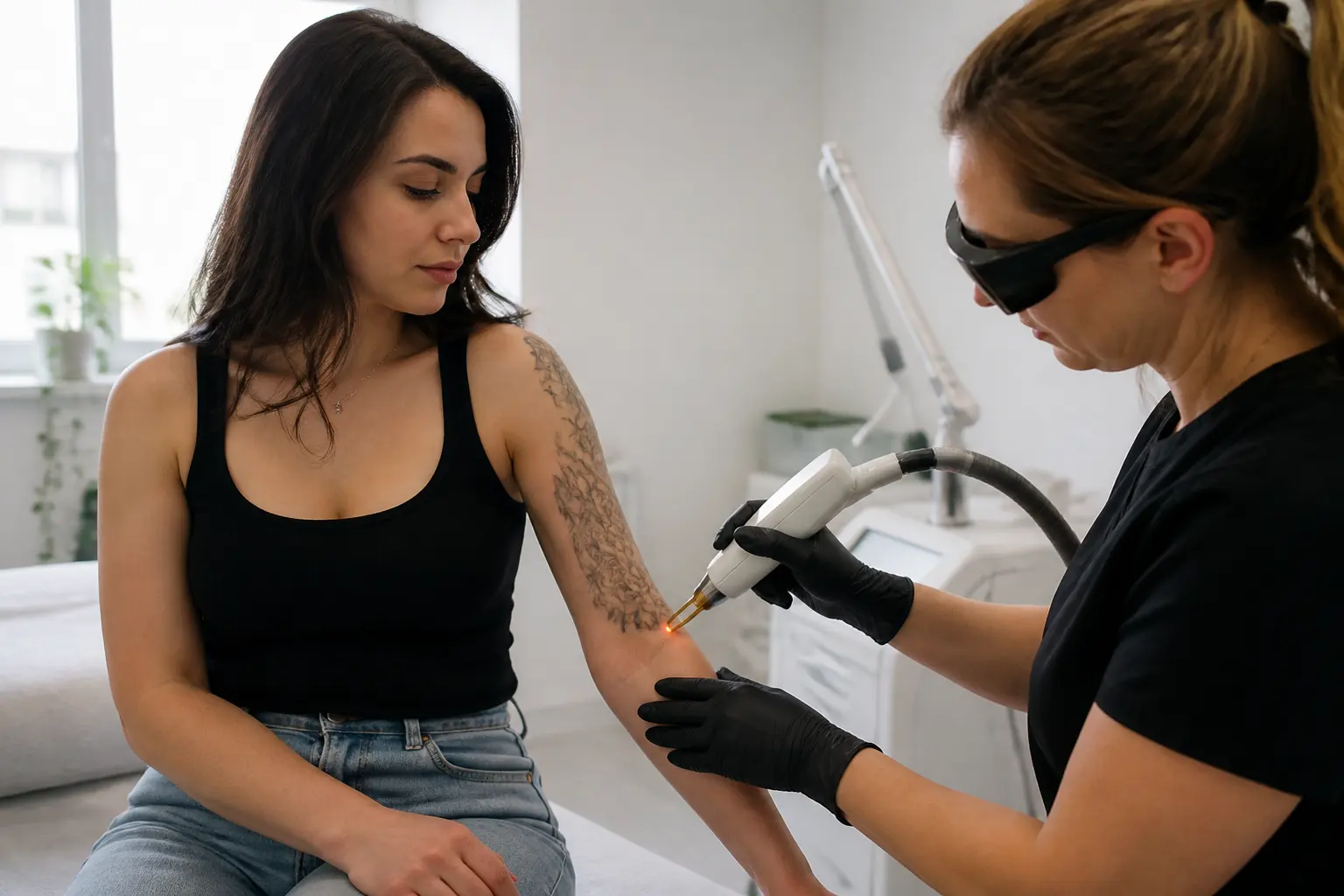
Between laser tattoo removal sessions, your skin first settles its immediate response of redness, warmth and swelling, then heals at the surface, where blisters or scabs may form, while your body gradually clears the fragmented pigment over the following weeks. That is why sessions are spaced apart rather than booked close together. Protect the area from sun, keep cleansing gentle and leave blisters and scabs alone.
Laser tattoo removal is not only about what happens during the appointment. A large part of the process takes place afterwards, while your skin settles and your body gradually deals with the fragmented ink particles. Understanding healing between tattoo removal sessions can make the waiting period feel more purposeful, especially when visible fading is gradual rather than immediate.
At a professional studio, the time between appointments is planned to give the treated skin time to recover. It also gives your body time to continue processing the pigment affected by the laser. At BeCammo, laser tattoo removal is available in Sliema, with an individual consultation helping to determine whether the procedure is suitable and how your sessions should be spaced.
Why is recovery time part of tattoo removal?
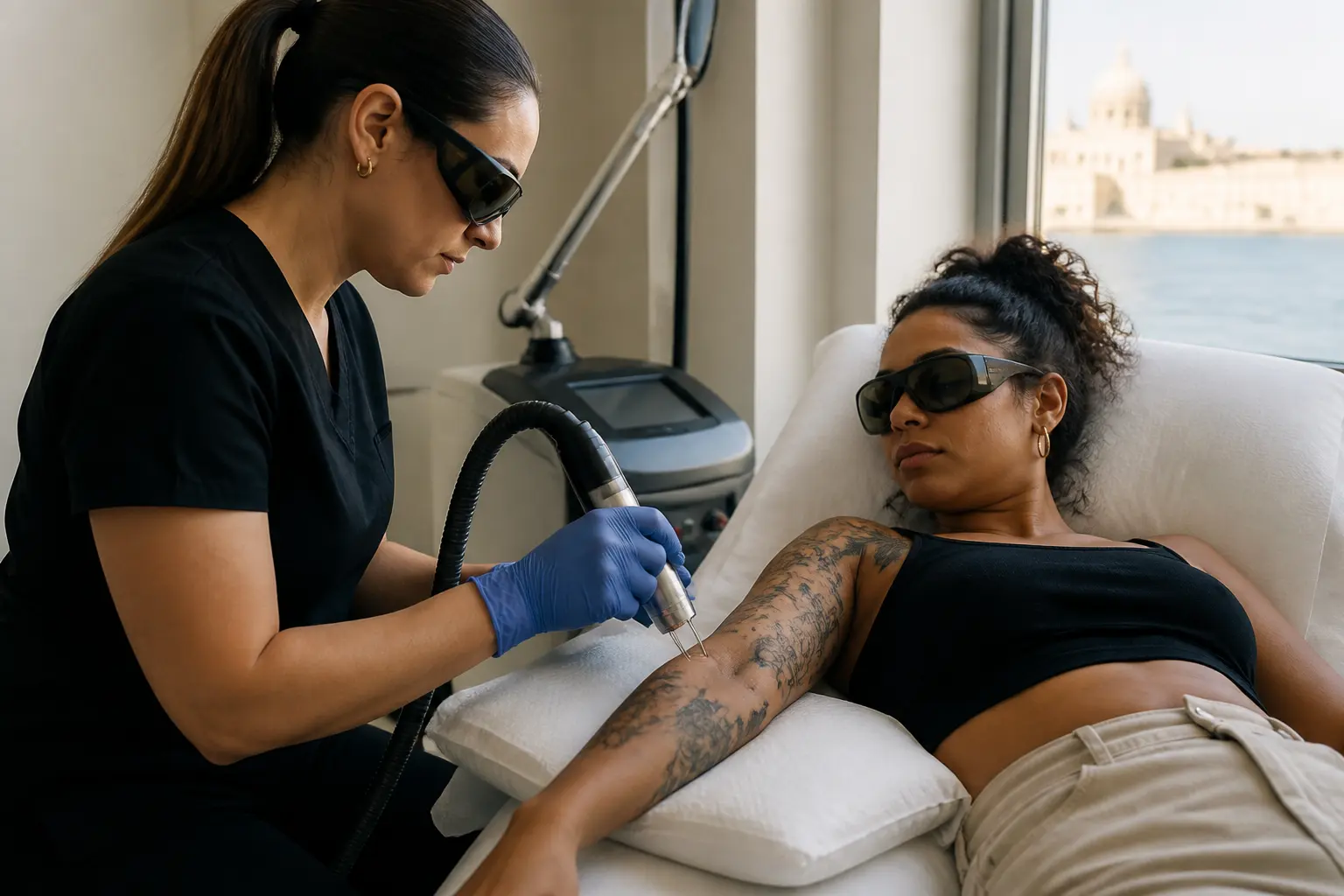
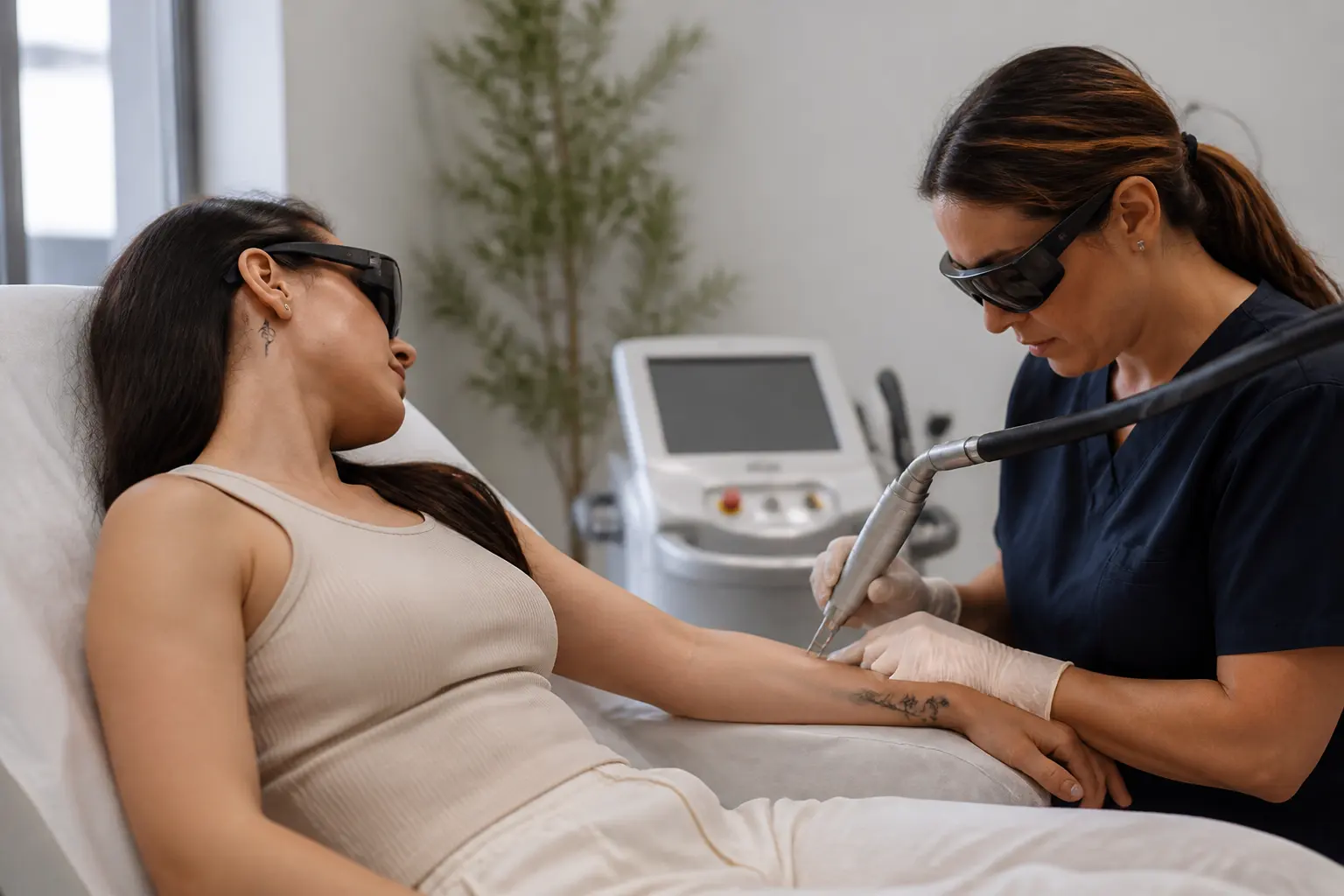
A laser session directs short pulses of light towards tattoo pigment. The pigment absorbs that energy and breaks into smaller particles. This does not mean the tattoo disappears on the day. The body still has work to do after you leave the studio.
In the first moments after the session, you may see a pale or frosted appearance on the tattoo. This is a short-lived surface response. Redness, warmth and some swelling can then develop as the area reacts. These changes are part of the skin’s initial response to the procedure, although every person’s skin can behave differently.
Over the following weeks, the body’s normal clearance processes continue to work on the smaller pigment fragments. This is one reason tattoo removal is a course of sessions, rather than a single appointment. The tattoo’s colours, the depth and density of ink, the location on the body, your skin response and the original tattoo method can all influence the pace of change. The American Society for Dermatologic Surgery notes that multiple laser sessions are commonly needed, while the choice of laser and settings can vary by pigment colour.
What does your skin do after a session?
It helps to think of recovery in stages. These stages do not follow exactly the same timetable for everybody, and your own aftercare instructions should always take priority.
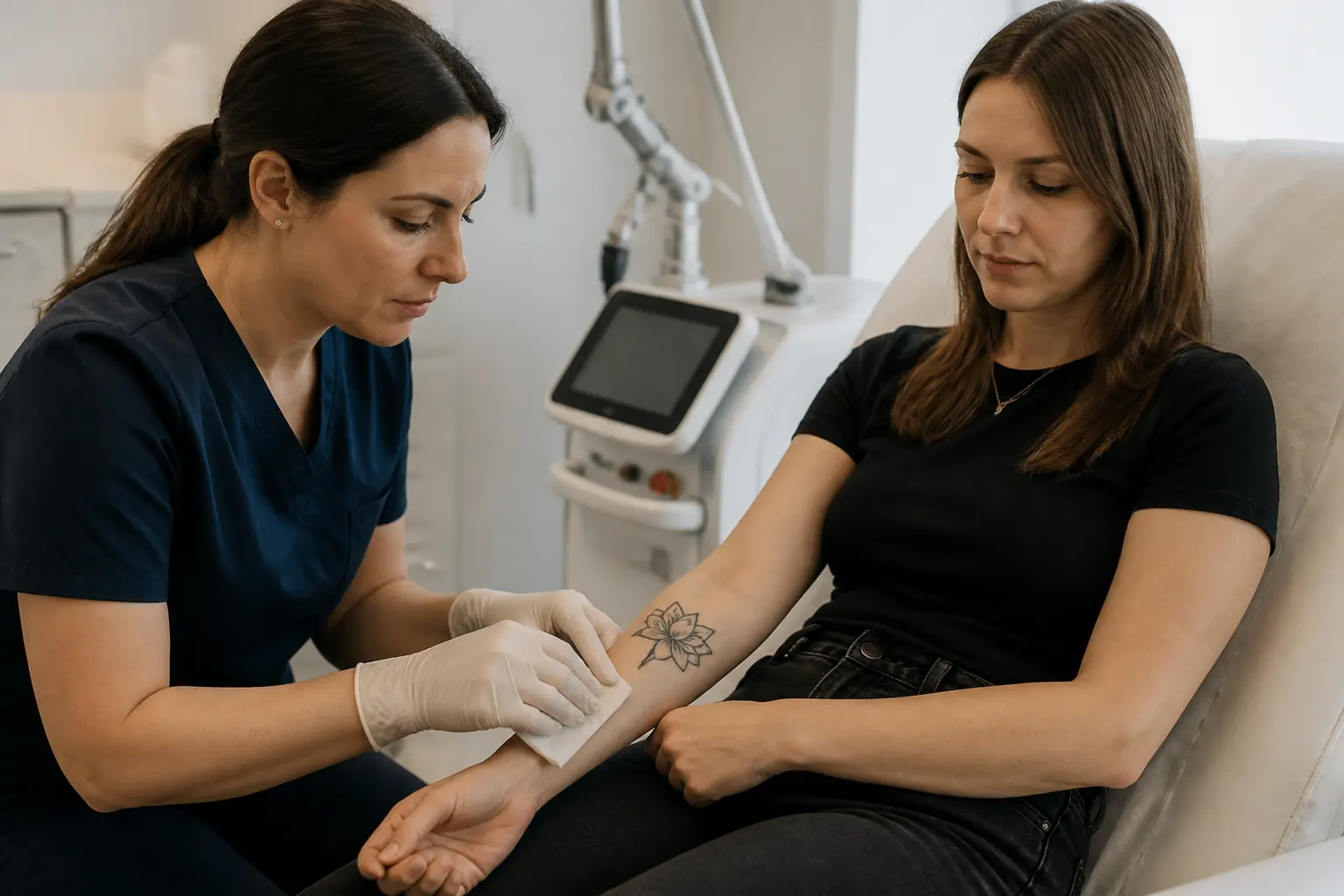
The first 24 to 48 hours: settling the immediate response
Directly after laser tattoo removal, the area may feel warm and look red, raised or mildly swollen. Some people notice pinpoint bleeding, tenderness or a temporary frosted appearance. Cooling measures and a protective dressing may be used according to the professional’s protocol.
Your focus at this point is simple: protect the area from rubbing, heat, dirt and unnecessary pressure. Choose loose clothing if the tattoo is under a waistband, bra strap, sock line or other area that experiences friction. Avoid testing the area repeatedly with your fingers. Clean hands are essential whenever you need to touch the skin.
The next few days: surface healing
As the initial redness settles, the area may remain sensitive. Some clients develop small blisters, crusting or scabbing. This can look concerning, but it is important not to pick, scratch or peel the skin. Removing a scab before it is ready may interrupt surface healing and can increase the chance of unwanted marks.
Aftercare recommendations differ according to the equipment used, the treated area and your individual response. A patient guide from Sandwell and West Birmingham NHS Trust advises keeping the area clean, avoiding perfumed products and exfoliation shortly after treatment, and allowing any scabs to fall away naturally. Your BeCammo practitioner should give you the instructions that apply to your own session.
The following weeks: gradual internal progress
Once the skin surface has calmed, it can be tempting to judge the appointment solely by how much lighter the tattoo looks. However, the internal part of the process is still continuing. The body gradually clears some of the fragmented pigment, and the visible result can continue to develop after the redness and scabbing have gone.
This is why booking sessions too close together is not a shortcut. The skin needs time to recover, and the fading process needs time to unfold. DermNet notes that tattoo removal may require multiple sessions and that sessions are generally spaced by at least several weeks, with the exact plan depending on the case.
At BeCammo · Sliema
Laser tattoo removal in Malta
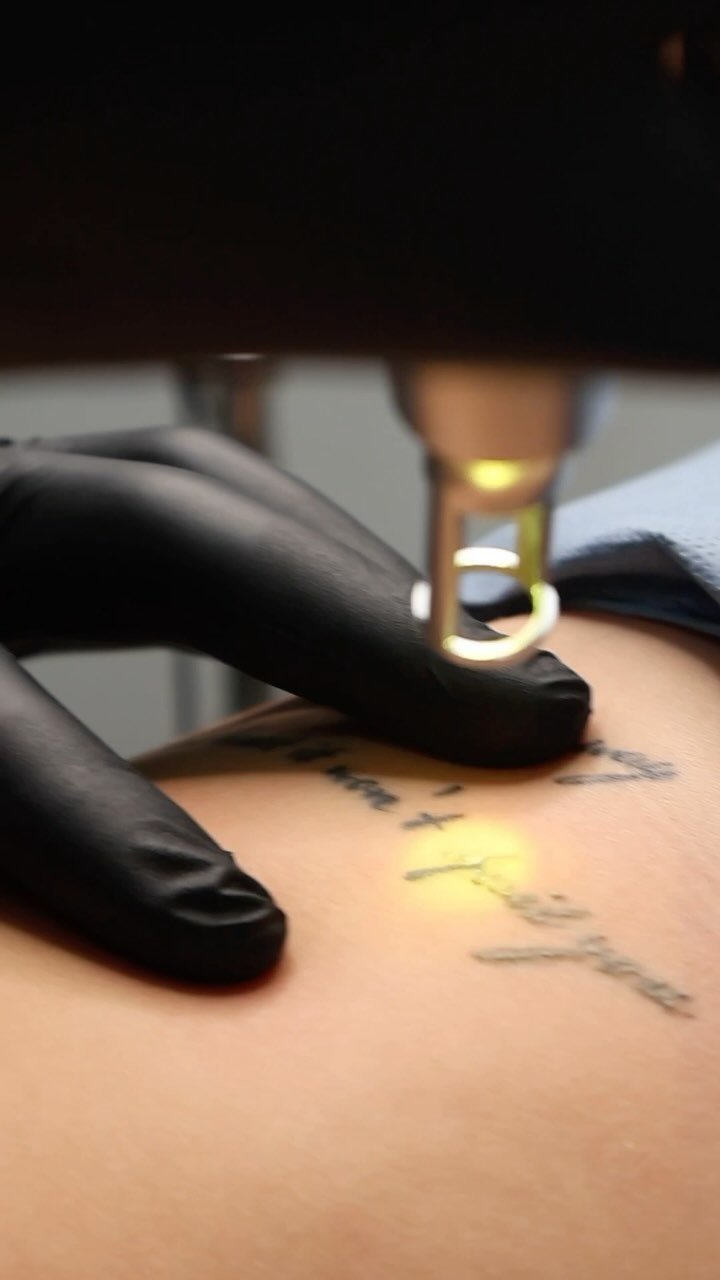
Fade or remove unwanted tattoos and old microblading at our Sliema salon.
- from €50price
- Sliemawhere
- ★ 5.0460+ Google reviews
Why can tattoos look different while healing?
A tattoo can look darker, patchier, hazier or temporarily more noticeable during recovery. That does not automatically tell you what the final result of the session will be. Surface changes such as redness, dryness, crusting or swelling can alter how the pigment appears from day to day.
It is also common for fading to be uneven. Tattoos rarely contain ink at identical depths throughout the design. A line may soften before a shaded area, or one colour may respond differently from another. Some colours can be more complex to address, and complete removal cannot be promised.
Try not to compare your healing timeline with a friend’s, a photograph online or a previous tattoo on another part of your body. Tattoo placement matters. Areas with more friction may need extra protection, while individual circulation, skin characteristics and lifestyle can also shape the experience.
How should you support your skin between sessions?
Good aftercare is not about doing more. It is about avoiding the things that can unnecessarily irritate healing skin and following the guidance given for your appointment.
Protect the area from sun exposure
Sun exposure can complicate the planning of laser procedures and may contribute to unwanted colour changes in healing skin. Keep the area covered where practical. Once your practitioner confirms it is appropriate to use it, apply suitable sun protection consistently. Do not attend a laser appointment with recently tanned or sunburnt skin, and let the studio know if your skin has changed before your next booking.
Keep cleansing gentle
Use clean hands and avoid scrubs, exfoliating acids, fragranced products and rough towels on the area during the early recovery period. Pat rather than rub. If your practitioner has recommended a particular protective product or dressing routine, use it exactly as advised.
Pause heat, swimming and intense exercise when advised
Heat, sweat, chlorinated water, seawater, steam rooms and saunas can be unhelpful when the skin is newly irritated or broken. In Malta, this point is especially relevant during warmer months, when beach plans and outdoor exercise are part of everyday life. Plan your session with enough quiet recovery time afterwards instead of trying to fit it around a full day in the sun or an intense workout.
NHS laser aftercare guidance commonly advises avoiding strenuous activity, swimming and saunas while the area is healing or while scabbing remains. The exact timing should come from your practitioner because it depends on your skin response and the treatment area.
Leave blisters and scabs alone
Do not burst blisters or pull at scabs. Cover and protect the area as instructed, particularly if clothing may rub against it. It can take patience, but allowing the surface to heal undisturbed is a practical way to reduce avoidable irritation.
Be honest before the next session
Before every appointment, share any changes that could affect your plan. This includes prolonged healing, a reaction that worried you, new medication, recent sun exposure, pregnancy, a change in your health, or products you have applied to the area. Good tattoo removal is collaborative. The professional needs an accurate picture of how your skin responded before deciding how to proceed.
When should you contact a professional sooner?
Some redness, warmth, mild swelling and temporary tenderness can occur after laser tattoo removal. However, do not ignore symptoms that feel unusual, become progressively worse or do not match the aftercare guidance you were given.
Contact the studio promptly for advice if you have concerns about the healing area. Seek medical advice urgently if you develop signs that may suggest infection or a significant reaction, such as increasing pain, spreading redness, marked swelling, pus, fever, or feeling generally unwell. A professional studio can advise on the next step, but medical concerns need appropriate medical assessment.
You should also raise persistent changes in skin colour, unexpected scarring, prolonged weeping or healing that seems delayed. The Leeds Teaching Hospitals NHS Trust advises patients to contact their laser service when they experience concerning or persistent swelling, blistering, scabbing, crusting or weeping after laser care. It is always better to ask early than to guess.
How can the wait between sessions feel worthwhile?
The gap between appointments can feel slow when you are ready to move on from an old tattoo or prepare an area for a future cover-up. Yet the waiting period is not inactive time. Your skin is recovering from the laser response, while your body continues the gradual work of clearing affected ink particles.
Taking a clear photo in similar lighting before each session can help you notice longer-term changes without constantly checking the area in the mirror. Avoid judging progress too soon after an appointment, when temporary redness or texture changes can disguise the result.
It is also useful to prepare practical questions for your next visit:
- Has my skin healed as expected since the last session?
- Is the current spacing still appropriate for my tattoo and skin response?
- Are there any activities or products I should avoid before the next appointment?
- Is the fading pattern consistent with the colours and depth of my tattoo?
- What should make me contact the studio before my scheduled session?
A considered approach gives skin the time it needs
Healing between tattoo removal sessions is a meaningful part of the overall process. The visible changes on the surface, followed by the gradual clearing of pigment over time, are reasons to give your skin careful attention rather than rush from one session to the next.
If you are considering laser tattoo removal in Malta, or you have questions about how your skin may be assessed before starting, book a consultation at BeCammo’s Sliema studio. A personalised conversation can help you understand the procedure, aftercare and realistic session planning for your tattoo.
Frequently asked questions
How long does skin take to heal after laser tattoo removal?
The surface of the skin may settle over days or weeks, depending on your individual response and whether blistering or scabbing occurs. The wider fading process can continue for longer, which is why appointments are normally spaced apart. Follow the aftercare plan given specifically for your session.
Is blistering normal after laser tattoo removal?
Blistering can occur after laser procedures, but it should be treated carefully. Do not burst blisters or pick at the skin. Contact your practitioner for guidance, especially if the blistering is extensive, painful or accompanied by worsening symptoms.
Can I exercise between tattoo removal sessions?
Usually, exercise can be resumed after the initial recovery period, but intense exercise and heavy sweating may need to be avoided immediately after a session. Ask your practitioner for advice based on the tattoo’s location and how your skin is healing.
Why does my tattoo look darker after a laser session?
Temporary redness, swelling, crusting and changes in the skin surface can make the tattoo look different during early healing. Some pigments may also behave unpredictably. Avoid drawing conclusions too soon and ask your practitioner to review any change that concerns you.
Can I go in the sun between tattoo removal sessions?
Protecting the area from sun exposure is important throughout a course of laser sessions. Avoid tanning and sunburn, keep the area covered when possible and follow your practitioner’s advice on when and how to use sun protection.
How many tattoo removal sessions will I need?
There is no fixed number for every tattoo. Ink colours, depth, tattoo age, location, skin response and the goal for removal or fading all matter. A consultation is the best place to discuss what may be realistic for your individual tattoo.