Relaxing Massage Benefits for Stress, Sleep and Unwinding
Brenda Cammo Team
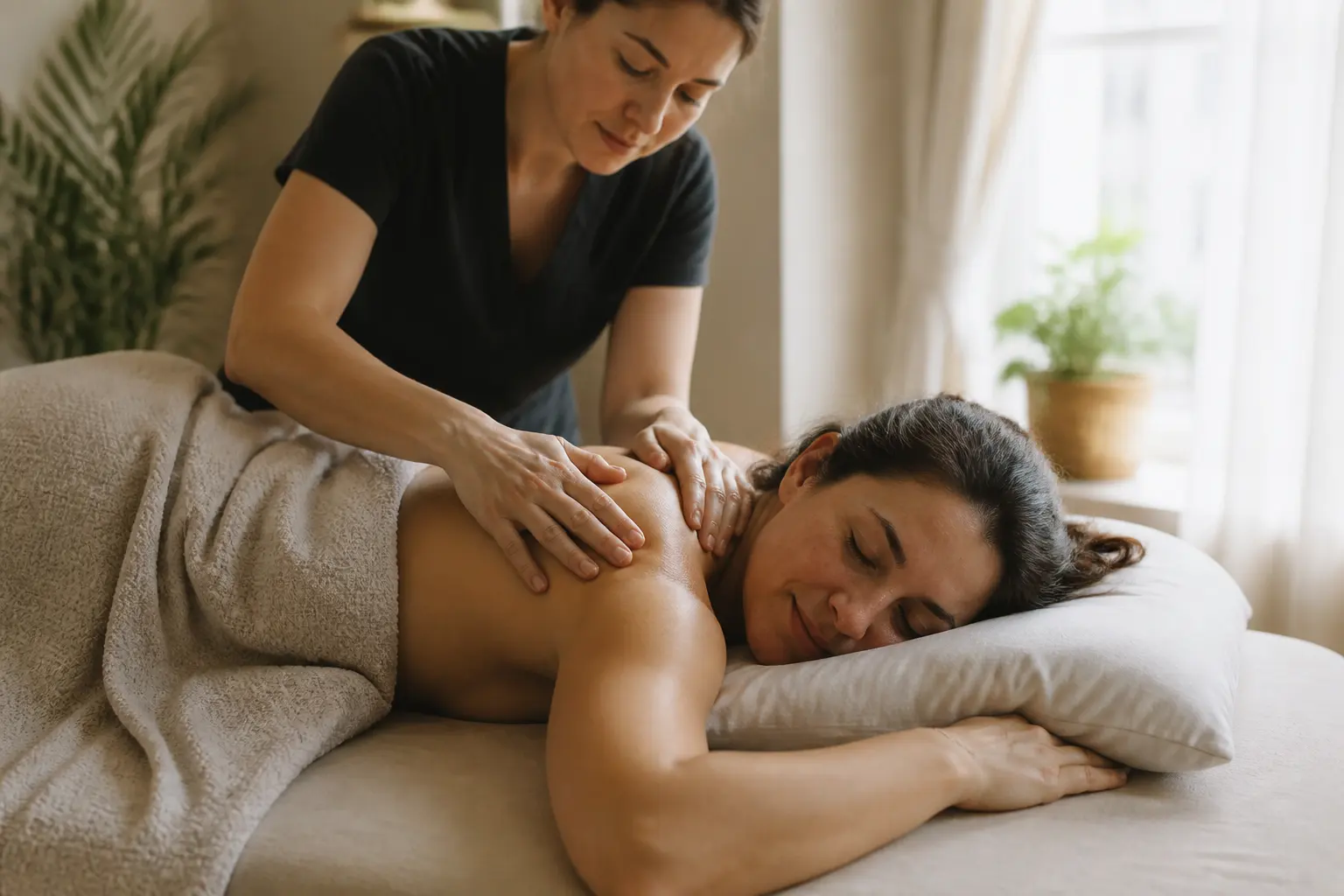
A busy week can leave your body feeling as if it is still rushing long after you have stopped working. Your shoulders stay lifted, your jaw feels tight, your thoughts keep moving and bedtime does not always bring the switch-off you hoped for. This is where a relaxing massage can become a valuable part of a wider self-care routine.
People often search for relaxing massage benefits because they want one simple thing: to feel settled again. Massage is not a medical reset button, and the phrase “nervous system reset” should be understood as a wellbeing shortcut rather than a clinical promise. Still, a calm, professionally delivered massage can create protected time to slow down, notice physical tension and move into a more restful state.
For clients in Malta balancing work, family, travel and the pace of daily life, booking a massage can be an intentional pause. The aim is not to force a result. It is to give your body and mind a quieter environment in which to unwind.
What does a relaxing massage involve?
A relaxing massage is generally centred on comfort, steady touch and a pace that helps you settle. It is different from a session designed primarily around intense muscular recovery or sports performance. Pressure should feel manageable, and communication matters throughout.
At a professional studio, the appointment should begin with a short conversation about what you need that day. You may want to focus on areas that commonly hold everyday tension, such as the neck, shoulders, upper back, hands or feet. You can also explain whether you prefer lighter or firmer pressure, whether you are sensitive to touch, and whether there are areas that should be avoided.
A thoughtful session is not about pushing through discomfort. If pressure feels too strong, if you feel cold, or if your position is not comfortable, say so. Adjustments are part of good professional care, not an inconvenience.
Relaxing massage and stress: creating room to decompress
Stress is not always visible, but it can show up in the way we breathe, sit, clench or struggle to concentrate. A massage cannot remove the cause of a demanding job, a full calendar or a difficult personal situation. What it can offer is a period without tasks to complete, screens to answer or decisions to make.
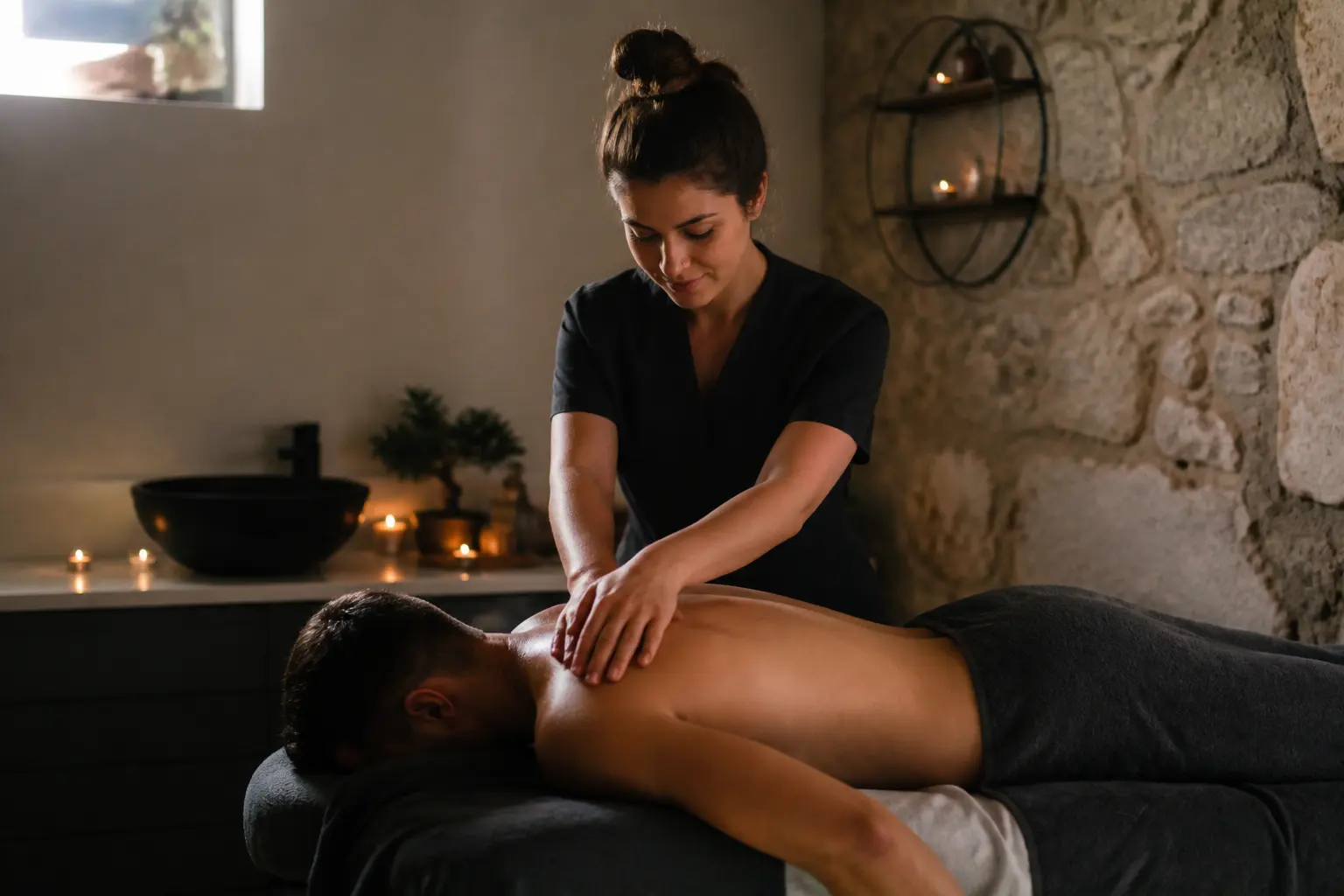
That pause can be meaningful. During a massage, many people become more aware of how much tension they have been carrying. Slower breathing, a comfortable treatment space and focused physical care may make it easier to move away from the feeling of being constantly “on”.
Research on massage and anxiety is still mixed, and higher-quality studies are needed before strong conclusions can be made. The US National Center for Complementary and Integrative Health notes that some studies suggest massage may reduce anxiety, while also emphasising that the evidence is not yet definitive. (nccih.nih.gov)
This balanced view is useful. Think of a relaxing massage as supportive wellbeing care, not a replacement for mental-health treatment, counselling or medical advice when those are needed. Its most immediate value may be simple: it gives you space to stop bracing against the day.
Signs you may be carrying more tension than you realise
- You regularly notice raised shoulders when working or driving.
- You clench your jaw or hold your breath when concentrating.
- You find it hard to transition from work mode to personal time.
- You feel physically restless when you finally sit down.
- You want self-care that feels quieter and less demanding than another workout or social plan.
These signs do not diagnose anything. They are simply useful prompts to check in with yourself and consider what kind of rest would actually help.
Can a relaxing massage help with sleep?
A massage is not a cure for insomnia, and one appointment cannot guarantee a better night’s sleep. Sleep can be affected by many factors, including stress, caffeine, pain, shift patterns, travel, medication and underlying health concerns.
However, the wind-down effect of a relaxing massage may fit well into a healthier evening routine. When your body feels less tense and your mind has had a break from constant stimulation, it may be easier to move towards rest. Some people prefer an appointment later in the day for precisely this reason, while others enjoy one earlier and protect the calm afterwards with a lighter schedule.
Evidence specifically linking massage to improved sleep is limited and varies between groups studied. The National Center for Complementary and Integrative Health includes massage among physical complementary approaches discussed in relation to sleep, but does not present it as an established stand-alone treatment for sleep disorders. (nccih.nih.gov)
The most realistic expectation is this: a massage may help you feel more relaxed before bed, particularly when combined with sleep-supportive habits. It is one part of the routine, not the whole routine.
How to make the most of a massage before sleep
- Choose a calm time afterwards. Avoid booking just before a long meeting, a rushed school run or a late-night to-do list if possible.
- Reduce stimulation when you get home. Dim lights, put your phone away for a while and choose a quieter activity.
- Keep your evening simple. A light meal, water and a comfortable bedtime routine can help preserve the sense of calm.
- Notice what works for you. Some people feel sleepy after massage, while others feel refreshed. Plan future appointments around your own response.
If poor sleep is persistent, severe or affecting your daily functioning, speak with a qualified healthcare professional. Massage may be a comforting addition to your routine, but it should not delay assessment of an ongoing sleep problem.
What people mean by a “nervous system reset”
“Nervous system reset” is popular language, but it can make wellbeing sound more dramatic or predictable than it is. Your nervous system does not need to be switched off and on by a massage. It is constantly responding to what is happening around and within you.
In everyday use, the phrase usually means wanting to move from a state of alertness, overwhelm or physical tightness towards a feeling of calm. A quiet massage appointment may support that transition through stillness, reassuring touch and time away from demands.
It is better to describe the goal as regulation and recovery rather than a reset. You are creating a moment where your body has fewer signals to respond to and where you can practise letting go of unnecessary tension. That can feel deeply restorative, even though it is not a medical intervention.
A good relaxing massage does not ask you to perform, explain everything or achieve a perfect state of calm. It simply gives you time and care to slow down.
Why the professional setting matters
Relaxation depends on more than the massage itself. The setting, hygiene, communication and practitioner’s attention all shape how secure and comfortable you feel. A professional appointment should make it easy to share relevant information, state your preferences and ask questions without embarrassment.
Before booking, consider what you want from the session. Are you looking for a gentler experience after a hectic period? Would you like attention around the shoulders and upper back? Do you prefer a quiet appointment, or do you need guidance on what to expect? Being clear helps the practitioner tailor the session within the service offered.
At Becammo, massage and spa services are part of a wider approach to personal care. The most useful appointment is the one that suits your comfort, timetable and individual needs, rather than a one-size-fits-all idea of relaxation.
When should you postpone a massage or ask for advice first?
Massage is generally considered to have a low risk of harm when it is appropriate and provided by a trained professional, but it is not suitable in every circumstance. The National Center for Complementary and Integrative Health notes rare serious adverse effects, particularly with vigorous massage or in people who may have a higher risk of injury. (nccih.nih.gov)
Tell the studio about relevant health information before your appointment. It is particularly important to seek medical advice first if you have an acute injury, unexplained swelling, a history or concern about blood clots, a fever or contagious illness, a serious skin condition in the treatment area, recent surgery, or a health condition that changes what pressure or positioning is appropriate.
Pregnancy, cancer care, circulatory concerns and ongoing medical treatment do not automatically mean massage is off limits, but they may require clinician guidance and an appropriately adapted approach. Never feel that you have to minimise a concern just to keep an appointment. Your comfort and safety come first.
How often should you book a relaxing massage?
There is no single schedule that suits everyone. Some people book a massage after an especially intense period, before a holiday or when they notice that tension is building. Others prefer a regular rhythm as part of ongoing self-care.
Rather than chasing a fixed frequency, start with your lifestyle. Ask yourself whether you are giving yourself meaningful opportunities to rest between appointments as well. A massage can support your routine, but daily habits such as movement, hydration, breaks from screens, regular meals and a consistent sleep window also matter.
If you are new to massage, one session is a sensible way to learn what type of pressure and timing you enjoy. You can then decide whether occasional bookings or a more regular routine feels realistic and worthwhile.
Making relaxation last beyond the appointment
You do not need to overhaul your life to protect the benefits of a quieter hour. A few small choices can make the transition out of a massage feel less abrupt:
- Leave a little extra time before your next commitment.
- Drink water and eat normally if you need a meal afterwards.
- Choose gentle movement rather than rushing straight into intense exercise.
- Make a note of where you tend to hold tension during the week.
- Use brief pauses at your desk to lower your shoulders and soften your jaw.
- Build a simple evening ritual that tells your mind the working day is over.
These habits will not make life stress-free. They can, however, make rest feel more available and help you recognise when you need to slow down earlier.
Conclusion
The best relaxing massage benefits are often the least dramatic: an hour to breathe more slowly, release the tension you have noticed in your shoulders and leave feeling less rushed than when you arrived. It may support stress management and a calmer bedtime routine, but it is not a replacement for medical or mental-health care when those are needed.
If you are looking for a professional massage or spa appointment in Malta, choose a time when you can genuinely enjoy the pause. You can book the service that suits you at Becammo’s Sliema or Swieqi location, and ask the team about comfort, pressure and what to expect before your visit.
Frequently asked questions
Will a relaxing massage make me sleep better that night?
It may help you feel calmer and more ready to wind down, but it cannot guarantee better sleep. Your sleep is influenced by many factors, so treat massage as a supportive part of a broader evening routine.
Is a relaxing massage the same as deep tissue massage?
Not necessarily. A relaxing massage usually prioritises comfort and a calming pace. Deep tissue work can use firmer techniques and may suit different goals. Discuss your preference and any areas of sensitivity before the session.
Should massage pressure hurt to be effective?
No. Discomfort is not a measure of quality. A relaxing session should be adjusted to your comfort. Tell your practitioner straight away if pressure feels too intense.
Can I have a massage when I feel stressed or anxious?
Many people choose massage to create time to unwind. However, massage is not a substitute for professional mental-health support. If anxiety feels persistent, severe or difficult to manage, contact an appropriate healthcare professional.
What should I do after a relaxing massage?
Give yourself a little time to move slowly, drink water, eat if needed and avoid turning the rest of the day into another rush. If you are booking in the evening, a quieter routine afterwards may help you preserve the relaxed feeling.
When should I not book a massage?
Postpone and seek advice if you are unwell with a fever or contagious condition, have an acute injury, unexplained swelling or another health concern that may affect safe treatment. Always share relevant information before your appointment.