Who Should Avoid Microblading? Honest Guidance Before Booking
Brenda Cammo Team

Microblading can be a considered option for people who want more definition, balance or the appearance of fuller brows. It is not, however, an automatic fit for every person or every moment. Because the technique places pigment into the upper layers of the skin with fine strokes, your skin condition, health history, medication and expectations all matter.
If you are wondering who should avoid microblading, the most helpful answer is not a simple yes or no. Some people should postpone their appointment until a temporary concern has settled. Others need advice from the clinician who manages their health before making a decision. In some situations, a different brow service may be the more appropriate choice.
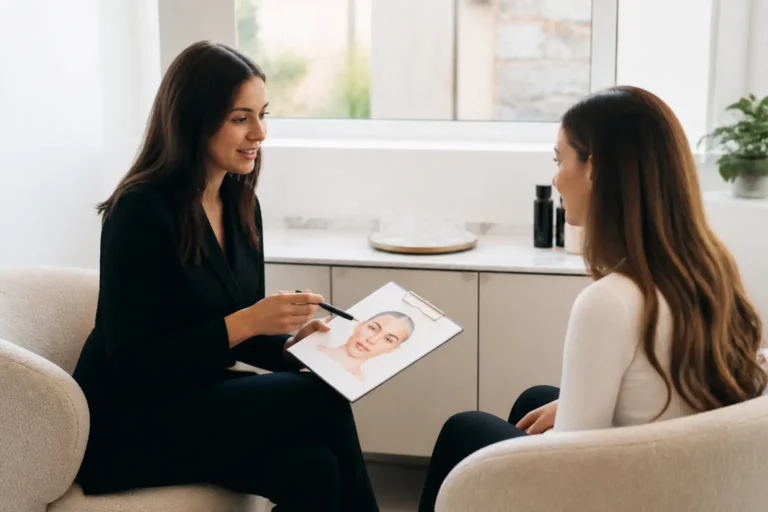
An honest consultation is therefore part of good planning, not an obstacle to getting the brows you want. It creates space to discuss your skin, your routine and the look you hope to achieve before any pigment is placed.
First, what microblading involves
Brazilian microblading is a semi-permanent brow technique designed to create fine, hair-like strokes. The aim is to work with your natural brow pattern, facial proportions and preferred level of definition, rather than impose one fixed brow shape on everyone.
Although it is a beauty procedure, it involves breaking the skin. That is why a professional studio should take hygiene, client information, consent and aftercare seriously. In Malta, semi-permanent tattooing is regulated and must be carried out by licensed artists. The Malta semi-permanent tattooing studio manual explains this licensing framework.
Microblading is also different from a normal brow-shaping appointment. Threading or tinting may help refine the hairs and colour you already have, while microblading introduces pigment through a semi-permanent process. That distinction is important when deciding whether now is the right time to book.
People who should postpone microblading
Postponing does not necessarily mean ruling it out forever. It often means giving your skin and body time to settle, then reassessing when the conditions are better for an informed appointment.

You have an active skin concern in the brow area
Wait if the brow area has broken skin, irritation, a rash, sunburn, an active infection, a flare-up of a known skin condition or any unexplained change. Pigment should not be placed through compromised skin.
This includes spots that are inflamed close to the brows, healing scratches, cold sores near the treatment area and reactions following a new product. It can be tempting to keep an appointment because the issue looks small, but a professional assessment may conclude that waiting is the sensible option.
Do not try to cover a rash or irritation with makeup in the hope that it will not be noticed. Clear, accurate information helps the artist make a responsible decision and protects the quality of your experience.
You are healing after another facial procedure
Microblading should not be squeezed into a period when your brow skin is still recovering from another procedure. This may include a peel, dermaplaning, laser service, needling procedure or a strong at-home exfoliation that has left the area sensitive.
The correct interval varies according to what was done, how your skin responded and whether the procedure involved the brow area. Instead of relying on a generic online timetable, tell the studio exactly what you have had, when you had it and what products were used. If the procedure was provided by a clinician, ask them when it is appropriate to consider a skin-breaking cosmetic service.
You are currently unwell or recovering from an infection
Feeling generally unwell, managing a fever or recovering from an infection is a reason to pause and rearrange. A beauty appointment is easier to enjoy and plan for when you are well, able to follow aftercare and not dealing with other immediate health demands.
Likewise, if you have a known active infection or an outbreak close to the face, seek appropriate medical advice first. An artist cannot diagnose the cause of a skin change or tell you whether it is safe to proceed medically.
You have recently had significant sun exposure or sunburn
Strong Malta sunshine, a beach day or a holiday can leave facial skin more reactive than it first appears. If your brow area is red, tender, peeling or tanned after substantial sun exposure, delay the appointment. Skin that has been sunburnt needs time to recover.
This is also a practical booking point. Microblading requires thoughtful aftercare, so avoid choosing a date immediately before a sun-focused holiday, pool plans or outdoor events where it may be difficult to protect the area as advised.
When medical advice should come before booking
Microblading artists are trained in the technique and studio protocols, but they are not a substitute for your GP, dermatologist, prescribing clinician or specialist. If any of the following applies to you, speak to the health professional who knows your history before you book or pay a deposit.
You take medication that affects bleeding, clotting or healing
Some prescribed medicines can affect bleeding, bruising, skin sensitivity or healing. Blood-thinning medication is a key example. The King’s College Hospital NHS guidance on anticoagulants advises that tattooing is not advisable while taking blood-thinning medicine because of increased bleeding or infection risk, and recommends speaking to an anticoagulation clinic or GP.
Never stop, skip or change prescribed medication to make a cosmetic appointment possible. Only the clinician who prescribed it can advise on your individual situation. At your consultation, share the medication name and the advice you have received, rather than simply saying that you take a tablet every day.
You have a health condition that may affect skin recovery
Conditions that affect the immune system, blood sugar management, clotting, inflammation or healing deserve individual medical guidance. The same applies if you are having chemotherapy, radiotherapy, immune-suppressing treatment or another course of care that changes how your body responds.
This is not about making assumptions or excluding people because of a diagnosis. It is about recognising that suitability cannot be safely decided from a short online checklist. Your clinician can explain whether a skin-breaking cosmetic procedure is appropriate at this time and what precautions may matter.
You have a history of raised or unusual scarring
If you have previously developed keloid or raised scars, or you have concerns about how your skin heals after cuts and procedures, discuss this with a dermatologist or other appropriate clinician before considering microblading. Mention the history during your consultation even if the scar occurred elsewhere on the body.
The same open approach is useful if you have a history of strong reactions to pigments, metals, adhesives, topical products or local anaesthetics. A past reaction does not identify its exact cause on its own, but it is information that should not be left out.
You are pregnant, breastfeeding or trying to conceive
Many studios take a cautious approach and ask clients to wait until after pregnancy and breastfeeding before considering microblading. Hormonal changes, changing skin behaviour and the limits around assessing risk make this a time for caution rather than a cosmetic deadline.
If you are pregnant, breastfeeding or trying to conceive, talk with your maternity team or clinician and expect that the responsible answer may be to postpone. Temporary brow options such as professional threading, shaping or tinting may be worth discussing when appropriate, but they also require an individual assessment of your skin and sensitivities.
Situations that call for a detailed consultation, not a quick booking
Some circumstances are not an automatic no, but they do make a proper conversation essential.
- You have had previous microblading, microshading, powder brows or other brow pigment and are unsure what remains.
- You want to correct an old shape or colour, rather than simply add a few subtle strokes.
- You have very oily skin, sparse hairs, uneven brow growth or an area with scar tissue.
- You have changed skincare products recently, especially if your routine includes strong actives or prescription treatments.
- You have an important trip, wedding, photoshoot or holiday coming up and need help choosing a realistic date.
- You are unsure whether microblading, microshading or a non-pigment brow service better matches your goal.
In these cases, an assessment helps set expectations. An artist can look at the existing brow pattern, discuss the style you are drawn to and explain whether your goal is realistic for your skin and current brow condition. If the answer is that microblading is not the right option today, that is useful information, not a failed consultation.
Questions a responsible studio should ask
A professional consultation should feel clear and respectful. You should be able to ask questions, disclose relevant information privately and receive a straightforward explanation of next steps. Before booking Brazilian microblading, expect to discuss:
- Your previous brow procedures, including any existing semi-permanent pigment.
- Skin conditions, allergies, recent reactions and current skincare products.
- Medication and any health information relevant to bleeding, infection risk or healing.
- Pregnancy, breastfeeding or plans to conceive, where relevant.
- Your desired brow shape, colour and level of definition.
- Your diary, including holidays, sun exposure, exercise plans and major events.
- What aftercare requires and when you can realistically follow it.
You should also feel comfortable asking about hygiene. Malta’s official standards for tattoo and semi-permanent tattooing services cover safe and hygienic practices, including infection-control expectations. You can review the Government of Malta standards for tattoo and semi-permanent tattooing services if you would like to understand the wider framework.
What to do if you are not suitable right now
It is understandable to feel disappointed if you need to postpone. Yet rushing a semi-permanent brow decision rarely serves you well. Use the time to let your skin settle, obtain advice from your clinician where needed and think about the brow result that feels most like you.
For some people, a temporary approach is the better fit. A threading and brow-design appointment can tidy and shape the natural hairs without introducing pigment. Depending on your assessment, tint or henna may also help create more visible definition. These are not substitutes for microblading in every case, but they can offer a useful way to explore a shape before committing to a semi-permanent technique.
If old pigment is the concern, do not assume that new strokes can simply be added on top. A consultation can establish whether the existing work needs a different plan first. Clear planning is particularly important when the goal is correction rather than a first-time brow enhancement.
Book when the decision feels informed
The best time to book microblading is when your skin is calm, your schedule allows sensible aftercare and you have disclosed the information that could affect suitability. You do not need to arrive with every answer, but you should be willing to discuss your history honestly and seek clinical advice when it is needed.
At Becammo, a semi-permanent consultation gives you space to ask questions before deciding. It is a practical first step for anyone in Malta who is unsure about suitability, has previous brow pigment or wants to understand whether Brazilian microblading fits their brow goals.
Frequently asked questions
Can I have microblading if I take blood thinners?
Do not make that decision without advice from the clinician managing your medication. Do not stop or alter prescribed blood-thinning medicine for a cosmetic appointment. Share the advice you receive with the studio before booking.
Can I get microblading with eczema or sensitive skin?
Sensitive skin alone does not explain suitability. However, active eczema, a rash, inflammation or broken skin around the brows means the appointment should be postponed. If you have an ongoing skin condition, ask your dermatologist or clinician for individual advice first.
Should I wait after a holiday in the sun?
Yes, if your skin is sunburnt, peeling, tender or noticeably irritated. Book when the brow area has settled, and choose a date that gives you enough time to follow aftercare without immediate heavy sun exposure.
Can old microblading be covered with new strokes?
Sometimes a new plan may be possible, but it depends on the old colour, shape, saturation and condition of the skin. A consultation is the right starting point. Do not book a standard first-time appointment assuming all previous work can be covered.
Is pregnancy a reason to postpone microblading?
Yes. A cautious approach is to wait until after pregnancy and breastfeeding, then reassess with appropriate professional advice. There is no need to rush a semi-permanent cosmetic decision during this period.
What if I am unsure whether I am suitable?
Book a semi-permanent consultation rather than guessing. Bring details of previous brow work, your current skincare and any relevant medications or health advice. If clinical guidance is needed, obtain it before moving forward.
When you are ready, choose a consultation that allows time for a clear, personalised conversation. A considered decision is the strongest foundation for brows that feel right for you.