Bold Statement Brows: Strong Definition, Healthy Hairs
Brenda Cammo Team
Bold statement brows are not about forcing every face into the same dramatic shape. They are about creating clear definition, balanced structure and enough depth for the brows to frame the eyes with confidence. The strongest results still look considered when they respect your natural hair direction, density and facial proportions.
If you want more impact from your brows but are cautious about thinning, over-plucking or an overly heavy finish, the answer is usually not simply to remove more hair. A professional brow appointment can focus on refining the outline, working with the hairs you have and choosing colour or styling only where it genuinely adds definition.
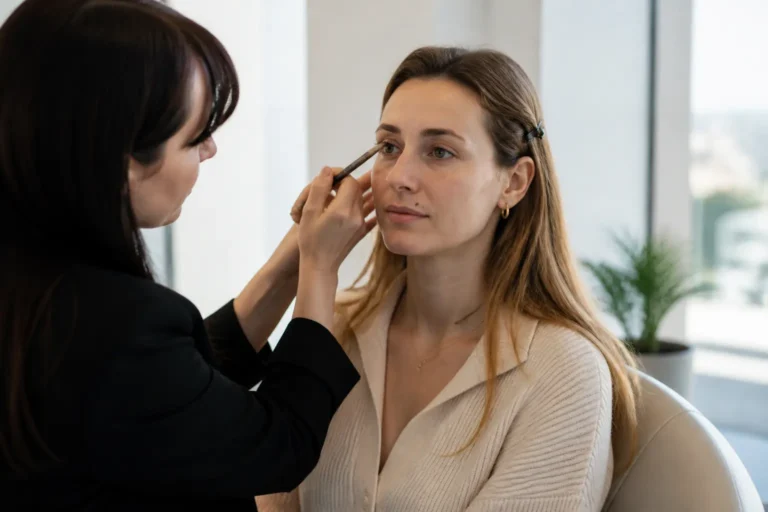
At a specialist brow studio, this process starts with observation rather than a template. Your brow bone, natural arch, hair texture, skin tone and everyday make-up preferences all influence what “bold” should mean for you. For one person, it may be a sharper tail and cleaner lower line. For another, it may be fuller-looking inner corners, a soft tint or brushed-up hairs that reveal more of the natural brow.
What makes a brow look bold?
Definition comes from contrast and structure. A brow can look stronger when its shape is easier to read, its edges are tidier and its colour sits in harmony with the hair and complexion. None of that requires an extreme arch, a very dark shade or a narrow, heavily sculpted line.
Well-designed bold brows usually combine several details:
- A clear outline: The start, arch and tail have an intentional relationship to one another.
- Controlled fullness: Density is retained where it helps the brow look naturally substantial.
- Clean surrounding skin: Removing selected stray hairs can make the main shape appear more defined.
- Natural hair direction: Hairs are guided and styled rather than flattened into an unfamiliar pattern.
- Appropriate depth of colour: Tint or henna, when suitable, can make lighter or uneven areas more visible.
The goal is not to draw a brow on top of your face. It is to make the brow that is already there read more clearly from a normal conversation distance, in daylight and in photographs.
Start with mapping, not over-removal
A common mistake when trying to achieve stronger brows is assuming that extra removal will create more definition. In reality, taking too much from the top, lower edge or tail can reduce the very density that gives a brow presence.
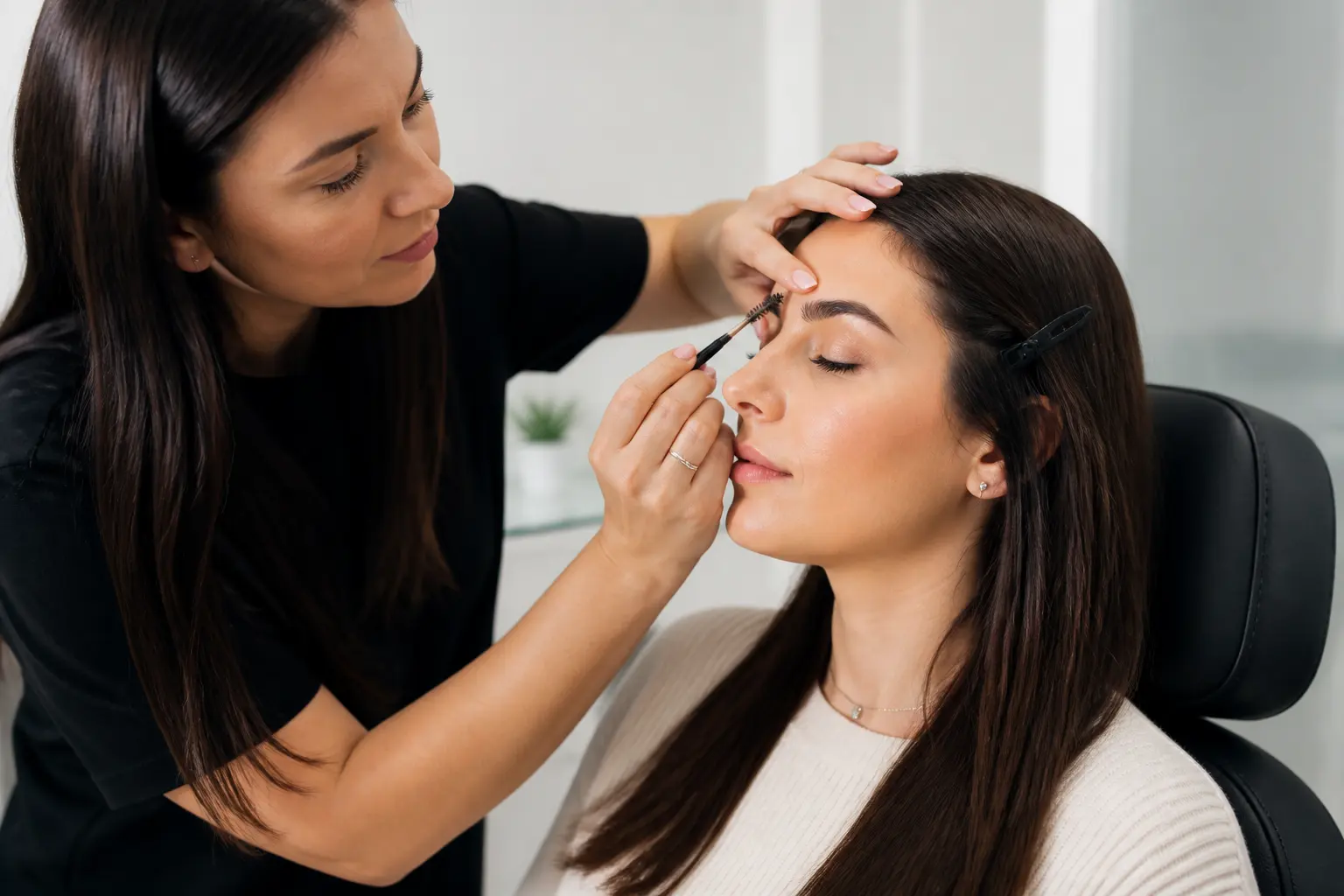
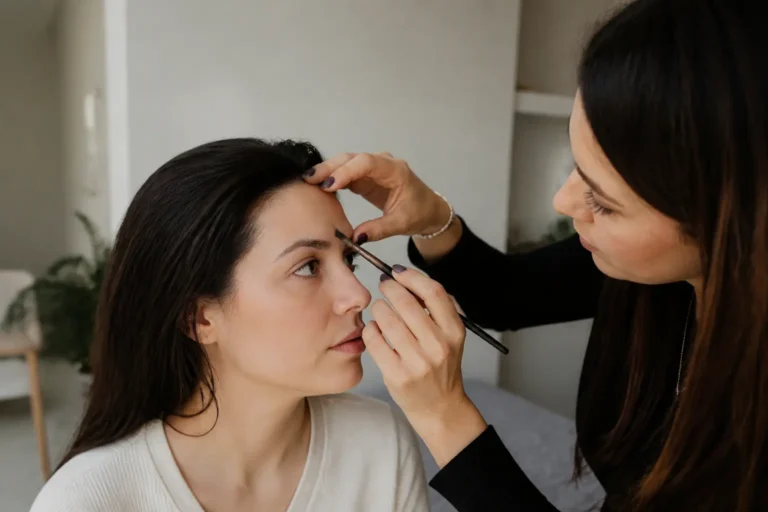
Professional brow mapping provides a useful starting point. It considers where the brow naturally begins, where the arch can sit in balance with the eye area and where the tail should finish without making the expression look dragged down. Mapping is not about applying a rigid formula. It is a way to assess proportion before shaping begins.
At Becammo, threading and brow design are approached as personalised services for different brow types and facial features. This matters in an international setting such as Malta, where clients can have very different hair textures, growth patterns and preferences. A fuller brow with coarse hairs needs a different approach from a fair brow with fine, sparse hairs.
Why preserving key areas matters
For a strong but healthy-looking result, the brow artist will often protect areas that contribute most to the overall shape. These may include the front of the brow, the upper line that supports fullness, or hairs through the arch that make the transition look smooth.
A few hairs can make a significant visual difference. Removing them simply because they sit slightly outside a previous outline may not always be the best choice. A good design allows room for natural variation while keeping the overall form polished.
How threading supports a precise, bold finish
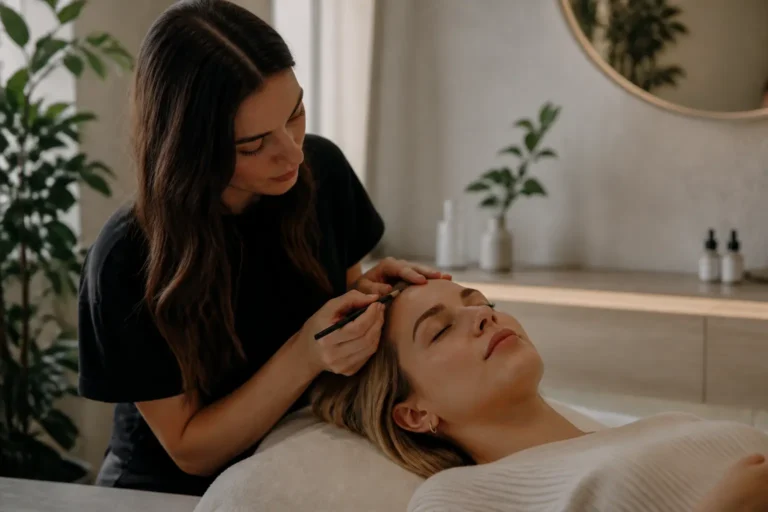
Threading is particularly helpful when the aim is detailed shaping. Using a fine thread, the artist can target unwanted hairs around the brow line and create clean definition without treating every area in exactly the same way. It can be useful for refining the top line, sharpening the tail and tidying the space between the brows while retaining the hairs that create fullness.
The experience can involve mild discomfort, especially in sensitive areas, but it is usually brief. At Becammo, single-use thread is used for each client. Cotton thread is the standard option, with polyester available for clients with a cotton allergy.
For bold statement brows, threading works best when the service is planned around restraint. The artist does not need to chase every tiny hair if doing so would make the brow appear too thin or overly severe. Precision is as much about knowing what to leave in place as it is about what to remove.
Choose definition that suits your natural colouring
Shape is only one part of a statement brow. Colour can make a major difference, particularly if your brow hairs are pale, naturally uneven in tone or less visible at the tail. Tint or henna can be considered alongside threading when you want a fuller-looking, more noticeable finish.
The right option depends on your skin, hair and desired level of definition. A professional consultation helps avoid choosing a colour that looks too flat, too warm, too cool or much darker than your natural brow hair. Strong brows should still belong to your face.
Tint or henna for a bolder brow?
Both can add visible depth, but the choice should be personal. Some clients prefer a subtle enhancement that makes individual hairs stand out more clearly. Others want a more pronounced effect around areas that look lighter or less even. Your brow artist can assess the current condition of your hairs, your skin and the finish you are hoping to achieve.
It is also helpful to think about your normal routine. If you regularly fill your brows with pencil or powder, a tint or henna service may simplify the look you create each morning. If you rarely wear make-up, a softer colour approach may feel more comfortable and easier to maintain.
Healthy-looking brow hairs need a gentle routine
A bold brow look lasts best when the hairs and surrounding skin are treated thoughtfully between appointments. There is no need for complicated routines, but consistent habits can help you avoid breakage, irritation and uneven styling.
Do not keep correcting the shape at home
It can be tempting to tweeze a few hairs as soon as they emerge, especially after a fresh appointment. However, frequent home tweezing can gradually blur the intended shape and make it harder to assess your natural growth pattern at the next visit.
If a stray hair is bothering you, consider waiting until your scheduled brow appointment where possible. Your brow artist can decide whether it should be removed or whether it is helping rebuild a fuller area of the design.
Brush, but do not pull
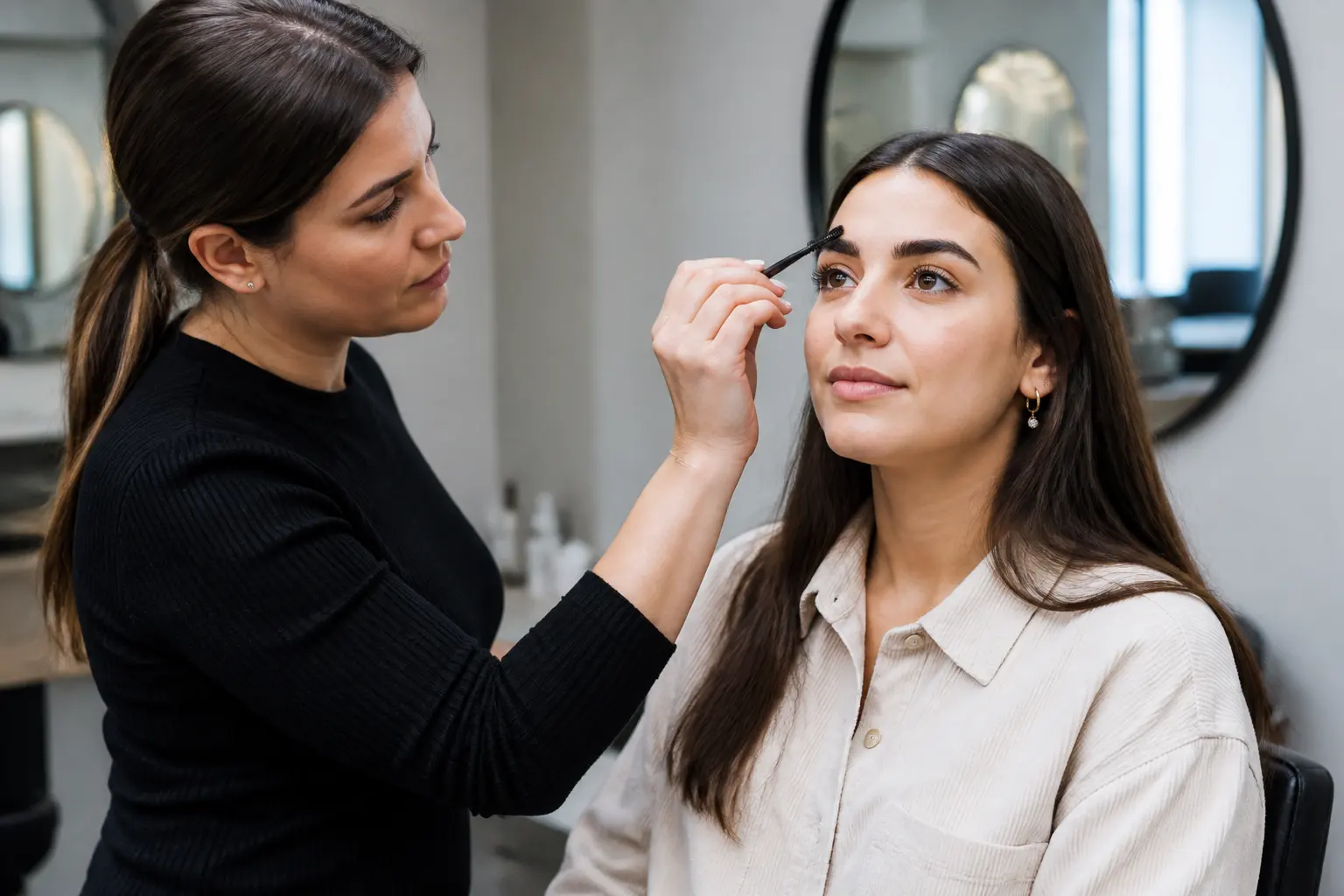
A clean spoolie brush can help guide brow hairs into place. Brush gently in the direction they naturally grow, then assess whether you like a soft, lifted or more structured finish. Avoid pulling at hairs while styling, particularly if you are trying to grow out previously over-plucked sections.
Clear brow gel or a suitable styling product can provide hold for a polished look. Use only as much as you need. Heavy layering can leave hairs stiff and make the brows look less natural up close.
Be careful with active skincare near the brows
If you use exfoliating acids, retinoids or other active skincare products, take care around the brow area before a shaping appointment. These products may make the skin feel more sensitive. Let your brow professional know about products you have recently used, particularly if your skin is reactive or peeling.
After threading, follow the studio’s personalised aftercare guidance. Keeping the area clean and avoiding unnecessary touching can be sensible while the skin settles. If you have a history of allergies, sensitivity or a skin concern, mention it before the service so the appointment can be approached appropriately.
Fullness does not always mean a bigger brow
Many people associate a statement brow with maximum thickness, but visual fullness can also come from good balance. A medium-width brow with a tidy lower line, visible arch and softly defined tail may look far stronger than a much thicker brow without shape.
This is why copying a celebrity brow or a social media trend rarely gives the most satisfying result. The trend may suit a particular facial structure, hair density, lighting setup or make-up style, but it may not translate naturally to yours.
A personalised design can create impact in several ways:
- Adding clarity to a naturally full but untidy brow.
- Making sparse areas appear more balanced through thoughtful shaping and colour.
- Softening an overly rounded or heavily plucked outline while allowing hairs to grow through.
- Creating a more lifted visual effect by refining the arch in a way that suits the face.
- Reducing the need for daily make-up by making the natural structure easier to see.
When brow lamination may be the right next step
If your main challenge is hair direction rather than lack of density, brow lamination may be worth discussing. This service is designed for clients who want a more brushed-up, fluffy or lifted appearance. It can make longer hairs easier to position and can change how much of the natural brow is visible.
However, brow lamination is not automatically the right choice for every bold brow goal. If you prefer a classic, sculpted shape or have hairs that already sit neatly, a threading and design appointment may provide the definition you need. The most suitable service depends on the condition of your hairs, the look you enjoy wearing and the level of maintenance you are comfortable with.
A consultation at the studio can help you decide whether your brows would benefit most from shaping alone, shaping with tint or henna, or a lamination-focused approach.
How often should you maintain a bold brow shape?
Maintenance timing varies with your rate of hair growth and how crisp you like the outline to look. Many clients notice new growth within a few weeks, while others prefer to wait longer to retain fullness. The best schedule is one that keeps the brows looking intentional without encouraging constant removal at home.
If you are growing out brows after over-plucking, your appointments may need a different strategy. Rather than aiming for a sharp, newly narrowed shape each time, the focus may be on tidying only the hairs that interrupt the overall line and leaving selected areas untouched. Progress is often easier to see when the same professional reviews the shape over several visits.
Preparing for your brow appointment in Malta
Arrive with a clear idea of the effect you want, but stay open to professional guidance. You might like a bold, editorial brow, a defined everyday shape or a stronger version of your current brows. Reference images can help communicate your preference, although they should be used as inspiration rather than a strict template.
Before the appointment, avoid unnecessary tweezing so the brow artist can see the full growth pattern. Let the team know if you have skin sensitivity, allergies or have recently used strong skincare around the brow area. During the appointment, share whether you normally wear your brows brushed up, softly filled or completely natural.
Becammo has studios in Sliema and Swieqi, making it easier to choose the location that works best for your routine. An online booking allows you to select the service and unit in advance.
Conclusion: strong brows should still feel like yours
The most successful bold statement brows combine visible definition with respect for your natural hairs. Instead of over-shaping, aim for a design that makes your brow structure clearer, keeps useful density in place and fits the way you want to look every day.
A professional threading and brow design appointment can give you a more confident starting point, whether you want clean structure, richer-looking colour or guidance on growing out an old shape. Book a visit at Becammo in Sliema or Swieqi and let the team help you create a stronger brow look that remains personal, balanced and easy to wear.
Frequently asked questions
Can sparse brows still look bold?
Yes. Boldness can come from a clean shape, a well-placed arch and colour that makes existing hairs more visible. The result should be adapted to the amount and direction of hair you naturally have, rather than trying to imitate a much denser brow.
Will threading make my brows too thin?
Threading is a method of hair removal, but the final result depends on the design plan and the professional’s technique. Explain that you want to retain fullness and definition. A personalised approach can focus on removing selected hairs while preserving density in key areas.
Should I choose tint or henna for statement brows?
It depends on the level of colour enhancement you prefer, as well as your brow hairs and skin. A brow professional can help you choose an option that supports your desired finish without making the colour look out of place.
Can I use brow gel after threading?
Follow the aftercare advice provided at your appointment, especially while the skin is settling. Once appropriate, a light application of brow gel can help maintain the direction and definition of your shape.
How do I grow out over-plucked brows?
Avoid repeatedly removing hairs from areas you want to rebuild. Book regular professional shaping so the overall brow can stay tidy while selected hairs are allowed to grow. Growth patterns and visible progress vary from person to person.