Natural lip micropigmentation aims for a refined wash of colour and soft definition that makes the lips look more even and fresh, rather than a dense lipstick effect. Less is more because lips move constantly, so an overly strong shade or an outline that ignores the natural lip line quickly feels out of place. The colour seen straight after the session is not the final healed shade.
Natural-looking lip micropigmentation is not about replacing your face with a new colour. It is about working with the tone, shape and character your lips already have, then adding soft definition and balanced colour in a way that still feels like you.
For many people considering lip blush in Malta, the biggest question is simple: will it look obvious? A thoughtful, less-is-more approach is designed to avoid that concern. Rather than aiming for a dense lipstick effect, the focus is usually on a refined wash of colour that can make the lips look more even, fresh and gently defined.
The result is personal. Skin tone, natural lip pigment, lip texture, preferred make-up style and healing all influence how the colour settles. That is why professional assessment and realistic expectations matter as much as the pigment choice itself.
What does a natural lip micropigmentation result look like?
A natural result generally looks like your lips on a particularly good day. The colour may appear more balanced, the outline can look clearer and areas that seem paler may look more harmonious. It should not necessarily announce itself as a cosmetic procedure.
Some clients want a barely-there rosy warmth. Others prefer a neutral nude effect or a little more definition around the natural border of the lips. Neither choice needs to look heavy. The common thread is proportion: the pigment should complement the rest of the face, rather than compete with brows, eyes or your usual make-up.
It is also helpful to separate the idea of natural from the idea of invisible. Lip micropigmentation is intended to create a visible enhancement, but a subtle one. You may still enjoy wearing lipstick, gloss or balm afterwards. The difference is that your bare lips can appear more polished when you choose not to wear extra colour.
Why does the less-is-more philosophy matter?
Lips are central to facial expression. Because they move when you speak, smile and eat, an overly strong shade or a shape that does not respect the natural lip line can feel out of place very quickly. A restrained plan gives the artist room to build colour with care and adapt the design to the individual client.
This approach is especially valuable when someone is unsure about semi-permanent colour. Starting with a softer target can be more comfortable than trying to recreate an opaque lipstick look. It also allows the everyday result to sit easily alongside different outfits, seasons and make-up preferences.
At a professional studio, less is more does not mean less attention to detail. It means more attention to the details that make a result believable: undertone, symmetry, lip proportions, natural pigment and the way the desired colour relates to the complexion.
It respects your natural lip tone
Your existing lip colour is part of the final visual outcome. A pigment is not applied onto a blank canvas, so it should be selected with the starting tone in mind. Warm, cool and neutral influences can all affect how a chosen shade appears once healed.
A personalised discussion helps avoid choosing a colour simply because it looked appealing on somebody else. The same reference shade can look different from one person to another, particularly where natural lip pigmentation varies across skin tones and ethnic backgrounds.
It keeps shape correction measured
Many people have small asymmetries in their lips. This is normal, and a natural approach does not try to erase every individual feature. Instead, the design can aim to create a more balanced overall impression while respecting the lips’ own structure.
Trying to force a dramatically different outline can create expectations that are not suitable for every lip shape. A professional conversation about what is realistically achievable is an important part of planning a result that feels elegant rather than overworked.
It works with your everyday routine
A soft lip blush effect can suit clients who usually wear minimal make-up, as well as those who enjoy a fuller routine but want their lips to have colour underneath. It can be a practical choice if you spend time at the beach, go to the gym, travel frequently or simply prefer a more put-together bare-faced look.
The goal is not to make make-up unnecessary. It is to give you a flexible base that still works whether you add a bold lipstick, a sheer gloss or nothing but lip balm.
At BeCammo · Swieqi
Brazilian microblading in Malta
Semi-permanent brows that look like your own hair, designed for your face with the Brazilian method created by Brenda Cammo.
- from €300price
- Swieqiwhere
- ★ 5.0460+ Google reviews
How does a professional studio plan a subtle result?
Natural results come from planning, not from choosing the palest pigment available. A colour that is too light or poorly matched may not create the balanced effect the client had hoped for. Equally, a shade that is selected without considering undertones can appear different from the original intention after healing.
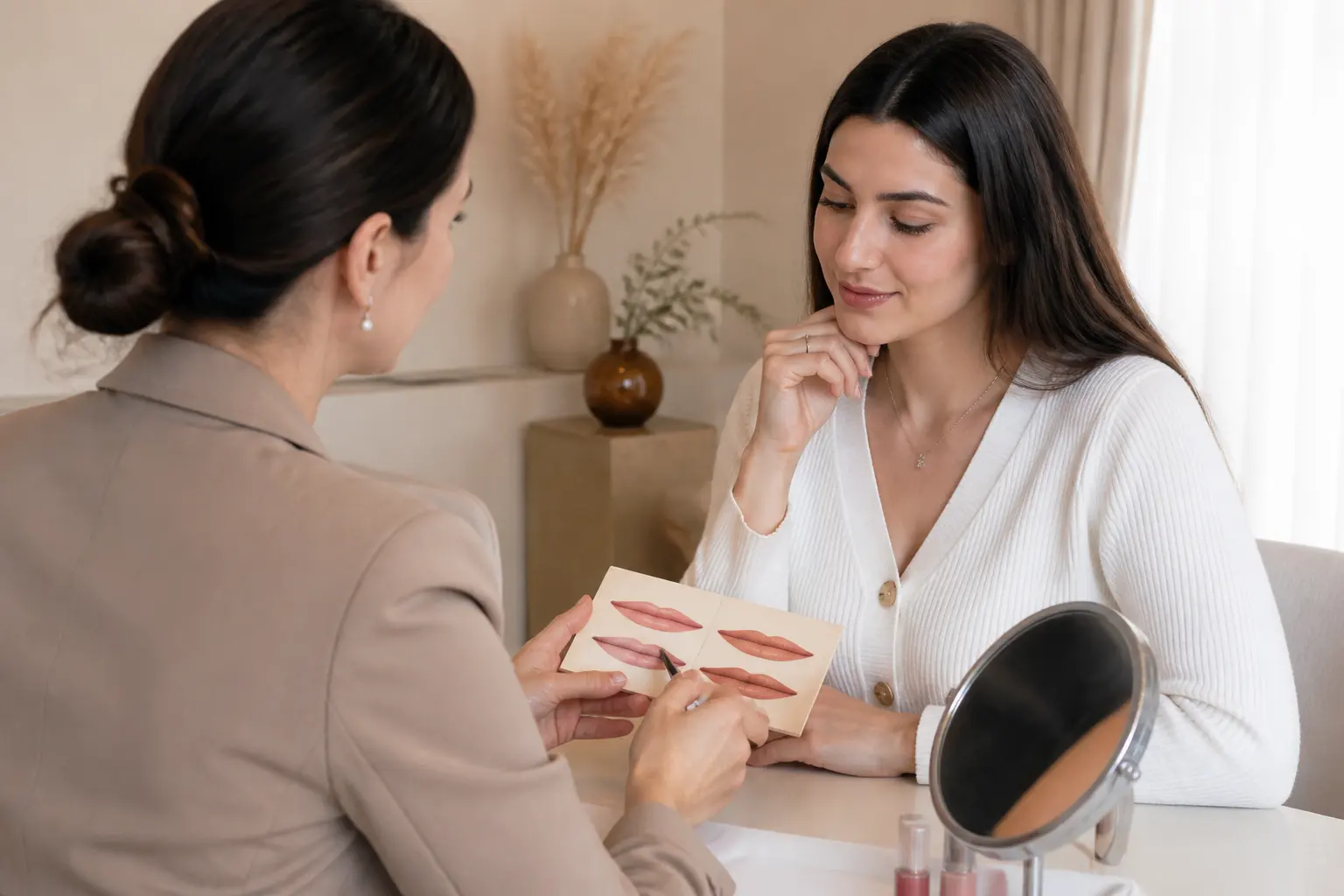
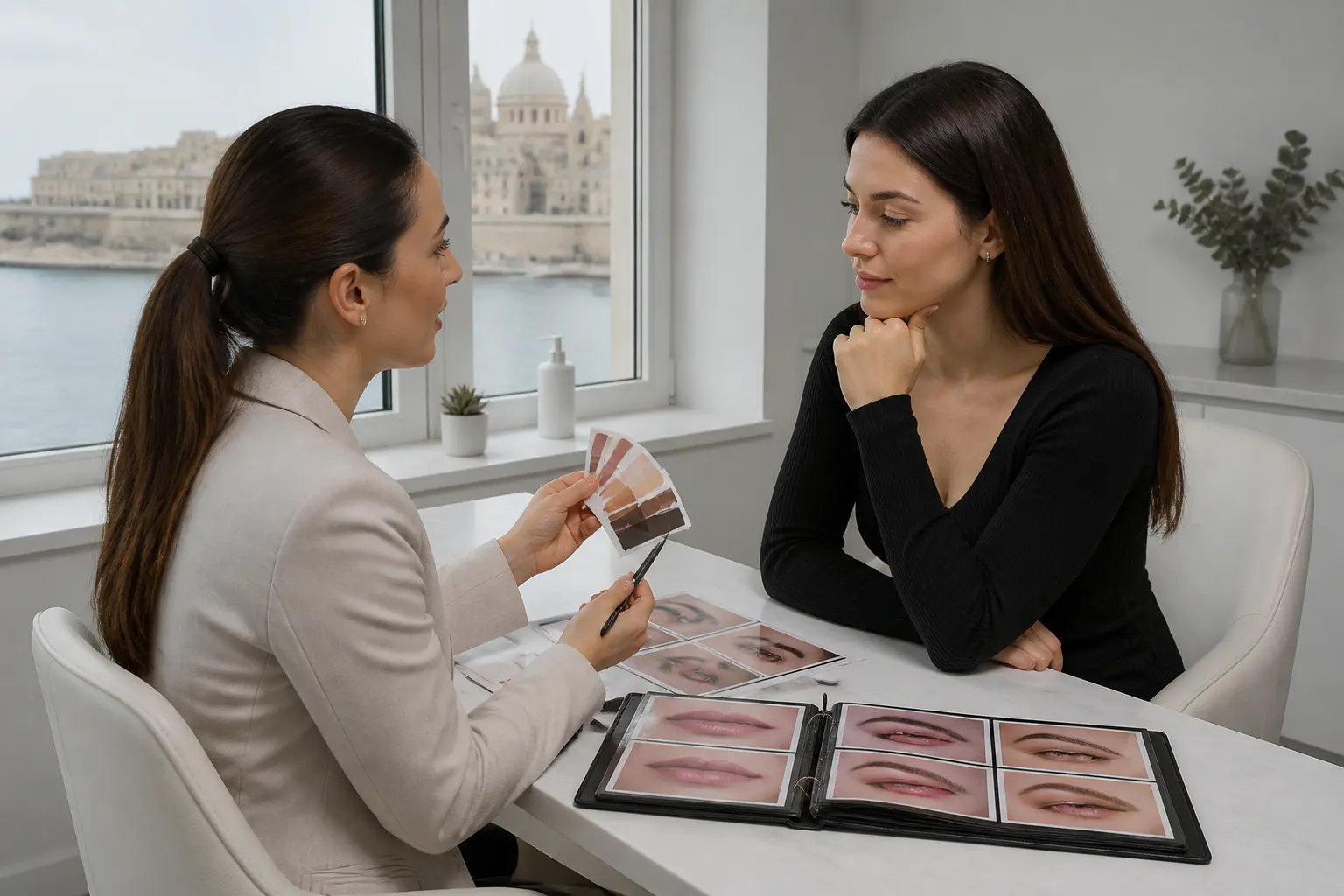
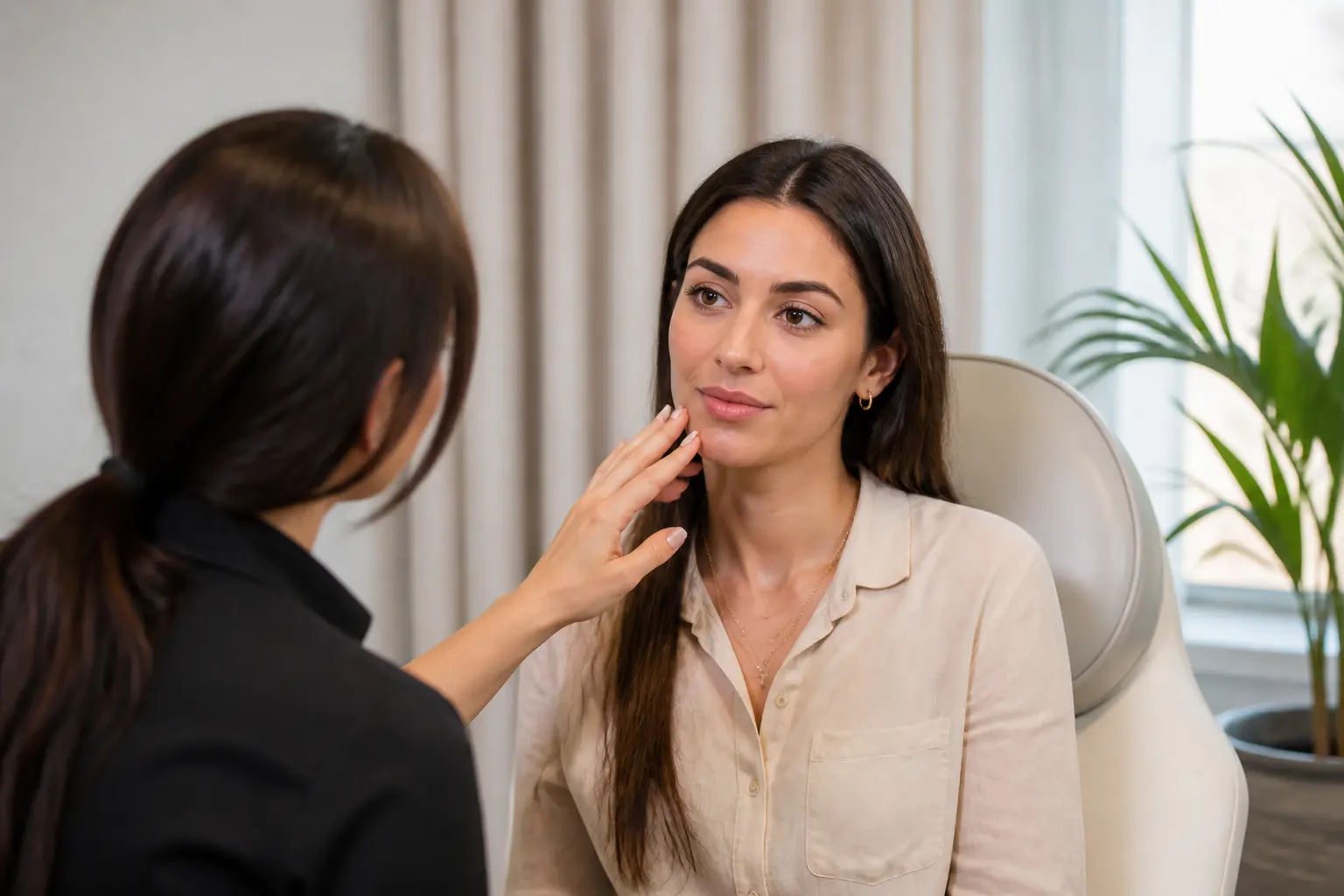
At a professional appointment, the process should begin with a conversation. This is the time to explain what you like about your lips, what you would like to soften or define, how often you wear make-up and whether you are hoping for a nude, rosy, neutral or more noticeable finish.
Step 1: Understand the starting point
The artist first considers the natural lip shape, areas of uneven tone and the existing lip border. Your complexion and natural lip pigment form part of the assessment too. There is no single ideal lip shape or universally flattering shade, so the plan should be tailored rather than copied from a trend.
Step 2: Agree a colour direction
It is often more useful to discuss a colour family than to demand an exact lipstick match. For example, you may be drawn to a soft peachy nude, a muted rose or a balanced neutral tone. The artist can then help translate that preference into a pigment choice that makes sense for your natural colouring.
Bringing inspiration images can be useful, especially when they show the level of softness you like. However, they should be treated as a starting point for discussion rather than a promise of an identical outcome.
Step 3: Design with restraint
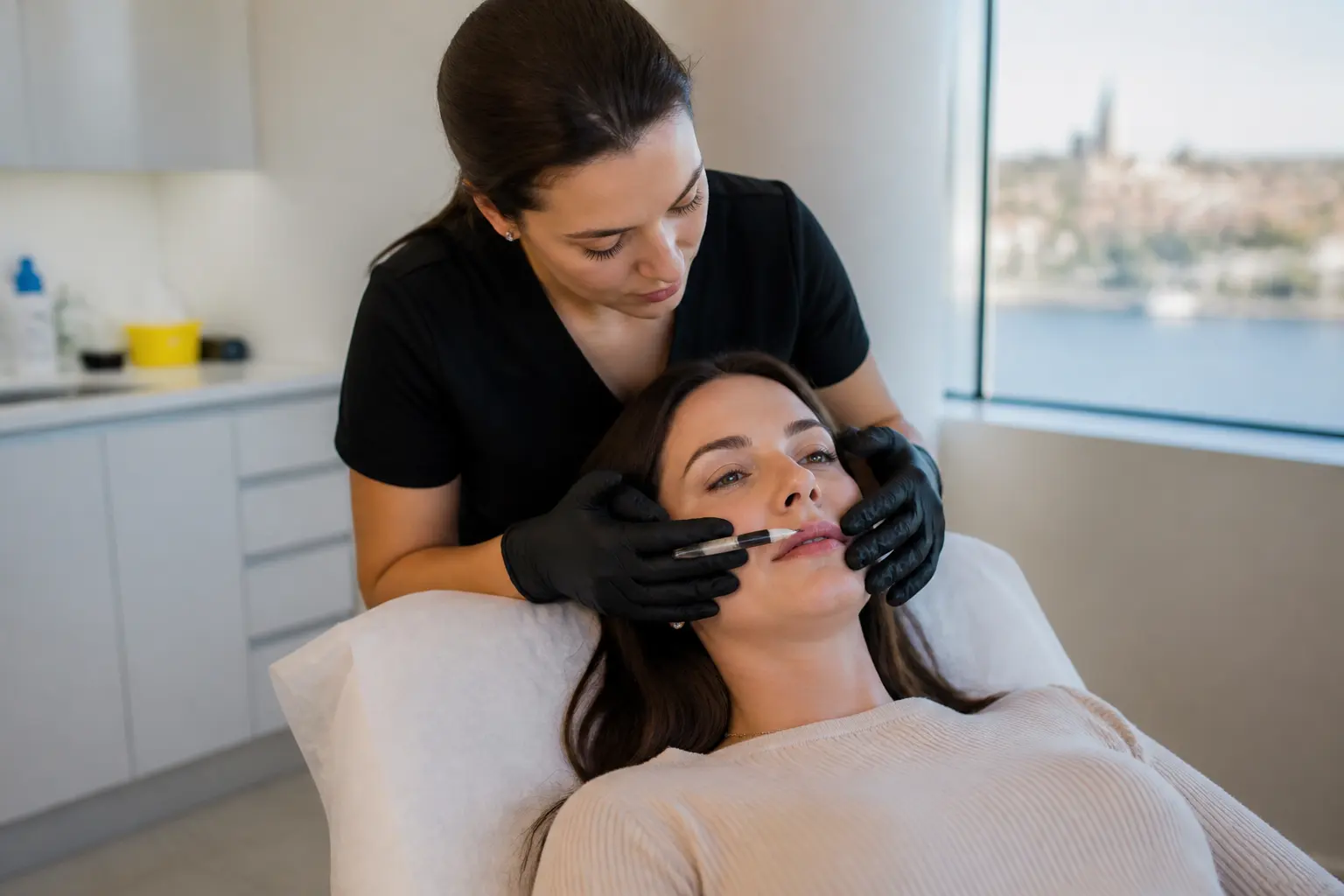
Natural-looking work relies on controlled placement and gradual colour building. The aim is a smooth, softly blended finish rather than a sharply drawn line around the mouth. If definition is part of the goal, it should remain connected to the natural shape instead of appearing separate from it.
Step 4: Allow for the healing process
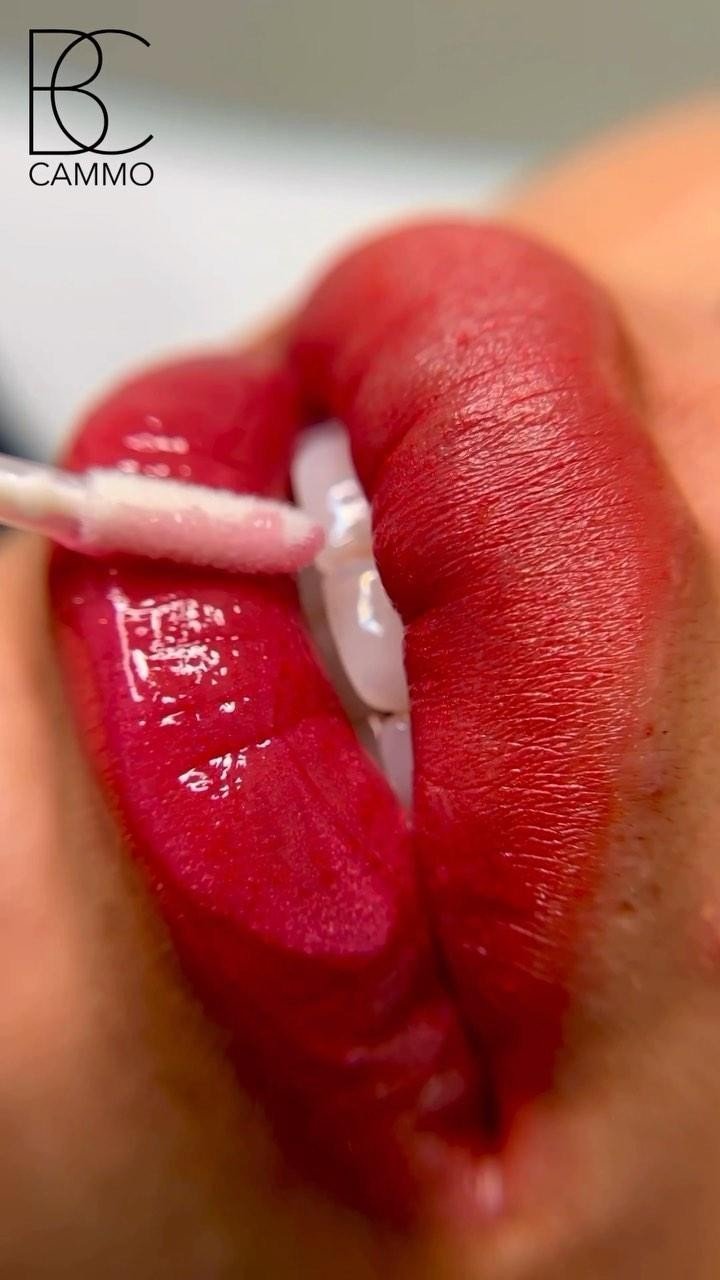
The colour seen immediately after a lip micropigmentation session is not the final healed shade. It can look stronger at first, then change as the lips recover and the pigment settles. This stage requires patience, and it is one reason why a professional should explain the process clearly before the appointment.
A perfecting touch-up may form part of the overall plan, depending on the service and individual needs. The first session establishes the foundation, while the later review is an opportunity to assess how the colour has healed and refine the result where appropriate.
Who may prefer a softer lip blush effect?
A subtle approach can appeal to many different clients. You may prefer it if you recognise yourself in any of the following situations:
- You want your lips to look more even without wearing full lipstick every day.
- You have noticed that your natural lip colour appears less defined than it used to.
- You enjoy polished make-up but want a more effortless base on low-maintenance days.
- You want gentle visual balance between your lips, brows and complexion.
- You are interested in lip micropigmentation but feel nervous about a dramatic change.
- You would like colour that can still work with different lipstick shades and glosses.
There is no requirement to have a particular age, lip shape or style preference. The most suitable direction depends on your own goal and an individual assessment.
Which mistakes should you avoid when choosing a natural result?
Choosing from one photograph alone
Photos can be helpful, but lighting, filters, make-up and the stage of healing can all affect what you see. Look at a range of images and focus on the overall mood: softly tinted, neutral, fresh, defined or more saturated. Then discuss that feeling with your artist.
Equating natural with colourless
A natural result still needs enough pigment to create the desired enhancement. The aim is not to remove all visible change, but to create colour and definition that appear harmonious on your face.
Expecting an identical result on every client
Each client begins with different natural pigment, lip texture and skin characteristics. This means the same colour direction can settle differently. Personalisation is not an optional extra, it is the foundation of a convincing result.
Ignoring aftercare guidance
Aftercare is part of the appointment, not an afterthought. Follow the studio’s instructions carefully, ask questions if anything is unclear and allow the lips the time they need to recover. Avoid making assumptions based solely on somebody else’s experience, because individual healing can vary.
How should you communicate your goal at your appointment?
You do not need technical vocabulary to explain what you want. Clear, everyday language is enough. You could say:
- “I want my lips to look like themselves, just more even.”
- “I usually wear nude shades and would like something that works without make-up.”
- “I do not want a strong outline.”
- “I would like soft colour, not a lipstick finish.”
- “I like this rosy tone, but I want it adapted to suit me.”
You should also share anything that could influence your comfort, preparation or aftercare. A reputable studio will welcome questions and explain whether your desired result is realistic for your starting point.
Natural does not mean one-size-fits-all
The less-is-more philosophy is not about giving every client the same pale pink result. It is about making decisions that feel proportionate and considered. For one person, that may mean a warm nude wash. For another, it may mean correcting the appearance of uneven tone with a richer but still soft shade.
At BeCammo, lip micropigmentation is approached as a personalised beauty service. The consultation, shape planning and colour direction should take account of your features and your lifestyle, rather than following a fixed template. This is particularly important in Malta’s international community, where clients bring a wide range of skin tones, natural lip pigments and beauty preferences.
If your priority is a refined enhancement rather than a dramatic transformation, say so from the beginning. The right plan starts with a shared understanding of what “natural” means to you.
Conclusion
Natural lip micropigmentation is about thoughtful enhancement. With the right colour direction, measured shape planning and realistic expectations, it can create a softly polished effect that remains true to your individual features.
If you are considering lip micropigmentation in Malta, take time to discuss your preferred level of colour and definition before booking. A professional appointment is the opportunity to ask questions, share your inspiration and build a plan that feels comfortable for your everyday life. When you are ready, choose the service at the BeCammo location that is most convenient for you in Sliema or Swieqi.
Frequently asked questions
Will natural lip micropigmentation look like lipstick?
Not necessarily. A natural approach usually aims for a soft tint and subtle definition rather than an opaque lipstick effect. The final direction should be agreed individually, based on your preferred style and natural lip tone.
Can I still wear lipstick after lip micropigmentation?
Yes. Once you have completed the healing period and followed the aftercare guidance provided by your studio, you can still wear lipstick or gloss if you wish. Many clients value a subtle base because it gives them more flexibility with make-up.
How do I choose the right lip colour?
Start by thinking about the shades you already feel comfortable wearing and whether you prefer warm, rosy, nude or neutral tones. A professional assessment can help adapt that preference to your natural lip pigment and complexion.
Does the colour look the same immediately after the appointment?
No. The immediate appearance is not the final healed result. Colour can look stronger at first and then change as the lips recover and the pigment settles. Your artist should explain what to expect and provide appropriate aftercare guidance.
Is a touch-up always needed?
A touch-up may be part of the plan, depending on the service and how your lips heal. It allows the artist to review the settled colour and make refinements where appropriate. Ask about the recommended schedule when you book.
Can lip micropigmentation make uneven lips look more balanced?
It can be planned to improve the overall appearance of balance and definition in some cases, while still respecting the natural lip structure. What is appropriate will depend on an individual assessment and a realistic discussion of your goals.