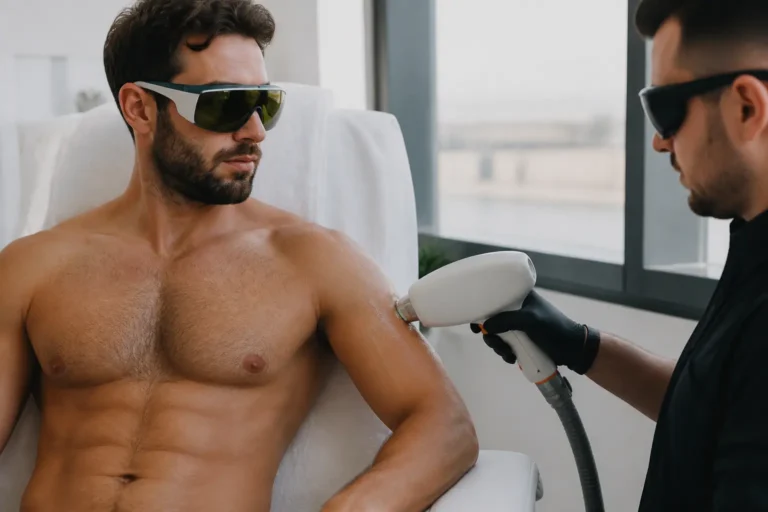
Laser Hair Removal and Gym Timing for Men in Malta
Brenda Cammo Team
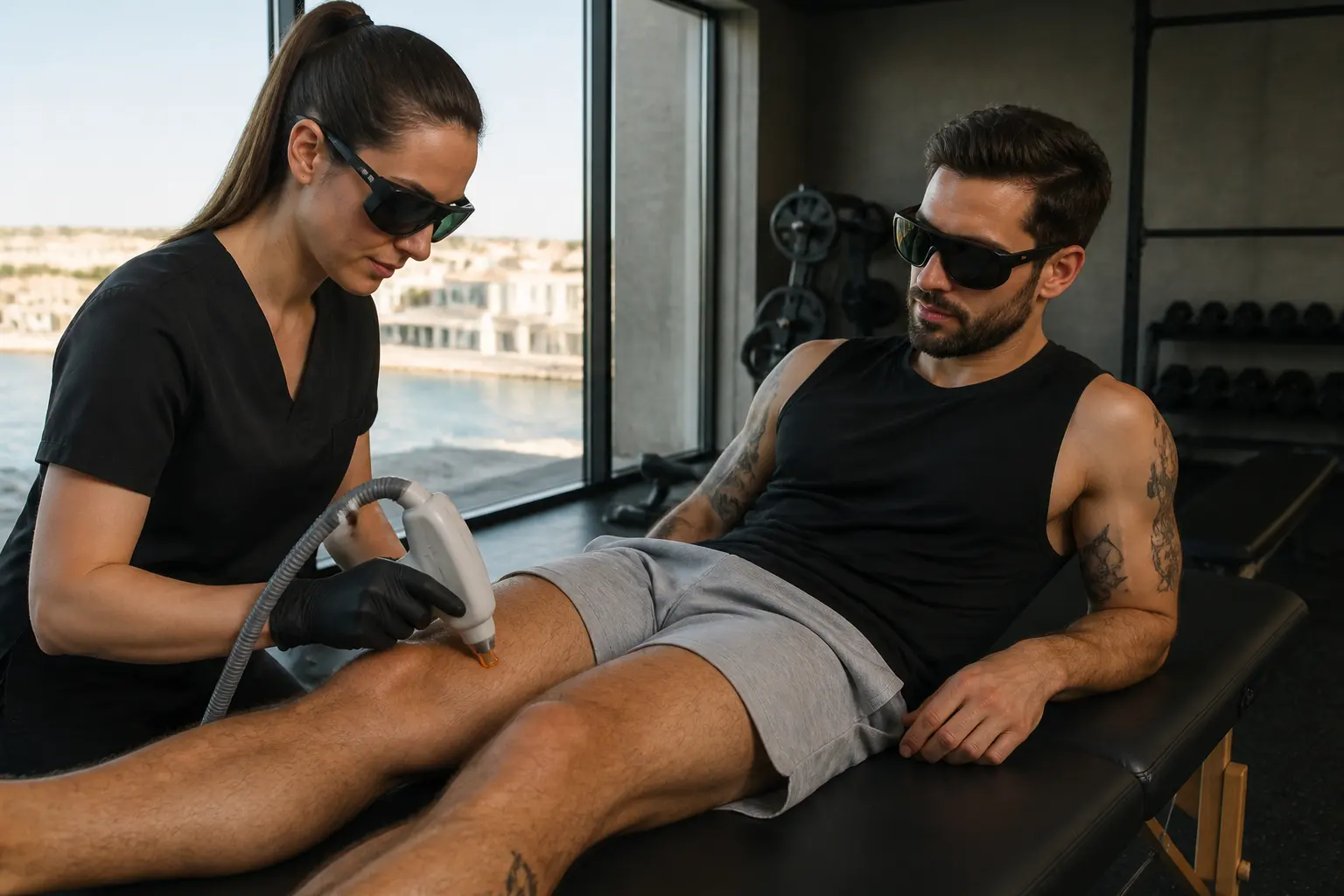
For men who train regularly, laser hair removal is often less about finding time for an appointment and more about fitting it sensibly around lifting, running, football, swimming and busy workdays. Whether you are treating the beard line, chest, back, shoulders or another area, sweat, heat and rubbing from gym clothing can affect how comfortable your skin feels immediately afterwards.
The useful question is not simply, “Can I go to the gym after laser hair removal?” It is, “When can I train in a way that gives my skin a calmer recovery period?” The answer depends on the area treated, how your skin responds on the day, the intensity of your session and the aftercare advice given at your appointment.
A well-planned booking can make the process far easier to manage. For many active men in Malta, that means choosing an appointment after their final workout of the day, before a rest day, or when they can keep the following hours cooler and lower-friction. This guide explains how to think through the timing without turning your training routine upside down.
Why gym timing matters after laser hair removal
Laser hair removal targets pigment in the hair. During a professional session, the practitioner assesses the treatment area, protects the eyes where needed and applies the laser in a controlled setting. Temporary redness, warmth or slight swelling around follicles can occur afterwards, and the skin may feel similar to mild sun exposure for a short time. The American Academy of Dermatology notes that redness and swelling immediately after treatment are common, while individual results and reactions vary according to factors including hair, skin and the area treated.
Exercise itself is not automatically the problem. The practical issue is what often comes with it: body heat, sweat, tight clothing, repeated friction, shared gym surfaces, hot showers and time outdoors. When the treated skin is already feeling warm or sensitive, those factors may make it feel more irritated.
This is why aftercare guidance is not always expressed as one universal rule. Some clinical guidance says people can return to normal daily activities promptly, while other laser aftercare guidance advises avoiding strenuous exercise, swimming, saunas and steam rooms for a longer period. The safest approach is to follow the instructions from the professional who treated you, because they are based on the area, your skin response and the equipment used. For general context, see the American Academy of Dermatology’s laser hair removal guidance and the Leeds Teaching Hospitals laser aftercare advice.
The simplest booking strategy for men who train
If your week includes frequent workouts, plan your laser appointment around a period when you can reduce heat and friction afterwards. You do not need a perfect fitness schedule. You need a realistic window that lets you prioritise skin comfort.

Book after your workout, not before it
A straightforward option is to train first, shower, cool down fully and attend your appointment later that day. This avoids arriving at the studio with a planned workout immediately afterwards. It can work especially well for chest, back, shoulder or underarm appointments, where a heavy training session could otherwise mean a lot of heat, sweat and clothing contact soon after treatment.
Come to the appointment with clean skin. Avoid leaving heavy sweat, fragranced body products or deodorant on the area to be treated unless the studio has specifically told you otherwise. If you are unsure about a product, ask before your session rather than guessing.
Use a rest day when possible
A rest day is often the least complicated choice, particularly if you train hard, wear compression tops or play sport outdoors. You can attend the appointment, keep the evening simple and return to training only when your skin feels settled and your practitioner’s aftercare guidance allows it.
This does not mean your routine must stop every time. It means avoiding the pressure of deciding whether to skip a class because your chest feels warm, your beard area is tender or your shoulders are rubbing against a fitted top.
Choose lower-intensity activity if you need to stay moving
If training is part of your daily rhythm, it may help to schedule a laser session before a day of gentle activity rather than high-intensity training. A relaxed walk is very different from a long run in humid weather, a heavy leg session in a busy gym or a football match in direct sun.
Do not make assumptions based only on how the treatment feels in the first few minutes. Skin can feel calm at first and become warmer later. Check the specific aftercare advice you receive and adjust your plan accordingly.
Area-by-area considerations for active men
Different treatment areas meet different types of gym friction. Thinking about your usual training kit and movements can help you choose a sensible appointment time.
Beard line and neck
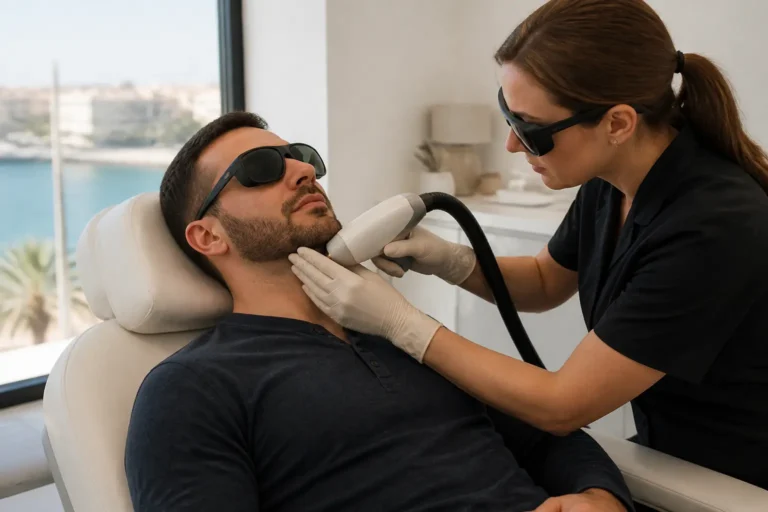
Beard laser hair removal can be useful for men who want a neater neckline or less reliance on frequent shaving. After treatment, consider the contact points in your routine: a tight collar, helmet strap, chin strap, towel rubbing and shaving. If you train in a sport that involves protective equipment around the face or neck, schedule with extra recovery time in mind.
For the appointment itself, follow the studio’s preparation instructions on shaving. Do not wax, pluck or tweeze the area during a laser course unless your practitioner has advised otherwise, as laser treatment needs the hair follicle to be present. This is consistent with preparation guidance from Cleveland Clinic.
Chest and abdomen
Chest and abdomen sessions may need more planning if your normal training includes bench pressing, rowing, burpees or any exercise that leaves you hot and sweaty under a close-fitting T-shirt. A compression top can feel comfortable during training, but immediately after a session it may create more rubbing than loose, breathable clothing.
Consider bringing or wearing a clean, relaxed-fit top after your appointment. That simple choice can make the journey home more comfortable than changing straight into synthetic gym wear.
Back and shoulders
Back and shoulder areas come into contact with benches, seats, backpacks and shirt seams. If you have a demanding pull workout, a rucksack commute or a long drive planned, booking after those activities may be more convenient. At the gym, use clean towels and avoid rubbing treated skin against equipment or rough fabric.
Underarms
Underarms are a high-sweat area by nature, so timing deserves extra thought. Deodorant, fragrance, vigorous arm movement and heat can all be relevant after treatment. Ask the studio exactly when you can resume your usual deodorant and workout routine, because product advice can differ according to the skin’s condition and the type of treatment.
Sweat, showers and clothing: practical aftercare habits
Sweating is a normal part of exercise and temperature control. It does not mean you have done something wrong. However, when skin has just been treated, it is sensible to reduce anything that makes it hotter, wetter or more irritated than necessary.
- Keep the area clean. After a workout, dermatology guidance recommends gently removing sweat rather than aggressively rubbing the skin. Use a clean towel to pat dry, not scrub.
- Choose clean, breathable clothing. Fresh, looser garments can reduce unnecessary contact and help sweat evaporate more easily.
- Skip heat-heavy recovery for now. Sauna sessions, steam rooms, hot tubs and very hot showers add heat to skin that may already be warm. Follow your practitioner’s timeframe before returning to them.
- Think beyond the gym floor. Swimming pools, sea swims and outdoor training can add chlorine, salt, sun and further friction. If you are training near the coast in Malta, ask about this specifically.
- Avoid fragranced products on sensitive skin. Fragrance, strong deodorants and heavily perfumed body products may not feel comfortable on a freshly treated area. Use the studio’s aftercare advice as your guide.
The wider skincare principle is simple: clean sweat off gently, change out of damp clothes and avoid rubbing. The American Academy of Dermatology’s advice on exercise and skin also recommends using a clean towel and patting sweat away rather than rubbing.
Training outdoors in Malta: sun exposure needs planning too
Malta’s bright weather can make outdoor training part of everyday life, especially for runners, cyclists and people who exercise by the sea. This matters during a laser course because treated skin should be protected from direct sun exposure. Recent tanning, whether from the beach, sunbeds or self-tanning products, can also affect whether a session is appropriate.
If you are treating exposed areas such as the neck, chest, shoulders or legs, plan ahead. Let the studio know about recent sun exposure and any holiday or beach plans. Wear protective clothing where practical and use the sun-protection guidance provided by your practitioner. The American Academy of Dermatology advises avoiding tanning and protecting skin from the sun before and after laser hair removal.
Be open about your lifestyle at the consultation. A person who does indoor strength training has different timing considerations from someone who plays beach football, works outside or swims several times a week. That information helps the appointment plan suit your real routine.
What to tell the studio before booking
A professional consultation is the right place to discuss more than the hair itself. Mention your training pattern, recent sun exposure, products used on the area and any relevant skin history or medicines. You should also mention if you have had unusual reactions to cosmetic procedures before.
Questions worth asking include:
- How should I prepare the specific area before my session?
- When can I return to weight training, running or team sport?
- Should I avoid deodorant, fragrance or shaving for a particular period?
- What should I do if redness lasts longer than expected or the area becomes uncomfortable?
- How should I plan sessions around a beach holiday, outdoor event or competition?
A consultation should never be rushed into a generic answer. Laser hair removal plans are influenced by the area being treated, skin tone, hair characteristics and how the skin responds over time. The number and spacing of sessions can also vary, so it is better to build a manageable routine than to promise a fixed outcome.
A realistic gym-and-laser checklist
- Choose an appointment after training or before a rest day where possible.
- Arrive with clean skin and follow the studio’s shaving instructions.
- Wear loose, clean clothing home, especially after chest, back or shoulder treatment.
- Delay intense exercise, heat and swimming for the timeframe advised by your practitioner.
- Keep treated skin out of strong direct sun and discuss any recent tan honestly.
- Do not wax, pluck or tweeze hair between sessions unless you have been told to do so.
- Contact the studio for advice if your skin reaction concerns you, rather than pushing through a hard session.
Conclusion
Laser hair removal can fit well into an active lifestyle, but good timing makes the experience more comfortable. Training before your appointment, allowing a quieter recovery window and taking heat, sweat and clothing friction seriously are practical choices, not inconveniences.
If you are considering laser hair removal for the beard, chest, back, shoulders or other areas, book a consultation with Becammo and explain how you train. The team can help you choose the appropriate area, prepare correctly and plan sessions around your routine in Sliema or Swieqi.
Frequently asked questions
Can I go to the gym straight after laser hair removal?
Follow the aftercare instructions given for your treatment. Intense exercise raises body heat and increases sweating and friction, so many clients find it easier to book after their workout or before a rest period.
Is sweat harmful after men’s laser hair removal?
Sweat is normal, but freshly treated skin may feel more sensitive. Reducing heavy sweating immediately after a session can help you avoid unnecessary warmth and irritation. Your practitioner will give advice for your treatment area.
Should I shave before laser hair removal if I train regularly?
Follow the studio’s specific preparation instructions. Shaving is commonly used as part of laser preparation, while waxing, plucking and tweezing are generally avoided during a course because they remove hair from the follicle.
Can I wear compression clothing after a chest or back session?
It is usually more comfortable to choose loose, clean and breathable clothing immediately after treatment. Compression garments and tight seams may create rubbing on skin that feels warm or sensitive.
Can I swim or use a sauna after laser hair removal?
Ask for the exact aftercare timeframe for your session. Swimming, saunas, steam rooms and hot tubs combine heat, moisture or exposure that may not suit freshly treated skin.
How do I plan laser sessions around outdoor training in Malta?
Tell the studio about outdoor workouts, beach plans and recent sun exposure before booking. Treated skin needs careful sun protection, and a recent tan may affect the timing of your session.