Brazilian Brow Harmony: A Personalised Face-Reading Approach
Brenda Cammo Team
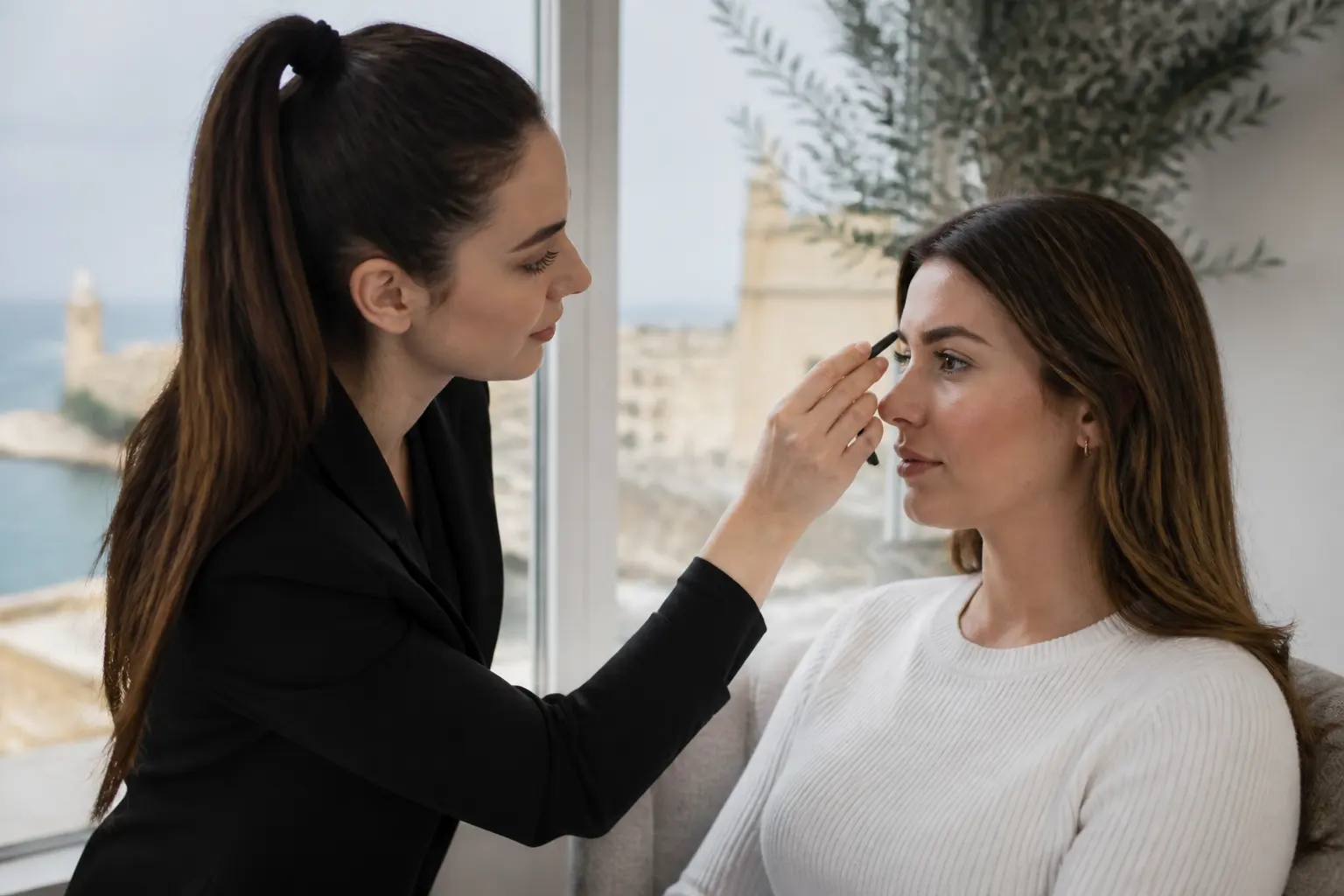
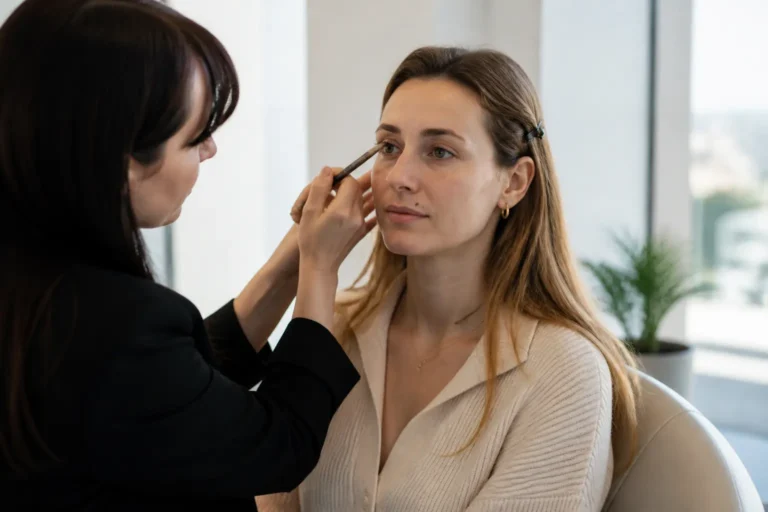
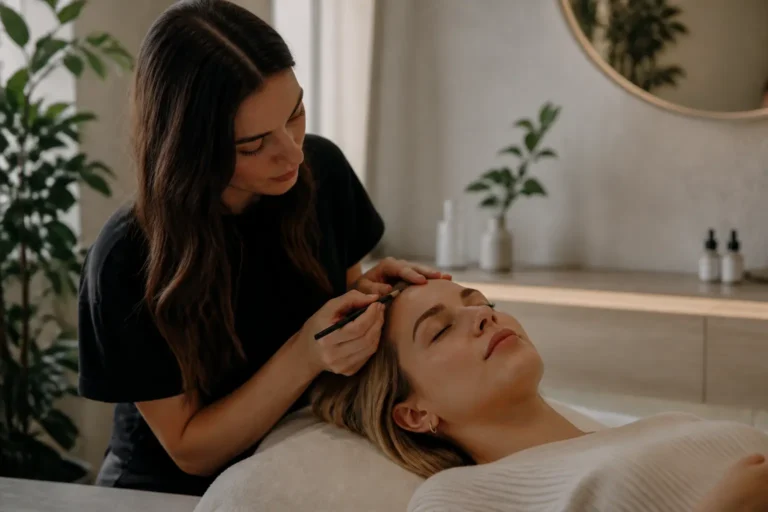
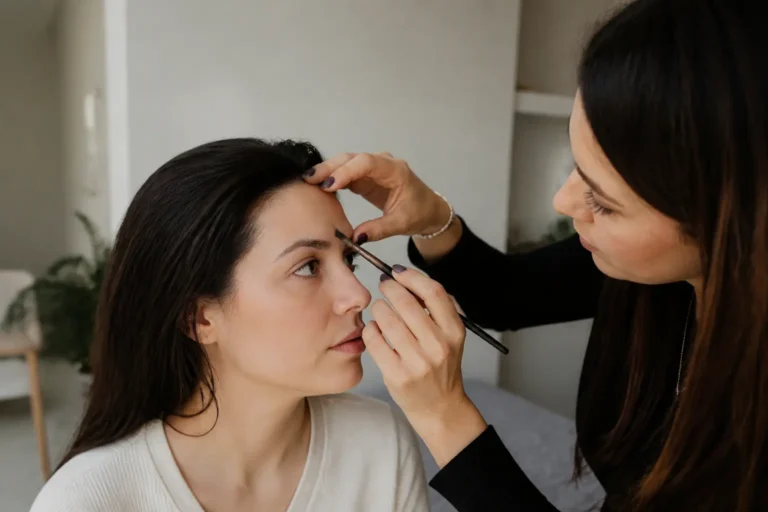
Brazilian brow harmony is not about copying one fashionable eyebrow shape onto every face. It is a personalised approach to brow design that considers your natural hair growth, facial proportions, expression, skin and everyday style before a single hair is removed.
At a professional brow studio, the phrase face reading should be understood with care. It does not mean making assumptions about someone’s personality, age or identity from their appearance. Instead, it refers to observing the visible balance of the face, including brow position, eye area, bone structure, natural asymmetry and the direction and density of brow hair. The aim is to create a shape that feels considered, comfortable and recognisably yours.
For clients in Malta, where the community is international and brow textures vary widely, this individual approach matters. A design that suits one person may feel too strong, too narrow or too angular on another. Brazilian brow harmony begins with listening, looking closely and working with what is naturally there.
What does Brazilian brow harmony mean?
Brazilian brow design is often associated with detailed mapping, clean definition and a polished result. However, the most useful part of the approach is not a rigid template. It is the attention given to proportion and personalisation.
Rather than asking, “Which brow shape is best?”, a brow professional starts with more practical questions:
- Where does your natural brow begin, rise and taper?
- Which areas have fuller growth and which areas are sparse?
- How do your brows sit in relation to your eyes and forehead?
- Is one brow naturally higher, denser or more curved than the other?
- Do you prefer a soft everyday finish or more visible definition?
- How much maintenance fits realistically into your routine?
The answers guide the design. This is why brow harmony is different from chasing a trend. A very lifted arch, a narrow tail or an intensely squared front may be popular in a photograph, but it will not necessarily support your own features or feel easy to maintain.
A thoughtful design can still look refined and current. The difference is that it is built around your face and your brow growth, rather than trying to make both conform to a single look.
Face reading in brow design, what it should and should not mean
In beauty, “face reading” is sometimes used loosely. At its best, it means a visual assessment of proportions and movement. A trained brow artist notices how the brows frame the eye area when your face is relaxed, when you smile and when you speak. They also look at how much brow hair is available to shape without over-removing it.
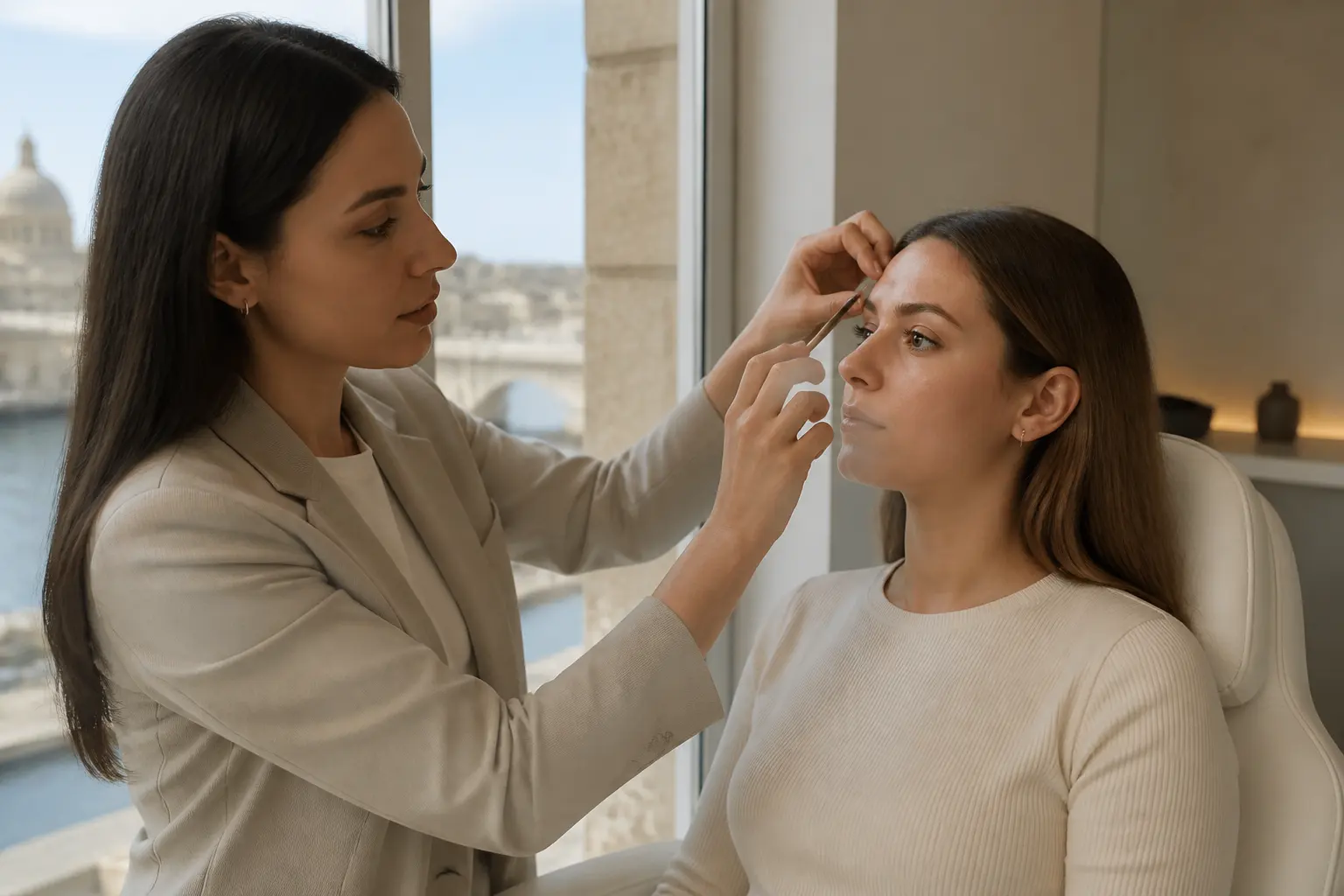
This assessment is useful because eyebrows are not separate from the rest of the face. Their thickness, length, direction and arch can change the overall impression of the eye area. The goal is not to alter who you are. It is to create a cleaner frame that respects your natural features.
It is not personality analysis
Your eyebrow shape does not reveal your character, intentions or worth. A professional brow appointment should never make claims about personality based on facial features. Beauty consultations are about preferences, anatomy visible at the surface and practical styling choices.
It is not a promise of perfect symmetry
Natural brows are sisters, not identical twins. One side of the face may be slightly more expressive, one brow may grow more densely, or one arch may naturally sit a little higher. Trying to force identical brows can lead to unnecessary hair removal and a result that looks less natural.
Instead, the aim is visual balance. Small adjustments to the outline, tail or arch can help the brows look harmonious while preserving the character of each side.
It is not a one-size-fits-all mapping formula
Mapping gives structure to a consultation, but it should not replace professional judgement. Standard reference points can be helpful, yet they need to be adapted for facial proportions, hair direction, previous over-plucking, make-up habits and the amount of natural brow hair available.
How a professional brow assessment works
A personalised appointment usually begins before threading starts. The consultation may be brief, but it is a valuable part of the service because it aligns the design with your expectations.
1. Understanding your preferred finish
Some clients want a very clean, defined brow that shows clearly without make-up. Others want a softer finish that feels almost untouched, just neater. Neither preference is more correct. Sharing what you like, and what you have disliked in previous brow appointments, helps the artist choose an appropriate level of definition.
If you regularly fill your brows with pencil, powder or gel, mention it. Your usual make-up can affect how much natural density you want to retain. If you prefer not to wear brow make-up, the focus may be on keeping the shape balanced and making the most of existing growth.
2. Looking at natural hair growth
Natural growth is one of the most important guides in brow design. Hair may grow upwards at the front, diagonally through the body and downwards at the tail. It may also grow in different directions on each brow.
Threading allows the artist to remove unwanted hairs with precision while retaining the hairs that support the desired shape. At Becammo, disposable thread is used for each client, with cotton as the standard option and polyester available for clients with a cotton allergy. This supports a hygienic, detailed service while keeping the work focused on the individual brow pattern.
3. Mapping the visible balance of the face
Mapping helps identify a suitable beginning, body, arch and tail for each brow. It is not a drawing exercise designed to make every face look the same. It is a way to check whether the brows are visually balanced with the eye area and with each other.
For example, a tail that is extended too far may make the brow look heavy. An arch placed too sharply can feel unlike the client’s natural expression. Removing too much from the top line can change the brow’s structure and make future maintenance more difficult. Careful mapping helps avoid these common problems.
4. Choosing how much hair to remove
A good design is often as much about restraint as it is about removal. When brows have been over-plucked in the past, preserving density can be more valuable than creating a dramatically sharp line in one appointment. A gradual plan may be more appropriate, especially if the client wants to encourage a fuller-looking brow over time.
The artist can also discuss whether tint or henna would complement the design. These options may add visible definition, but they are separate choices and should match your colouring, skin response and desired finish. They are not necessary for every client.
Why threading suits a harmony-led brow design
Threading is particularly useful when the goal is detailed shaping. The thread can target fine hairs along the upper and lower edges, around the front of the brow and between the brows. This helps create a clean outline without relying on a broad strip of wax.
Because every brow is assessed individually, threading is not simply a maintenance step. It can be used to refine an existing shape, soften an uneven area or carefully guide brows through a period of regrowth. There may be mild discomfort during threading, and sensitivity can vary from person to person. A professional appointment should include clear aftercare guidance based on your skin and the services you have had.
For people with different ethnic backgrounds and brow textures, this precision is especially valuable. Brow hair can be fine, coarse, straight, curly, dense or sparse. Skin tones and undertones also affect how strong a tint or henna result may appear. A personalised assessment avoids treating diversity as a problem to correct. It makes diversity part of the design process.
Common brow harmony mistakes to avoid
Following a shape that does not match your growth pattern
Bringing inspiration images to an appointment can be helpful, but use them as a conversation starter rather than a fixed instruction. Your artist can explain which elements may translate well and which may not suit your current brow growth.
Over-cleaning between appointments
Removing a few obvious stray hairs at home may seem harmless, but repeatedly plucking around the arch or tail can gradually weaken the shape. If you are growing your brows out or working towards a more balanced design, ask your artist which areas to leave alone.
Trying to make both brows exactly the same
Small differences are normal. The priority should be an overall balanced appearance, not identical measurements at every point. Keeping this expectation realistic protects your natural brow structure.
Choosing definition without considering daily maintenance
A stronger brow may require more regular shaping, tint upkeep or make-up at home. A softer, natural design may be easier for a low-maintenance routine. The most suitable option is the one that works with your real life, not only with a special occasion photograph.
Who can benefit from a personalised brow design?
A brow harmony appointment can be useful whether your brows are naturally full, sparse, uneven, previously over-plucked or simply in need of a tidy-up. It can also be a helpful starting point if you are considering brow lamination, tint, henna or semi-permanent brow options later on.
For a first appointment, there is no need to arrive with perfectly grown-out brows. However, if possible, avoid removing hair immediately before your visit so the artist can see your natural pattern more clearly. If you use active skincare products around the brow area or have experienced sensitivity after hair removal before, share that information during the consultation so suitable guidance can be provided.
How to prepare for your appointment in Malta
- Arrive with an idea of whether you prefer soft, natural brows or a more defined finish.
- Save a few realistic reference images if they help you explain your preference.
- Let the artist know if you have recently had a facial treatment, chemical exfoliation or any irritation around the brow area.
- Be honest about your usual brow routine, including make-up, tinting and at-home hair removal.
- Ask questions about maintenance before you leave, particularly if you are trying to grow out sparse areas.
At Becammo, appointments can be booked online for either the Sliema or Swieqi location. Choosing a professional threading and design service gives you space to discuss your preferences and leave with a practical plan for maintaining the shape between visits.
Conclusion
The Brazilian approach to brow harmony is not about creating a copied, overly sculpted look. It is about observing the face respectfully, understanding natural brow growth and using careful design choices to create balance.
When face reading is treated as a professional visual assessment rather than a set of assumptions, it becomes a useful part of a personalised brow service. Whether you want a subtle tidy-up, clearer definition or support with rebuilding your shape, a consultation-led threading appointment can help you make decisions that suit your features and routine. Book the brow service that fits your needs and discuss your preferred finish with the team when you arrive.
Frequently asked questions
What is Brazilian brow harmony?
Brazilian brow harmony is a personalised approach to eyebrow design. It considers your natural growth, facial proportions, expression, desired level of definition and daily routine instead of applying one standard brow shape.
Does face reading mean analysing my personality?
No. In professional brow design, face reading should refer only to a visual assessment of facial balance, brow growth and the eye area. It should not be used to make assumptions about personality or identity.
Can threading help if my brows are uneven?
Threading can refine the outline of each brow and help create better visual balance. Natural asymmetry is common, so the goal is usually harmonious brows rather than perfectly identical ones.
Should I grow my brows out before a shaping appointment?
If you can, leave your brows untouched for a little while before your appointment so the artist can assess your natural growth. However, you can still book if you have been shaping them regularly, as the best plan depends on your current brow pattern.
How often should I book brow threading?
Maintenance timing varies with your hair growth, preferred finish and how much definition you like. Your brow artist can recommend a suitable rhythm after seeing how your brows grow.
Can I add tint or henna to a brow harmony appointment?
Yes, tint or henna may be considered if you want added visible definition. The best option depends on your desired look, colouring, skin and individual assessment.