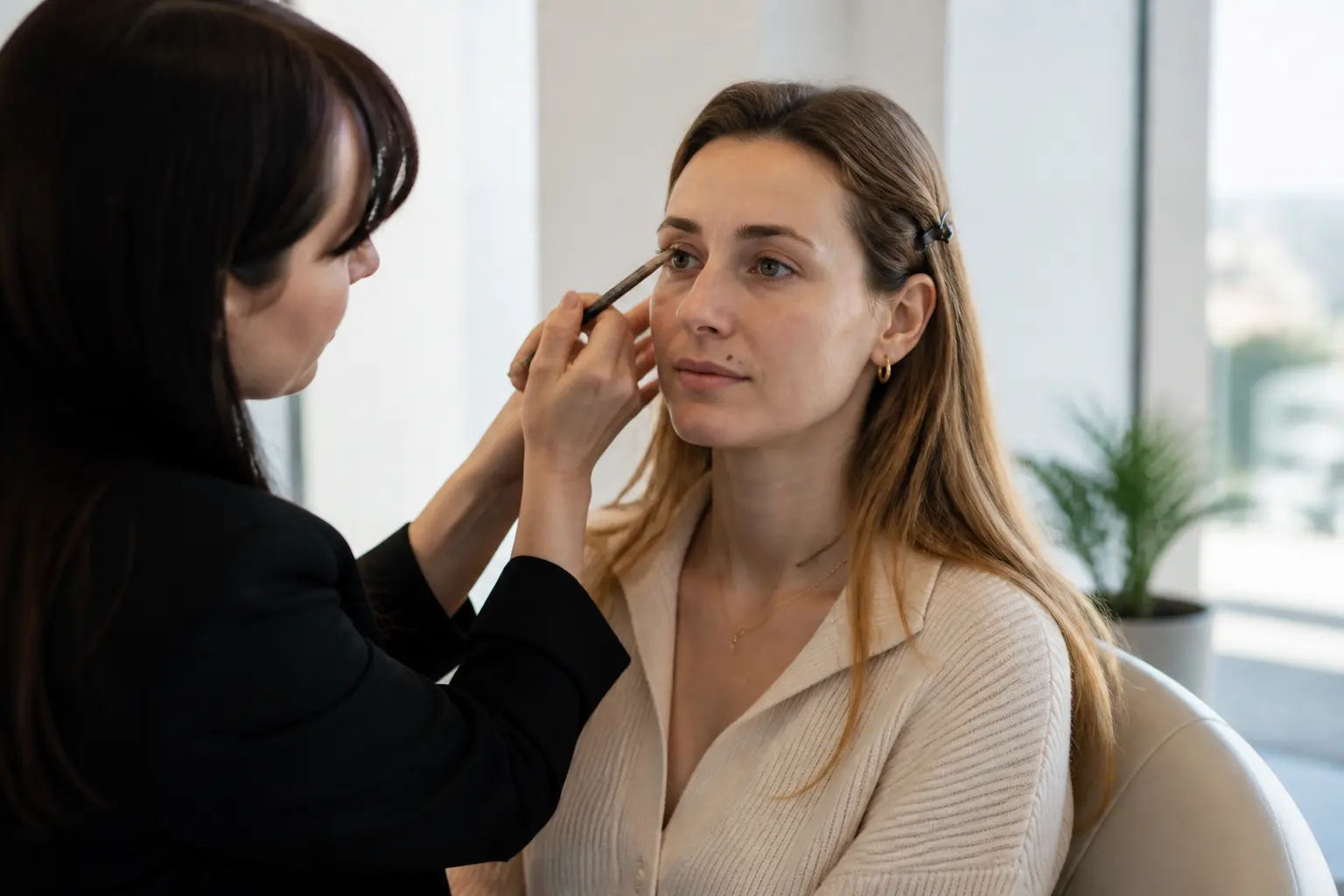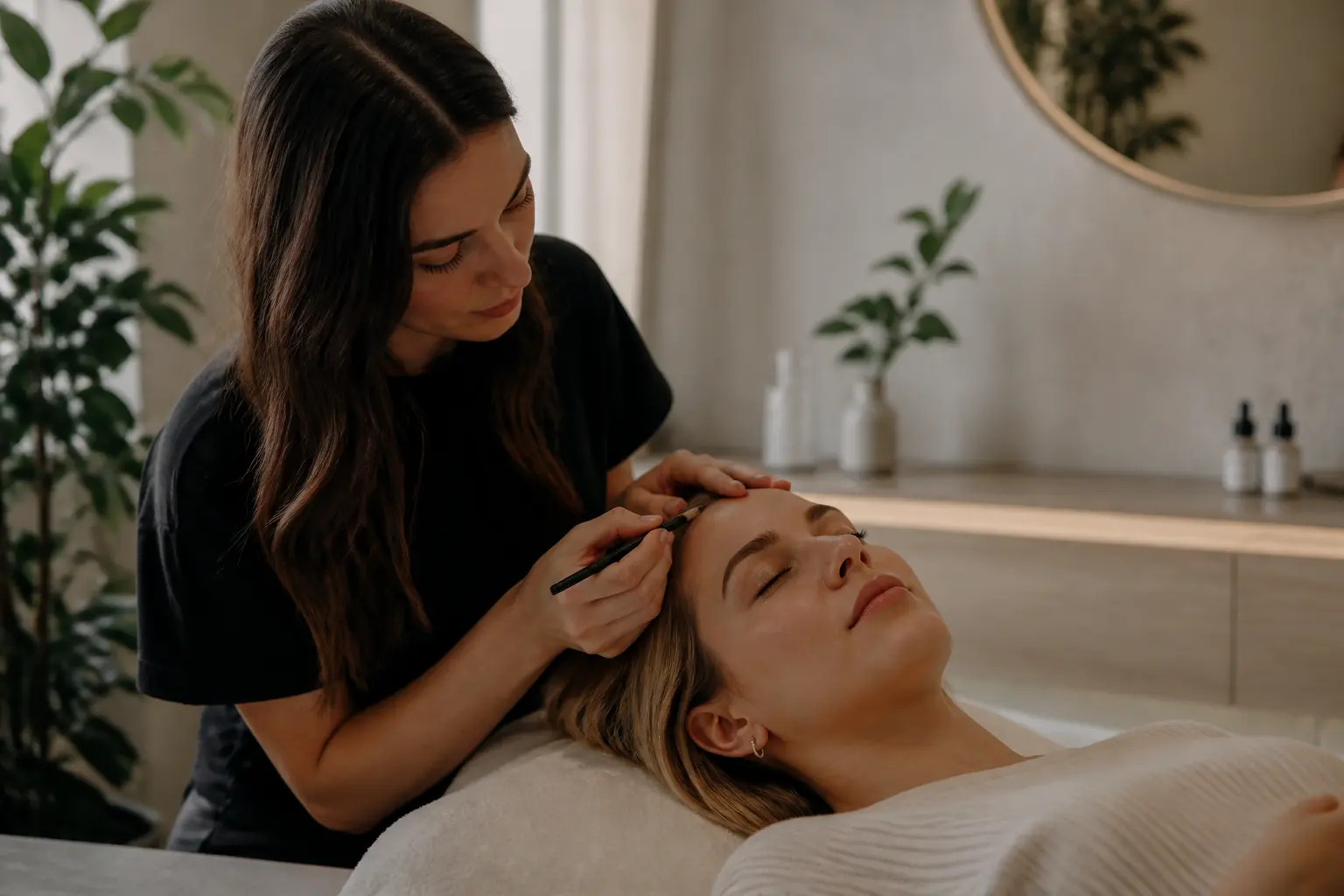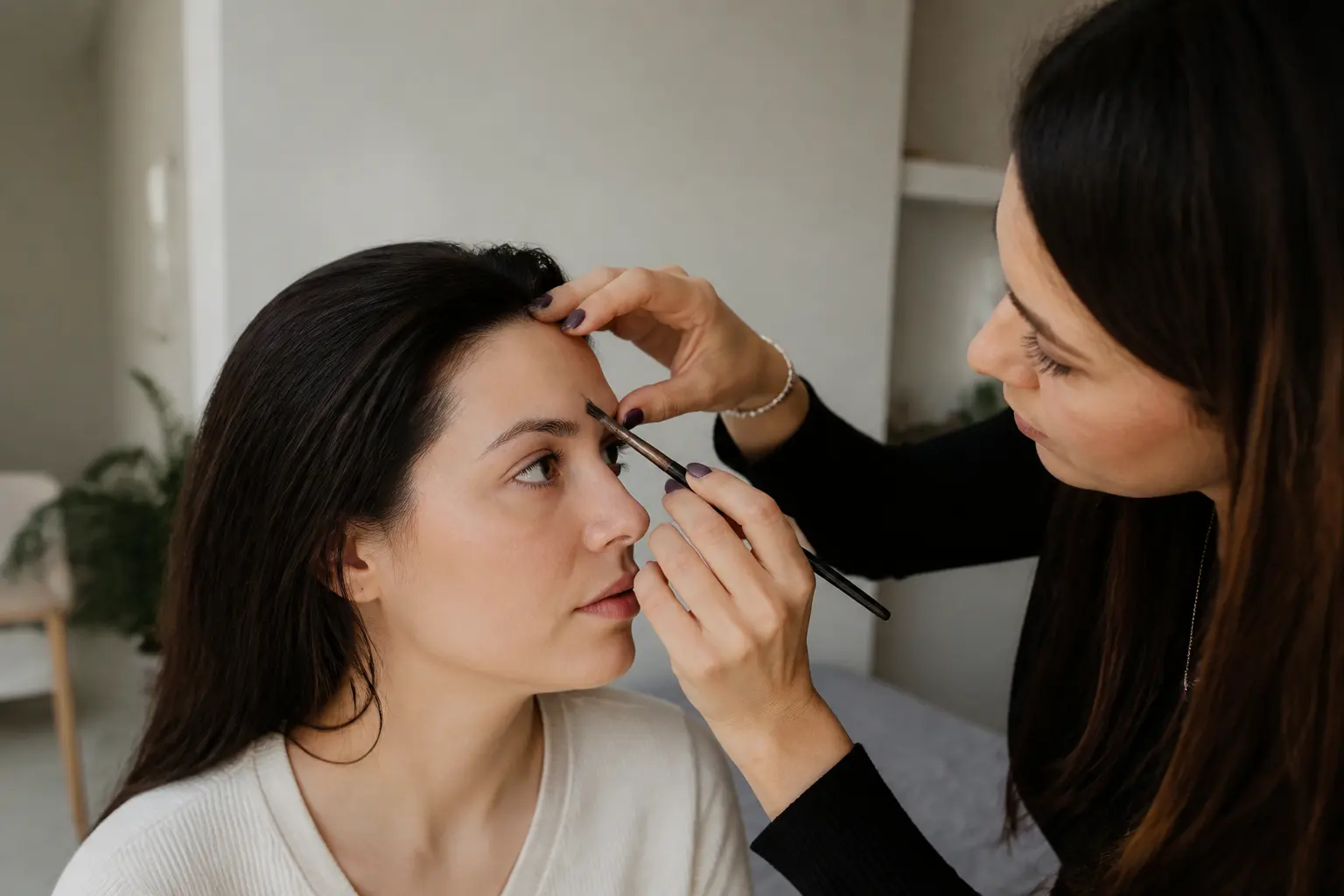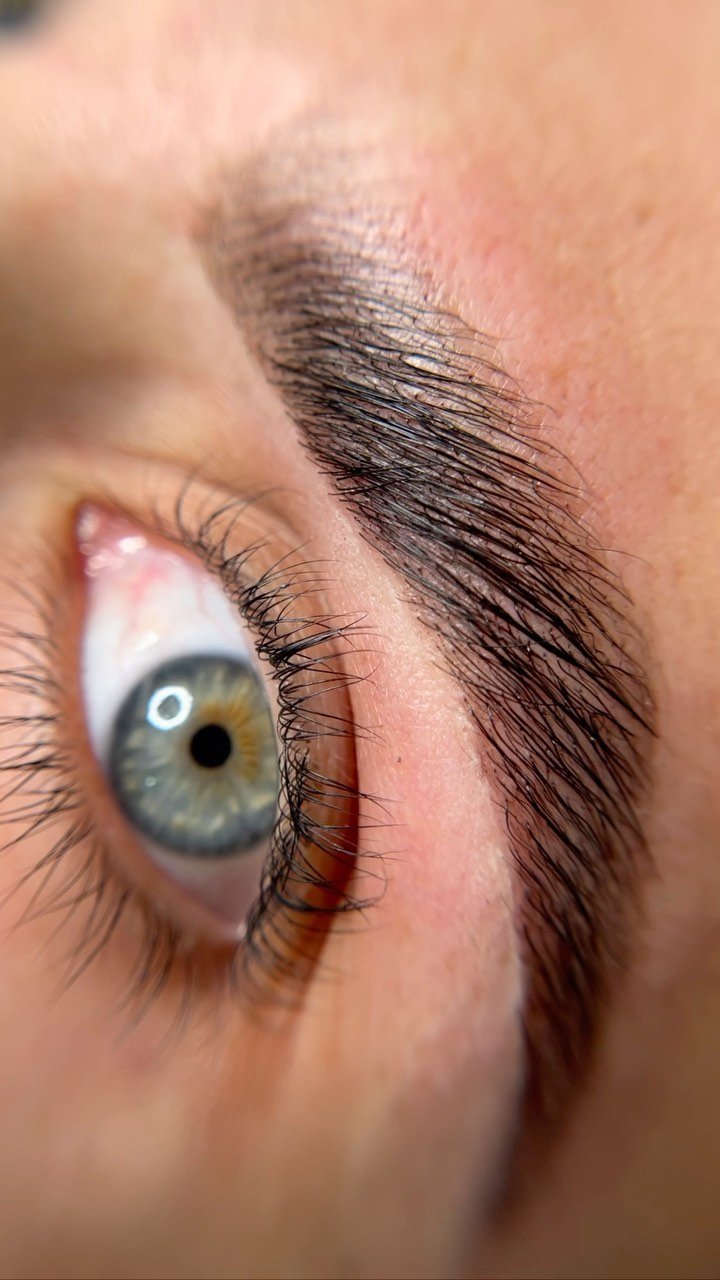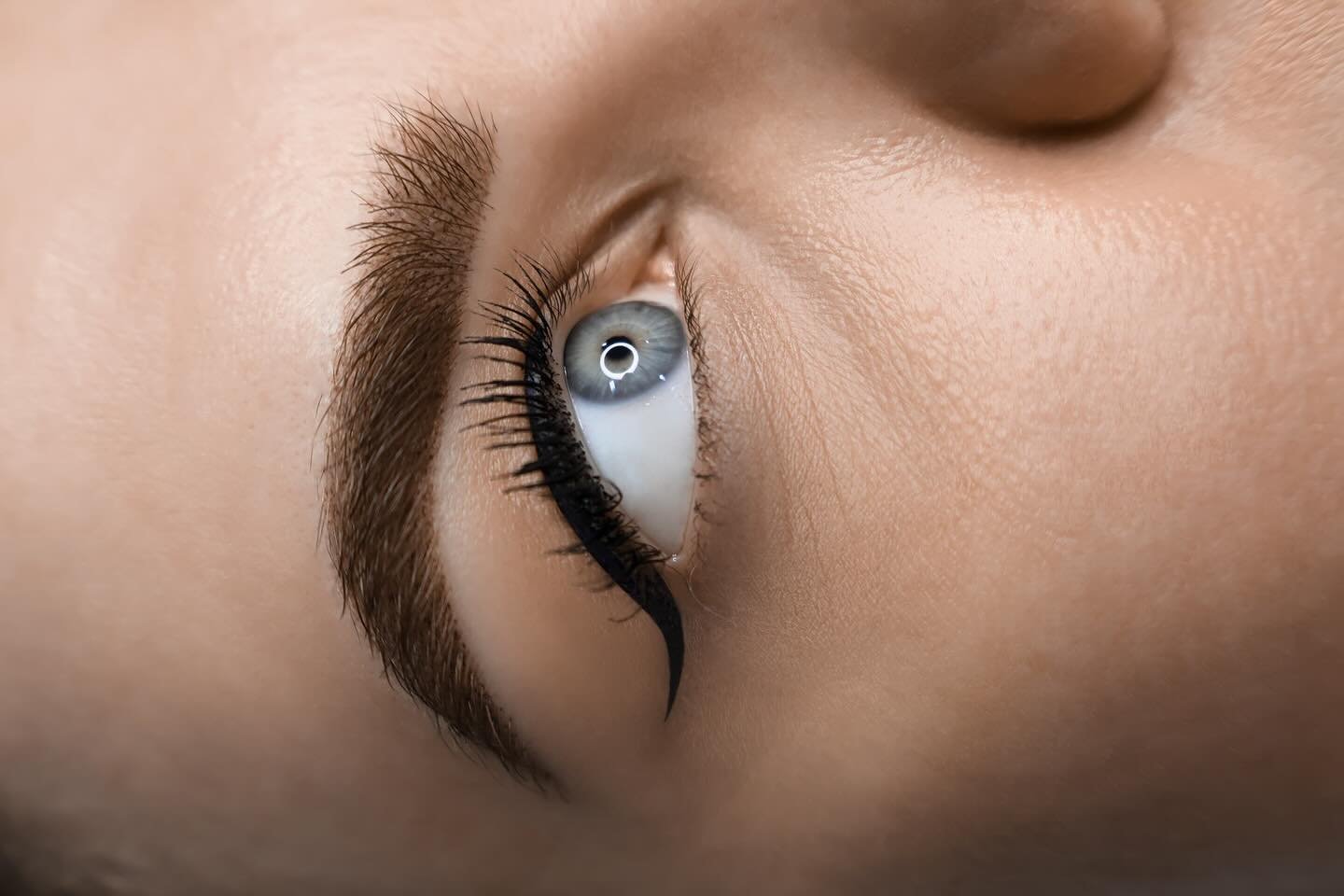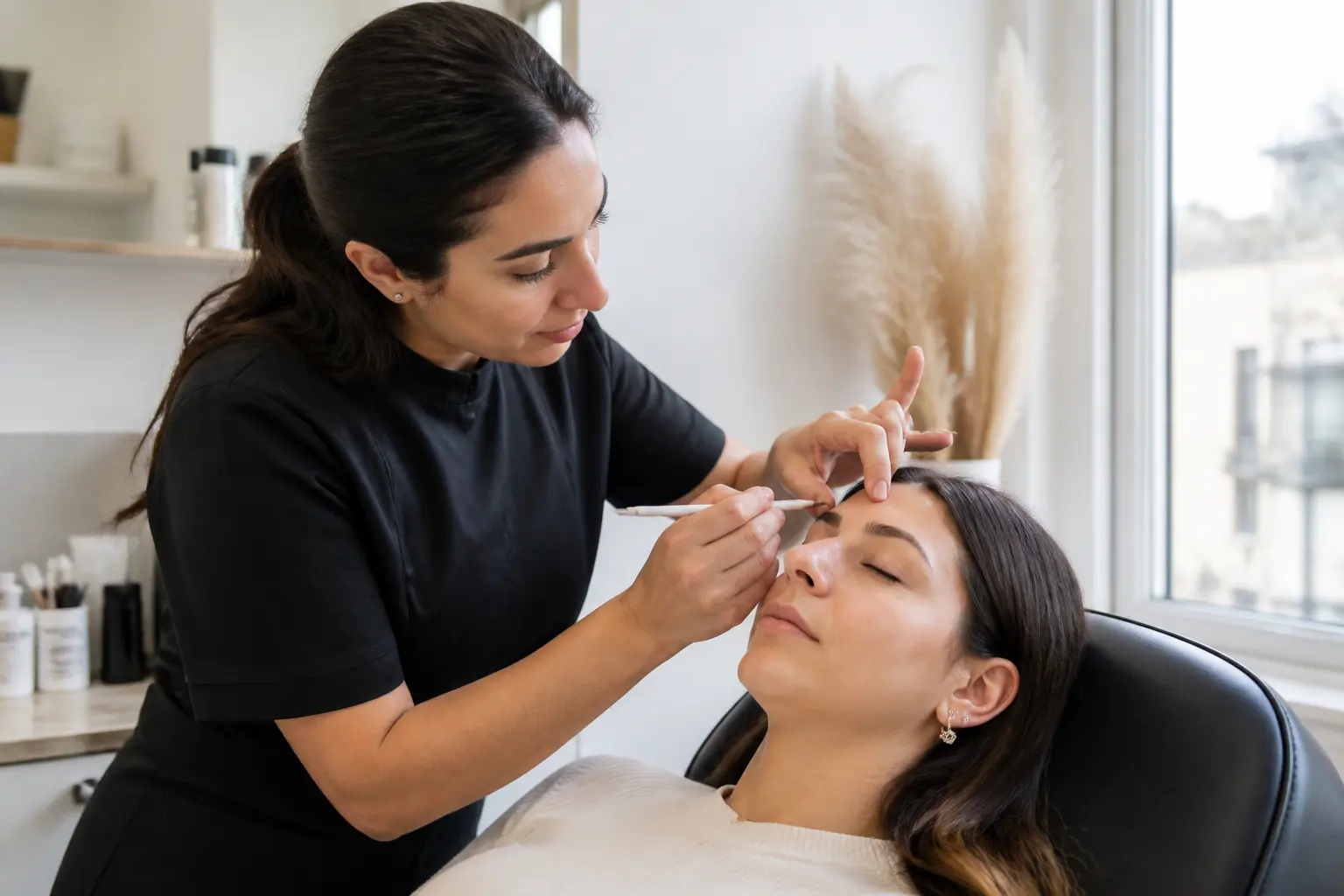
Your first visit to a new brow studio should start with conversation: your usual routine, what you liked and disliked about past appointments, any semi-permanent brow work and skin sensitivities. The artist should assess your natural growth, facial proportions and current brow condition, aiming for balance rather than identical brows. Use reference photos as a starting point, not a template, and ask for a conservative first appointment.
Changing brow studios can feel surprisingly personal. Your eyebrows frame your features, and a shape that felt right in the past may have taken several appointments to achieve. Whether you have moved area, your regular artist is unavailable, or you simply want a fresh professional approach, your first brow appointment at a new salon should be more than a quick tidy-up.
A considered first visit gives the new brow professional a chance to understand your natural growth, your previous routine and the result you actually want. It also gives you the opportunity to assess the studio’s communication, hygiene and attention to detail. At a professional brow studio in Malta, this conversation is an important part of creating a shape that feels like you, rather than applying one standard brow trend to every face.
Why does a first appointment need more conversation?
When you see the same brow artist regularly, they gradually learn how your hair grows, where you like softness or definition, and how quickly you prefer to return for maintenance. A new studio starts without that history. That is not a disadvantage, provided the appointment begins with the right questions and a careful assessment.
The goal is not to erase your previous shape simply because you are trying someone new. It is to understand what is already working, identify anything you would like to change, and make sensible decisions based on your current brows.
This matters especially if you have sparse areas, have previously over-plucked, colour your brows, use brow products daily, or have had a semi-permanent brow procedure. Each of these details can affect the approach to shaping and the advice you receive afterwards.
What should you share before the shaping begins?
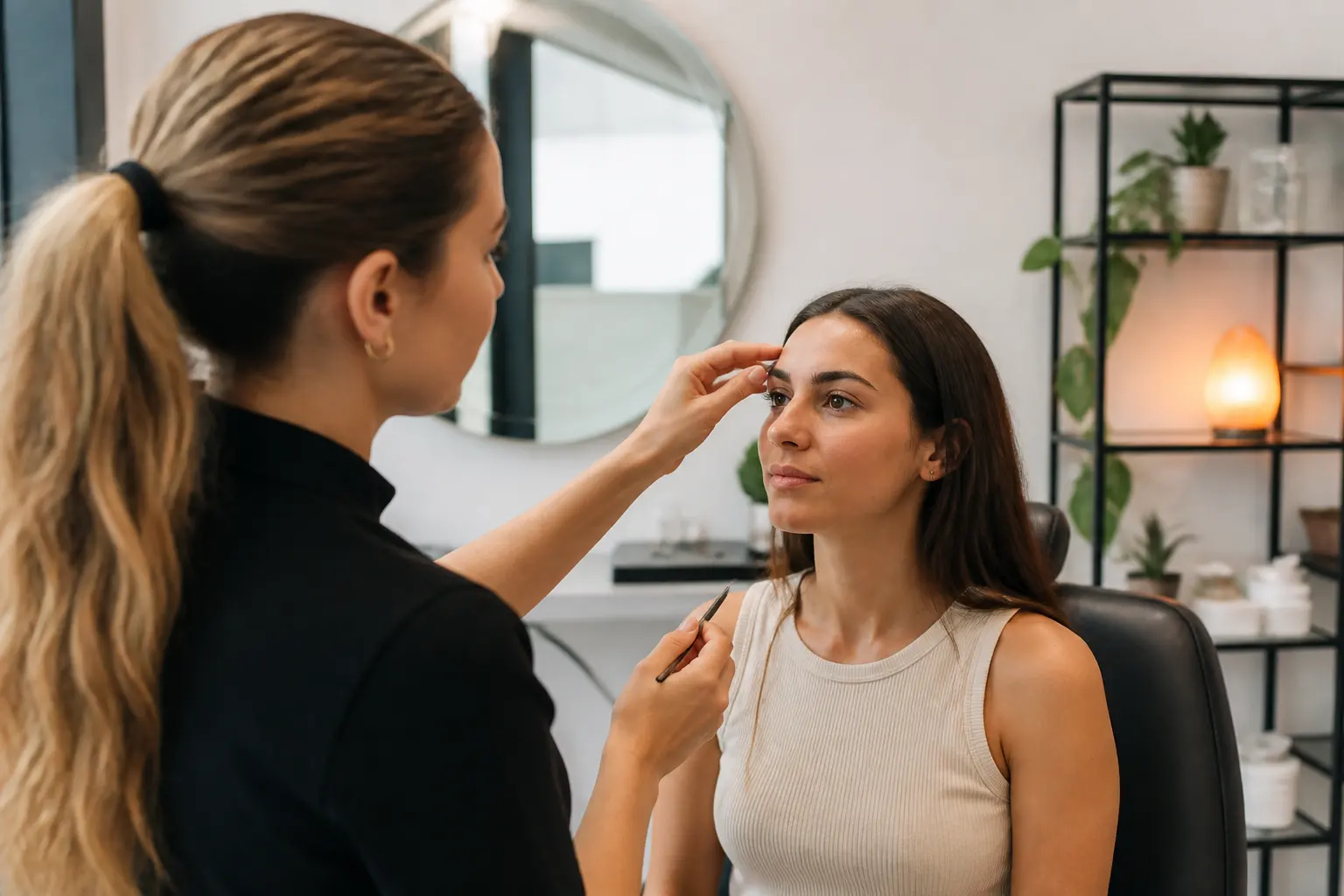
You do not need a formal brief, but a few clear details can make your appointment much easier. Be honest about your brow history and your preferences. A capable professional should welcome this information rather than assume what you want.
Your usual brow routine
Explain how you normally maintain your brows. For example, you may have been threading every few weeks, removing a few hairs at home between visits, using a razor, or leaving your brows untouched for a while. Let the artist know if you use henna, tint, pencils, pomades or brow gels, particularly if you have a preferred level of definition.
If you are switching from waxing or tweezing to threading, it is useful to say so. Threading uses a twisted thread to remove hair with precision, making it possible to work carefully around the outline of the brow. At BeCammo, cotton thread is the standard material, while polyester thread may be used for clients with relevant allergies. The thread is single-use and discarded after each client.
What you liked and disliked about past appointments
Specific feedback is more useful than saying you want a “nice shape”. You might say that you liked the natural thickness your previous artist kept, but felt the arch became too sharp. Or perhaps you liked a clean lower line but did not want much removed from the top of the brow.
You can also explain what did not work for you. Common concerns include brows that became too thin, too dark after colour services, too angular, too distant from the natural growth pattern, or simply unlike your usual appearance. This is valuable information, not criticism.
Any relevant previous procedures
Mention microblading, microshading, nanoblading or other semi-permanent brow work, including whether it is recent or faded. A brow artist needs to see where pigment sits in relation to your natural hair before refining the outline. If you are considering a new semi-permanent procedure rather than simply maintaining your brows, a dedicated consultation is the more appropriate starting point.
It is also sensible to mention skin sensitivity, known allergies and any recent changes to your skincare routine. This allows the studio to guide the service responsibly and advise you on suitable aftercare.
At BeCammo · Sliema · Swieqi
Eyebrow threading in Malta
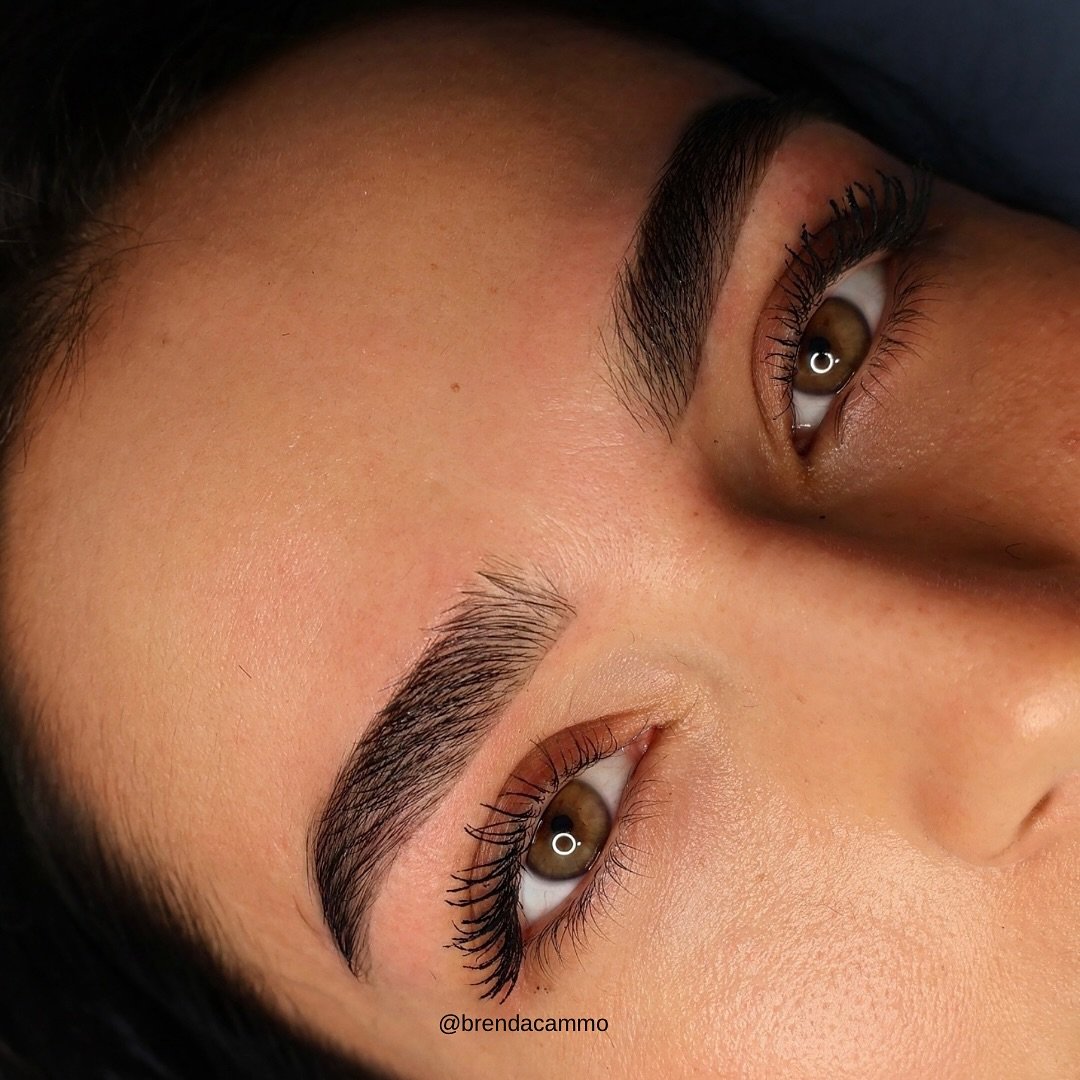
Same client, before and after threading.
Clean, natural brows shaped to your face, at our salons in Sliema and Swieqi. Threading is what BeCammo was built on.
- from €16price
- Sliema · Swieqiwhere
- ★ 5.0460+ Google reviews
What should a professional brow assessment look at?
Great brow design is not about forcing both brows into an identical template. Natural brows are sisters, not copies. They may grow differently, sit at slightly different heights or have different levels of density. A professional assessment aims for balance and harmony while respecting these natural differences.
Natural hair growth
The artist should look at the direction, density and distribution of your brow hair. Some brows are full at the front and lighter through the tail. Others have strong arches but gaps beneath them. Understanding the growth pattern helps determine what can be refined immediately and what may be better left to grow.
This is particularly important when you are trying to recover from over-plucking. Removing every stray hair can create a very polished result in the moment, but it may work against your longer-term aim of building a fuller-looking shape. Tell the artist if growth is your priority so that the design can reflect it.
Facial proportions and personal style
Mapping and design should consider your facial proportions, brow bone, eye area and existing brow placement. However, personal style matters too. One person may prefer a soft, brushed finish. Another may want a more defined, polished outline. Neither preference is automatically better.
A good appointment combines technical observation with listening. The final shape should feel appropriate for your features and comfortable for your daily life, whether you enjoy a full make-up routine or prefer a low-maintenance look.
Current brow condition
Your first visit should also account for what is happening now. Are there areas where hair is growing unevenly? Is one tail shorter? Are your brows naturally dense but losing definition around the edges? Are you due for a simple tidy-up, or do you need a gradual reshaping plan over several appointments?
Sometimes the most responsible recommendation is to take a conservative approach at the first visit. This can be especially helpful when a new artist has not yet seen how your brows settle and grow between appointments.
Why is threading helpful when changing brow studios?
Threading is valued for its precision around the brow line. The technique can remove fine hairs from targeted areas, allowing the artist to define the shape while keeping control over how much is taken away. It can be used to maintain a familiar shape or begin a gradual refinement when your brow goals have changed.
For many clients, the process causes brief, manageable discomfort because hairs are removed from the root. The sensation varies from person to person and can depend on the area being threaded. A professional should explain what to expect, work with care and check in with you throughout the service.
If you are new to threading, say so. Your first appointment is the right time to ask how the technique works, what the immediate finish may look like and how to care for the skin afterwards.
Hygiene and preparation are part of the service
Comfort and a polished result matter, but hygiene should be just as visible in your decision-making. A professional studio should follow a clear approach to cleanliness, use appropriate single-use materials where needed and take relevant client information before proceeding.
At BeCammo, brow appointments follow documented hygiene, client assessment and aftercare practices. You should feel able to ask questions about the process, especially if you have sensitive skin, a product allergy or concerns about a recent cosmetic procedure.
Before your appointment, arrive with realistic expectations and, where possible, avoid experimenting with a new strong exfoliating product directly around the brow area. If your skin is irritated or you are unsure whether an appointment is suitable following another procedure, contact the studio first and explain your situation.
Bring references, but use them wisely
A photo can be an excellent communication tool. It might show a past version of your own brows that you loved, a level of fullness you would like to preserve, or the general finish you prefer. Photos are most helpful when they start a conversation rather than act as a strict template.
Another person’s brow shape may not suit your growth pattern, facial proportions or natural density in the same way. Rather than asking for an exact copy, identify what appeals to you. Is it the softer front? The fuller body? The natural arch? The cleaner outline? This gives your brow artist something practical to interpret for you.
The best first appointment is collaborative. You bring your preferences and history, while the brow professional brings technical observation, careful shaping and honest guidance about what your natural brows can support.
What should you ask at your new brow studio?
Asking questions is not being difficult. It is how you make an informed choice and build confidence in a new routine. Consider asking:
- What shape would you recommend based on my current growth?
- Which areas should be kept if I want my brows to look fuller over time?
- Can we keep the changes subtle for my first visit?
- Would threading, tint or henna suit the finish I want?
- What should I avoid putting on the brow area immediately afterwards?
- When should I return for maintenance, based on my own hair growth?
The answers should be clear, realistic and personalised. Be cautious of anyone who promises an identical result every time, recommends the same shape for everyone or dismisses your concerns without looking closely at your brows.
What should you expect after your first appointment?
Once the shaping is complete, take a moment to look at your brows in good light and share any immediate feedback. It is easier to discuss a small preference while you are still at the studio than to hope it will resolve itself later. This does not mean chasing perfect symmetry. It means checking that the amount of definition, thickness and overall character feel right for you.
After threading, the skin around the brows may look temporarily pink or feel slightly sensitive. Follow the aftercare guidance given by your brow professional. In general, be gentle with the area, avoid rubbing it and consider the timing of make-up, sun protection and active skincare products according to the studio’s advice.
Your first visit also gives you useful information for the next one. Notice how the shape grows out, which areas you still love after several days and whether you would prefer a little more or less definition next time. This feedback helps a new studio personalise future appointments.
How do you make switching brow studios feel easy?
You do not need to wait until your brows are completely overgrown before trying a new brow studio. Booking when there is enough natural hair to assess is helpful, but even a maintenance appointment can be a useful introduction. The important thing is to communicate your history, your priorities and your comfort level.
If you are visiting BeCammo for the first time, you can choose the Sliema or Swieqi location when booking online and select the brow service that suits your needs. Whether you want a tidy threading appointment, a shape review or guidance on adding tint or henna, arriving ready to discuss your brow goals helps the experience feel more personal from the start.
A new brow studio should not make you feel that you have to start again. With a careful consultation, precise design and a willingness to listen, your first appointment can become the foundation for a brow routine that fits your face, lifestyle and natural growth.
Frequently asked questions
Should I let my eyebrows grow out before visiting a new brow studio?
Some visible growth can help the artist assess your natural shape, but you do not need to wait until your brows feel completely untidy. If you are unsure, book a brow appointment and explain that you are changing studios and would like a careful assessment.
Can a new brow artist keep my existing shape?
Yes. Bring a photo if you have one and explain what you like about your current brows. The artist can then work with your existing growth pattern and make only the refinements you feel comfortable with.
What if I am worried about having my brows made too thin?
Say this before the service begins. Ask for a conservative first appointment and explain which areas you would prefer to keep. A professional brow artist can use your current density and growth to guide a more cautious plan.
Is threading suitable if I have had microblading before?
It can be used to maintain natural hairs around older semi-permanent brow work, but the artist should first assess the pigment placement and your current brow condition. Mention any previous procedure when you book or arrive.
How often should I return after switching brow studios?
Maintenance timing varies with your hair growth, the amount of definition you prefer and your personal routine. Your brow artist can suggest an interval after seeing how your brows respond to the first appointment.
Can I ask for tint or henna during my first visit?
Yes, if you want added definition, but the right option depends on your preferred finish and brow condition. Discuss whether you want a subtle colour boost or a more noticeable result before the service starts.
If you are ready to try a new brow routine, book a threading and design appointment at the BeCammo location that is most convenient for you. A short conversation at the beginning can make all the difference to a result that still feels recognisably yours.