Tech Neck From Phone Use: Can Massage Ease Tension?
Brenda Cammo Team
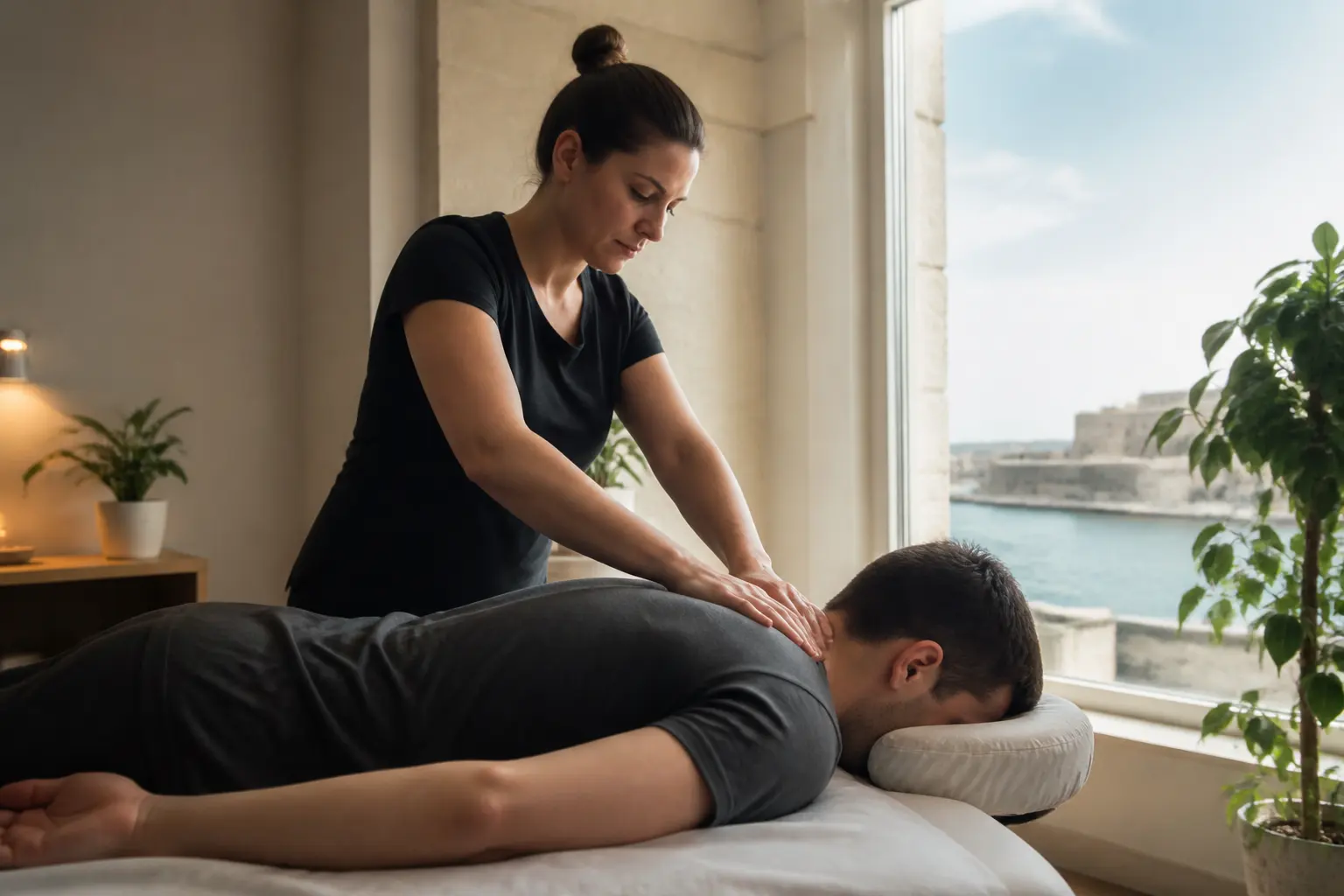
Hours spent looking down at a phone can leave the back of your neck, shoulders and upper back feeling tight, tired or difficult to move. This is often called “tech neck”, a useful everyday term for tension that can build up when screens, scrolling, commuting and desk work keep you in one position for too long.
If this sounds familiar, a massage can be a welcome part of your self-care routine. It may help you relax muscles that feel overworked and give you a dedicated pause from a fast, screen-led day. It is not a substitute for medical assessment, however, and the most useful approach is usually a combination of professional massage, regular movement and small changes to how you use your phone.
At Becammo, massage appointments are approached as personalised wellbeing time. Whether tension is centred around your shoulders after a long week at work, or you simply feel that your body needs time to switch off, communicate what you are feeling so the session can be adapted thoughtfully.
What does “tech neck” actually mean?
Tech neck is not a formal diagnosis. People usually use it to describe neck and shoulder discomfort linked with prolonged phone, laptop or tablet use, especially when the head stays angled downwards and the upper body becomes still. You may notice a stiff neck at the end of the day, tightness across the tops of the shoulders, an urge to roll your shoulders, or discomfort when turning your head.
It is tempting to blame one imperfect position, but bodies are more adaptable than that. The bigger issue is often duration. NHS guidance on neck pain highlights that staying in the same position for a long time can contribute to discomfort, while other NHS musculoskeletal resources stress that there is no single perfect posture for everyone. Changing position regularly is generally more realistic and helpful than trying to hold yourself rigidly upright all day.
Phone use can be one piece of the picture, alongside laptop work, driving, stress, poor sleep, carrying bags or a demanding exercise routine. That is why two people with similar screen time can feel completely different. Your daily movement, stress levels, previous injuries and general health all matter.
How massage may support modern neck and shoulder tension
A professional massage does not “correct” your posture or erase the effects of every busy week in a single visit. What it can offer is focused time to unwind, with attention given to areas that commonly feel loaded after prolonged screen use, such as the upper back, shoulder area and muscles at the back of the neck.
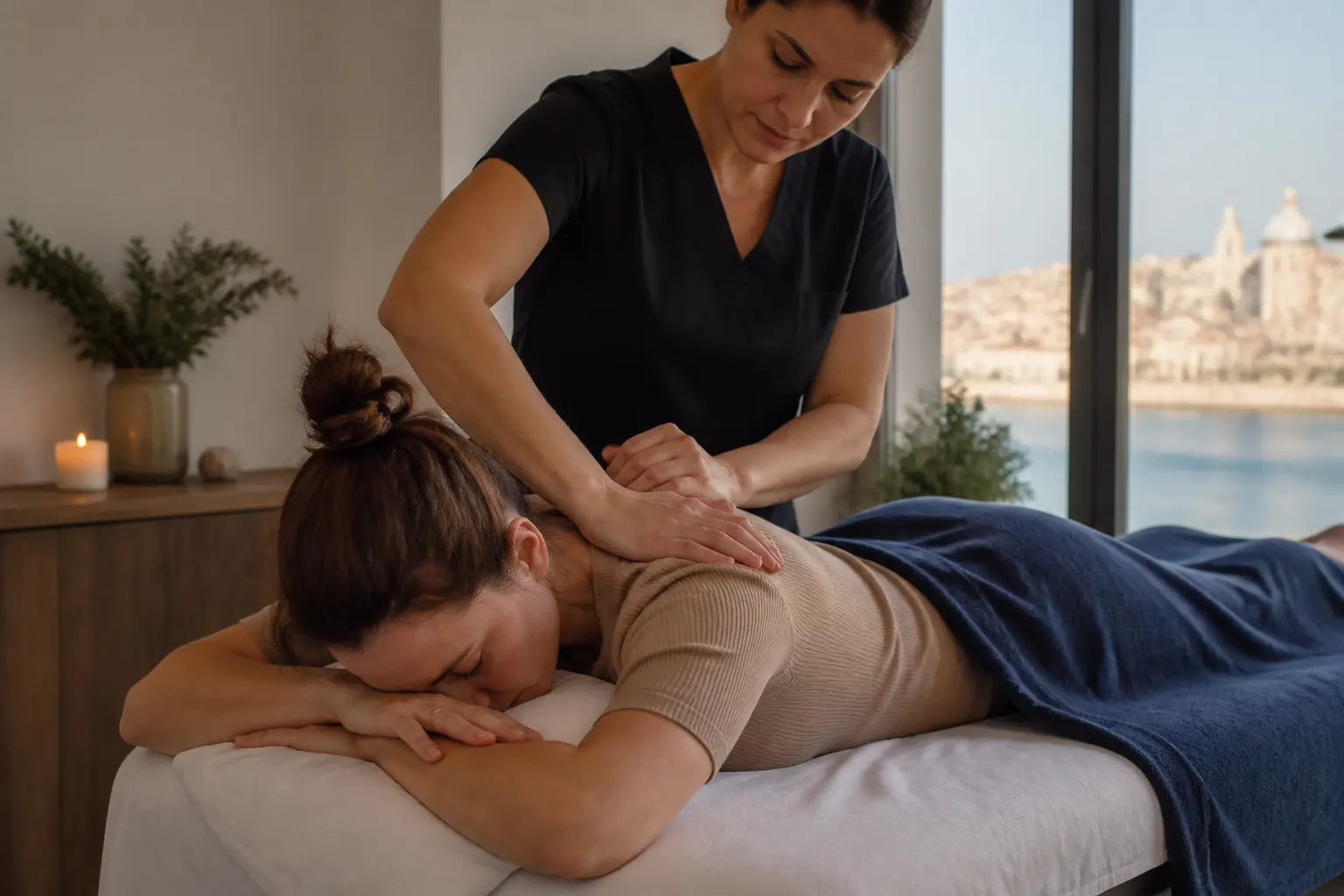
For many people, the immediate value is simple: it feels restorative. Gentle to firmer pressure, depending on your comfort and the style of massage selected, may help the area feel less tight for a time and can make it easier to notice where you have been holding tension. A massage appointment also creates space away from notifications, meetings and the habit of checking a screen.
NHS musculoskeletal advice notes that massage or trigger-point work may provide temporary relief for neck pain, alongside movement and exercise. That word, temporary, matters. Massage works best as part of a wider routine rather than as the only response to recurring discomfort. NHS guidance on mechanical neck pain also cautions against applying pressure to the front or sides of the neck, where important blood vessels are located.
What to tell your massage therapist
Clear communication helps make a session more comfortable and appropriate. Before your appointment, mention:
- where you feel tension, such as the base of the neck, shoulders, between the shoulder blades or lower back;
- whether the feeling is dull, stiff, sensitive or connected with a particular activity;
- any recent injury, fall, accident, surgery or health condition that may affect your appointment;
- what pressure feels comfortable for you, remembering that stronger is not automatically better;
- whether screen-heavy work, travel, sport or poor sleep has made the tension more noticeable.
A good massage experience should not rely on you tolerating pressure that feels sharply painful or alarming. Speak up during the treatment if you want an area avoided, the pressure changed or more support under your head and knees.
What a professional massage session can look like
Your massage should begin with a brief conversation about your comfort, goals and any relevant considerations. For phone-related tension, you might ask for attention around the upper back and shoulders, rather than expecting the therapist to work directly on every part of the neck.
The treatment itself will vary according to the massage chosen and your individual needs. Some clients want a calming, slower-paced experience after a stressful week. Others prefer a more targeted session that concentrates on areas that feel particularly tight after training, travelling or long periods at a desk. The appropriate pressure and focus are personal, so it is useful to arrive with an open but specific description of how your body feels.
Afterwards, give yourself a few quiet minutes before returning to your phone. Have some water if you would like it, avoid rushing immediately into another long scrolling session, and pay attention to how your shoulders feel when you walk out. The aim is not to chase a dramatic feeling, but to build a more sustainable relationship with rest and movement.
Five phone habits that can make a real difference
Massage can support the reset, but the small choices between appointments help determine how quickly tension returns. Try these practical habits during a normal working day.
1. Raise the phone when you can
Instead of always dropping your head towards the screen, bring the phone a little closer to eye level for short tasks. You do not need to hold a fixed position perfectly. The goal is simply to reduce long, uninterrupted periods of looking down.
2. Break up scrolling, not just work
Many people remember to stand up during laptop work but then spend their break looking at a phone in the same position. Use part of your break for a short walk, a drink of water, a window view or a few easy shoulder movements. Even a brief change can interrupt the feeling of being locked into one shape.
3. Let your shoulders drop
When concentration rises, shoulders often creep towards the ears. Once or twice an hour, check in: unclench your jaw, let your shoulders lower and breathe out slowly. It is a small habit, but it can make you more aware of tension before it feels overwhelming.
4. Make your workspace more flexible
If your phone is part of your job, consider whether some tasks can move to a larger screen, a stand or a hands-free option. For laptop work, an arrangement that supports your forearms and keeps the screen nearer to eye height can be useful. The NHS suggests avoiding long periods with the neck held in one position and encourages regular flexibility exercises for common neck pain. Read the NHS neck pain self-care guidance for general advice.
5. Keep moving outside work too
A tense neck is not always solved by sitting more carefully. Gentle walks, comfortable exercise and regular daily movement can all help you avoid spending the whole day in static positions. Choose movement you can realistically repeat, rather than an ambitious routine you will abandon after a few days.
A simple screen-break reset
Try this gentle sequence whenever you have been on your phone or laptop for a while. It should stay within a comfortable range. Do not force a stretch or push through sharp pain.
- Put the phone down and place both feet on the floor.
- Take a slow breath in, then exhale as you allow your shoulders to soften downwards.
- Roll your shoulders backwards slowly a few times.
- Turn your head gently to look over one shoulder, return to the middle, then repeat on the other side.
- Stand up, take a short walk or change task before returning to your screen.
Neck movement and staying active are commonly recommended in NHS self-care resources. If movement makes your symptoms substantially worse, stop and seek appropriate advice rather than trying to work through it.
When massage is not the right next step
It is important not to assume every neck symptom is everyday tension from phone use. Seek urgent medical help if neck discomfort follows a significant injury or is accompanied by concerning symptoms. NHS advice says to contact a GP if neck pain does not improve after a few weeks, pain relief has not helped, or you have symptoms such as pins and needles or a cold arm. The NHS neck pain page explains these warning signs in more detail.
New weakness, numbness, severe headaches, dizziness, problems with balance, changes in speech, fever, unexplained weight loss or pain following an accident all deserve medical assessment. Tell the studio about any injury or relevant condition before booking, and postpone a massage if you have been advised to seek urgent care.
For persistent or recurring discomfort, a GP, physiotherapist or another suitably qualified healthcare professional can help assess the cause and advise on an individual plan. Massage may still be part of your wellbeing routine, but it should sit alongside the right clinical support when needed.
Making massage part of a realistic self-care routine in Malta
There is no universal schedule for massage. Some people book when a stressful period, travel or a demanding work project has left them feeling especially tense. Others prefer to include massage periodically as protected time for relaxation and body care. The right frequency depends on how you feel, your routine, your budget and any advice you have received from a healthcare professional.
Think about the pattern behind your tension. Is it strongest after working from your phone in cafés? Does it build during long commutes? Do you wake with a stiff neck after poor sleep? Recognising the pattern helps you pair a massage with practical changes that fit your actual life, not an idealised one.
If you are in Sliema, Swieqi, St Julian’s, Valletta or nearby, a massage appointment can be a calm way to step back from the pace of modern screen use. Arrive ready to explain what feels uncomfortable, be honest about pressure preferences and leave time afterwards to move more gently through the rest of your day.
Conclusion
Tech neck is often less about one phone habit and more about repeated, prolonged stillness combined with the pressures of everyday life. Massage may help ease the sense of tightness around your neck, shoulders and upper back, while offering a valuable pause to reset. Lasting comfort is more likely when that appointment is paired with regular movement, screen breaks and a workspace that lets you change position often.
If your tension feels like everyday muscle fatigue and you would like a personalised wellbeing session, explore a massage appointment at Becammo. If anything feels unusual, severe or persistent, seek medical advice first. The final booking option can help you choose a time that fits around your week in Malta.
Frequently asked questions
Can massage fix tech neck permanently?
No. Massage may provide temporary comfort and relaxation for areas that feel tight, but it cannot promise a permanent fix. Regular movement, changing screen positions and addressing persistent symptoms with an appropriate healthcare professional are also important.
Should a massage therapist press directly on my neck?
Massage approaches vary, but pressure around the neck should always be comfortable and considered. Do not allow pressure that feels sharp, alarming or painful. NHS guidance specifically advises avoiding pressure over blood vessels on the front and side of the neck.
How often should I book a massage for neck and shoulder tension?
There is no single correct frequency. Consider your comfort, schedule and how your body responds. If the tension keeps returning or affects daily activities, it is sensible to seek advice from a healthcare professional as well.
Is it better to improve my posture or take more breaks?
Both can help, but regular changes of position are often more achievable than trying to maintain one “perfect” posture. Adjust your setup where possible, lift your phone occasionally and build short movement breaks into the day.
Can I have a massage if I have tingling in my arm?
It is better to seek medical advice first. The NHS lists pins and needles or a cold arm alongside neck pain as symptoms that should be discussed with a GP, as they may need further assessment.