Habits That Can Ruin Microblading Results and How to Avoid Them
Brenda Cammo Team
Microblading is designed to make everyday brow routines feel simpler, but the days after your appointment still matter. Your new brows need time to settle, and small, familiar habits can interfere with that process. Touching the area without thinking, booking a beach day too soon or returning to strong skincare products can all make aftercare more difficult.
The good news is that protecting your results does not need to feel complicated. It comes down to planning ahead, following the personalised instructions from your artist and giving your brows a short period of extra care. At a professional studio, microblading should begin with a proper conversation about your skin, routine, plans and expectations, not only the brow shape itself.
This guide explains the most common microblading aftercare mistakes, why they matter and what to do instead. It is general guidance, so always follow the aftercare plan supplied by your microblading artist, especially if it differs from a tip you have read online.
Why daily habits matter after microblading
Microblading is a semi-permanent brow technique that creates fine, hair-like strokes with pigment. Immediately after the appointment, the area needs time to recover and the colour needs time to settle. It is normal for brows to look more defined or darker at first, then move through a period of light flaking and softening before the settled result becomes clearer.
There is no identical healing timetable for every person. Skin type, lifestyle, sun exposure, product use and how carefully aftercare is followed can all make a difference. That is why copying somebody else’s routine from social media is rarely the best approach. Your artist’s instructions are based on the technique used and your individual assessment.
Think of aftercare as protecting an investment in your time and appearance. You are not trying to freeze your normal life for weeks. You are simply avoiding the activities and products most likely to create unnecessary friction, moisture, irritation or disruption while the brow area is settling.
1. Touching your brows throughout the day
It is easy to touch your face while working, scrolling, applying skincare or adjusting glasses. After microblading, however, repeated contact is one of the habits worth actively noticing. Fingers can transfer dirt, oil and product residue to the brow area. Rubbing can also disturb delicate flaking before it is ready to shed naturally.
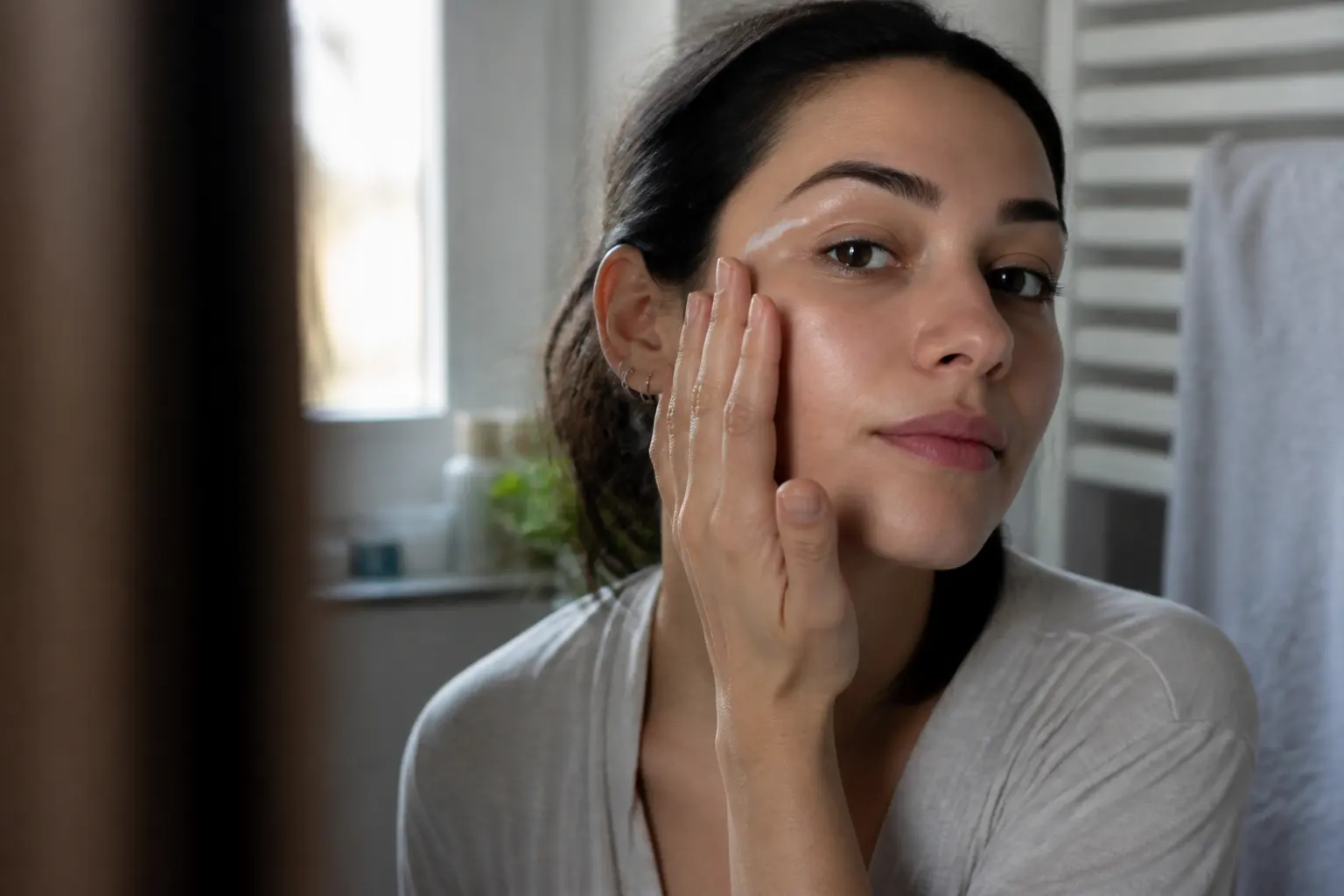
Brows can feel dry, tight or slightly itchy as they settle. That feeling can tempt you to check them constantly in the mirror or brush over them with a fingertip. Try to resist. The appearance of the brows can change from day to day, and touching them will not speed up the process.
What to do instead
- Wash your hands before carrying out any instructed brow care.
- Keep hair, hats and phone screens clean, particularly if they come near your forehead.
- Use the aftercare product only if, when and how your artist has advised.
- If you catch yourself touching your brows, simply stop and refocus. You do not need to panic.
General tattoo aftercare guidance also advises against touching a pigmented area unnecessarily while it is healing, as clean, gentle care helps reduce avoidable irritation. The Dudley Group NHS Foundation Trust provides a useful example of this principle.
2. Picking, scratching or trying to remove flakes
This is perhaps the most tempting mistake. When the brow area begins to flake, some people worry that the pigment is disappearing and try to tidy the brows by lifting loose skin. Others scratch because the area feels itchy. Both reactions can be counterproductive.
Flaking is part of the settling process for many clients. Pulling at flakes before they detach naturally can interfere with the appearance of the strokes and can leave the area more irritated. It may also make brows look patchy during a stage that was always going to be temporary.
Do not judge your final result from one flaky day. The initial boldness, the flaking period and the later softening are all reasons to wait for the review point recommended by your artist before assessing whether a touch-up is appropriate.
What to do instead
- Leave flakes alone, even if they seem uneven.
- Avoid exfoliating cloths, brow brushes and cleansing tools over the treated area.
- Keep your hands busy if you tend to pick at your skin when stressed or distracted.
- Contact your artist if you are unsure whether something you see is expected or needs attention.
Clinical tattoo aftercare guidance likewise advises allowing scabs or crusting to come away naturally, rather than picking them off. East Kent Hospitals University NHS Foundation Trust notes that picking can remove colour from a pigmented area.
3. Going back to intense workouts too soon
For many people in Malta, exercise is a non-negotiable part of the week. That may mean a gym session before work, a run along the seafront or a hot outdoor class. Soon after microblading, though, intense exercise can be difficult for the brow area because it brings sweat, heat and repeated wiping of the face.
This does not mean exercise is bad. It means that timing matters. If you know you have a training block, sporting event or very active holiday planned, mention it during your consultation so you can choose an appointment date that gives you room to follow the aftercare advice properly.
What to do instead
- Plan a few quieter days after your appointment where possible.
- Choose gentle activities only if they fit the guidance from your artist.
- Avoid wiping sweat across your brows.
- Schedule your appointment after, rather than immediately before, a demanding fitness event.
Published microblading literature commonly identifies heavy workouts and perspiration as factors to avoid in the earliest aftercare period. This review in the Journal of Cutaneous and Aesthetic Surgery also highlights the importance of discussing sweating and lifestyle factors before treatment.
4. Treating pool, sea and sauna plans as harmless
A quick swim can sound refreshing, especially during a warm Malta week. Yet pools, the sea, hot tubs, steam rooms and saunas are not ideal while the treated area is still settling. These environments combine moisture, heat and potential exposure to substances that can be unhelpful for fresh pigment.
This is particularly relevant if your appointment is close to a holiday, a beach weekend, a spa booking or a regular swimming routine. It is better to organise your diary before microblading than to spend the first few days worrying about whether you can join every plan.
What to do instead
- Tell your artist about upcoming travel, swimming and spa plans before booking.
- Follow the specific no-swimming and no-sauna period in your personalised aftercare instructions.
- Choose a date that gives you enough recovery time before a beach-focused holiday.
- Once fully settled, protect your brows from sun exposure as part of your usual skincare routine.
Advice from University Hospital Southampton NHS Foundation Trust explains that swimming, sunbathing, saunas and steam rooms can affect freshly placed pigment, which is why professional aftercare plans commonly place temporary limits on these activities.
5. Letting the sun catch fresh brows
Sun exposure can be easy to underestimate. It is not only the long beach afternoon that counts. A sunny commute, lunch outside in Sliema or a walk through Valletta can all add up when the brow area is fresh and exposed.
It is sensible to arrange your appointment with your lifestyle in mind. If you know you will be outdoors for long periods, use shade and a hat where appropriate, while following your artist’s instructions about what can and cannot be applied near the brows during the early stage. Do not apply sunscreen, make-up or skincare products directly onto fresh brows unless your artist has said it is suitable.
What to do instead
- Prioritise shade during the early aftercare period.
- Wear a clean, loose-fitting hat that does not rub the brow area, if suitable for your aftercare plan.
- Save tanning, sunbeds and long unprotected sun exposure for after your brows have settled.
- Use daily sun protection once the skin has fully recovered and your artist has confirmed you can return to normal products.
The American Academy of Dermatology recommends shade, protective clothing and broad-spectrum sunscreen as part of everyday sun protection. For fresh microblading, the immediate priority is following the product and exposure guidance from your own artist.
6. Restarting strong skincare products without checking
Retinoids, exfoliating acids, scrubs, peels, brightening products and active serums may be part of your normal facial routine. The problem is not that skincare is inherently wrong. The problem is assuming that the products you use elsewhere on your face are automatically appropriate close to newly microbladed brows.
Products can travel during cleansing, sweating or sleeping. A face wash may run over the brow area in the shower. A night cream may migrate onto the forehead. A favourite exfoliant may be applied more widely than intended. This is why it helps to simplify your routine for a short time and be deliberate about where every product goes.
What to do instead
- Tell your artist about your usual skincare before the appointment, including retinoids, acids and professional skin treatments.
- Ask exactly when you can resume each category of product near the brows.
- Apply products carefully around, not across, the brow area until you have clearance to return to your usual routine.
- Do not book an aggressive facial, peel or brow-area exfoliation without checking the timing first.
A thorough pre-appointment consultation is valuable because microblading is not a one-size-fits-all service. Your artist can explain whether your current routine means you should adjust the date or pause certain products beforehand.
7. Wearing brow make-up because the colour looks too bold
The first look after microblading can surprise people, particularly if they expected the settled result to appear immediately. Fresh brows often look stronger than they will later. The temptation is to cover, correct or soften them with brow pencil, concealer or make-up. This can add unnecessary product and friction at exactly the wrong time.
Remember that the early colour is not your final colour. The brow area usually needs time to go through its own settling stages. Trying to force the look closer to your usual make-up style can make aftercare harder and can prevent you from seeing how the pigment is developing naturally.
What to do instead
- Take clear photos in similar natural light if you want to track the change over time.
- Follow the artist’s instructions on when make-up can return near the brow area.
- Plan your appointment away from events where you feel pressure to wear a full face of make-up immediately afterwards.
- Ask questions rather than attempting to correct the brows at home.
If you are planning microblading before a wedding, holiday or major celebration, allow more time than you think you need. A well-timed appointment is one of the simplest ways to avoid rushing the settling process.
8. Skipping the consultation details because you are busy
One habit that can affect results begins before the appointment. It is rushing through the consultation, forgetting to mention a product, or failing to explain that you are travelling, swimming, exercising heavily or having another beauty service booked. These details help an artist guide you responsibly.
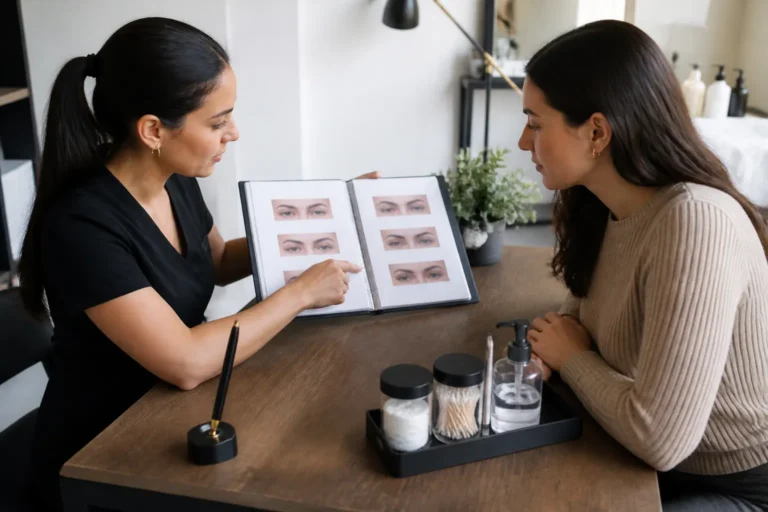
Be open about your previous brow work, sensitivity history, skincare routine, sun exposure and expectations. Bring reference images if they help explain the level of definition you like, but stay open to a design that respects your natural brow growth, facial balance and skin characteristics.
A professional service should never rely on a copied brow shape. The goal is a personalised result that works with your features and routine. That assessment is also the best time to discuss whether microblading, microshading or another semi-permanent option may suit your preferences.
When to ask for professional or medical advice
It is sensible to contact your artist if you are uncertain about normal settling, aftercare timing or a product you want to use. If you have signs that concern you, such as increasing redness, warmth, swelling, pain, discharge or feeling unwell, seek prompt advice from an appropriate healthcare professional. Do not try to solve a possible problem with extra products or online remedies.
The Dudley Group NHS guidance similarly advises seeking medical help for a pigmented area that becomes inflamed, hot, moist or increasingly red.
A simple microblading aftercare mindset
The most helpful habit is patience. Keep the brow area clean according to your instructions, leave flakes alone, avoid unnecessary moisture and friction, pause unsuitable activities for the recommended time and ask before introducing products. This approach is far more useful than comparing your day-by-day appearance with somebody else’s photographs.
Before booking, think practically about the week ahead. Choose a date that does not clash with swimming, intense exercise, long sun exposure or an important event where you expect to wear heavy make-up. Then arrive ready to share your routine honestly and to follow the plan given to you.
At Becammo, a microblading appointment is approached as a personalised brow decision, from shape and technique through to clear aftercare guidance. If you are considering Brazilian Microblading in Malta, book a consultation or appointment and ask any questions you have about your lifestyle, skin routine and ideal timing. A little preparation can help you feel much more confident about the journey from fresh brows to their settled look.
Frequently asked questions
Can I touch my brows after microblading?
Avoid touching them unnecessarily. If you need to carry out the care advised by your artist, wash your hands first and use only the method and products you have been given.
Why do my microbladed brows look darker at first?
Fresh brows often appear more defined before they settle. Colour and texture can change through the early settling period, so avoid judging the final result immediately after the appointment.
Can I go swimming after microblading?
Not until your artist says it is appropriate. Pool water, sea water, hot tubs and spa environments can complicate fresh-brow aftercare, so plan swimming around the guidance you receive.
When can I exercise after microblading?
The timing depends on your personalised aftercare plan. Tell your artist if you exercise regularly, especially if your workouts involve heavy sweating, heat or outdoor sun exposure.
Can I use retinol or exfoliating acids near my brows?
Do not restart strong skincare products close to the brow area without checking first. Your artist can tell you when and how to return to your normal skincare routine safely.
What should I do if I am worried about healing?
Contact your artist for non-urgent aftercare questions. If you notice increasing redness, heat, swelling, pain, discharge or feel unwell, seek advice from an appropriate healthcare professional promptly.