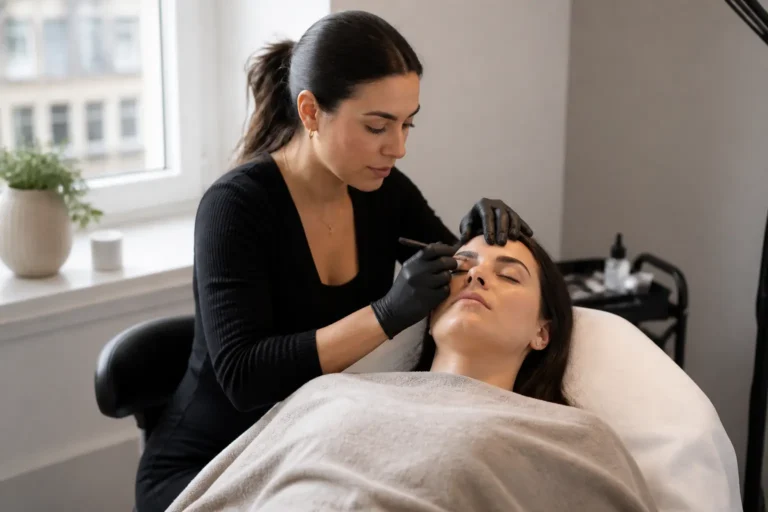
How to Choose a Qualified Microblading Artist
Brenda Cammo Team
Choosing a microblading artist is not simply a matter of finding a brow shape you like online. Microblading is a semi-permanent brow procedure, so the person, premises and process behind the result deserve careful consideration. Before you book, take time to look beyond polished photographs and ask clear questions about training, hygiene, consultation and the artist’s portfolio.
For clients in Malta, licensing should sit at the top of the list. Semi-permanent tattooing is regulated locally, and artists are required to hold a valid licence. The Government of Malta’s studio guidance also states that the licence should be displayed where clients can easily see it in the waiting area. This is a practical starting point when you visit a studio or attend a consultation. Government of Malta semi-permanent tattooing studio manual
Start with the right question: who is qualified to carry out microblading?
Microblading uses fine strokes to place pigment in the brow area. It calls for a combination of technical control, design judgement, hygiene discipline and clear communication. A qualified artist should be comfortable explaining their background without becoming defensive or vague.
Training matters, but the name of a course alone does not tell you everything. Ask what the course covered and how the artist developed their skills afterwards. Useful areas include brow mapping and facial balance, skin knowledge relevant to the procedure, colour selection, hygiene and infection-control practices, consultation, aftercare and supervised practical work.
In Malta, the licensing guidance for semi-permanent tattooing applicants includes a certificate of competency with particular emphasis on safe infection-control knowledge. That does not mean every course is identical, but it does show why education and hygiene cannot be separated when you are deciding who to trust with your brows. Malta’s licensing guidance for semi-permanent tattooing artists
Questions worth asking about training
- Where did you complete your microblading education?
- What did the course include besides the practical technique?
- How do you continue developing your skills and keeping your knowledge current?
- Do you carry out a detailed consultation before agreeing on a procedure?
- What experience do you have with brow patterns, skin characteristics and facial features similar to mine?
You are not testing an artist’s ability to recite certificates. You are looking for thoughtful answers that connect their training to the way they work with real clients. A professional should explain the process in plain language, acknowledge when individual assessment is needed and avoid making sweeping promises about a particular result.
Check licensing and the studio environment in person
A well-presented social profile can be useful for discovering an artist, but it is not evidence of professional standards on its own. Whenever possible, visit the studio for a consultation before committing to a semi-permanent brow procedure.
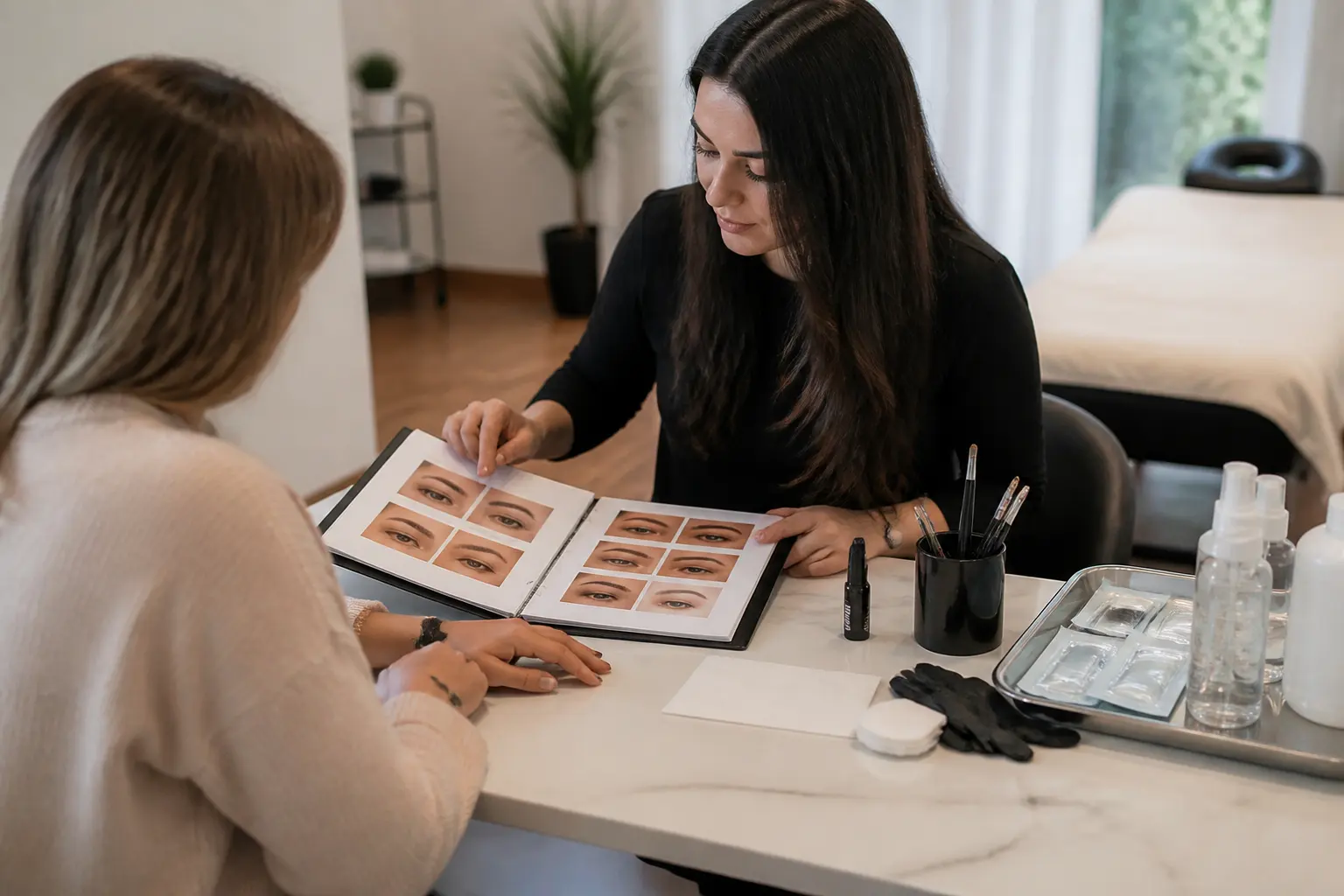
Notice whether the setting feels organised, whether work surfaces appear prepared for the appointment and whether the artist can explain their hygiene routine clearly. You do not need specialist knowledge to ask sensible questions. In fact, transparent answers are one of the most reassuring signs.
Malta’s current standards for tattooing and semi-permanent tattooing place responsibility on operators to manage risks linked to premises, equipment, materials, work processes and hygiene measures. The standards are designed to support a controlled working environment for both clients and artists. Government of Malta standards for hygienic tattooing and semi-permanent tattooing practice
What a clear hygiene conversation can cover
Ask the artist to talk you through how the area is prepared, how equipment is handled and what is single-use. You may also ask how pigments are selected and stored, how the work area is cleaned between clients, and what happens to disposable items after the appointment.
A responsible studio will welcome respectful questions. The conversation should feel practical rather than alarming. Since the procedure involves the skin, sterile, single-use equipment and careful hygiene processes are important. International health guidance also highlights the role of sterile single-use needles in reducing risks associated with blood exposure. World Health Organization guidance on infection prevention
Be cautious if you are discouraged from asking about hygiene, rushed into booking or offered a procedure without any opportunity to discuss your circumstances. Equally, be wary of claims that eliminate every possible concern. Professional practice is about informed choices, appropriate precautions and honest expectations, not absolute assurances.
Look at a portfolio with a critical eye
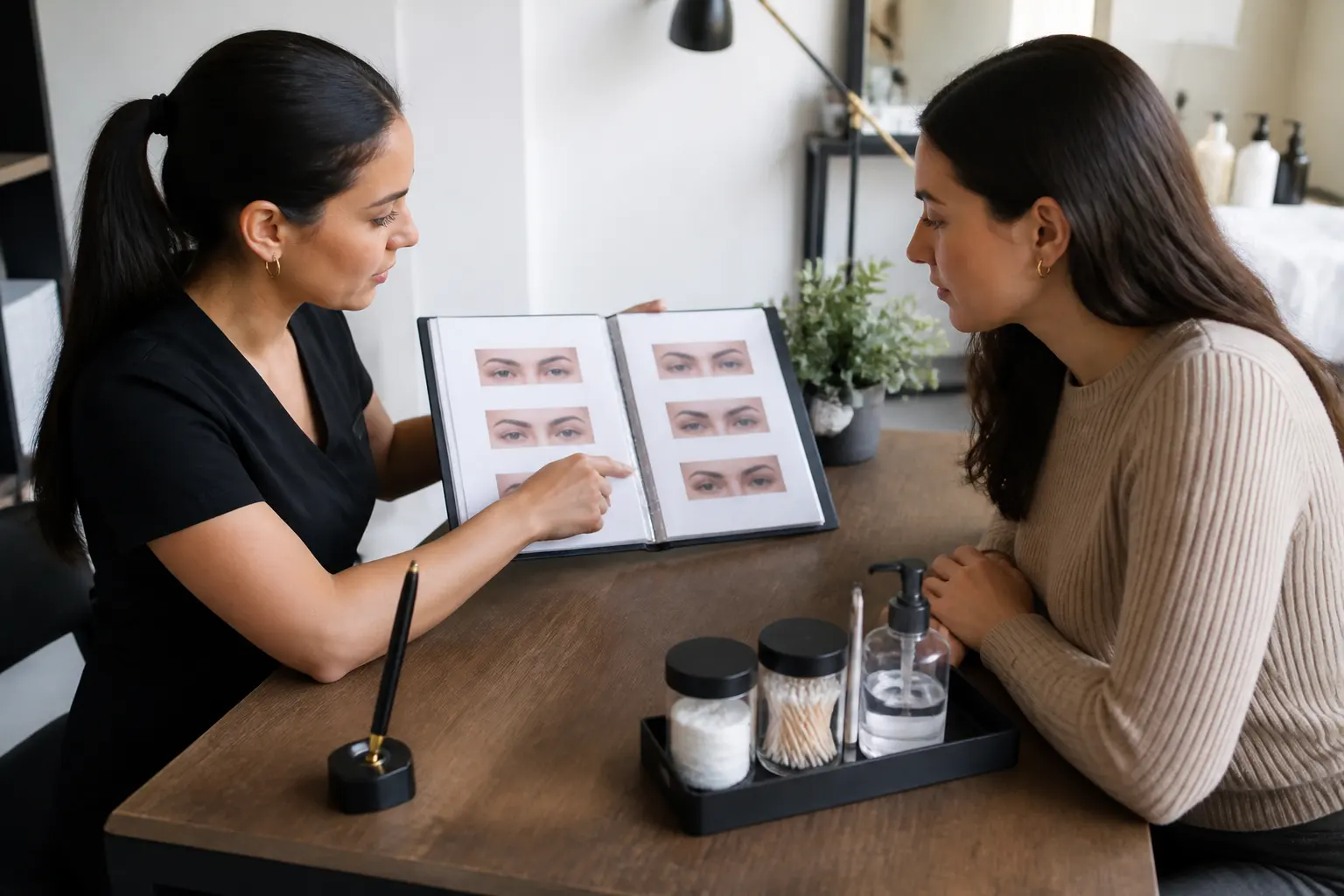
A portfolio should help you assess consistency, not persuade you that every client will receive the same brow. Brows are naturally different from one side to the other, hair growth varies and faces have their own proportions. The strongest portfolios show that the artist works with those differences rather than forcing every client into one fashionable template.
When reviewing an artist’s work, do not focus only on dramatic before-and-after images. Look for a range of starting points and finished styles. A thoughtful portfolio may include subtle enhancement, fuller-looking brows, clients with sparse areas and brows with different natural densities and directions.
Signs of a useful microblading portfolio
- Images are clear enough to assess the brow area rather than heavily filtered or taken from far away.
- There is variety in skin tones, brow density, facial features and desired levels of definition.
- The work appears balanced with the client’s natural brow placement and facial proportions.
- The artist can show healed results as well as fresh work, where available.
- The brow style changes from client to client rather than following one identical outline.
Fresh photographs can look bold because pigment and the skin’s immediate response can affect how the work appears on the day. Healed images are therefore valuable because they give a more realistic view of how an artist’s work may settle over time. They should still be viewed as examples, not a personal forecast. Skin characteristics, lifestyle, aftercare and other individual factors can influence pigment retention and appearance.
It is reasonable to ask whether photographs are taken immediately after the procedure or after healing. An artist who explains the distinction is helping you set expectations. It is also sensible to ask if the images are their own work and whether you can see examples relevant to the style you prefer.
Choose design judgement over a copied brow trend
Bring reference images if they help you explain what you like, but use them as a conversation starter rather than a fixed blueprint. The brow that suits a friend, influencer or filtered image may not suit your bone structure, existing hair pattern, skin or everyday make-up preferences.
A capable microblading artist will discuss shape, colour direction and the level of definition you want. They should also explain where your natural brows provide useful guidance and where limitations may apply. This personalised approach matters for every client, including people with sparse brows, uneven growth, mature skin or a very specific preference for a barely-there finish.
At a professional studio, brow mapping should be part of the design discussion. Mapping helps create a considered starting framework, but it should not be treated as a rigid formula. Faces are not perfectly symmetrical, and the goal is generally a balanced result that respects your natural features rather than an artificial match from one side to the other.
Do not skip the consultation
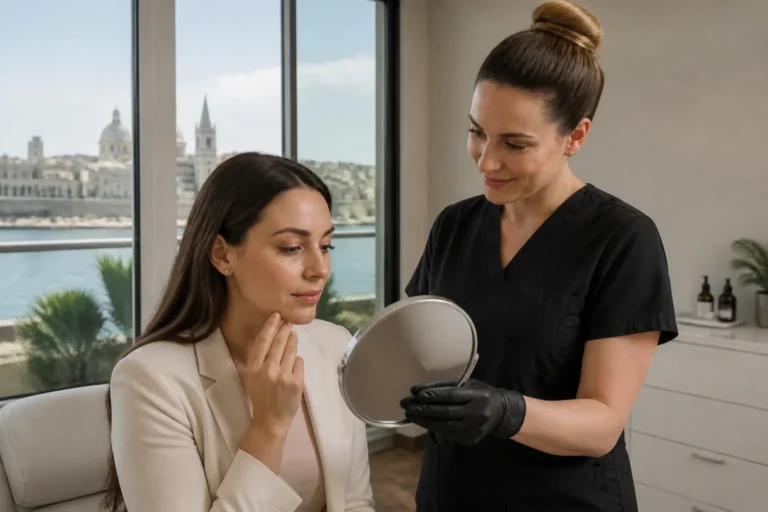
A consultation is your opportunity to decide whether microblading feels appropriate for you before a full appointment. It is also the best time to assess the artist’s communication. You should leave with a clearer sense of what the procedure involves, the style being considered, the aftercare commitment and the factors that may affect your individual experience.
Use the consultation to share relevant information honestly, including previous semi-permanent brow work, known allergies, skin sensitivity or any health-related concern that may affect your decision. The artist may need to recommend waiting, adjusting the plan or seeking advice from an appropriate healthcare professional before proceeding. This is not an inconvenience. It is part of making a careful decision.
A consultation checklist for prospective clients
- Ask to see the artist’s valid licence and relevant training credentials.
- Discuss your brow history, desired look and daily routine.
- Ask how your shape and colour direction will be chosen.
- Ask about hygiene practices, disposable items and studio preparation.
- Review both fresh and healed examples of the artist’s work.
- Clarify aftercare, the healing period and how follow-up appointments are planned.
- Take time to reflect before booking if anything remains unclear.
You should never feel pressured to decide during the first conversation. A considered choice is especially worthwhile for semi-permanent brows because the design becomes part of your everyday appearance. If you want a natural outcome, say so. If you wear little make-up, mention it. If you are uncertain between microblading and another semi-permanent brow technique, ask for an explanation rather than relying on a trend-led label.
Watch for red flags without relying on fear
Most booking decisions become easier when you focus on openness and consistency. A lack of either can be a reason to pause.
- No visible licence or unclear answers about licensing.
- Reluctance to discuss education, experience or hygiene procedures.
- A portfolio made up only of edited, freshly completed images.
- One identical brow shape used across every example.
- Pressure to book quickly, pay immediately or ignore your questions.
- Promises of a perfect outcome, universal suitability or a result that will look the same on everyone.
These points are not about expecting perfection from an artist or studio. They are about choosing someone who works responsibly, communicates clearly and treats your questions as part of the service.
Making your decision in Malta
When you are comparing microblading artists in Malta, begin with licensing, then look for education, hygiene transparency and a portfolio that reflects personalised work. A consultation brings these elements together. It lets you assess the studio in person, ask about your own brow goals and decide whether you feel comfortable with the proposed plan.
At Becammo, clients can book a semi-permanent consultation before deciding on microblading or another brow option. It is a space to discuss your goals, review what is realistic for your natural brows and ask practical questions before making a commitment. Choose the Sliema or Swieqi location that suits you when arranging your visit.
Frequently asked questions
How do I know whether a microblading artist is licensed in Malta?
Ask to see the artist’s valid semi-permanent tattooing licence. Malta’s studio guidance says that a valid licence should be displayed in a conspicuous place in the studio waiting area. If you cannot find it, ask directly before booking.
Is a social media portfolio enough to choose a microblading artist?
It can help you identify an artist whose aesthetic you like, but it should not be your only check. Review a range of work, ask about healed results and arrange a consultation to discuss training, hygiene and your individual brow goals.
Why should I ask to see healed microblading results?
Fresh work can look different from brows after the healing period. Healed examples offer additional context about an artist’s technique and pigment work. They are examples only, because individual results can vary.
What hygiene questions should I ask before microblading?
Ask how the area and equipment are prepared, which items are single-use, how surfaces are cleaned between clients and how disposable materials are handled after the appointment. A professional should be able to answer clearly.
Can I bring a photo of brows I like to my consultation?
Yes. Reference photos can help explain whether you prefer a soft, defined or fuller-looking finish. Your artist should then assess how that idea can be adapted to your natural brow pattern and facial features.
Should I book a consultation before microblading?
It is a sensible step, especially if you are new to semi-permanent brows, have had previous brow work or are unsure which technique suits your preferences. It gives you time to ask questions and make an informed decision.
Choosing the right artist begins with asking the right questions. When training, hygiene, licensing and a varied portfolio all support a clear consultation, you can book with a stronger understanding of the process. If you are considering semi-permanent brows in Malta, arrange a consultation and bring every question you need answered.