What Is Lip Micropigmentation? Soft Blush Colour for Everyday Lips
Brenda Cammo Team
Lip micropigmentation is a semi-permanent make-up procedure designed to add a soft wash of colour, improve the appearance of lip definition and create a more even-looking tone. Often called lip blush, it is not intended to look like a heavy lipstick application. The aim is usually a refined, personalised result that makes everyday lips look fresher with less need for daily colour products.
For many people, the appeal is simple: they would like their lips to retain a little more colour and shape when they wake up, go to the gym, spend time at the beach or leave the house without make-up. Yet lip micropigmentation is still a considered beauty decision. The result depends on the starting lip tone, the chosen shade, the condition of the skin and the way the pigment settles over time.
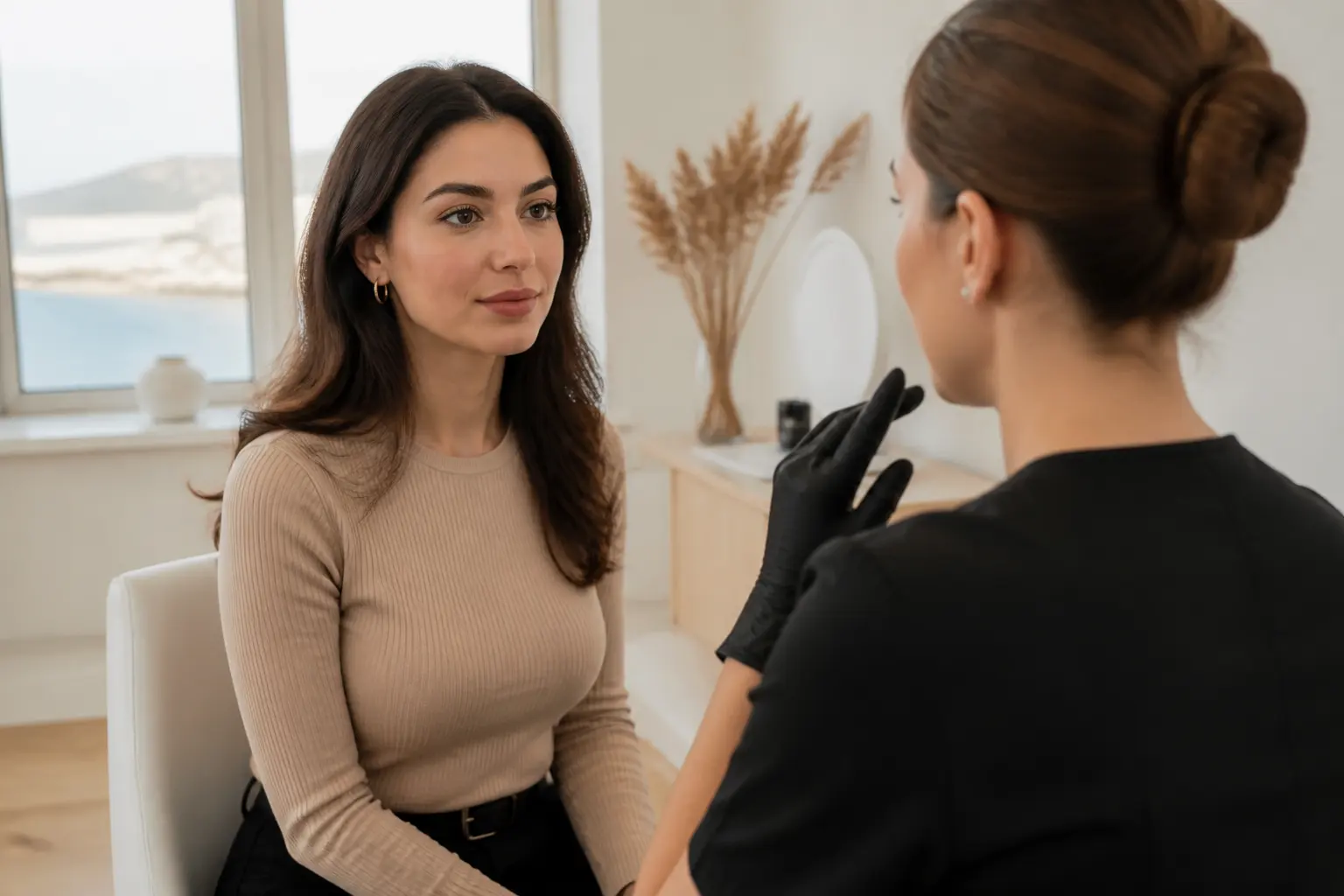
At a professional studio, the process should begin with a conversation about the look you want, rather than an assumption that one shade or outline suits everyone. A subtle blush effect can be especially useful for people who prefer polished, low-maintenance make-up, but it should always remain appropriate for their natural colouring and personal style.
What is lip micropigmentation?
Lip micropigmentation is a form of semi-permanent make-up in which pigment is placed into the lip area to create a soft tint and more defined overall appearance. Depending on the individual plan, it may focus on enhancing the natural lip colour, creating a clearer-looking border, balancing areas that appear lighter or adding a gentle blush across the lips.
It is sometimes described as permanent lipstick, but that phrase can be misleading. A well-planned lip blush result is normally softer and more translucent than a full lipstick look. It is intended to work with the natural lips, not cover their character completely. You can still wear lipstick, gloss or balm whenever you wish.
The word micropigmentation also matters because this is not the same as applying a topical tint at home. It is a professional procedure requiring careful colour selection, hygiene and an individual approach. The lips are a highly visible feature, so rushing into a shade choice or choosing only from a photograph can lead to expectations that do not match the reality of your own skin and lip tone.
What does a soft lip blush look like?
Soft lip blush is best thought of as the effect of naturally healthy-looking lips with a little extra definition. It can range from a barely-there nude tone to a warmer rose, berry or coral-leaning finish, depending on what complements the client’s complexion and existing lip colour.
The goal is not necessarily to make lips look dramatically larger or to create a sharp, opaque line. Instead, the colour is built to give a smoother visual impression. When the colour is chosen thoughtfully, it can make the lips look more balanced in photographs and more present when the rest of the make-up is minimal.
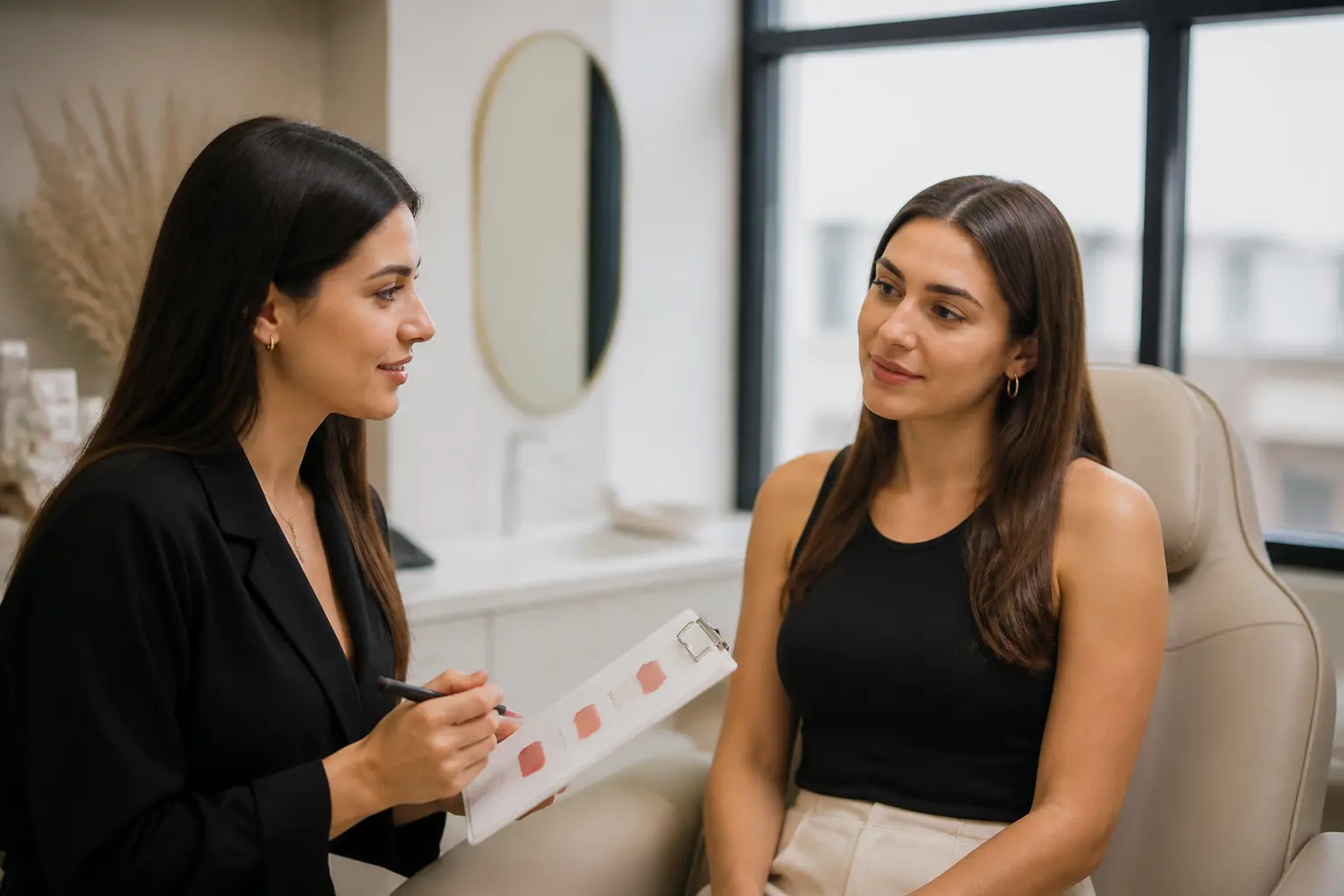
Because every person begins with a different natural tone, the same pigment shade will not look identical on everyone. Natural lip colour, uneven areas, previous pigmentation and the way the skin retains pigment can all influence the healed appearance. This is why personalised colour planning is more useful than trying to copy a lip shade seen on somebody else.
Why people choose lip micropigmentation
There is no single reason to choose a lip blush procedure. Some clients want to simplify their make-up routine, while others want lips that appear more defined without needing liner every morning. It can also appeal to people whose natural lip tone looks less even than they would like.
- Everyday colour: a gentle tint can give the face a more finished appearance on make-up-free days.
- More visible definition: careful work around the lip shape can help the border look clearer without relying on a daily pencil.
- A personalised tone: the shade can be selected to complement, rather than overwhelm, your natural colouring.
- Less daily effort: it may reduce the need to reapply lip colour throughout a busy day.
- Flexible styling: a soft base can still be paired with favourite lipsticks, glosses and balms.
It is important to keep expectations realistic. Lip micropigmentation does not replace every lip product in every situation. A person who loves a bold red lip for an evening out may still want to wear one. Instead, it can provide a softer starting point for days when you want colour without a full make-up routine.
How a professional lip micropigmentation appointment works
Although the details will vary between clients, a professional appointment is built around planning, precision and clear aftercare guidance. At Becammo, lip micropigmentation is approached as a semi-permanent make-up service, with colour and shape considered in relation to the individual client.
1. Discussing your preferred finish
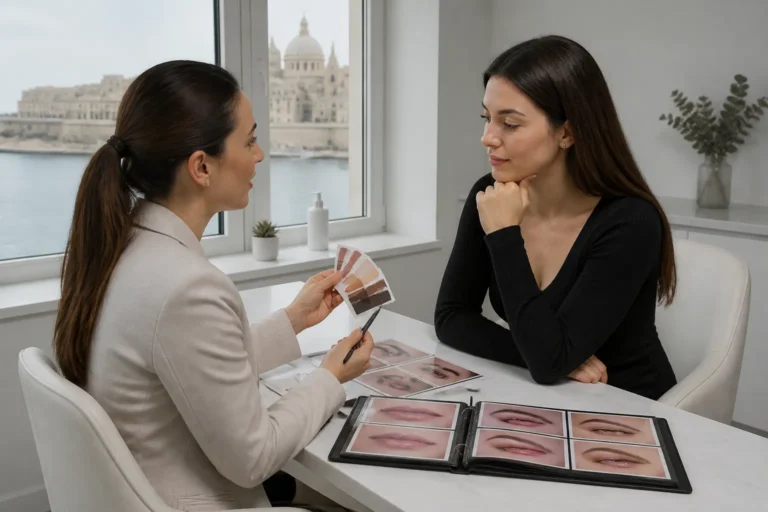
The appointment should begin with your desired outcome. Do you want a neutral everyday tint? A little more warmth? Better-looking definition? Bring reference images if they help explain your taste, but use them as a conversation starter rather than a fixed promise. A suitable result should take your natural lips into account.
2. Assessing colour and lip shape
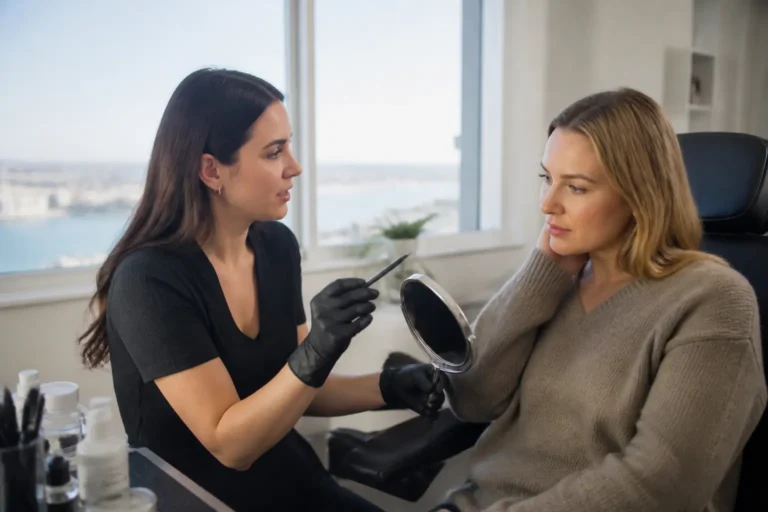
Your practitioner considers the starting tone and shape of the lips before selecting the approach. This is where a professional eye is valuable. A shade that looks beautiful in a swatch or on social media may need adjustment to sit naturally against your complexion and existing lip colour.
3. Creating the pigment design
The pigment is worked gradually to create the planned soft-blush effect. The appointment is not about applying one flat block of colour. It is a detailed process, and the finish is built with the aim of looking balanced once the lips have settled.
4. Understanding the settling period
The colour you see immediately after the procedure is not necessarily the final appearance. Pigment settles as the lips recover, and the colour can soften during that process. Following the personalised aftercare provided by your practitioner is an important part of looking after the result.
5. Planning the touch-up
A touch-up appointment is part of the service pathway for many semi-permanent make-up procedures. It allows the colour and overall finish to be reviewed after the initial settling period. Long-term refresh appointments may also be considered later, depending on how the pigment has softened and the look you want to maintain.
Is lip micropigmentation the same as lip tattooing?
The terms are often used interchangeably in everyday conversation, but the intended aesthetic can be very different. Traditional tattoo language can bring to mind dense, highly saturated colour. Modern lip blush is generally planned as a soft, wearable enhancement that works with the natural lip tone.
That does not mean the procedure should be treated casually. It is still a semi-permanent make-up decision, and the person carrying it out should take hygiene, colour planning and client suitability seriously. If your priority is a subtle finish, say so clearly during your appointment. Terms such as natural, soft and everyday mean different things to different people, so discussing reference images and your normal make-up habits is helpful.
Choosing the right lip blush shade
The most flattering lip micropigmentation shade is rarely chosen by trend alone. A colour should be considered alongside your skin tone, the natural pigment in your lips and how much make-up you usually wear. Someone who normally chooses clear balm may prefer a gentle nude-rose effect, while someone who regularly wears warmer colours may feel more at home with a peachier or richer blush.
Try to describe the practical role you want the colour to play. For example:
- “I want to look less washed out without lipstick.”
- “I would like my lip edge to look more defined.”
- “I wear nude lipstick most days and want an easy base.”
- “I want a little warmth, but nothing too bright.”
- “I still want to wear different lipstick colours over it.”
These details give more useful direction than simply naming a shade. The right plan is one that feels like you on an ordinary day, not only in a filtered photograph or under studio lighting.
Who should arrange a consultation first?
A consultation is a sensible first step if you are uncertain about the procedure, have a specific concern about colour or are deciding between lip micropigmentation and another form of semi-permanent make-up. It is also the appropriate time to mention anything relevant to your appointment, including allergies, medication, recent changes around the lips, previous cosmetic procedures or any health considerations you think the practitioner should know about.
Being open at this stage supports a more responsible decision. A professional studio should not pressure you to proceed if your questions have not been answered or if you are not comfortable with the plan. Semi-permanent make-up is most enjoyable when the client understands both the potential benefits and the commitment involved.
How to prepare for your appointment
Preparation is not about creating a perfect canvas at home. It is about arriving with clear information and realistic expectations. Before booking, consider the type of finish you would like, how you normally wear your lips and whether you can follow the aftercare guidance during the days after the procedure.
It is also useful to come prepared to discuss previous lip products or procedures that may affect planning. If you have questions about your suitability, ask them before the appointment rather than relying on general advice online. Individual assessment matters because lips, skin and preferences vary considerably.
How to look after your lip blush result
Your practitioner will provide aftercare instructions tailored to the procedure and your situation. Follow these carefully, including any guidance on products, touching the area and activities to manage while the lips are settling. Avoid assuming that advice from a friend, a social post or an unrelated beauty procedure applies to your own appointment.
It is also worth remembering that semi-permanent colour is not fixed in exactly the same way for every client. Lifestyle, skin characteristics, pigment retention and aftercare can all affect how the colour appears over time. A future refresh can be discussed when needed, rather than trying to predict an identical timeline for everyone.
Is lip micropigmentation right for your everyday routine?
Lip micropigmentation can suit people who enjoy a naturally polished look and would like less dependence on daily lip colour. It may be especially appealing if you often reach for a neutral balm or tint, want clearer-looking lip definition or simply want to feel more put together on low-maintenance days.
It may be less suitable if you are looking for a frequently changing, high-impact lipstick finish. In that case, traditional make-up may give you more variety. The best choice depends on your habits, not on what is currently popular.
If you are considering a soft lip blush colour, give yourself time to ask questions and talk through the result you want. A thoughtful professional appointment should leave you feeling informed about the process, the settling period and the role of a touch-up. When you are ready, you can book lip micropigmentation at Becammo and choose the Malta studio location that works best for you.
Frequently asked questions
Will lip micropigmentation look like lipstick?
It can be planned for a lipstick-inspired colour, but a soft lip blush result is usually more subtle than a full lipstick application. The aim is often a gentle tint that works with your natural lips.
Can I still wear lipstick after lip micropigmentation?
Yes. Once you have followed your practitioner’s aftercare guidance and the lips have settled, you can still use lipstick, gloss and balm to change your look whenever you choose.
Does everyone need the same lip blush shade?
No. The same pigment can appear differently according to natural lip tone, skin characteristics and individual pigment retention. Colour selection should be personalised rather than copied exactly from another person.
Why is a touch-up appointment important?
A touch-up gives the practitioner an opportunity to review how the pigment has settled after the initial appointment and make planned refinements to the overall result.
How long does lip micropigmentation last?
There is no single timeline that applies to everyone. Semi-permanent pigment can soften over time, and the need for a refresh depends on individual factors, colour choice, pigment retention and the look you want to maintain.
Should I book a consultation before lip micropigmentation?
A consultation is helpful if you are unsure whether the procedure suits your goals, have questions about colour or shape, or need to discuss personal considerations before making a decision.