How to Make Your Manicure Last Through Beach Days
Brenda Cammo Team
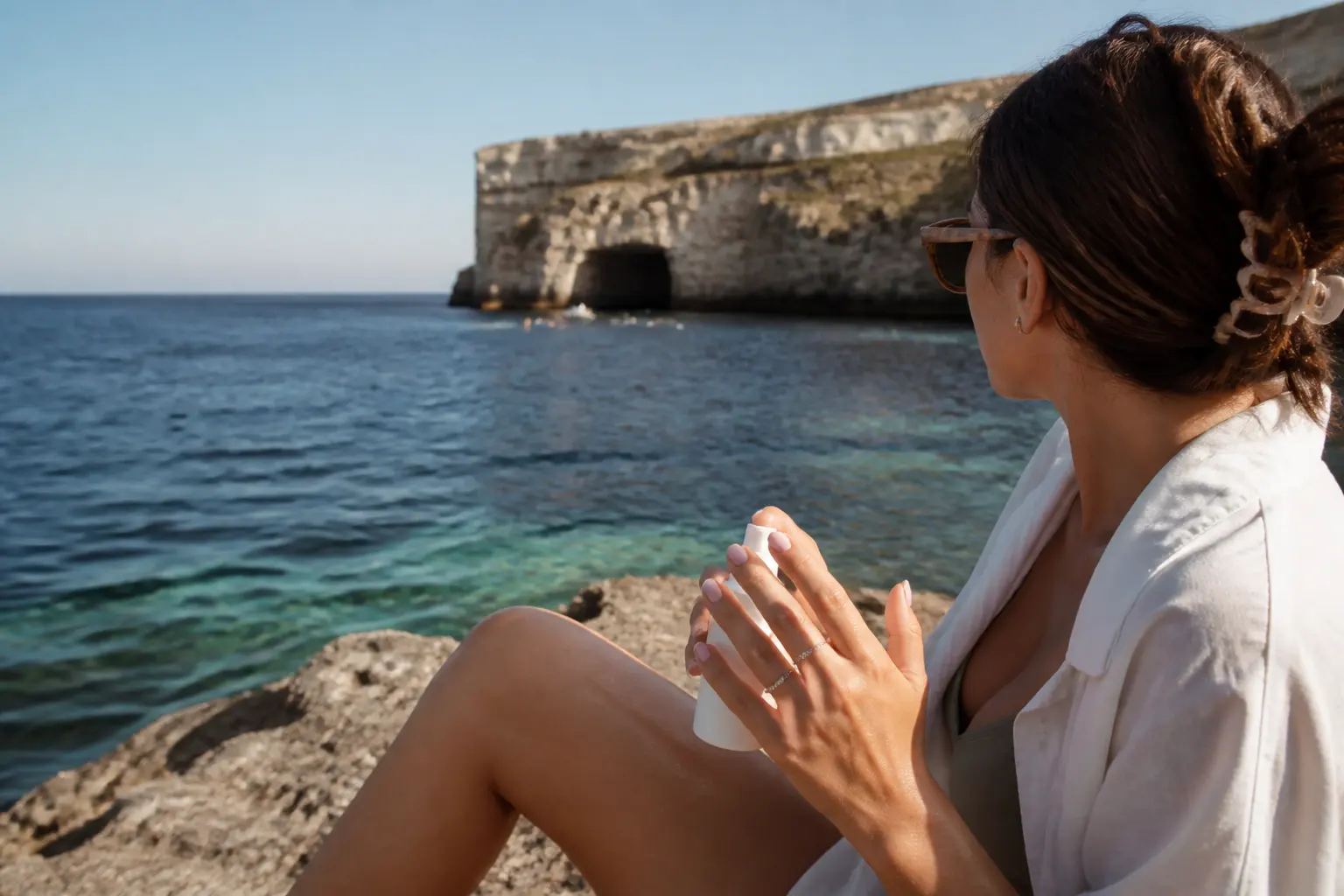
Beach days are one of the best parts of life in Malta, but they can be demanding on a fresh manicure. Salt water, sand, sunscreen, repeated hand washing and time spent opening bags, drinks and beach gear can all leave nails looking less polished than you hoped.
The good news is that a beach holiday does not mean you need to give up on a neat, glossy manicure. A little preparation, sensible aftercare and the right habits during the day can help your colour and finish stay presentable for longer. Whether you prefer normal polish, gel polish or a strengthening service such as rubber base, the aim is the same: protect the nail plate, minimise unnecessary wear and avoid turning small chips into larger breaks.
Here is how to make a manicure last at the beach, while still enjoying the sea, sunshine and relaxed summer routine.
Why beach days can be tough on manicured nails
A manicure is exposed to more than water during a day by the sea. It is also exposed to friction, heat, changes in moisture and everyday pressure. Understanding those factors makes it easier to build a routine that is realistic rather than restrictive.
Salt water can leave nails feeling dry
After a swim, sea water evaporates from the skin and nails. This can leave a drying residue, especially when it is followed by wind and sun. Dry cuticles may look rougher, and nails that are already prone to peeling or splitting can feel less flexible.
Salt water does not automatically ruin a professional manicure, but regular exposure without rinsing or moisturising afterwards can make your hands and cuticles look less cared for. The finish may still be intact, yet dry skin around the nail can make the overall result appear less polished.
Sand creates friction
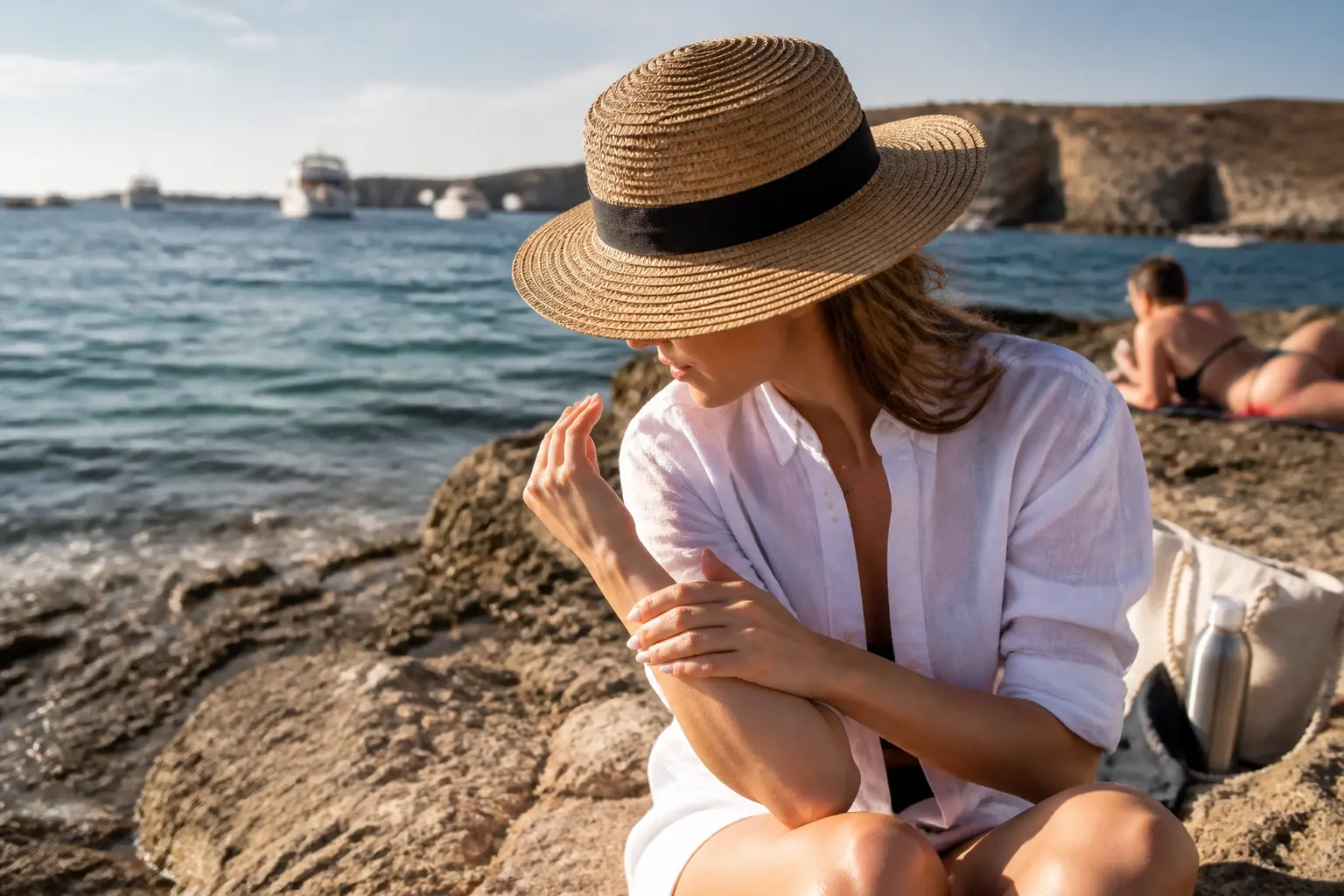
Sand gets everywhere, including around your fingertips. Rubbing sandy hands together, searching through a beach bag or brushing sand off towels can create small amounts of abrasion. This is particularly relevant at the free edge of the nail, where a tiny lift or chip can begin.
Try not to use your nails as tools when you are outdoors. Picking at labels, prising open cans, scraping sand from shoes or undoing knots can put unnecessary pressure on the manicure and the natural nail underneath.
Sunscreen and oils can make hands slippery
Sunscreen is essential for beach days, but it can make hands slippery when applied quickly. That often leads to stronger gripping, rubbing and wiping on towels. Sunscreen should never be skipped to protect a manicure. Instead, apply it carefully, allow it to settle for a moment and wipe any excess from the tips of your fingers if needed.
If you use an oil-based body product, be mindful when handling sunglasses, phones and beach accessories. Dropping items or trying to catch them can put force through the nails.
Frequent wetting and drying adds up
Swimming, showering after the beach, washing hands, rinsing fruit and cleaning up after a picnic can mean repeated contact with water over one day. Nails naturally absorb some water and then return to their usual state as they dry. Frequent cycles can be more noticeable for people whose nails are already brittle or prone to layers lifting.
This is one reason aftercare matters as much as the appointment itself. A professional manicure gives you a polished starting point, but everyday habits help determine how it wears.
Prepare your manicure before a beach weekend
If you know you have a long beach weekend, a boat trip or a holiday planned, schedule your manicure with enough time to settle into your routine. Avoid leaving every beauty appointment to the hour before departure, particularly if you also need to pack, travel or do last-minute chores.
Choose a finish that suits your plans
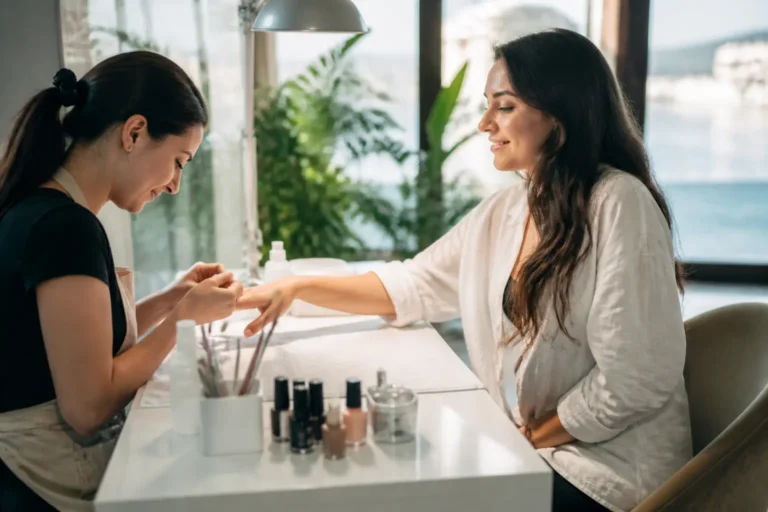
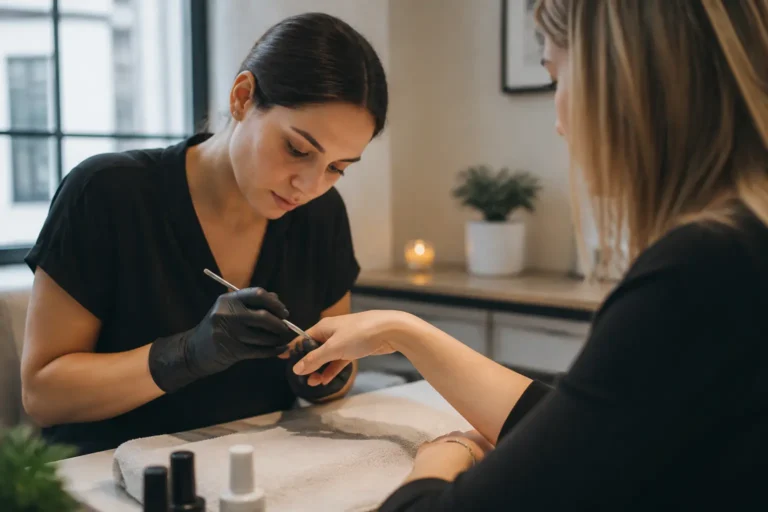
There is no single best manicure for every person. Your nail length, daily routine, preferred look and natural nail condition all matter. At a professional nail appointment, it is useful to explain that you expect to be swimming or spending time at the beach. Your nail technician can help you choose an appropriate service and finish from the options available.
Gel polish can be a practical choice for clients who want a glossy colour that fits into a busy holiday schedule. Rubber base may be considered when the goal is a little more support for natural nails, depending on your individual nails and the service discussion. A traditional manicure can also look beautiful, especially if you prefer changing colours often, but it may need more cautious treatment around water, friction and household tasks.
The key is not to choose a service based only on a photograph. Choose one that works with your natural nail condition and what you will realistically be doing during the following days.
Keep the length practical
Long nails can look elegant, but beach days involve practical tasks. You may be fastening sandals, carrying bags, applying sunscreen to children, handling wet swimwear or getting keys out of a small pouch. If you know your holiday will be active, a moderate length and a shape that feels comfortable for you can reduce the chance of accidental knocks.
A shorter nail does not have to mean a plain manicure. Soft neutrals, bright summer colours, a French finish or simple nail art can all work beautifully at a practical length.
Do not arrive with nails already damaged
If you have a chip, a crack, peeling layers or product lifting before your trip, do not cover it with a quick coat at home and hope for the best. Lifting can catch on fabric, hair and towels, making it more tempting to pull or pick. A professional assessment is the safer way to decide what can be refreshed, repaired or removed appropriately.
Avoid peeling off gel product yourself. Pulling product away can also pull at layers of the natural nail, leaving it feeling weaker and more uneven for your next manicure.
A beach-day routine that protects your nails
You do not need a complicated kit to care for your manicure by the sea. A few intentional steps can make a noticeable difference.
- Apply sunscreen before handling everything else. Give it a brief moment to absorb before opening bags, putting on jewellery or using your phone.
- Rinse your hands with fresh water after swimming when possible. This helps remove salt and sand from the skin, cuticles and nail edges.
- Pat hands dry rather than rubbing aggressively. A towel can remove moisture without the extra friction of vigorous rubbing.
- Use hand cream or cuticle oil later in the day. This supports the appearance of the skin around the nails after sun, wind and sea exposure.
- Use the pads of your fingers, not the tips of your nails. This is especially useful for opening packaging, fastening buckles and lifting objects.
Keep a small hand cream in your beach bag or use it once you are back at your accommodation. You do not need to apply it immediately after every swim, but using it consistently can help cuticles look more comfortable and tidy.
What to avoid if you want your manicure to last
Picking at the edges
A small chip can be annoying, but picking at it usually causes more visible damage. It may turn a tiny imperfection into a larger break or lift. If you notice an edge catching, file it very gently only if you have a clean, fine nail file and know you can smooth it without disturbing the rest of the finish. Otherwise, protect the nail and arrange a professional check when you can.
Using nails for beach tasks
It is easy to treat nails as miniature tools when you are away from home. Avoid using them to open cans, remove bottle caps, scrape stickers, undo tight knots or dig through sandy items. These motions place leverage at the tip of the nail, where breaks are more likely to happen.
Use a key, bottle opener, coin or another suitable tool instead. It is a small adjustment that can save a manicure.
Long soaks after swimming
A refreshing dip is part of the point of a beach day. The issue is not a normal swim, but prolonged soaking followed by rough handling. When hands have been in water for a while, treat them a little more gently. Avoid immediately tackling heavy bags, tight zips or difficult packaging with your fingertips.
Harsh cleaning without gloves
Holiday apartments and beach homes often come with quick clean-ups: washing dishes, wiping surfaces or dealing with sand on equipment. Cleaning products and hot water can be hard on hands and can contribute to dryness around the nails. Wear gloves for household cleaning whenever possible, even if the task seems brief.
How to deal with a chip or break during your holiday
Even with careful preparation, accidents happen. A chip after catching a nail on a zip does not mean the whole manicure is ruined. The most important thing is to avoid making it worse.
- Do not bite, pull or peel the affected area.
- Keep the nail clean and dry after swimming.
- If the free edge has snagged, protect it from catching on fabric.
- Avoid adding layers of random polish over lifting gel product.
- Book a professional appointment when possible, especially if the product is lifting or the natural nail feels compromised.
If a natural nail has broken very low or you experience pain, do not attempt an at-home fix with glue or force. Keep it protected and seek suitable professional advice. Beauty appointments should always be approached with comfort and nail condition in mind, not simply with the aim of preserving a colour at all costs.
Beach-friendly manicure ideas
Choosing a colour and design thoughtfully can make normal signs of wear less noticeable between appointments. This is not about hiding damage. It is about selecting a look that still feels elegant as you enjoy a full summer schedule.
Sheer and neutral shades
Milky tones, soft pinks, beige, warm nude and understated peach shades can make regrowth or small marks less obvious than a very dark, opaque colour. They also suit a clean, easy holiday look and coordinate naturally with different outfits.
French manicures
A French manicure remains a popular choice for holidays because it feels fresh and versatile. The pale base can be forgiving as nails grow, while the tip gives definition. Discuss the thickness and colour of the tip with your technician so the result suits your nail shape and personal style.
Bright summer colours
If colour is part of your holiday mood, coral, red, aqua, cobalt, sunny yellow and vivid pink can look striking against beachwear. Brighter shades can show chips more clearly, so they are a good choice for clients happy to handle their nails carefully and schedule a refresh after a busy trip.
Simple designs over highly raised details
Minimal nail art, fine lines or a subtle accent can add personality without creating too many raised elements. If you are likely to be in and out of water, carrying luggage or spending time outdoors, a smoother finish may be more practical than a design that can catch easily.
Plan your next nail appointment, not just this one
A lasting manicure starts with good preparation and continues with sensible maintenance. If you regularly spend weekends at the beach or have a summer holiday coming up, think ahead about when you would like your next appointment. This can reduce the temptation to pick at growth, chips or lifting while waiting too long for a refresh.
At Becammo, nails are available at the Sliema location. A professional appointment is an opportunity to consider your nail condition, preferred finish and the practical demands of your routine, whether that means a normal polish manicure, gel polish, rubber base or a relaxing pedicure to match your summer plans.
Beach days should be for switching off, not worrying about every splash of water. With a practical length, careful use of your hands and simple aftercare, you can help your manicure stay neat through salt water, sun cream and sandy afternoons. When you are ready for a fresh set or want advice on the right nail service for your routine, the final banner below is a simple place to start.
Frequently asked questions
Can I swim in the sea after a gel manicure?
Yes, a normal swim is generally part of everyday life for many clients with gel polish. Rinse your hands with fresh water afterwards when possible, dry them gently and moisturise your cuticles later in the day. Avoid picking at any edge if you notice wear.
Does salt water make nail polish chip?
Salt water is one of several factors that can affect how a manicure wears, particularly alongside sand, sun, repeated rinsing and active use of the hands. The condition of your natural nails, the product used and your aftercare habits also influence wear.
Should I get my manicure on the same day as my holiday?
It is often more comfortable to book before the rush of packing and travel rather than adding another appointment at the last minute. The best timing depends on your schedule and the service you choose. Your technician can help you plan a suitable refresh routine.
What should I put on my cuticles after a beach day?
A nourishing cuticle oil or hand cream can help restore a softer, tidier appearance after sun, wind and sea water. Apply it to clean, dry hands and massage gently around each nail.
Can I repair a chipped gel manicure at home?
It is best not to peel, glue or heavily file gel product at home, particularly if it has started lifting. Keep the area protected and arrange a professional assessment so the nail and surrounding product can be handled carefully.
Where can I book a manicure or pedicure in Malta?
Becammo offers nail services exclusively at its Sliema studio. You can use the online booking system to choose the service that best fits your plans and ask questions if you are unsure which option suits your natural nails.