A gel overlay is a structured gel layer applied over the natural nail to add support and a smooth shape without adding length. It suits nails that bend, peel or chip easily, and anyone who prefers short, practical nails with a polished finish. The overlay itself is not automatically damaging; problems usually come from poor application, over-filing, picking or rushed removal.
If you like the idea of stronger, neater nails but do not want added length, a gel overlay on natural nails may be the right middle ground. Rather than attaching an extension, a nail professional applies a structured gel layer directly over your own nails. The aim is to support the natural nail, create a smooth shape and give your manicure a more durable foundation.
This option is especially popular when nails bend easily, peel at the tips or struggle to stay looking tidy between appointments. It can also suit anyone who simply prefers short, practical nails with a glossy, polished finish. The important distinction is simple: your natural nail remains the length you have chosen. The gel is there to reinforce it, not to create a new artificial length.
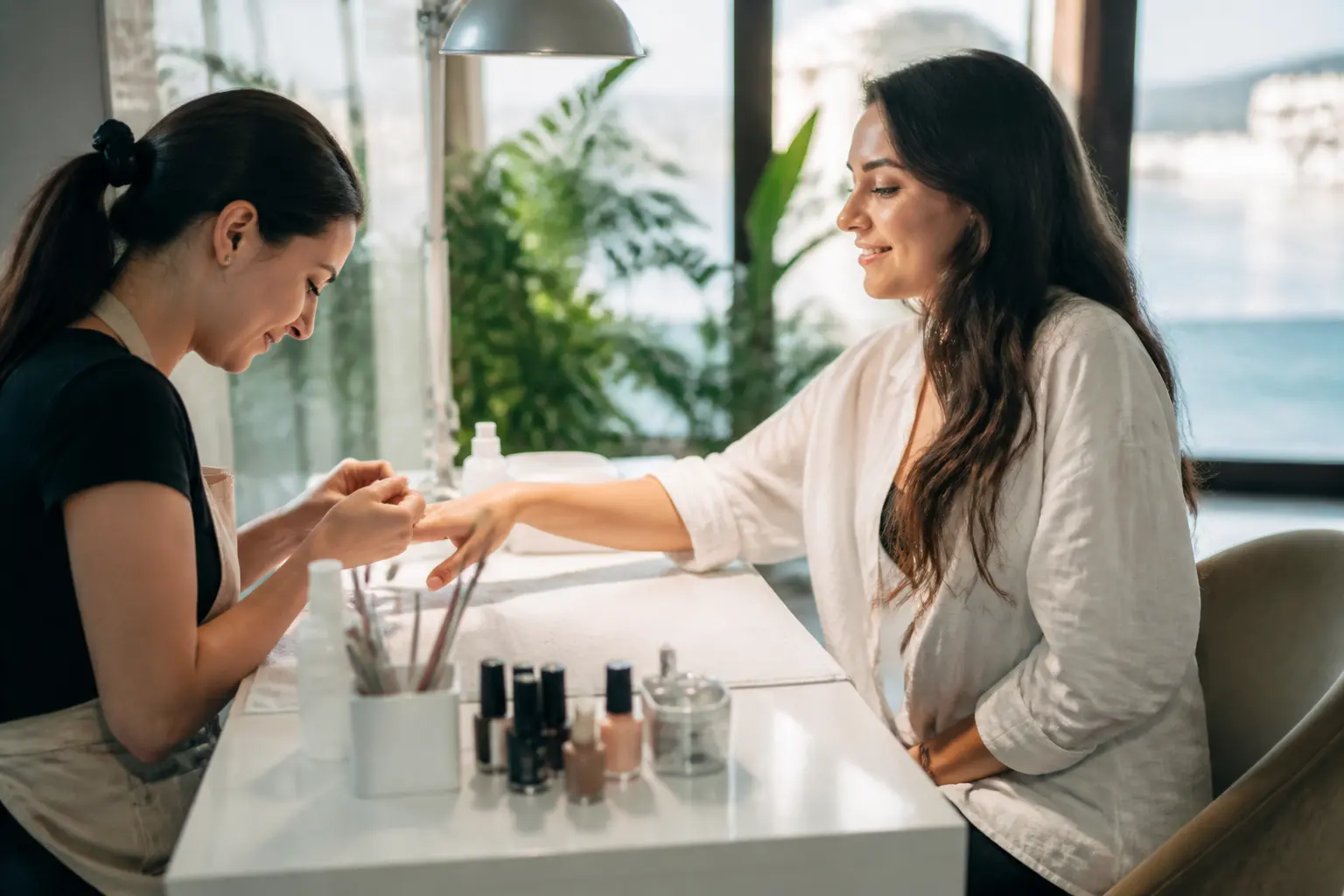
At a professional nail appointment, the service should be tailored to your nail condition, preferred length, daily routine and finish. That individual approach matters because a short, active lifestyle calls for a different balance of structure and shape than a longer, more decorative manicure.
What is a gel overlay on natural nails?
A gel overlay is a layer of builder-style gel or another suitable structured gel applied over the natural nail plate. Once cured under the appropriate lamp, it forms a smooth, supportive coating that can be worn on its own, finished in a sheer neutral shade or used beneath gel colour and nail art.
It is sometimes called a builder gel manicure, a structured gel manicure or a natural nail overlay. Product names and exact formulas vary between professional systems, but the core idea remains the same: the nail is reinforced without attaching a tip or sculpting extra length.
A well-applied overlay follows the natural line of the nail while adding considered support where the nail experiences most day-to-day pressure. This can make the manicure feel more balanced and can help reduce the temptation to keep filing, picking or cutting nails down after every small snag.
What an overlay is not
A gel overlay is not the same as a full set of extensions. Extensions use a tip, form or other method to create length beyond the free edge of your natural nail. With an overlay, the natural nail determines the length.
It is also not a medical solution for nail concerns. If you have pain, swelling, discolouration, lifting of the natural nail from the skin beneath it, or a suspected infection, it is best to postpone a cosmetic service and seek appropriate professional advice. Nail-fold infections can need clinical assessment, as noted in NHS patient guidance on paronychia.
Why choose strength without extensions?
For many people, extensions are not necessary. You may already be happy with your nail length but want a manicure that feels more supportive during work, travel, gym sessions, cooking and everyday tasks. A natural nail overlay offers a more understated route to that goal.
- You want to keep your nails short. Short nails can still look refined, intentional and beautifully finished.
- Your nails flex or catch easily. A structured layer can provide added support while maintaining a natural-looking profile.
- You are growing out previously damaged or uneven nails. An overlay can help create a tidier, more uniform appearance while the natural nails grow.
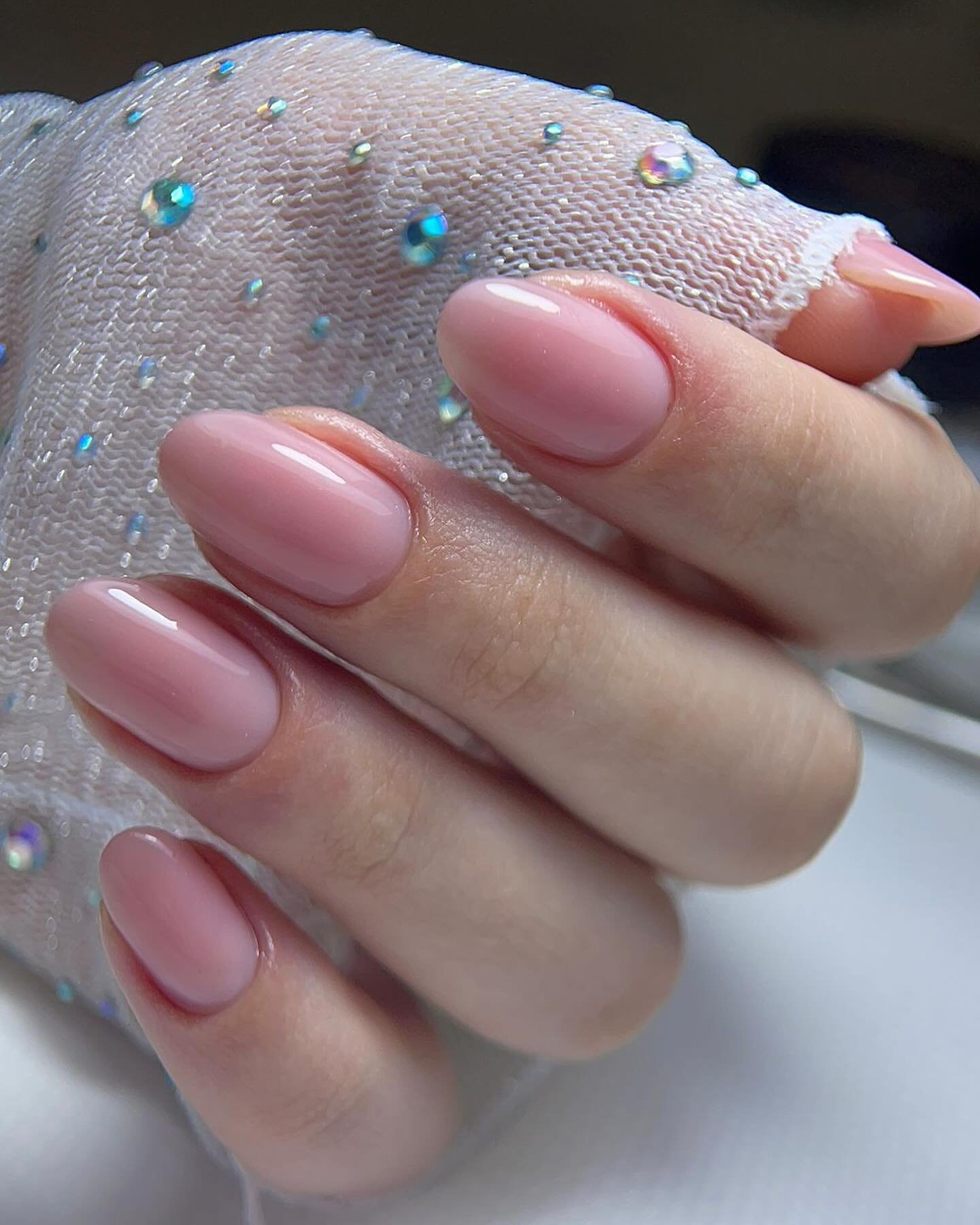
- You prefer a low-maintenance look. Sheer shades, soft pinks, milky tones and clean neutrals work particularly well with overlays.
- You want colour that has a stronger base. A structured gel layer can sit beneath your chosen gel colour, French finish or simple nail art.
Strength does not have to mean thick nails. The goal of professional application is controlled structure, not unnecessary bulk. Your technician should consider your nail length, natural curve and the way you use your hands, then keep the result proportionate.
At BeCammo · Sliema
Nail salon in Sliema
Illustrative image. Results vary from one person to another.
Manicures, pedicures and long-lasting rubber base gel nails at BeCammo Sliema.
- from €18price
- Sliemawhere
- ★ 5.0460+ Google reviews
How does a professional gel overlay appointment work?
The details vary according to the nail system and the condition of your nails, but a professional appointment generally follows a careful sequence. Good preparation and safe removal are just as important as the final shine.
1. Consultation and nail check
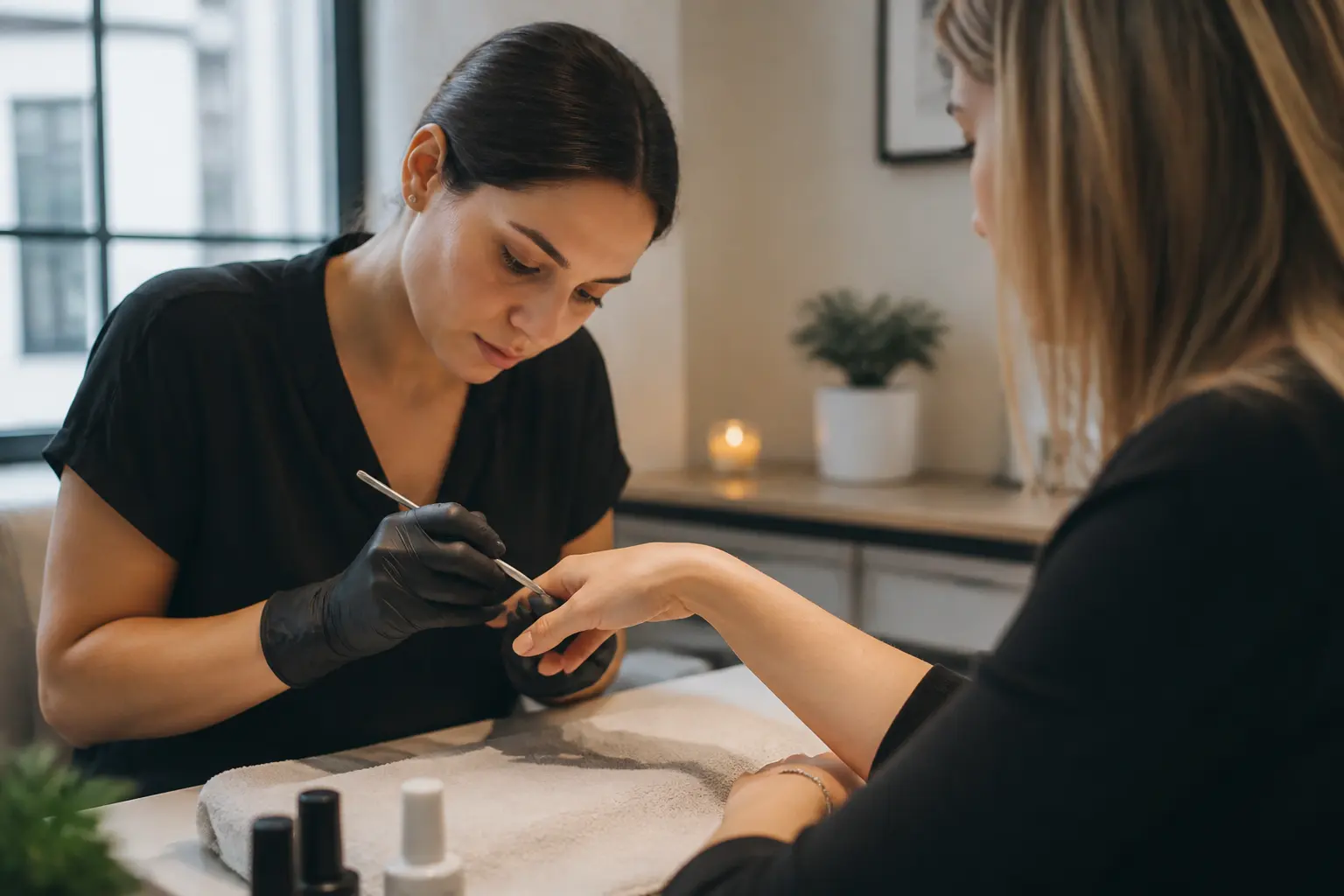
Your technician begins by looking at the current state of your nails and discussing what you would like to achieve. Be open about previous gel wear, any sensitivity you have noticed with nail products, nail biting, recent breakage and your usual routine. Someone who works with water, wears gloves often, uses cleaning products or types all day may need a different approach from someone whose hands have fewer daily demands.
This is also the time to decide whether you want a clear, neutral or coloured finish, and whether you would like a very short practical shape or a little more length from your own natural growth.
2. Preparation of the natural nail
The nails are shaped and the cuticle area is tidied with care. The nail surface is prepared only as needed for the system being used. This stage supports adhesion, but it should never be rushed or overly aggressive. Your natural nails are not something to file away in pursuit of a manicure.
Clean tools, hygienic working practices and a clean nail plate all contribute to a professional service. If your nail technician advises postponing the appointment because a nail looks irritated or compromised, that is a responsible decision.
3. Building the overlay
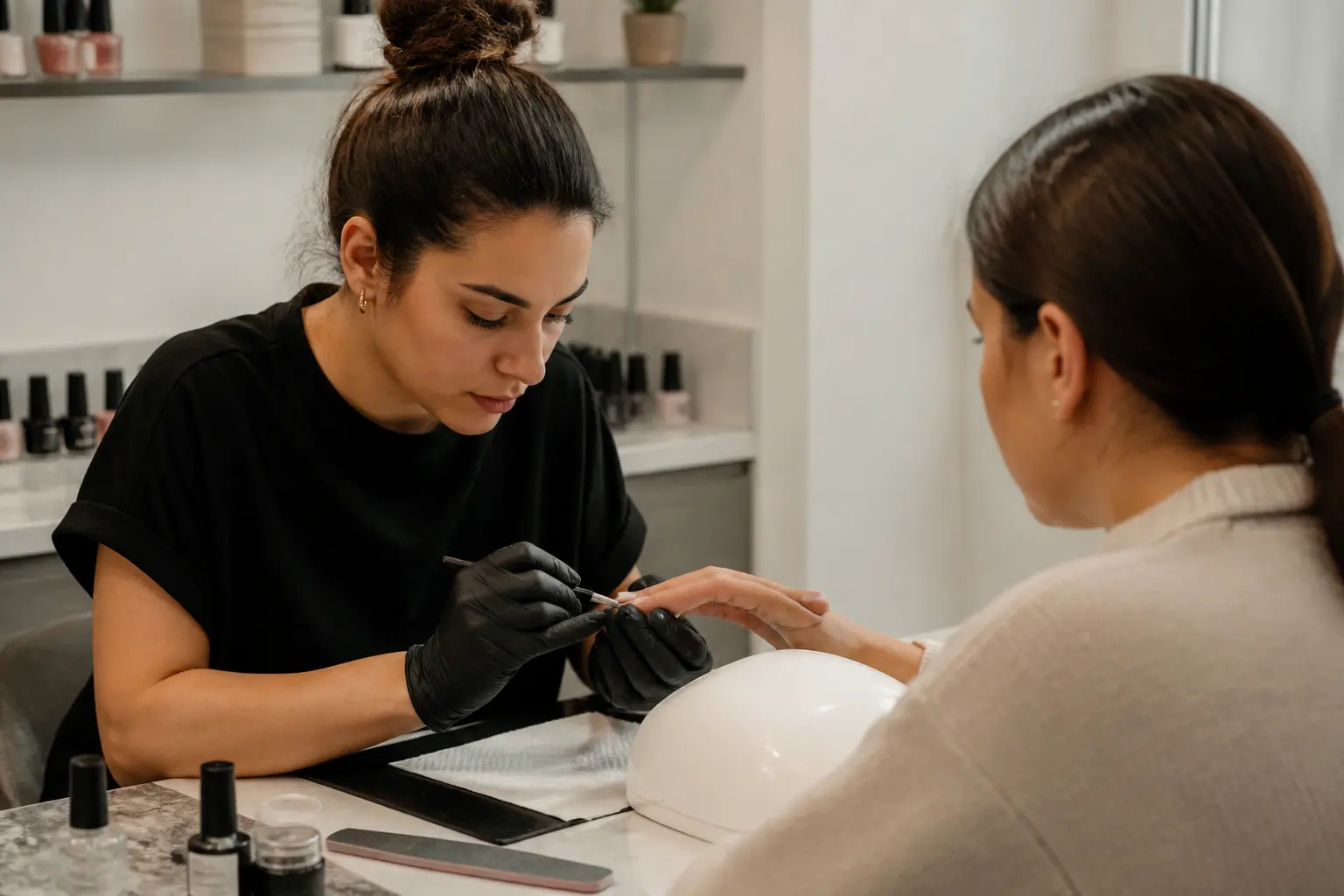
A thin foundation layer is applied, followed by the structured gel. The technician guides the product across the nail so that it is even and supports the nail’s natural stress area. Depending on your nails and the chosen system, this may involve more than one controlled layer, with curing between stages.
Builder gel systems are designed for natural nail overlays and can provide both strength and flexibility when used correctly. For an example of how professional systems approach preparation, layering and curing, see The GelBottle Inc’s natural nail overlay guide. At your appointment, however, the appropriate technique and product choice should always be decided by the technician working on your nails.
4. Shape, colour and finish
Once the overlay is cured, the surface may be refined where necessary before colour or top coat is applied. You can keep the final look understated with a glossy nude, opt for a classic French manicure or choose a colour that suits your style. The overlay is the supportive base, while the visible finish is yours to personalise.
How does an overlay compare with gel polish, rubber base and extensions?
The words used in nail services can sound similar, so it helps to understand the practical differences before booking.
| Service | Main purpose | Does it add length? | Best suited to |
|---|---|---|---|
| Gel polish | Longer-wearing colour and shine | No | Nails that mainly need a polished colour finish |
| Gel overlay | Structured support over the natural nail | No | Clients seeking strength without extensions |
| Rubber base | A flexible, supportive base layer | No | Clients who want a lighter structured manicure, depending on nail needs |
| Gel extensions | Structure plus added length | Yes | Clients who want longer nails than their current natural length |
There can be overlap between products and techniques, which is why an appointment consultation is useful. A rubber base may be enough for one person, while another may benefit from a more structured gel overlay. The right choice depends on your natural nails and expectations, not simply on what is trending online.
Who is a natural nail overlay likely to suit?
Gel overlays can be a practical option for a wide range of nail preferences, but they are particularly worth considering if you recognise yourself in one of these situations.
- You want to grow your natural nails while keeping them at a manageable length.
- You find that regular polish chips too quickly for your routine.
- You are rebuilding a more consistent manicure habit after picking or biting your nails.
- You like minimalist nails but want them to feel more polished and supported.
- You want your manicure to remain short enough for work, sport, childcare or frequent hand use.
- You enjoy colour, French tips or simple art but want a structured base beneath the design.
It may not be suitable to proceed on every nail, every day. Tell your technician if you have experienced a reaction to gel products in the past, if the skin around the nails is broken, or if you have any unusual changes in the nail. A professional will assess what is appropriate for the appointment rather than applying product regardless.
How do you keep your overlay looking good between appointments?
Aftercare is not complicated, but small habits can make a visible difference. An overlay is supportive, not indestructible. Treating your nails as tools for opening cans, scraping labels or prising items apart can lead to chips, cracks or lifting.
Use cuticle oil regularly
Apply cuticle oil around the nail and skin daily, especially after handwashing, swimming or time in air-conditioned environments. This helps keep the surrounding skin comfortable and supports a neat-looking manicure as your nails grow.
Wear gloves for household tasks
Use gloves for washing up, cleaning and gardening. Repeated water exposure and cleaning products can be hard on both the skin and manicure, particularly around the free edge.
Do not pick or peel lifting product
If an edge catches, resist the urge to pull it away. Peeling product can take layers from the natural nail surface with it. Book a repair or removal instead, particularly if the lifting is near the cuticle or covers more than a small corner.
Book maintenance before major lifting
As the natural nail grows, the balance of the overlay changes. Regular maintenance allows your technician to assess the wear, refine the shape and refresh the manicure safely. The right timing differs from person to person, depending on growth, length, product choice and daily activities.
Does a gel overlay damage natural nails?
A gel overlay itself is not automatically damaging. Problems are more often linked to poor application, excessive filing, unsuitable product use, picking, or rushed removal. That is why it is worth choosing a professional service rather than treating removal as an afterthought.
Safe removal is part of the manicure journey. Some systems are designed to be soaked off, while others are maintained or carefully filed down according to the manufacturer’s guidance and the technician’s assessment. In either case, the aim is to protect the natural nail and avoid unnecessary thinning.
If you want to take a break from gels, ask for a professional removal and keep your nails short and moisturised while they settle into your usual routine. You do not need to force them to become long immediately. Healthy-looking nails can be short, simple and well cared for.
Which shape and finish should you choose?
One of the advantages of a natural nail overlay is that it works beautifully with modest, wearable shapes. Short squoval, soft square, round and oval shapes are all popular choices, but the best option depends on your nail beds, sidewalls and lifestyle.
For a quiet, polished look, consider sheer pink, milky white, soft beige, warm nude or a glossy clear finish. If you prefer more colour, a structured base gives you freedom to choose from rich reds, seasonal shades, French tips or subtle details. The ideal manicure does not need to follow a single standard. It should feel comfortable, balanced and like you.
Book a natural nail appointment in Sliema
If you are looking for added strength without committing to extensions, a gel overlay can be an excellent conversation to have with a nail professional. Bring a photo if you have a finish in mind, but also share how you use your hands day to day. That helps your technician recommend a length, shape and level of structure that is realistic for you.
BeCammo’s nail services are available exclusively at the Sliema studio. When you book, choose the nails service that best matches your goal and ask any questions you have about gel, rubber base, colour or maintenance. A thoughtful consultation is the best starting point for nails that feel as practical as they look polished.
Frequently asked questions
Can I get a gel overlay on very short nails?
Yes, a gel overlay can work very well on short natural nails because it does not depend on added length. Your technician can shape the free edge neatly and use a level of structure appropriate to the length you have.
Will a gel overlay make my nails longer?
It does not add length in the way extensions do. It may help you keep your own nails looking supported as they grow, but natural growth and wear vary from person to person.
Can I choose nail colour over a gel overlay?
Yes. You can wear the overlay in a natural-looking shade or add gel colour, a French finish or simple nail art on top, depending on the service and your chosen look.
How long does a gel overlay appointment last?
Appointment time varies with your starting nails, the preparation required, whether you are having a removal, and the finish you choose. Extra details such as French tips or nail art can add time, so mention them when booking.
What should I do if my gel starts lifting?
Do not peel or bite it off. Keep the area clean, avoid catching it on fabrics and arrange a repair, maintenance visit or removal with a nail professional.
Are gel overlays only for weak nails?
No. They can suit nails that are already in good condition too. Many clients choose them simply because they like the smooth finish, structured feel and the option to keep their natural length.