Lash Infill or New Set: How Artists Make the Decision
Brenda Cammo Team
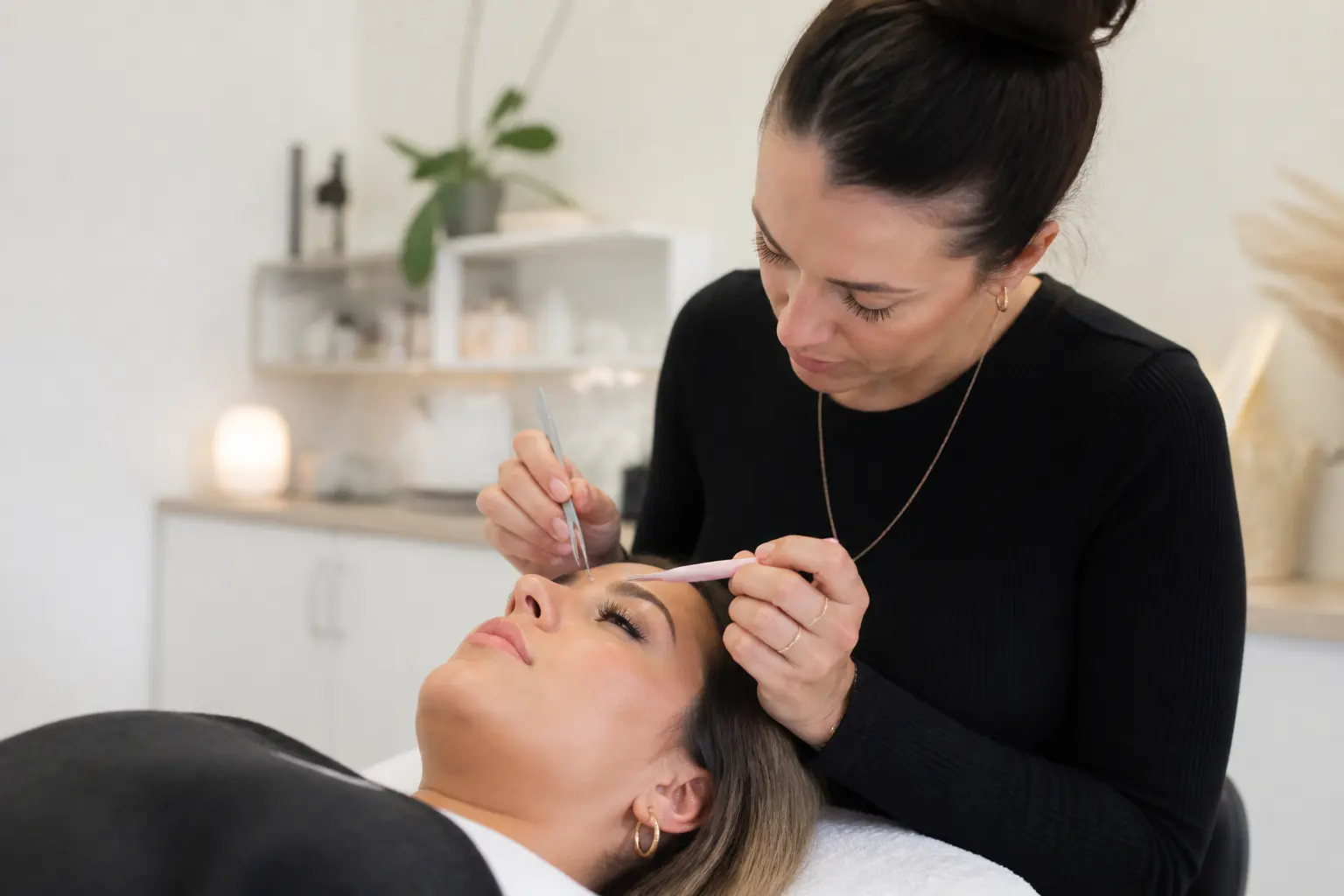
Arriving for a lash appointment and being told that you need a new set rather than an infill can be surprising, especially when some extensions still look presentable. Yet this decision is not simply about how full your lashes appear from a distance. A professional lash artist looks closely at retention, grown-out extensions, cleanliness, styling balance and the condition of your natural lashes before choosing the safest and most flattering next step.
If you are deciding whether to book a lash infill or a new set in Malta, understanding that assessment can make your appointment feel far more straightforward. The goal is not to keep extensions on for as long as possible at any cost. It is to maintain a neat, comfortable lash line while respecting the natural growth cycle of your own lashes.
What is the difference between a lash infill and a new set?
A lash infill, sometimes called a refill, maintains an existing set of eyelash extensions. During the appointment, the artist removes extensions that have grown out or are no longer sitting correctly, then applies new extensions to suitable natural lashes. The result is intended to restore an even, fresh-looking lash line without starting from zero.
A new set means beginning again. Existing extensions are professionally removed, or any remaining unsuitable extensions are cleared away, before a complete new application is created. This gives the artist a clean foundation for the chosen style, whether you prefer a softer classic effect, added texture or a fuller volume look.
Neither option is automatically better. The right choice depends on what is currently on your lashes and how well it supports the look you want next.
What a lash artist checks before recommending an infill
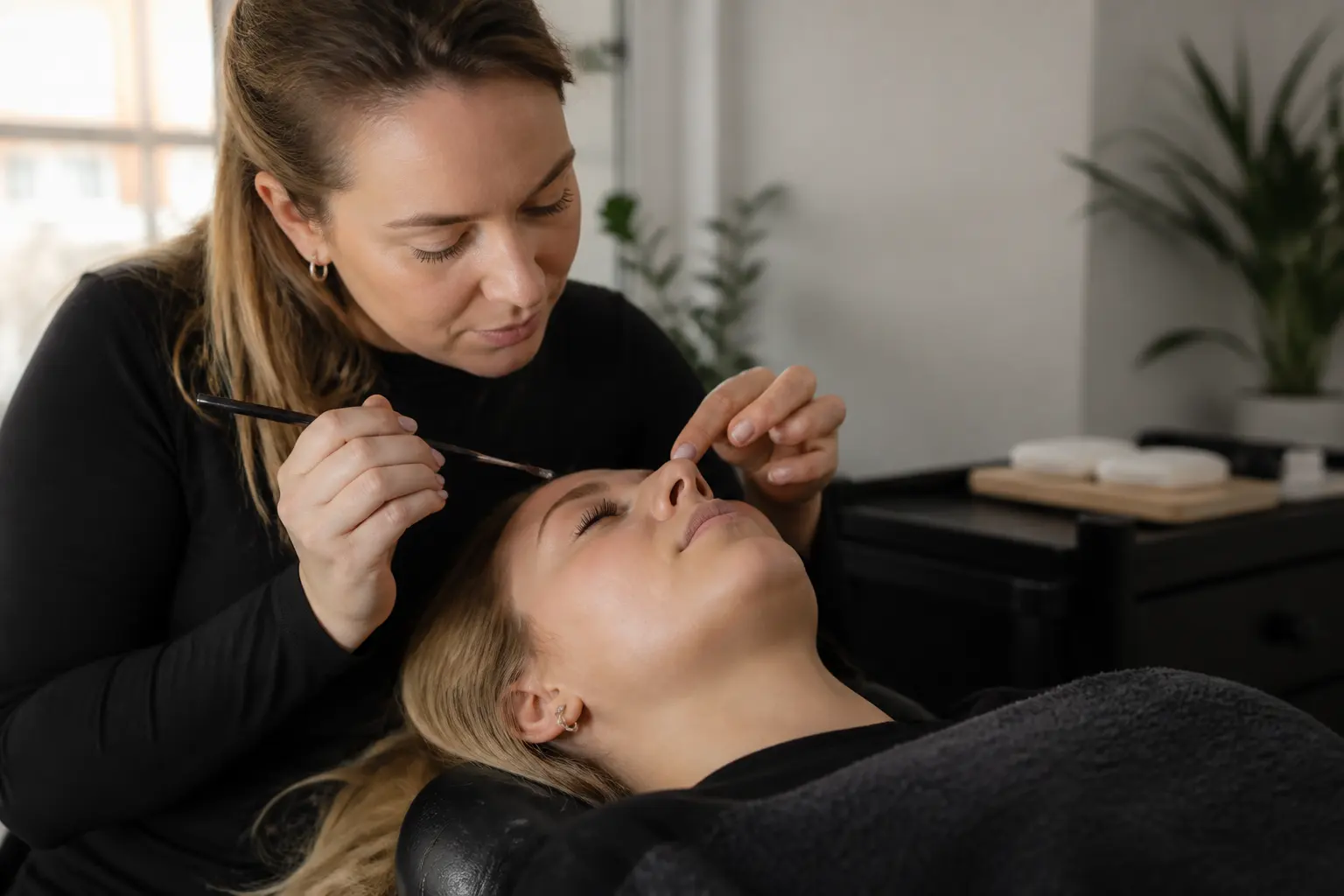
A professional assessment happens up close, not through a quick glance in the mirror. Your lash artist needs to see how the extensions are attached, how much natural growth has occurred and whether the remaining set still has a balanced structure.
Retention and overall coverage
Retention means how many extensions are still securely attached and distributed across the lash line. A client may have plenty of extensions left on one eye but visible gaps on the other. In that case, the issue is not only quantity. The artist also considers whether there is enough even coverage to rebuild the set efficiently.
When a substantial proportion of the original set remains in good condition, an infill may be practical. When very few extensions are left, rebuilding the design can take as much work as a fresh set, while still leaving the artist to work around an uneven base. A new set may then offer a more polished result.
How far the extensions have grown out
Natural lashes continually shed and regrow. As the natural lash grows, an extension that was originally placed close to the lash line moves further away from the eyelid. This is normal, but a significantly grown-out extension may twist, feel less comfortable or disrupt the direction of surrounding lashes.
At an infill appointment, these grown-out extensions are usually identified and removed before new ones are applied. If there are many of them across the lash line, a fuller clean-up may be needed before the set can be rebuilt properly.
The direction of the remaining extensions
Extensions should sit in a direction that complements the natural lash and the intended styling. Over time, some can turn sideways, cross over neighbouring lashes or point downward as the natural lash grows and everyday wear takes its toll.
One or two lashes sitting out of place can usually be addressed during an infill. If the overall set has lost its shape, a fresh application may be the clearer route to restoring symmetry and a tidy finish.
Attachment quality
An artist also checks whether each remaining extension is properly attached to a single natural lash. Extensions that are loose, lifted or attached in a way that no longer looks suitable should be removed rather than covered up with more lashes.
This is one reason it is important not to pick, pull or attempt to remove extensions at home. Pulling can place unnecessary tension on the natural lash. A studio appointment allows the lash artist to assess what should stay and what should come off with care.
Cleanliness at the lash line
Clean lashes support a more comfortable appointment and help the artist see the natural lashes clearly. Make-up residue, skincare oils and build-up between extensions can make the lash line harder to assess and may affect how smoothly the service goes.
Cleaning extensions does not mean being harsh. Your artist can recommend a suitable routine for your particular set, including how to cleanse around the lash line without rubbing or tugging.
When an infill is usually the sensible choice
An infill can be a good option when your existing extensions still form a healthy, balanced base. This often means you have returned within a reasonable maintenance window, followed your aftercare guidance and still have enough well-positioned extensions across both eyes.
- The remaining extensions are relatively even from eye to eye.
- Most of the set is still sitting neatly and comfortably.
- Grown-out lashes can be removed without dismantling the entire design.
- You want to maintain a similar style, curl and level of fullness.
- Your natural lashes can be assessed clearly and are ready for suitable new extensions.
An infill is not only about filling visible gaps. It is a maintenance appointment that refreshes the structure of the set. The artist removes what no longer belongs, then adds lashes strategically where natural lashes are available and suitable for application.
When a new set may be recommended instead
Sometimes an infill would create more work without delivering the clean, balanced result you expect. In these situations, starting again can be the more honest recommendation.
You have missed several maintenance appointments
If a long period has passed since your last appointment, much of the original set may have shed with your natural lashes. The few extensions that remain can be scattered, grown out or attached to lashes at different stages of growth. A new set gives the artist the opportunity to reset the entire look.
The style has become uneven
Lashes can look uneven for many normal reasons. You may sleep more on one side, touch one eye more often, wear glasses, use products around the eyes or simply experience different shedding patterns between the two eyes. If the imbalance is pronounced, trying to refill around it may leave the styling less cohesive than a fresh set would.
You want a significant style change
Moving from a natural classic set to a noticeably fuller volume look, changing from a soft rounded design to a more lifted effect, or altering the curl and length may require a new foundation. Existing extensions from the previous design can interfere with the new mapping.
Tell your lash artist what you would like to change. A good consultation considers your natural lash direction, eye shape, comfort and the look you are hoping to achieve, rather than applying one fixed style to everyone.
There is heavy make-up or product build-up
If there is significant residue around the extensions, the artist may need more time to clean and assess the area. Depending on the condition of the set, a removal and fresh application at a later appointment may be the most appropriate approach. Arriving with clean lashes and no eye make-up helps make the most of your booked time.
The existing work cannot be safely maintained
Not every set of extensions is in a condition that can be infilled. This does not need to be a judgement on where the lashes were applied or how they have worn. It simply means the artist needs to work from what is present on the day and make a responsible decision for your natural lashes and the final appearance.
Why natural lash growth matters so much
Your natural lashes do not all grow and shed at the same time. Each lash follows its own cycle, which is why extension shedding is gradual rather than happening all at once. The extensions fall away when the natural lash they are attached to sheds.
This cycle explains why a set can look beautifully full one week and noticeably lighter later on. It also explains why a lash artist cannot attach an extension to every single visible lash in the same way. The artist selects natural lashes that are appropriate for the service and adapts the application to what is available at that appointment.
For clients, the practical takeaway is simple: regular maintenance is about working with natural growth, not fighting it. Booking before the set becomes too sparse can make an infill more achievable and help keep the overall style consistent.
How to prepare for an honest lash assessment
You do not need to diagnose your own lashes before booking. However, a few simple steps help your appointment begin with a clearer assessment.
- Book the service that best matches your situation. If you have a current set and are unsure whether it qualifies for an infill, mention this when booking or ask the studio before your appointment.
- Arrive without eye make-up where possible. Avoid mascara, eyeliner and heavy cream around the eyes on the day of your visit.
- Be open about your last appointment. Let the artist know when you last had extensions applied or infilled, especially if the set was done elsewhere.
- Share any changes in comfort. If your lashes have felt tangled, heavy or uncomfortable, say so before the service begins.
- Bring a realistic style reference. A photo can help communicate the level of fullness or shape you like, although your artist will adapt it to your own lashes.
Can you choose an infill if the artist recommends a new set?
You can always ask why a new set has been recommended. A professional lash artist should be able to explain the practical reason clearly, whether it is insufficient retention, excessive outgrowth, uneven styling or the condition of the remaining extensions.
It is worth remembering that an infill has limits. Adding new extensions on top of a set that is too grown out or irregular may create a result that feels less tidy and does not match the look you had in mind. Choosing a new set in that situation can be a way to reset the shape and make future maintenance easier to plan.
The best lash maintenance plan is personalised. It takes account of your natural lashes, your current retention, your preferred look and how your set has worn between visits.
Keeping future infills more straightforward
While natural shedding cannot be stopped, gentle aftercare can help you get the most from your extensions between appointments. Follow the aftercare advice given for your particular service, cleanse the lash line carefully, avoid rubbing or pulling the lashes and resist the temptation to remove loose extensions yourself.
It also helps to plan appointments around your routine. If you are preparing for a holiday, wedding or important occasion, book early enough to allow time for a consultation and any maintenance needed before the date. For everyday wear, a consistent schedule based on how your lashes naturally shed is usually easier than waiting until the set is very sparse.
FAQs
How do I know whether I need a lash infill or a new set?
You can look for obvious gaps and grown-out extensions, but the final decision is best made in person. A lash artist needs to check retention, direction, attachment and the condition of the natural lashes before confirming what is suitable.
Can an infill change the style of my lash extensions?
Small adjustments may be possible during an infill, depending on your existing set. For a major change in fullness, curl, length or overall mapping, a new set may provide a more even starting point.
Why are some lash extensions removed during an infill?
Extensions that have grown out, twisted, lifted or no longer sit correctly are removed so the artist can rebuild the set more neatly. Removing unsuitable extensions is part of proper maintenance, not a sign that the appointment has gone wrong.
Can I wear mascara before a lash infill?
It is best to arrive without mascara or eye make-up unless your studio has advised otherwise. Residue can make it more difficult to assess and cleanse the lash line, and it can reduce the time available for the service itself.
What if I have lashes from another studio?
Be upfront when booking. The artist can assess the existing extensions at your appointment and advise whether an infill is appropriate or whether removal and a new set would be a better option.
If you are unsure what your current set needs, booking with a professional studio is the easiest next step. At Becammo, your lashes can be assessed in person so the service is chosen around your natural lash condition, your current extensions and the style you want to maintain.