Why Professional Pedicures Matter for Overall Foot Comfort
Brenda Cammo Team
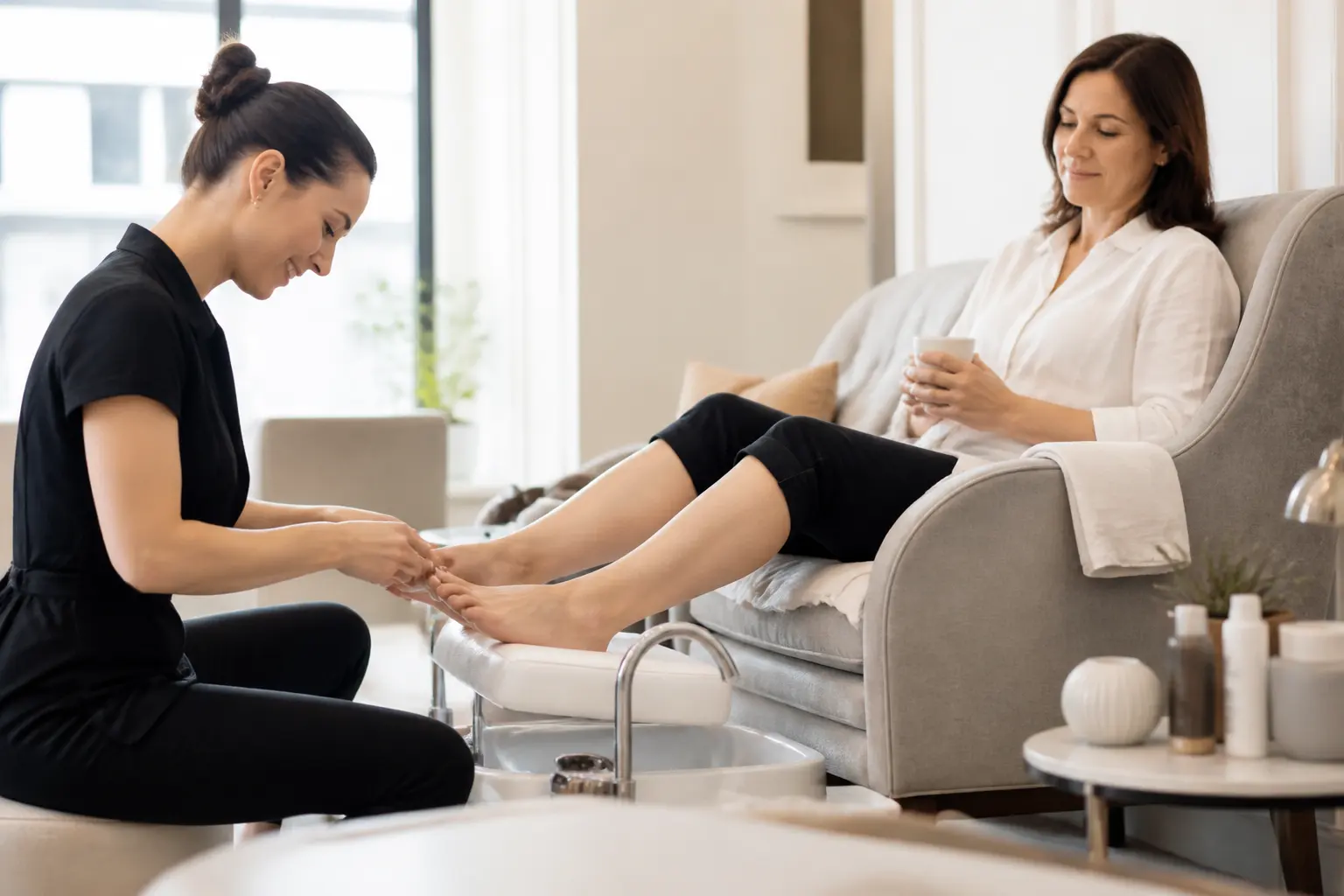
Foot comfort can quietly shape an entire day. When toenails feel too long, rough skin catches on socks, or dry areas make closed shoes feel less pleasant, even an ordinary walk around Sliema, Swieqi or Valletta can become distracting. A professional pedicure is not only about polished toenails. Done with care, it is a regular opportunity to tidy, soften and refresh the parts of your feet that work hard every day.
That does not mean a salon pedicure replaces medical foot care. It does mean that professional cosmetic maintenance can make a meaningful difference to how neat, smooth and comfortable your feet feel between appointments. The best approach combines an attentive salon service with sensible home care, well-fitting footwear and prompt advice from a qualified healthcare professional when something does not look or feel right.
At a professional studio, a pedicure gives you dedicated time for the details that are easy to overlook at home: nail length and shape, cuticle care, surface dryness and the finish you would like to wear. For many people, that routine makes shoes feel more comfortable and helps them feel more put together from the ground up.
What a professional pedicure contributes to foot comfort
Comfort is personal. One person may notice the edge of a toenail against the next toe, while another may be more aware of dry, rough skin at the heel. A professional pedicure focuses on cosmetic grooming and appearance, while creating a calmer, more comfortable-feeling finish.
The value often comes from several small details working together:
- Toenails are shortened and shaped neatly, helping to avoid snagging on socks or tights.
- Sharp or uneven edges can be smoothed for a tidier feel inside footwear.
- Cuticles receive gentle attention, rather than being picked at between appointments.
- Dry-looking surface skin can be softened through suitable cosmetic care and moisturising.
- A clean polish application can make toes feel polished and ready for sandals, holidays or everyday life.
- Regular appointments create a useful rhythm for noticing changes in your nails or skin early.
These are modest but practical benefits. A pedicure cannot correct every cause of foot discomfort, especially pain related to injury, a nail condition or footwear. However, when discomfort is linked to everyday grooming needs, regular professional care can help you maintain a more comfortable baseline.
Why toenail shape and length deserve attention
Toenails may be small, but they sit inside shoes all day. When they become overly long, rough at the edge or unevenly shaped, they can press against footwear or catch against neighbouring toes. Trimming toenails carefully and keeping the edges smooth is one of the simplest habits for day-to-day comfort.
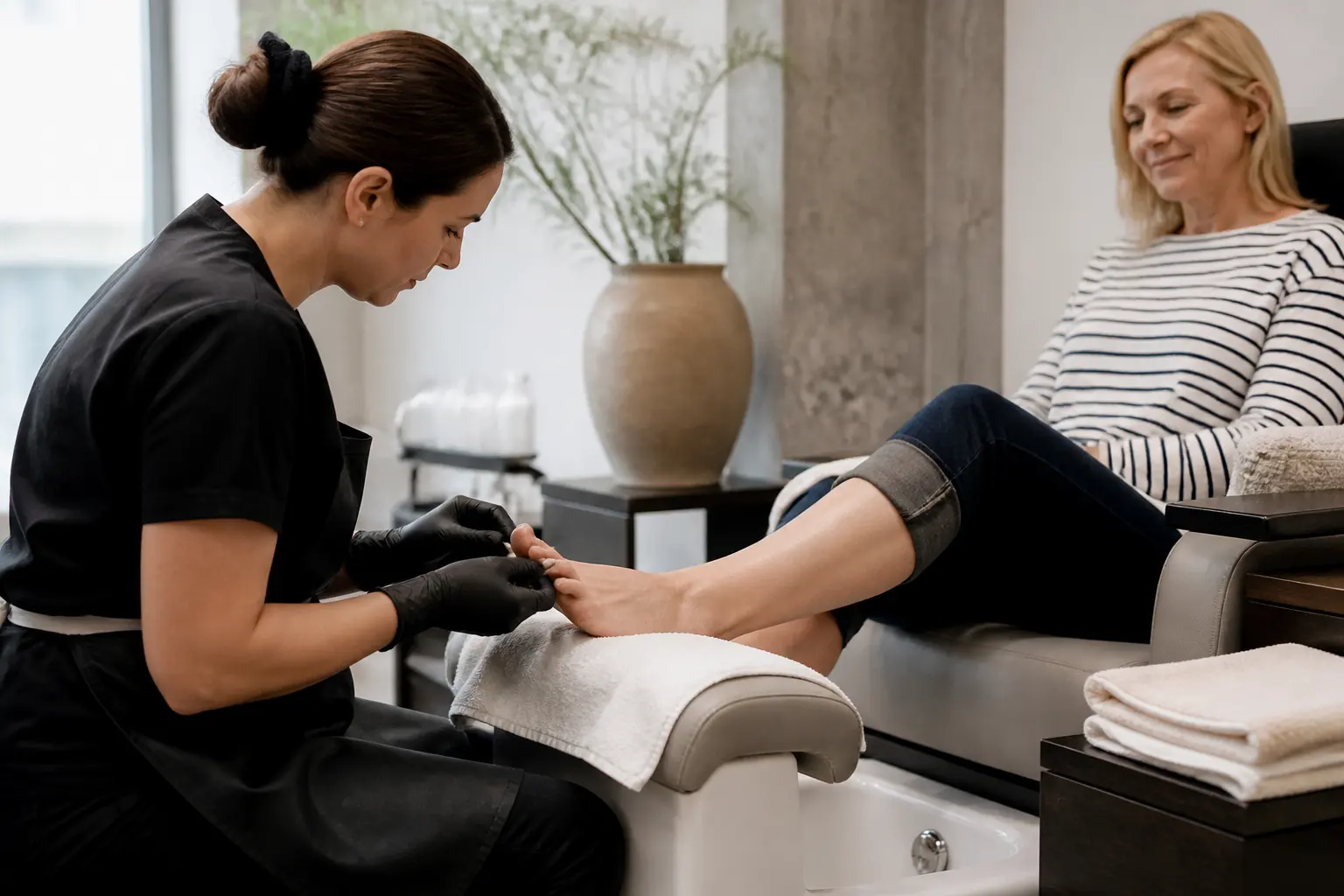
Professional nail care brings visibility, steady technique and the right tools to this task. It is particularly helpful if reaching your feet is awkward, if your nails are thick or if you simply prefer not to rush the job at home. A cosmetic nail professional will work within the limits of salon care, prioritising a neat, comfortable-looking result rather than attempting to treat a foot condition.
For home maintenance, established NHS guidance generally advises avoiding nails that are cut too short or down the sides, as this can contribute to ingrowing nails. It also advises keeping edges smooth and avoiding sharp objects beneath the nail. NHS guidance on nail problems offers useful general information on when changes in the nail or surrounding skin should be checked by a clinician.
Dry skin, sandals and the feeling of smoother feet
Malta’s warmer months naturally invite open shoes, beach days and sandals. They can also make dry-looking heels and rough patches feel more noticeable. Closed shoes are not always kinder either, especially when feet are on the move for long periods. Friction, heat and daily walking can all make neglected skin feel less comfortable.
A pedicure can be a reset for the feet. Gentle cosmetic exfoliation, followed by appropriate moisturising, helps skin look more cared for and can leave it feeling softer to the touch. It is not about trying to remove every trace of natural texture. Feet need resilient skin. The aim is simply to maintain a smooth, comfortable finish without aggressive DIY methods.
Between appointments, consistency matters more than occasional overdoing. Wash and dry your feet carefully, including between the toes, and moisturise dry areas as needed. Avoid applying moisturiser between the toes, where excess moisture can be unhelpful. Guy’s and St Thomas’ NHS Foundation Trust also advises keeping feet clean and dry, checking them regularly and treating hard skin gently rather than cutting at it yourself.
A professional setting helps you slow down and notice details
At home, a pedicure can easily become a quick trim, a coat of polish and a rush back to the rest of the day. There is nothing wrong with that, but it may not give you time to notice whether your shoes have been rubbing, whether your nails have become uneven or whether a particular toe has felt sore.
A professional appointment offers a more focused experience. You can sit comfortably, choose the finish you prefer and let someone work methodically through the grooming steps. It is self-care with a practical purpose: your feet receive attention before minor cosmetic frustrations become the reason you avoid certain shoes or postpone wearing sandals.
This is especially valuable before a holiday, a special event or a busy season when you know you will be walking more than usual. Rather than seeing pedicures as an occasional luxury, many clients choose them as part of their regular personal-care routine.
Professional pedicure versus podiatry: knowing the difference
It is important to be clear about what a beauty pedicure does and does not do. A salon pedicure is designed for cosmetic nail and skin care. It can help you maintain tidy nails, cared-for cuticles, softer-feeling skin and a finish that suits your style. It is not a diagnosis or a medical service.
A podiatrist or doctor is the right person to consult about symptoms or conditions such as persistent foot pain, swelling, warmth, redness, discharge, broken skin, an ingrowing toenail, unexplained nail colour changes or suspected infection. If you have diabetes, reduced sensation, circulation concerns or a history of foot complications, ask your healthcare professional what type of foot and nail care is appropriate for you before booking a cosmetic pedicure.
This distinction protects your comfort as well as your safety. A good beauty studio should not make promises outside its role. Instead, it should be attentive, hygienic and honest when a concern needs medical or podiatry assessment.
What to expect from a comfort-focused pedicure
Every salon has its own service menu and routine, but a thoughtful pedicure commonly begins with a brief look at the nails and the finish you would like. You can mention any areas that feel dry, any shoes that have been rubbing, or whether you would prefer a natural look, classic polish or a longer-lasting gel finish.
The appointment may include:
- Preparing the feet and nails for the service.
- Shaping the toenails to a neat, wearable length.
- Gentle cosmetic cuticle care.
- Surface care for dry-looking areas, where suitable.
- Moisturising and finishing touches for a refreshed feel.
- Polish, gel polish or a natural finish, depending on the service selected.
Communication makes a difference. Tell your nail technician if you are ticklish, have a sensitive area, are recovering from a knock to a toe, or want a very simple finish. A professional service should feel personalised, not rushed or one-size-fits-all.
How often should you book a pedicure?
There is no single schedule that suits everyone. Your ideal timing depends on how quickly your nails grow, whether you wear open shoes often, the condition of your skin, the type of finish you choose and how much care you do at home.
Some people book before holidays and events. Others find that a regular appointment helps them maintain nail shape and skin softness with less effort between visits. The useful question is not, “How often should everyone have a pedicure?” It is, “At what point do my feet stop feeling as neat or comfortable as I would like?”
Listen to practical signs. If you are filing rough edges often, delaying sandal days because of dry-looking heels, or noticing that your polish has grown out and your toes no longer feel cared for, it may be time to refresh your routine.
Simple habits that make pedicure results feel better for longer
A professional appointment works best alongside straightforward habits at home. None needs to be complicated.
- Dry your feet thoroughly after bathing, particularly between the toes.
- Use moisturiser on dry areas of the feet, but avoid the spaces between toes.
- Choose shoes with enough room in the toe area and avoid pairs that pinch or rub.
- Change socks regularly, especially after warm days, exercise or long walks.
- Do not cut deeply into the sides of your toenails or try to dig out a painful corner.
- Use a file gently for a small rough edge rather than tearing or picking at a nail.
- Check your feet regularly, especially if you have noticed a new area of tenderness or rubbing.
Footwear deserves particular attention. Even a beautifully finished pedicure cannot compensate for shoes that compress the toes or create ongoing friction. If a pair consistently leaves a red mark, rubs a toenail or makes your toes feel cramped, it may not be the best everyday choice.
Why comfort and appearance belong together
There is no need to choose between feet that look good and feet that feel good. A well-kept pedicure can support both. Fresh colour can be a confidence boost, while neat nail shaping and a moisturised finish can make the everyday experience of socks, trainers, work shoes and sandals feel more pleasant.
For clients who prefer understated grooming, a natural pedicure can be just as satisfying as a bold shade. For clients who enjoy colour, choosing a polish can turn essential maintenance into a small moment of personal expression. The service should work around your lifestyle, not dictate it.
At Becammo, nail services are available exclusively at the Sliema studio. If your feet are ready for a refresh, booking a professional pedicure can be a simple way to give everyday comfort the attention it deserves. Choose the service that suits your preferred finish, share any practical concerns with your technician and keep medical foot concerns for the appropriate healthcare professional.
Frequently asked questions
Can a professional pedicure help if my feet feel rough?
A professional pedicure can provide cosmetic care that leaves dry-looking, rough areas feeling smoother and more refreshed. Ongoing comfort also depends on moisturising, suitable footwear and avoiding overly harsh DIY exfoliation.
Will a pedicure fix an ingrowing toenail?
No. An ingrowing toenail can need assessment from a doctor or podiatrist, particularly if there is pain, redness, swelling, warmth or discharge. Do not try to cut deeply into the corner yourself.
Is a pedicure suitable if I have diabetes?
Diabetes can affect foot care needs. Speak to your doctor, diabetes team or podiatrist first about the care that is right for you, especially if you have reduced sensation, circulation concerns or any broken skin.
Should I have a pedicure before a Malta holiday?
Many people enjoy booking before a holiday because sandals, pool time and walking can make nails and skin more visible. Give yourself enough time before travelling if you are trying a new polish finish or simply want to relax after the appointment.
How can I keep my toenails comfortable between appointments?
Keep nails at a sensible length, file small sharp edges gently, dry your feet well after washing and wear shoes with enough space for your toes. If a nail becomes painful or changes unexpectedly, seek professional healthcare advice.