Natural lash recovery after extensions is about gentle handling and patience, not forcing faster growth. Arrange professional removal if extensions remain, keep the eyelid area clean without rubbing, pause false lashes and avoid testing every serum. Lashes grow and shed in cycles, so a fuller lash line develops gradually, and persistent redness, swelling or pain needs advice from an eye-care professional rather than another cosmetic product.
Taking a break from lash extensions can feel surprisingly emotional. You may love the convenience and polished look of extensions, yet notice that you miss seeing your own lashes clearly, want a lower-maintenance routine or simply feel ready for a reset. Whatever your reason, a pause does not need to mean doing nothing. With gentle handling, realistic expectations and professional removal where needed, you can give your natural lashes and eyelid area some breathing room.
The most important point is this: natural lash recovery after extensions is not about forcing faster growth or trying every product at once. It is about reducing unnecessary pulling, keeping the eye area clean and comfortable, and allowing your lashes to follow their normal growth cycle. At a professional studio, that starts with assessing what is still attached and removing extensions carefully rather than encouraging them to come away at home.
What does a break from lash extensions look like?
A lash break is simply a period without new extensions or infills. For some people, it follows a removal appointment. For others, it begins after the remaining extensions have shed naturally. The right approach depends on how many extensions are left, how your eyelids feel and whether you have experienced irritation, sensitivity or increased shedding.
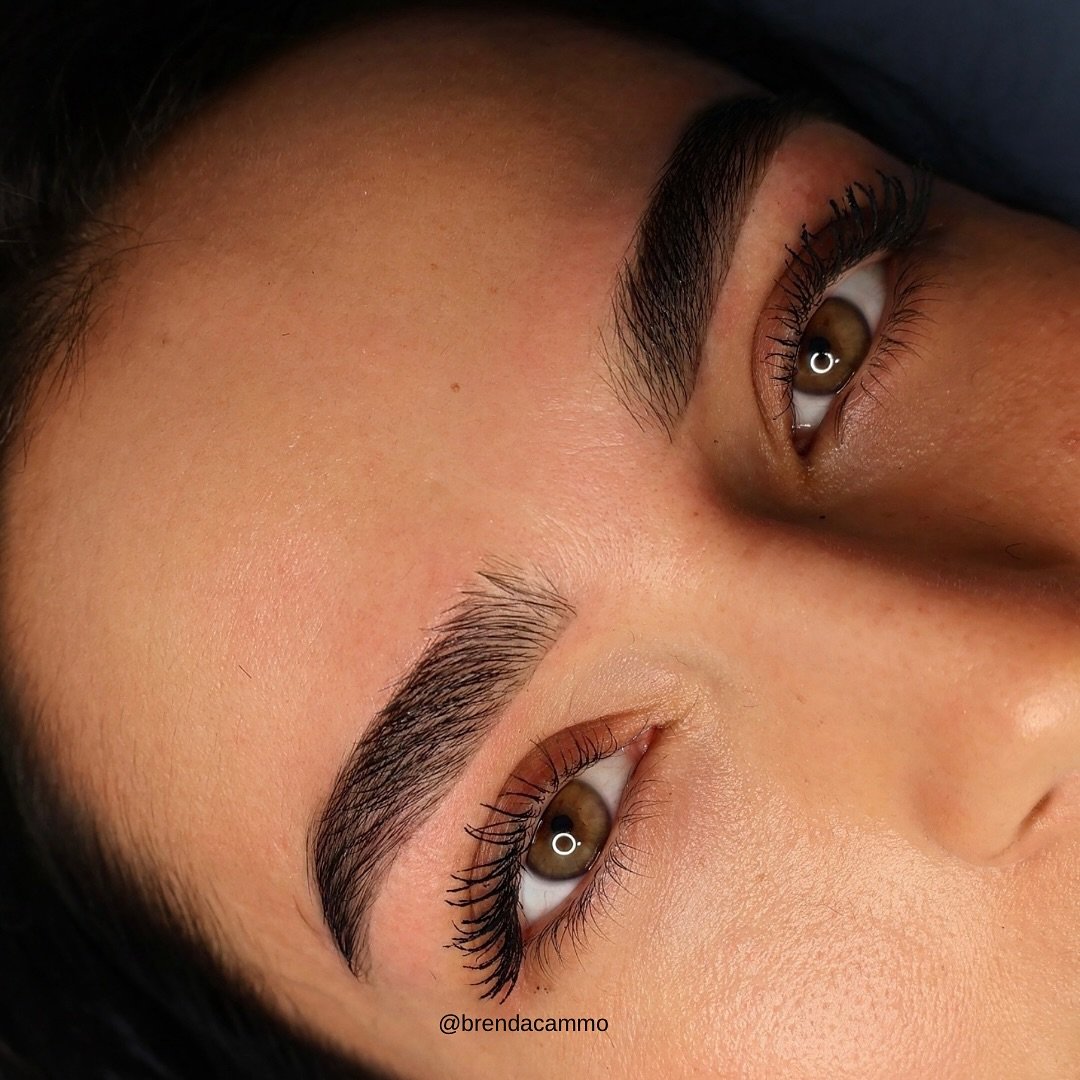
It is normal for natural lashes to look shorter or less full immediately after extensions are removed. Extensions add length, curl and density every day, so the contrast can be striking. This does not automatically mean your natural lashes have been damaged. It may simply mean you are seeing them without the visual effect of extensions for the first time in weeks or months.
Lashes also grow and shed in cycles rather than all at once. The American Academy of Ophthalmology notes that eyelash hairs can take several weeks to grow, so a more even-looking lash line is usually something that develops gradually, not overnight. American Academy of Ophthalmology EyeWiki
Why start with safe, professional removal?
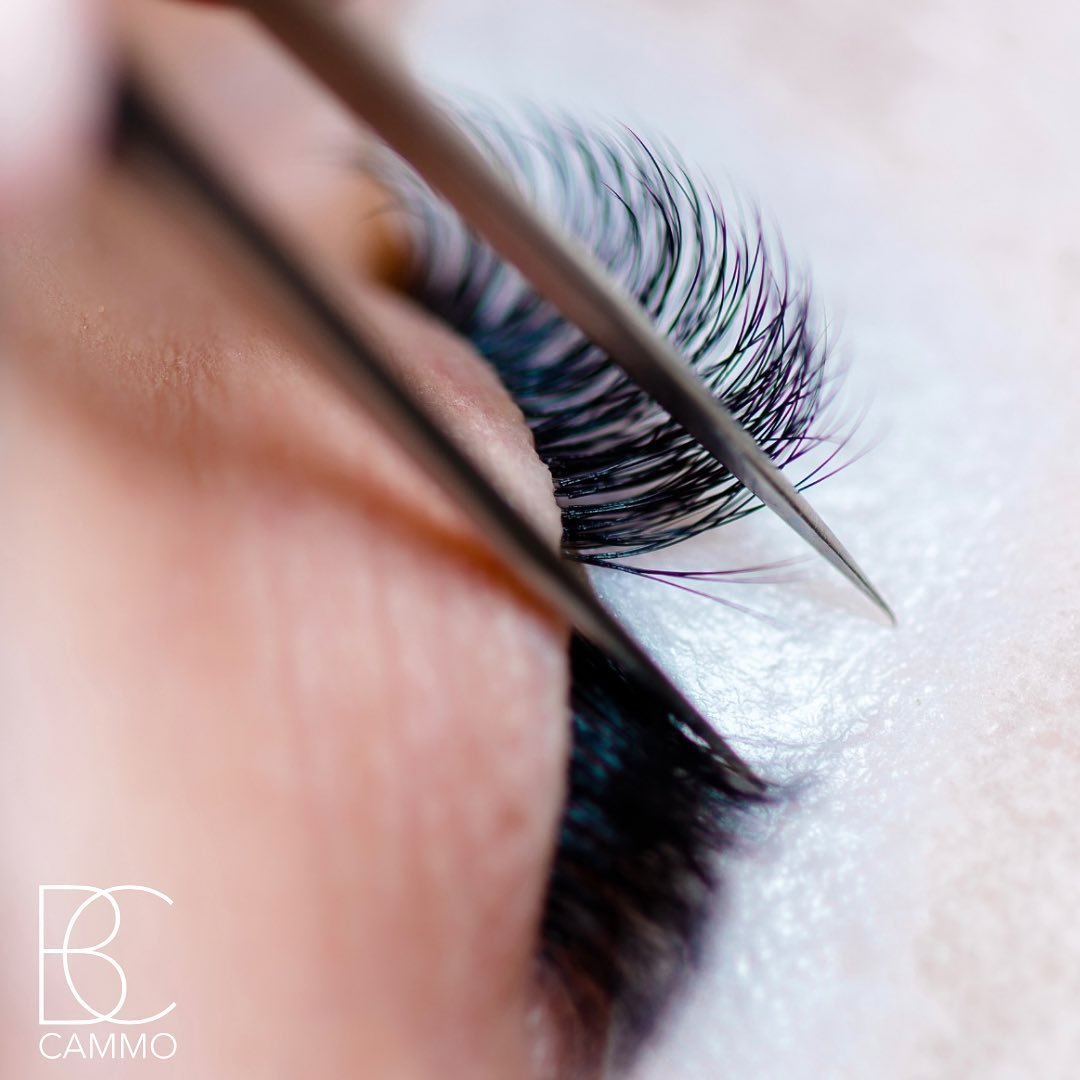
If you still have a noticeable number of extensions attached, avoid pulling, picking or trimming them off. Extensions are bonded to individual natural lashes, so forceful removal can pull on the lash that is still growing from the follicle. It can also leave the delicate eyelid area feeling irritated.
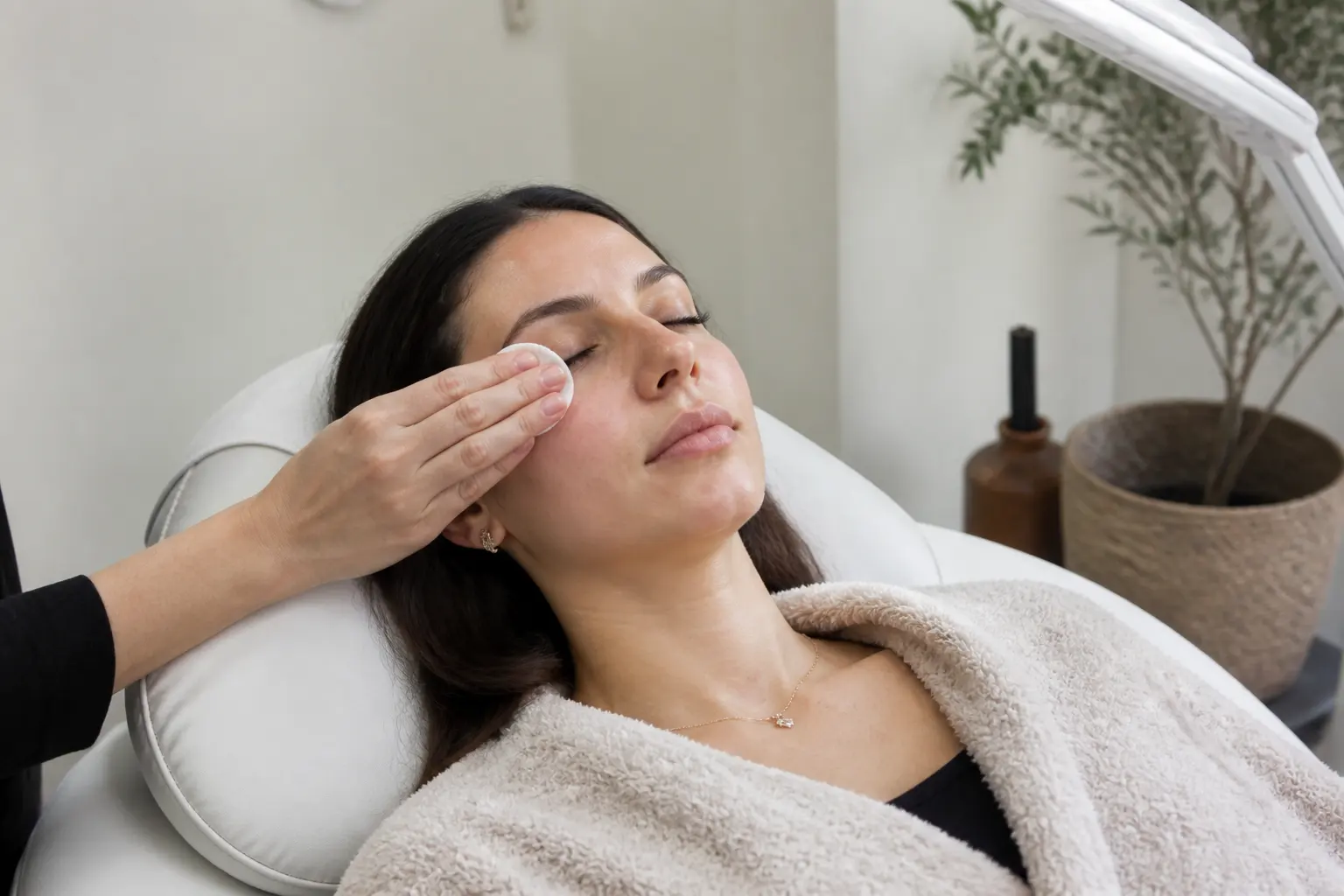
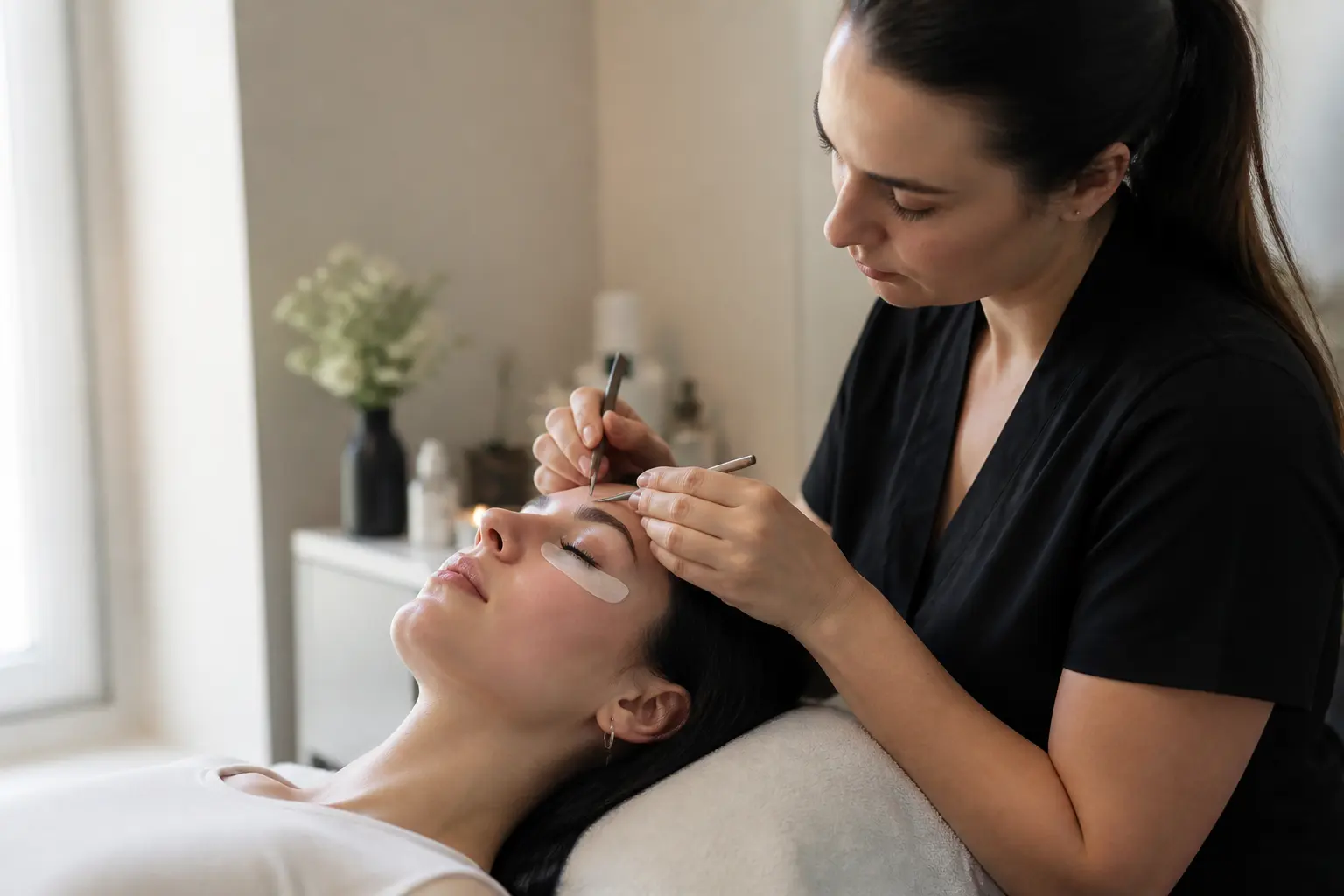
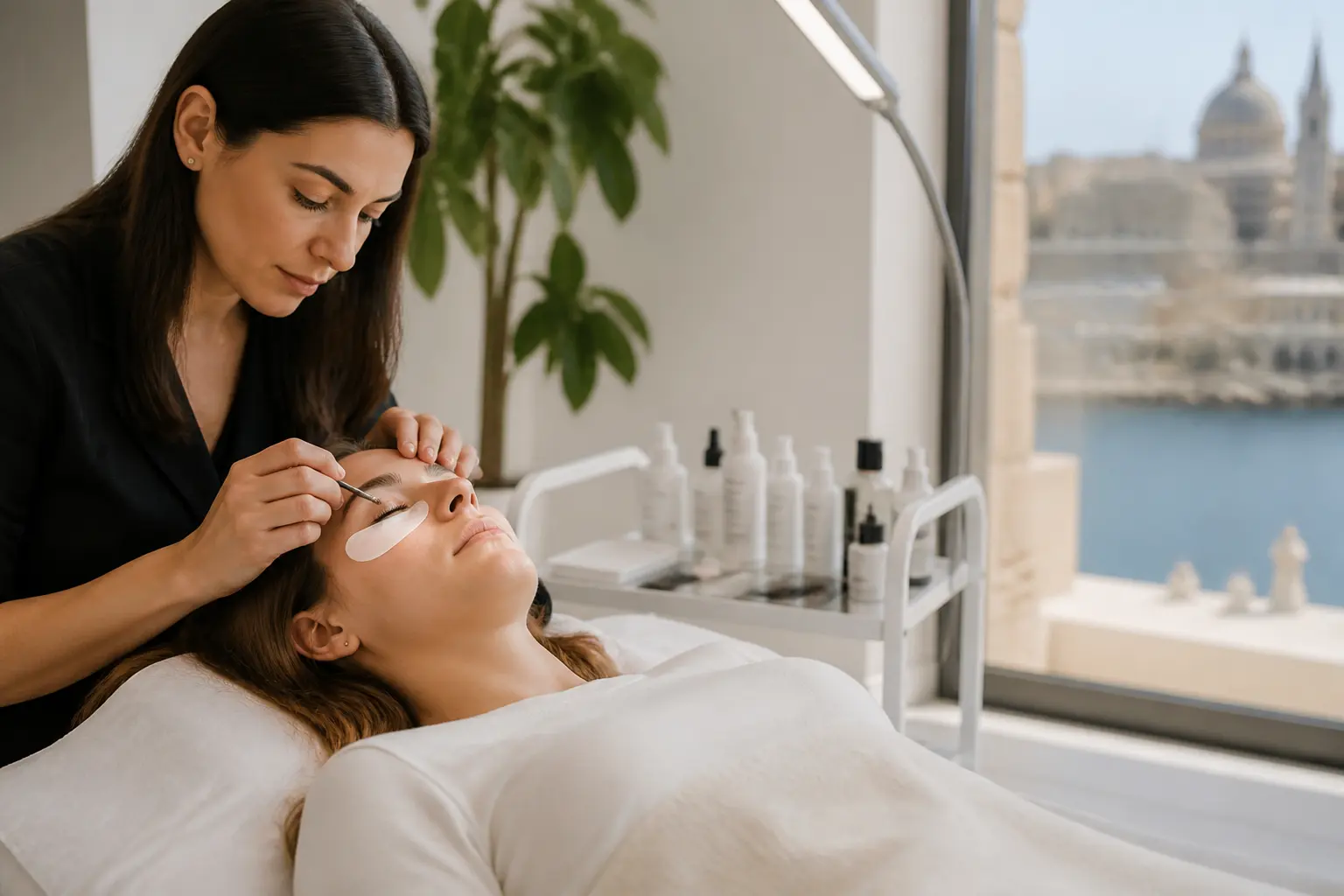
A professional removal appointment is the calmest starting point. A lash technician can look at the remaining set, use products intended for the purpose and work carefully around the eye area. This is particularly worthwhile if the extensions feel twisted, are growing out unevenly or are catching when you blink.
At home, avoid experimenting with solvents, oils or improvised removal methods close to your eyes. Eye cosmetics and lash adhesives need careful handling because the eyelid and eye area are delicate. The US Food and Drug Administration’s eye cosmetic safety guidance advises stopping use if an eye cosmetic causes irritation and seeking medical advice if irritation persists.
When not to wait for an ordinary removal appointment
A beauty appointment is not a substitute for eye care. Seek prompt advice from an optometrist, pharmacist, GP or eye-care professional if you have significant eye pain, changes to vision, pronounced swelling, discharge, persistent redness or sensitivity to light. If you have symptoms of eyelid inflammation, it is sensible to pause eye makeup and lash services until you have received appropriate advice. The NHS guidance on blepharitis also advises avoiding eye makeup while symptoms are present.
At BeCammo · Sliema · Swieqi
Lash lift in Malta
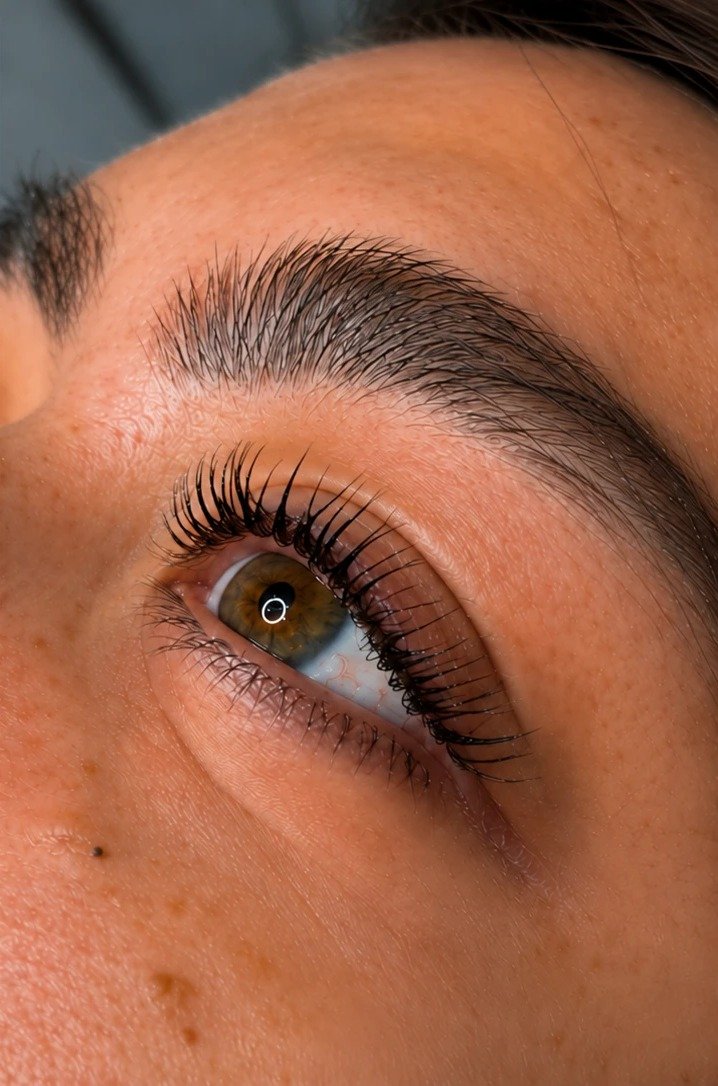
Same client, before and after a lash lift.
Your own lashes, lifted and curled from the root. No extensions, no daily curler.
- from €50price
- Sliema · Swieqiwhere
- ★ 5.0460+ Google reviews
What is a simple recovery routine for natural lashes?
Recovery does not need a complicated shelf of products. In fact, a simpler routine often makes it easier to notice what your eyes and eyelids tolerate well. Think protection, cleanliness and patience.
1. Keep the eyelid area clean, gently
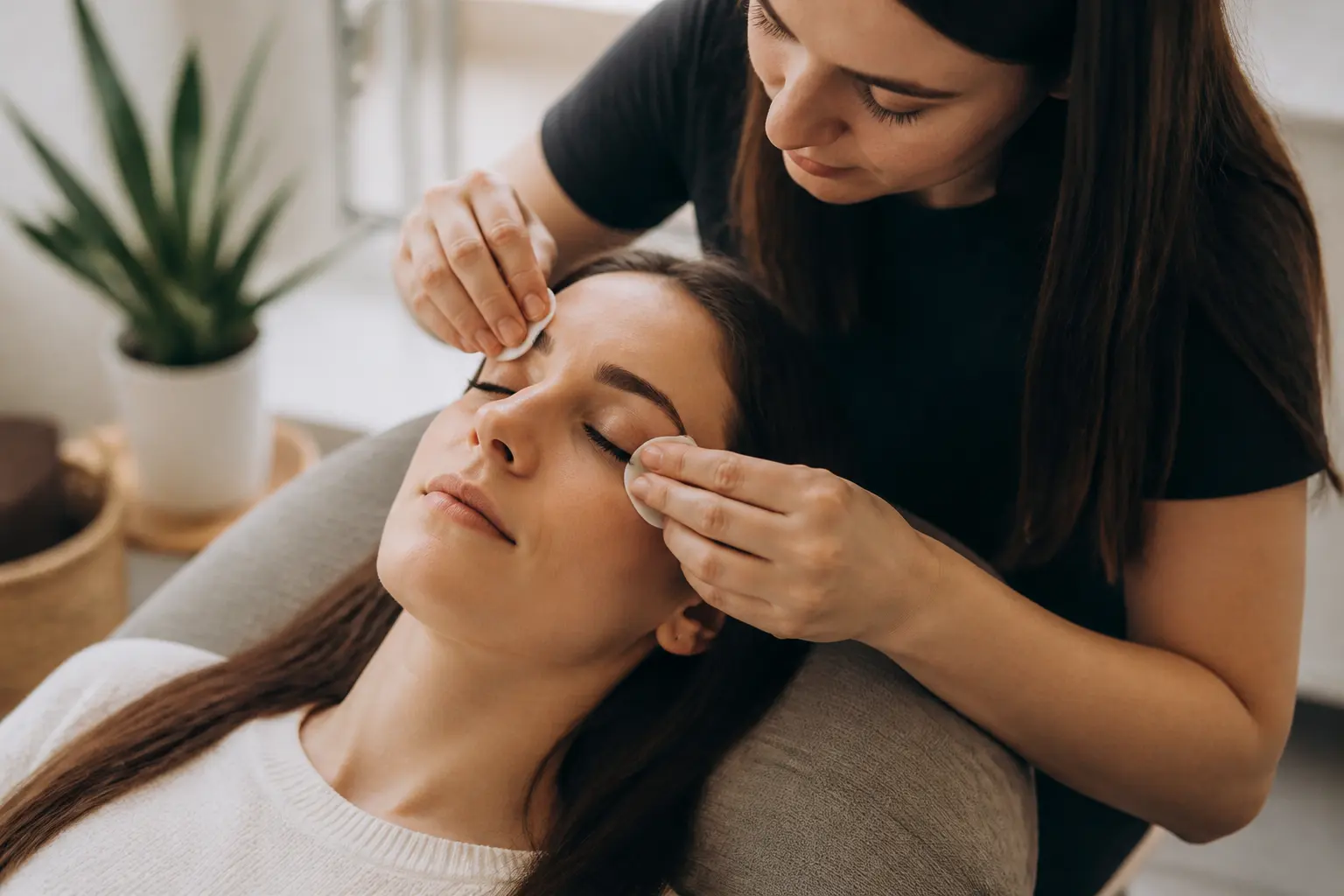
Remove makeup before bed and avoid rubbing at the lash line. Use products designed for the eye area, following their instructions, and be gentle with cotton pads or reusable cloths. Dragging or scrubbing can put unnecessary tension on short new lashes and can irritate the skin around the eyes.
If you usually wear mascara during your break, choose one you can remove without repeated rubbing. Waterproof formulas can be useful on occasion, but they may require more effort to take off. A lighter, easy-removal formula can make day-to-day cleansing feel kinder to the lash line.
2. Resist the urge to test every lash serum
It is understandable to want immediate fullness again, but more products do not necessarily mean better care. Some lash-conditioning products are cosmetic, while others may contain active ingredients that are not suitable for everyone. If you are considering a lash growth product, especially one that causes stinging, redness or eyelid changes, ask a pharmacist or eye-care professional for individual guidance before continuing.
For a straightforward break, focus first on avoiding behaviours that can make lashes feel more fragile: sleeping in eye makeup, rubbing tired eyes, pulling at loose fibres and using unverified products near the eye.
3. Give false lashes a pause too
A break from extensions works best when it is genuinely a break from added weight and repeated adhesive use. Strip lashes for a special occasion may be an option for some people, but applying and removing them frequently can still involve tugging at the lash line. If your aim is to simplify your routine, consider letting your natural lashes be visible for a while.
4. Be thoughtful with makeup tools
Clean lash curlers, brushes and eye makeup tools regularly, and do not share them. Replace products if they smell unusual, have changed texture or irritate your eyes. Hygiene matters at home as well as in the studio, especially around the eye area.
5. Allow time for the difference to become less noticeable
The first week after removal is often the most confronting because you are adjusting to a different frame around the eyes. Take photos only if they help you track progress without becoming overly critical. Comparing your lashes day by day can make gradual change harder to see. Give yourself time to settle into the natural look before deciding that something is wrong.
Why do lashes look sparse after extensions?
There are several possible reasons, and not all of them point to a problem caused by extensions. Natural lashes shed as part of their ordinary cycle. If several lashes happen to be at similar stages when you remove a set, the lash line may temporarily appear uneven. The contrast with a full extension set can make normal variation look more dramatic.
Sometimes lashes look shorter because they were hidden beneath the extension style. A longer or fuller extension can also make the natural lash seem finer by comparison. In other cases, rubbing, picking, poorly timed removal or extensions that were too heavy for the natural lashes may have contributed to breakage or shedding.
This is why extension design matters. A thoughtful lash artist considers the natural lash, including its length, direction and ability to support an extension, rather than applying the same look to every client. If you return to extensions later, use the break as useful information. You might choose a lighter set, a shorter length, a different curl or a more manageable maintenance schedule.
What should you not do during a lash recovery period?
- Do not pull off loose extensions. Even when they seem ready to shed, pulling can take the natural lash with them.
- Do not use household products near your eyes. Hair products, nail products and general-purpose solvents do not belong at the lash line.
- Do not over-cleanse. Cleanliness is important, but harsh scrubbing can leave eyelids uncomfortable.
- Do not ignore persistent irritation. Redness, swelling, pain, discharge or vision changes need professional health advice, not another cosmetic product.
- Do not rush into a new full set because the first few days feel unfamiliar. Let your natural lashes settle first, then choose your next step with clarity.
How long should you take a break?
There is no single timetable that suits everyone. Some clients choose a short break because they are travelling, changing their beauty routine or want a fresh start before a lighter set. Others take longer because their lash line feels delicate, they have had sensitivity or they want to avoid maintenance appointments for a while.
The useful question is not, “What is the perfect number of weeks?” It is, “Do my eyes and lash line feel comfortable, and do I feel ready to return?” If you had irritation or an unusual reaction, seek appropriate health advice before booking another extension service. If the break is simply a lifestyle choice, you can decide based on comfort, your desired look and what feels practical for your routine.
How do you choose your next look after a break?
A lash break can be a good moment to reassess whether extensions still fit your lifestyle. You may decide you miss the ease of waking up with definition and want to return with a more natural design. Or you may prefer a lower-maintenance enhancement for your own lashes.
If you want visible lift without adding individual extensions, a lash lift is designed to enhance the curl of your natural lashes. It is a different service with its own suitability considerations and aftercare. A consultation at a professional studio can help you compare the options honestly, based on your current lashes rather than an idealised result.
When returning to extensions, share what prompted the break. Mention if you found the previous length too dramatic, had trouble cleansing around the lash line, wore glasses, exercised often or wanted a softer finish. These details help the artist tailor the design and aftercare conversation to you.
How does a professional studio support a better reset?
A responsible lash appointment should feel unhurried and personalised. Before removal or a new set, the technician should be able to discuss your comfort, ask about sensitivity and look at the condition of your natural lashes. The purpose is not to judge your lashes or push you into an immediate rebooking. It is to help you make a comfortable, informed choice.
At BeCammo, a break can be part of a considered beauty routine, not a setback. Whether you want a professional removal, want to discuss future extensions or are curious about a lash lift for your natural lashes, asking questions first is always worthwhile. The most flattering lash plan is one that respects your natural features, your routine and how your eyes feel day to day.
Conclusion
Taking time away from extensions can be a positive reset. Arrange professional removal if extensions remain, keep your eye area clean without rubbing, simplify the products around your lashes and allow gradual growth to happen at its own pace. Most importantly, treat ongoing discomfort as a reason to seek health advice rather than trying to solve it with another cosmetic step.
When you feel ready, book a visit at BeCammo in Sliema or Swieqi to talk through your next lash choice. A personalised conversation can help you decide whether to return to extensions with a lighter approach or explore a lash lift that celebrates your natural lashes.
Frequently asked questions
Will my natural lashes grow back after I remove extensions?
Natural lashes follow a growth and shedding cycle, so visible improvement is gradual. Lashes may look less full immediately after removal because you are adjusting from the added length and density of extensions. If you have significant lash loss, persistent irritation or concerns about your eyes, seek advice from an appropriate health professional.
Can I remove lash extensions at home with oil?
It is safer to arrange professional removal if you have extensions still attached. Oils and other home methods may not remove adhesive predictably, and rubbing around the eye can pull on natural lashes or cause irritation.
Should I stop wearing mascara during a lash break?
You do not necessarily have to avoid mascara if your eyes and eyelids are comfortable. Choose an eye-area product that you can remove gently, and avoid sleeping in it. If you have redness, itching or inflamed eyelids, pause eye makeup and seek appropriate advice.
How do I know if I need a longer break from lash extensions?
Consider a longer pause if your lash line feels uncomfortable, you are repeatedly rubbing your eyes, you have had sensitivity or you simply want a lower-maintenance routine. If symptoms are ongoing, consult an eye-care professional before returning to lash services.
Can I get a lash lift instead of extensions after a break?
A lash lift may suit clients who want to emphasise the curl of their own lashes without individual extensions. Suitability depends on the current condition and length of your natural lashes, plus any sensitivity history, so a professional discussion is the best place to begin.