Does Brow Lamination Damage Your Brows? Myths Answered
Brenda Cammo Team
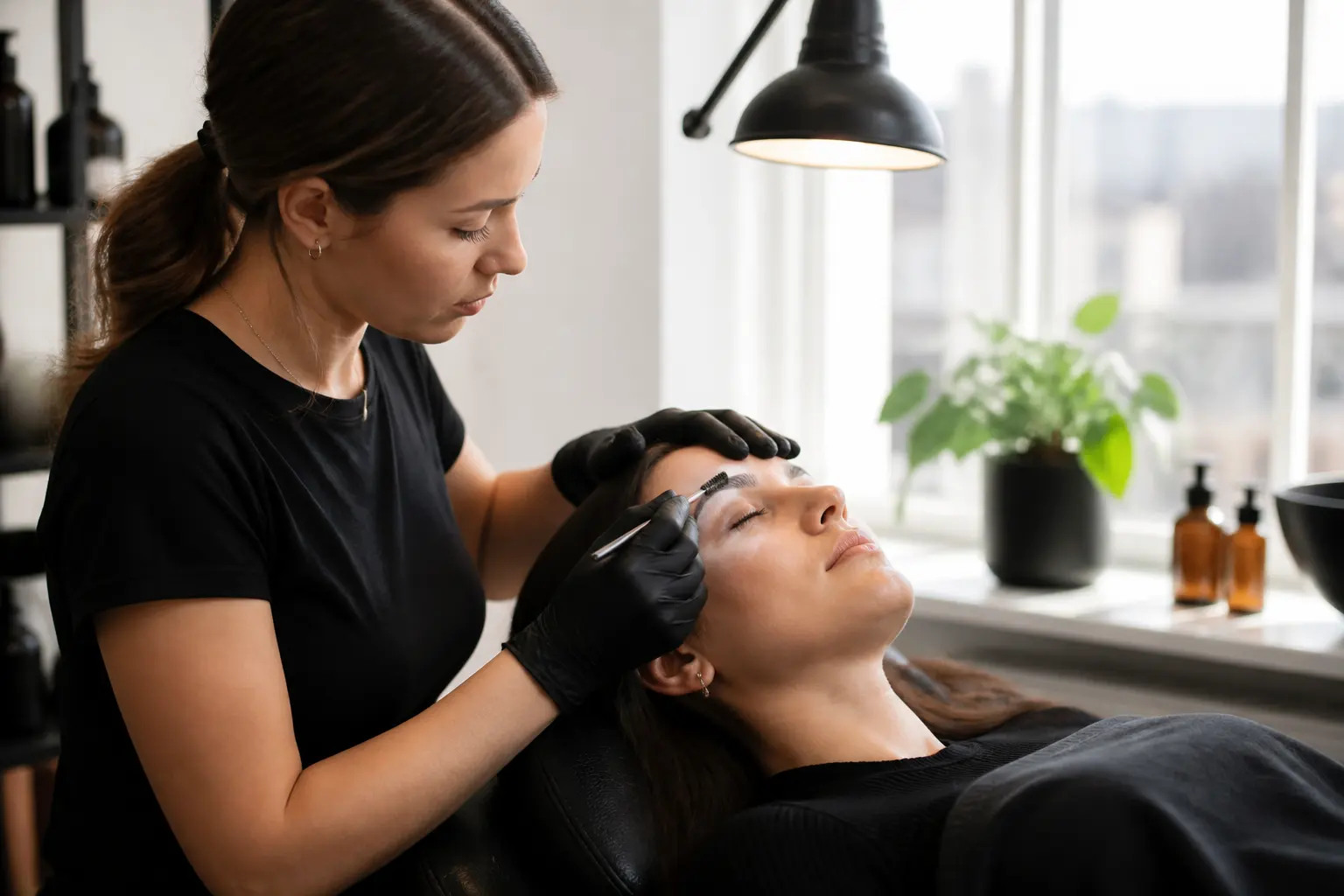
Brow lamination can make eyebrows look fuller, more lifted and easier to style, but it is understandable to have questions before booking. Does brow lamination damage your brows? Is the result permanent? Will your eyebrows look too bold? And what happens when the effect wears off?
The short answer is that brow lamination is not designed to be permanent, and it should not be treated as a one-size-fits-all service. The condition of your natural brow hairs, your skin, your routine and the way the appointment is carried out all matter. A professional service begins with looking at the brows in front of you, rather than trying to create exactly the same finish for every client.
At Becammo, brow services are approached with shape, hair direction and personal preference in mind. Whether you prefer a softly brushed finish or a more visibly lifted look, knowing what brow lamination can and cannot do helps you make a confident decision.
Myth 1: Brow lamination permanently changes your eyebrows
Reality: Brow lamination is a temporary styling service. It is intended to help the existing brow hairs sit in a more uniform, upward or outward direction for a period of time. It does not create new hairs, change the natural density of the brow or permanently alter the growth pattern.
During the service, professional products are used to make the brow hairs more workable before they are set into their chosen direction. Once the result gradually fades, new hair growth follows its own natural cycle and the brows return to their usual behaviour.
How long the effect remains visible can differ from person to person. Hair texture, skincare habits, exposure to water and heat, and how closely aftercare guidance is followed can all affect how the brows look in the weeks after an appointment. Some people notice that their brows remain easy to brush into place for longer than others, but it is important not to expect an identical timeline for everyone.
If you want a change that stays indefinitely, brow lamination is not the right category of service. It is better understood as a temporary way to make the most of the brow hairs you already have.
Myth 2: Brow lamination always damages brow hair
Reality: Brow lamination involves a chemical process, so it should always be carried out thoughtfully. It is not accurate to say that every lamination damages every brow, but it is equally unhelpful to pretend that hair condition does not matter.
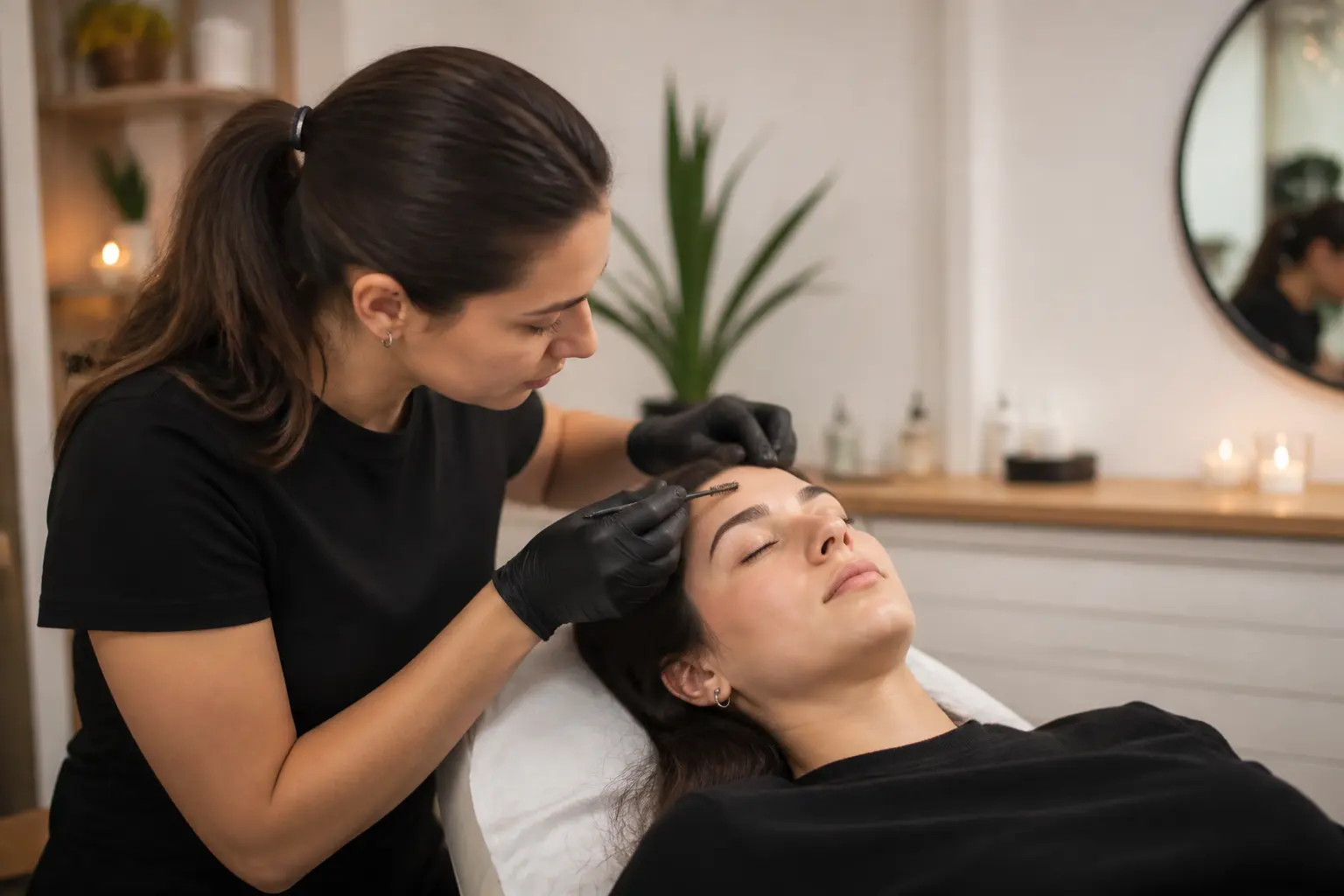
Over-processing, unsuitable timing, poor product use or repeating any chemical service too frequently may leave hairs feeling dry, less flexible or harder to manage. That is why professional judgement matters. The aim is not to push the hair as far as possible for an exaggerated effect. The aim is to create a polished direction while respecting the condition of the brows.
At a professional studio, the therapist should consider factors such as:
- the thickness and texture of your natural brow hairs
- whether the brows already feel dry, coarse or fragile
- recent brow services or home products that may affect the area
- any signs that the skin around the brows is irritated
- the finish you actually want, from soft and natural to more lifted
A good brow lamination appointment is not simply about following a fixed formula. Timing and styling should be adapted to the individual. If your brows need a gentler approach, or if it is better to wait, that should be part of an honest consultation.
What about brow hairs falling out?
It is normal to notice a few brow hairs shed over time, because eyebrow hairs have their own natural growth cycle. However, brow lamination should not be viewed as a way to force extra hair growth or as something that should cause noticeable hair loss.
If you have concerns about unusual shedding, very sparse brows or an irritated brow area, pause before arranging another chemical service and seek appropriate individual advice. A studio can assess the appearance and condition of the brow area for the service, but it should not make assumptions about the cause of significant hair changes.
Myth 3: Laminated brows always look stiff or overly dramatic
Reality: The finished look depends on the styling direction, hair length, brow density and design choices. Brow lamination is often associated with fluffy, brushed-up brows, but that does not mean every client needs a high, spiky or highly sculpted result.
For some clients, the most flattering finish is a gentle upward sweep at the front of the brow with a softer diagonal direction through the arch and tail. For others, especially those with fuller or heavier brow hairs, a tidier and more controlled finish may feel more wearable than a strong vertical lift.
The goal should be balance. Your brows should work with your face, your natural hair pattern and how you like to present yourself day to day. They do not need to copy a social media trend to look considered.
This is also why brow lamination can suit a broad range of brow types and personal styles. The service is not about imposing one ideal brow. It is about improving direction and helping the existing hairs look more intentional.
Myth 4: Brow lamination is the same as eyebrow tinting, henna or microblading
Reality: These services can all change the overall appearance of eyebrows, but they do different jobs.
| Service | Main purpose | What it changes |
|---|---|---|
| Brow lamination | To improve hair direction and create a lifted appearance | The way existing brow hairs sit |
| Threading and brow design | To refine shape and remove unwanted hair | The outline and balance of the brows |
| Tint or henna | To add visible depth to the brows | The colour appearance of hairs and, depending on the product, the look of the skin beneath |
| Microblading or other semi-permanent brow options | To create the appearance of added definition or hair-like strokes | The appearance of the brow through pigment placed in the skin |
Brow lamination does not fill large gaps with new hair, and it does not replace precise shaping. If your brows grow in different directions but have reasonable natural fullness, lamination may help them look more coordinated. If your main concern is outline, symmetry or stray hairs, threading and brow design may be the more relevant starting point.
Many clients enjoy combining brow lamination with professional shape work because the services address two separate goals. The lamination guides the hairs, while threading can refine the overall structure. The exact combination should be based on the brow’s condition and the finish you want.
Myth 5: You can laminate your brows as often as you like
Reality: More frequent is not automatically better. Because lamination is a chemical service, brows need time between appointments. The right timing depends on how your hair responds, how the result has worn and the professional products and process being used.
Rather than booking repeat appointments by habit, look at how your brows feel and behave. Are they still easy to style? Do they look healthy and flexible? Have they become dry or unruly? These are useful questions to bring to your next visit.
A professional therapist can help you decide whether it is the right time to repeat the service, refresh the shape with threading, or simply focus on gentle daily grooming for a while. A more restrained plan can often give a better long-term appearance than chasing a constantly fresh effect.
Myth 6: Aftercare is optional once you leave the studio
Reality: The early aftercare period matters. Your therapist will explain the specific guidance for the products used and your appointment, but the general principle is simple: give the brows time to settle into their new direction.
For the period advised by your therapist, avoid getting the brows unnecessarily wet and avoid steam, intense heat or products that could interfere with the freshly styled hairs. This can include very hot showers directed at the face, saunas, steam rooms and oily or active skincare products applied carelessly around the brow area.
After that initial period, gentle brushing can help you maintain the finish. Use a clean spoolie and brush in the direction agreed during your appointment. Avoid pulling at the hairs or trying to force them into a shape that feels unnatural for your brow.
A simple everyday brow routine after lamination
- Brush your brows gently when they are clean and dry.
- Follow the aftercare timing given at your appointment before introducing water, heat or products around the area.
- Keep strong skincare products away from the brows unless you have been advised otherwise.
- Do not trim or pluck impulsively at home if the hairs look unfamiliar in their new direction.
- Book professional shaping when you want the outline refreshed rather than over-correcting the brows yourself.
Good aftercare is not complicated, but it can help you enjoy a neater, more consistent finish.
Myth 7: Everyone can have brow lamination without questions or preparation
Reality: Every beauty service deserves a short conversation first. Brow lamination may not be suitable to perform immediately if the skin around the brows is irritated, broken or reacting to a product. Some clients may also need a patch test before their appointment, particularly where there is a relevant history of sensitivity or where the studio’s protocol calls for one.
Be open about recent treatments, sensitivities and the skincare products you use around the eye and brow area. This is not about making the process feel complicated. It is about allowing the therapist to make a careful decision and give you the right preparation advice.
A responsible studio will not promise that a reaction is impossible. Instead, it will use clear hygiene practices, suitable products and an individual assessment to reduce avoidable uncertainty. If you are unsure whether brow lamination is appropriate for you, asking before you book is always sensible.
How to decide whether brow lamination is right for you
Brow lamination may be worth considering if you have brow hairs that grow downwards, sideways or unevenly, or if you would like a fuller-looking effect created from your own natural hairs. It can also be useful when the front of the brow grows in different directions and takes time to style each morning.
It may be less suitable as an immediate choice if your priority is replacing missing hair, if the brow area is currently irritated, or if your hairs already feel compromised. In those situations, an assessment can help you understand whether a different brow service, a gentler plan or simply more time is the better option.
Bring reference images if they help you describe the result you like, but be prepared to adapt the idea to your own brow density, hair texture and face. The most convincing laminated brows usually look like a refined version of your natural brows, not somebody else’s.
Conclusion
Brow lamination is neither permanent nor a shortcut that suits every brow in the same way. When it is selected carefully, performed professionally and followed by appropriate aftercare, it can be a useful option for creating more direction, softness and definition from your existing brow hairs.
If you are considering brow lamination in Malta, book a professional appointment at Becammo in Sliema or Swieqi. You can discuss your brow goals, ask about suitability and choose a finish that feels polished while still looking like you.
Frequently asked questions
Does brow lamination damage your brows?
It should not be approached as automatically damaging, but it is a chemical service and brow condition matters. Correct product use, suitable timing, individual assessment and sensible spacing between appointments are important for caring for the natural hairs.
Is brow lamination permanent?
No. Brow lamination is temporary. It changes how your existing hairs sit for a limited period, rather than permanently changing how your brows grow.
Can brow lamination make sparse brows look fuller?
It can help existing hairs look more visible by directing and separating them. However, it does not create new hairs or fill every gap. The likely effect depends on your starting brow density and hair length.
Can I have threading and brow lamination together?
Often, these services can complement each other because threading refines the shape while lamination focuses on hair direction. Your therapist can advise on the most suitable plan for your brows.
Will laminated brows look too bold?
Not necessarily. The finish can be customised. A softer, more natural direction may suit clients who want tidy, balanced brows without a strongly lifted look.
Do I need a patch test before brow lamination?
Some clients may need one, depending on their sensitivity history and the studio’s protocol. Ask before booking, especially if you have reacted to cosmetic products in the past.