Bottom Lash Extensions: Who Suits Them and How They Work
Brenda Cammo Team
Bottom lash extensions can add definition to the lower lash line and make a lash set look more balanced from top to bottom. They are a small detail, but they can noticeably change the overall effect, especially in photographs, evening makeup and special-occasion looks.
They are not automatically the right addition for every client. Lower lashes are usually finer, shorter and more exposed to movement from blinking, cleansing and makeup removal. A considered consultation is therefore essential. The aim is not simply to add more lashes, but to choose a finish that works comfortably with your natural lashes, eye area and daily routine.
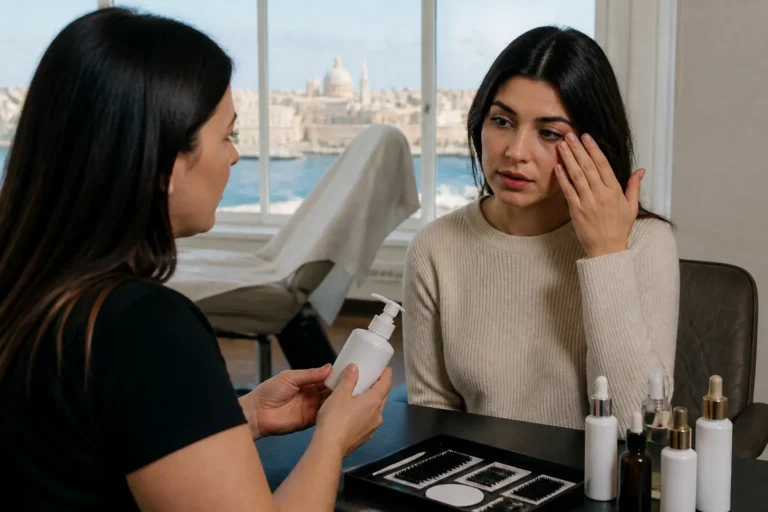
At a professional lash appointment, the artist assesses the whole eye look before suggesting bottom lash extensions. That includes the strength and density of your lower natural lashes, the shape of your eyes, the style of upper extensions you prefer and whether you are likely to enjoy the extra aftercare involved.
What are bottom lash extensions?
Bottom lash extensions are lightweight individual fibres attached to the natural lashes along the lower lash line. They are different from strip lashes placed on the skin. When professionally applied, each extension is positioned with care on an individual natural lower lash, rather than being fixed directly to the eyelid.
The intended result is generally subtle definition. Lower lashes naturally look more delicate than upper lashes, so the lengths, curl and density need to reflect that. A soft, restrained application can help frame the eyes without making the lower lash line look heavy.
They may be chosen as an addition to a classic, hybrid or volume-style upper lash set. They can also be considered for a particular event when someone wants a more complete, camera-ready eye look. However, a full upper set does not require lower extensions to look finished. Many beautifully balanced lash sets are designed around upper lashes alone.
Who may suit bottom lash extensions?
The best candidates tend to be clients with lower natural lashes that are visible enough to isolate safely and strong enough to support a lightweight extension. Suitability is always individual, but the following situations can make bottom lash extensions worth discussing.
Clients who want more definition without lower mascara
If you regularly use mascara on your lower lashes to make your eyes look more awake or defined, extensions may offer a different route to that polished effect. They can be particularly appealing if mascara tends to smudge beneath your eyes during a warm day, a long event or a night out.
That said, lash extensions are not a reason to apply mascara over them. Oil-free eye makeup and a careful cleansing routine are usually easier to manage around an extension set.
Clients with balanced, visible lower lashes
Natural lower lashes vary widely in length, density, direction and colour. When they are sufficiently visible and sit in a workable direction, the lash artist may have more scope to create a neat, understated enhancement. The artist will still keep the design lighter than the upper lash line so that the look remains proportionate.
Clients preparing for a special occasion
Bottom lashes can be a lovely optional detail for weddings, celebrations, professional photoshoots and holidays in Malta. They can make the eyes appear more defined in close-up images, particularly when paired with a carefully tailored upper lash style.
For an important event, arrange your lash appointment early enough to see how the style feels in everyday life. This gives you time to discuss any refinement before the occasion rather than making a last-minute decision.
Clients who enjoy a more editorial or glam finish
Some people prefer a clearly styled eye look rather than a barely-there effect. Lower extensions can complement this preference, provided the artist selects an appropriate design. The key is thoughtful styling, not simply adding the longest or darkest lashes possible.
When bottom lash extensions may not be the best choice
A professional recommendation sometimes means keeping the lower lash line natural. This is not a limitation. It is a way to prioritise comfort, wearability and a result that looks harmonious on you.
- Very fine or sparse lower lashes: There may not be enough suitable natural lashes for a reliable, balanced application.
- Lower lashes that point in several directions: The result may be harder to keep neat, especially as natural lashes grow and shed.
- Frequent eye rubbing or watery eyes: Movement and moisture can make lower extensions less practical.
- A busy routine that includes heavy eye makeup: Removing lower eyeliner, mascara or concealer carefully can take extra attention.
- Current eye irritation, infection or inflamed skin around the eye: Postpone the appointment and seek appropriate advice before booking a cosmetic eye service.
- A history of reactions to lash adhesives or eye-area cosmetics: Tell the studio before arranging an appointment, so your options can be discussed responsibly.
Eye-area cosmetics and their adhesives deserve careful handling because the eyelids and surrounding skin are delicate. The FDA’s eye cosmetic safety guidance advises stopping use if irritation occurs and avoiding eye cosmetics when there is an eye infection or inflamed surrounding skin. Although every client’s circumstances differ, this is a sensible reason to be open with your lash artist about sensitivities, recent eye concerns and products you use.
How bottom lash extensions are applied at a professional studio
Professional application is a detailed service, not a quick add-on performed without planning. The lower lash line is close to the eye and its natural hairs are small, so precision, hygiene and clear communication matter throughout the appointment.
1. Consultation and lash assessment
The appointment begins with a discussion of your desired finish. You might want a very soft enhancement, a more defined evening look or simply an opinion on whether bottom extensions would suit your current upper lash set.
The artist assesses the natural lower lashes and looks at how they relate to the upper lashes. They consider length, direction, density and the appearance you want to achieve. This is also the time to mention contact lenses, known sensitivities, current eye discomfort and any recent reaction to cosmetic products.
2. Cleansing and preparation
The eye area needs to be clean and free from mascara, eyeliner, oils and skincare residue. This helps the artist see the lower lashes clearly and creates better conditions for careful application.
At Becammo, clients should arrive for any lash appointment with clean lashes and minimal eye-area product where possible. It saves time, supports a more precise service and makes the consultation easier.
3. Protection and isolation
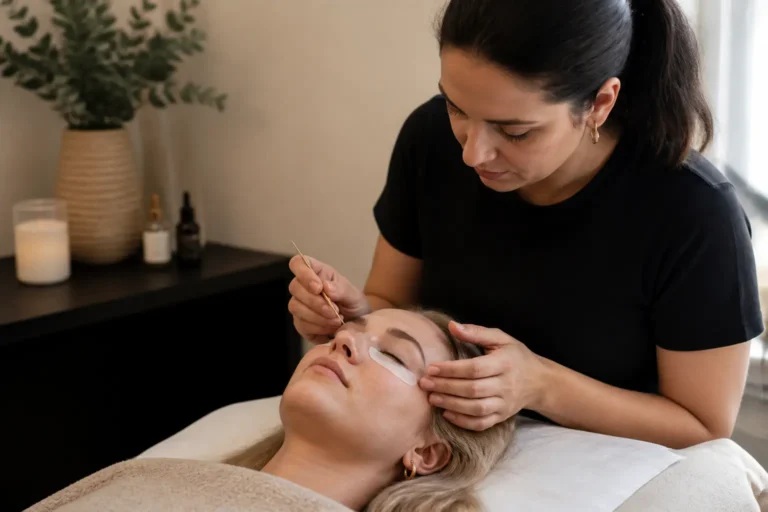
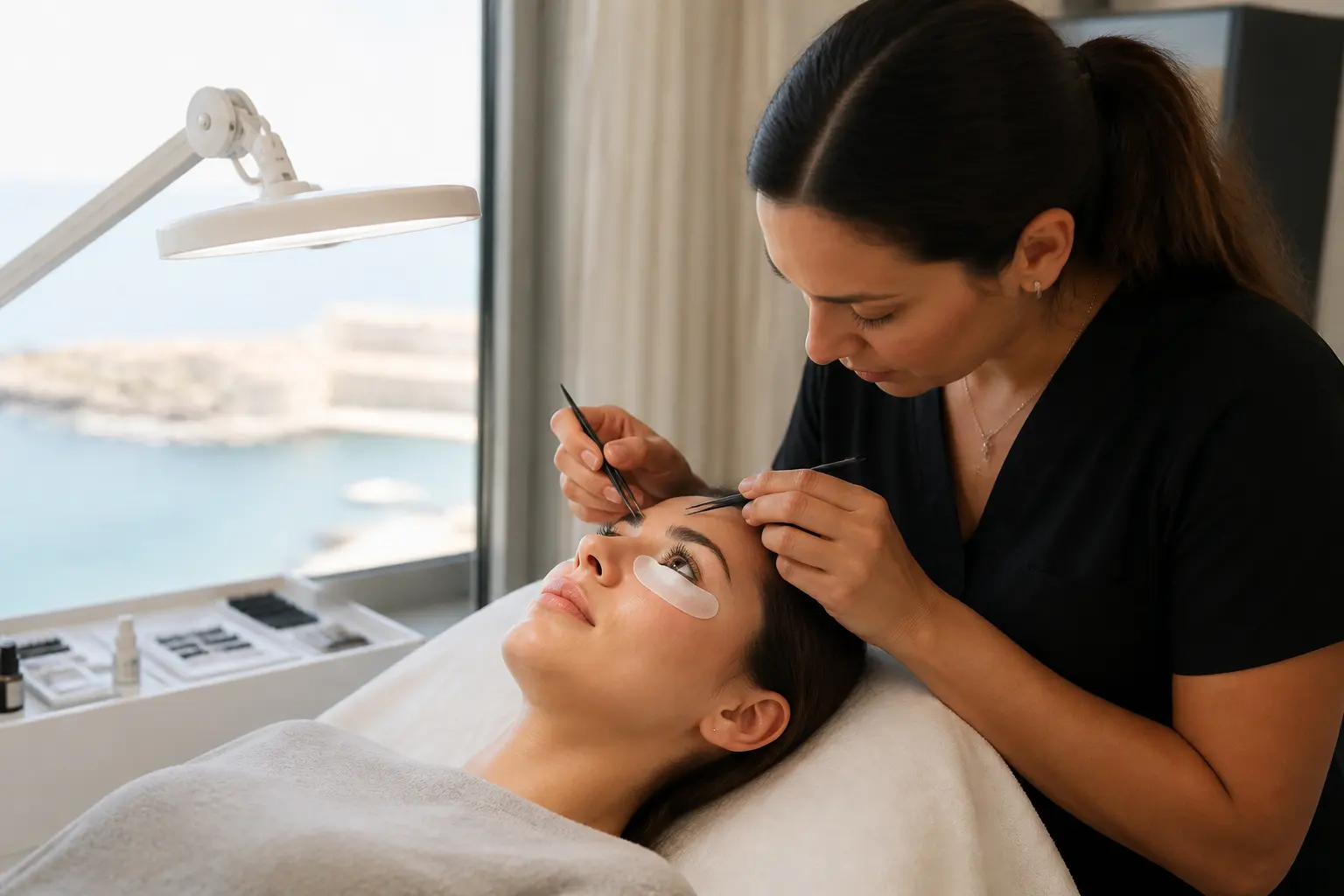
With the eyes closed, the artist uses professional under-eye protection and isolation methods to keep upper and lower lashes separated. This step is particularly important when lower extensions are being applied because the artist needs a stable view of each individual lower natural lash.
The lower lashes are isolated one by one. Rather than attaching a cluster across several hairs, the artist works carefully with individual lashes that are suitable for the service. This supports a neater finish and avoids creating unnecessary tension across the lash line.
4. Selecting the right extension design
Lower lash extensions are generally chosen in shorter, lighter and less dramatic dimensions than upper extensions. The exact choice depends on your own lashes and the desired effect. A professional artist may vary the placement slightly to maintain a natural-looking rhythm, rather than applying identical extensions everywhere.
A good lower lash design should complement the upper set. If the upper lashes are light and natural, a very dense lower line could feel out of balance. If the upper lashes are more glamorous, the lower line may need a little definition, but still enough softness to avoid overpowering the eyes.
5. Careful attachment and final check
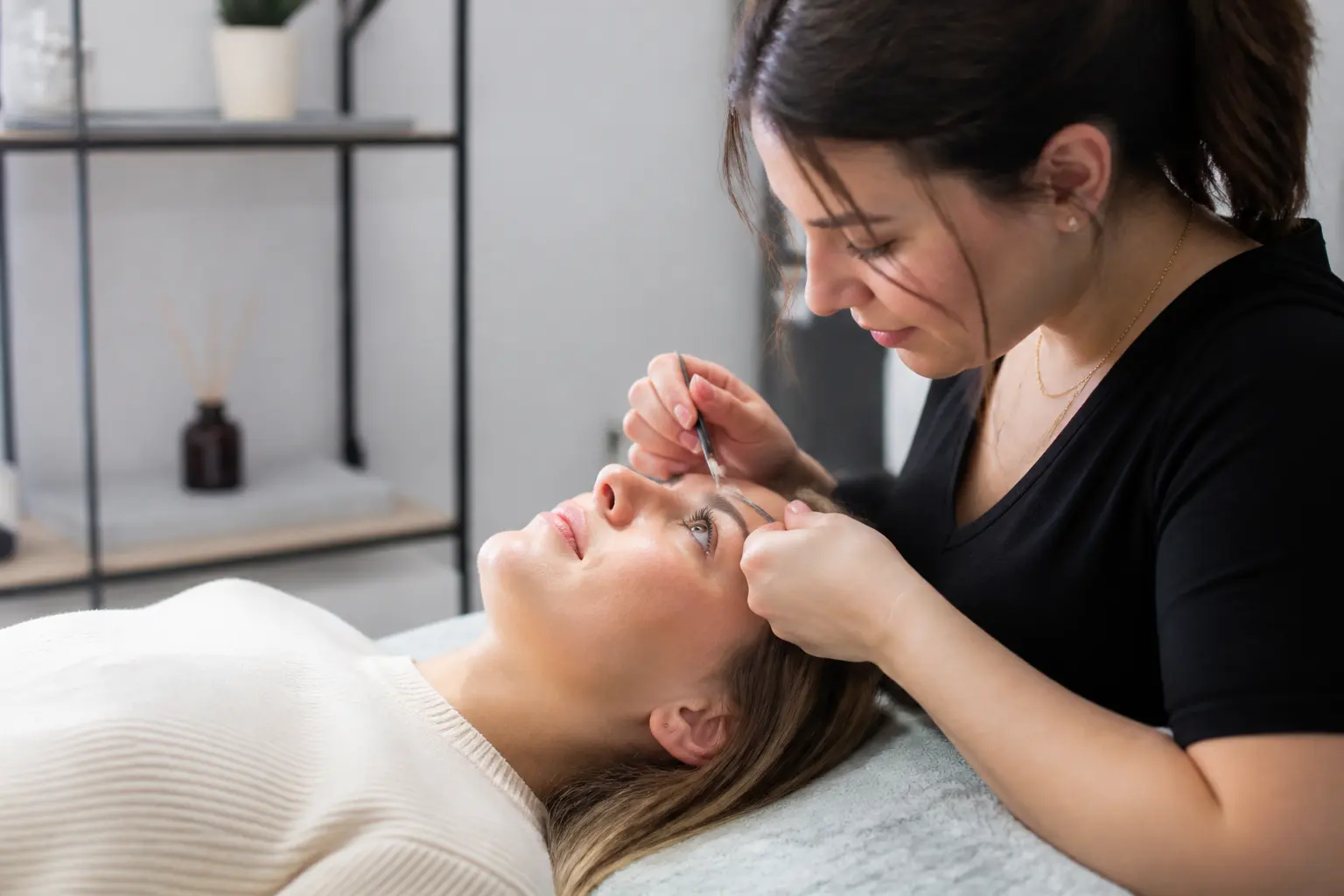
A small amount of professional lash adhesive is used to attach the extension to the selected natural lash. The artist works patiently through the lower lash line, allowing time for placement and checking that the finished look appears even from both sides.
Once the application is complete, the artist checks comfort, symmetry and separation before you open your eyes. If anything feels scratchy, tight or uncomfortable, say so immediately. You should never feel that you have to ignore discomfort around the eye area.
What does the finished look tend to be like?
The effect of bottom lash extensions can range from barely noticeable definition to a more styled, editorial finish. In the most natural version, people may simply notice that your eyes look more framed. In a fuller design, the lower lashes become a visible part of the overall lash statement.
Longevity varies because natural lashes follow their own growth and shedding cycle, and lower lashes are exposed to daily movement and cleansing. Your results may also vary according to your skin type, sleep habits, makeup routine, natural lash condition and how carefully you follow aftercare.
Rather than expecting every lower extension to remain in place for a fixed period, think of the service as an adaptable part of your lash routine. A lash artist can advise whether an infill makes sense alongside your upper lash maintenance or whether bottom extensions are better reserved for occasional wear.
Aftercare that matters for lower lash extensions
Good aftercare protects both the look of the set and your comfort. Your artist will give advice tailored to the products and technique used during your appointment, so follow those instructions first.
- Avoid rubbing, pulling or picking at the lower lashes.
- Keep cleansing gentle and use products suitable for the eye area and lash extensions.
- Avoid waterproof mascara on extensions, as removal often requires more rubbing and oil-based products.
- Be careful when applying concealer, eye cream and lower eyeliner near the lash line.
- Brush only if your artist recommends it, and use a clean tool with a light touch.
- Contact the studio if the lashes feel uncomfortable or you notice irritation, rather than attempting to remove them yourself.
It is also wise not to share eye cosmetics or applicators. Hygiene guidance for eye cosmetics highlights the importance of clean tools and avoiding cross-contamination, especially around such a sensitive area. Read the FDA’s practical eye cosmetic safety checklist for general guidance on keeping eye-area products clean.
Questions to ask before booking
A short conversation before your appointment can help you decide if bottom lash extensions match your needs. Consider asking:
- Are my natural lower lashes suitable for extensions?
- Would a subtle or more defined design suit my upper lash style?
- Can lower extensions be included in my chosen lash appointment?
- How should I cleanse and wear makeup around them?
- Would you recommend them for regular maintenance or only for a special occasion?
These questions invite a personalised answer rather than a one-size-fits-all lash plan. At a professional studio, suitability matters more than following a trend.
Frequently asked questions
Do bottom lash extensions look natural?
They can look natural when the length, thickness and placement are selected to suit your own lower lashes and complement the upper lash design. A lighter approach is usually more convincing than an overly dense lower lash line.
Can I have bottom lash extensions with any upper lash set?
They can be considered with different upper lash styles, but they are optional. Your lash artist should assess whether the two elements will look balanced together and whether your lower natural lashes are suitable.
Do bottom lash extensions need infills?
They may need attention as natural lashes shed and the look changes. The best maintenance plan depends on your natural lashes, the design and how you wear and cleanse eye makeup. Ask your artist what is realistic for your routine.
Can I wear makeup with bottom lash extensions?
Yes, but choose products and removal methods carefully. Avoid applying mascara directly to the extensions where possible, and cleanse the eye area gently without rubbing or pulling.
What should I do if my eyes feel irritated after an appointment?
Do not try to pull off the extensions. Stop using eye cosmetics, contact the studio for guidance and seek advice from an appropriate healthcare professional if irritation is persistent, severe or affects your eye itself.
Considering a more complete lash look?
Bottom lash extensions are a refined option for clients who want extra lower-lash definition and are prepared for the careful application and aftercare involved. They are most successful when they are designed around your natural lashes, not added automatically.
If you are considering lash extensions in Malta, book an appointment at Becammo in Sliema or Swieqi and discuss the finish you have in mind. A tailored assessment can help you decide whether bottom lash extensions would complement your look, or whether a beautifully customised upper lash set is the better choice for you.