How Natural Microblading Looks When Each Stroke Is Expertly Placed
Brenda Cammo Team
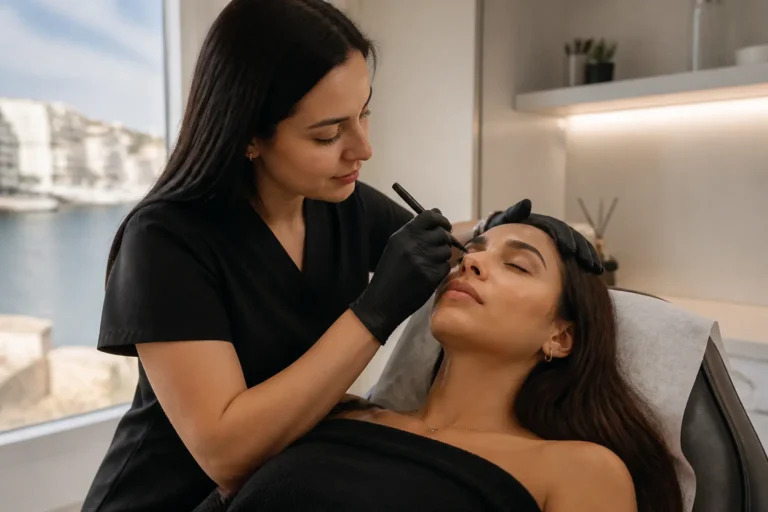
Natural-looking microblading is not about making every eyebrow look fuller, darker or more dramatic. It is about creating the impression of believable brow hairs in the places where they will support your own features. When each stroke is placed by an experienced professional, the finished brow can look softly structured rather than obviously drawn on.
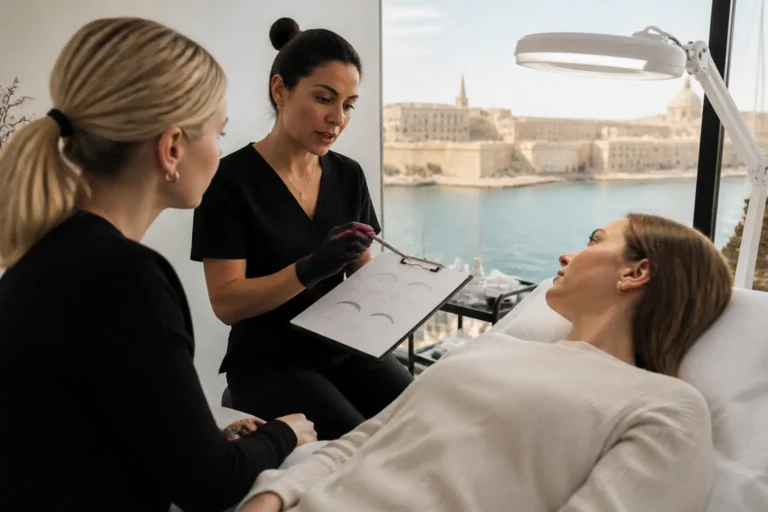
For many people in Malta, the question is not simply whether microblading works. It is whether it will still look like them. That concern is sensible. Microblading is a form of semi-permanent makeup, so the quality of planning matters just as much as the technical work itself. A natural result starts with listening, observing the existing hair pattern and making careful decisions before any pigment is placed.
What makes microblading look natural?
Microblading uses fine, hair-inspired strokes to add definition or visual density to the eyebrow area. The aim is not to copy and paste the same pattern across every face. Natural brows are rarely identical. They have differences in height, density, direction and growth pattern, and a thoughtful design respects those small variations.
The most convincing results tend to come from several elements working together:
- A design that follows your facial balance: the brow beginning, arch and tail should be planned in relation to your own features rather than a passing trend.
- Stroke direction that makes sense: hairs at the front of the brow do not grow in the same direction as hairs through the arch or tail.
- Appropriate spacing: strokes need enough room to remain distinct and soft-looking, rather than merging into a block of colour.
- A measured choice of pigment: the shade should complement the overall brow and complexion rather than overpower them.
- Respect for existing brow hair: where natural hair is present, it helps guide the design and should remain part of the visual story.
Natural does not mean invisible. You should still expect your brows to look more organised and defined. The difference is that people may notice a more balanced expression before they identify exactly what has changed.
Why every stroke needs a reason
It is easy to think of microblading strokes as tiny lines. In professional work, each one has a purpose. A stroke may extend the appearance of a sparse area, connect an uneven section or give a brow tail a more complete outline. It should not be added simply to fill every possible space.
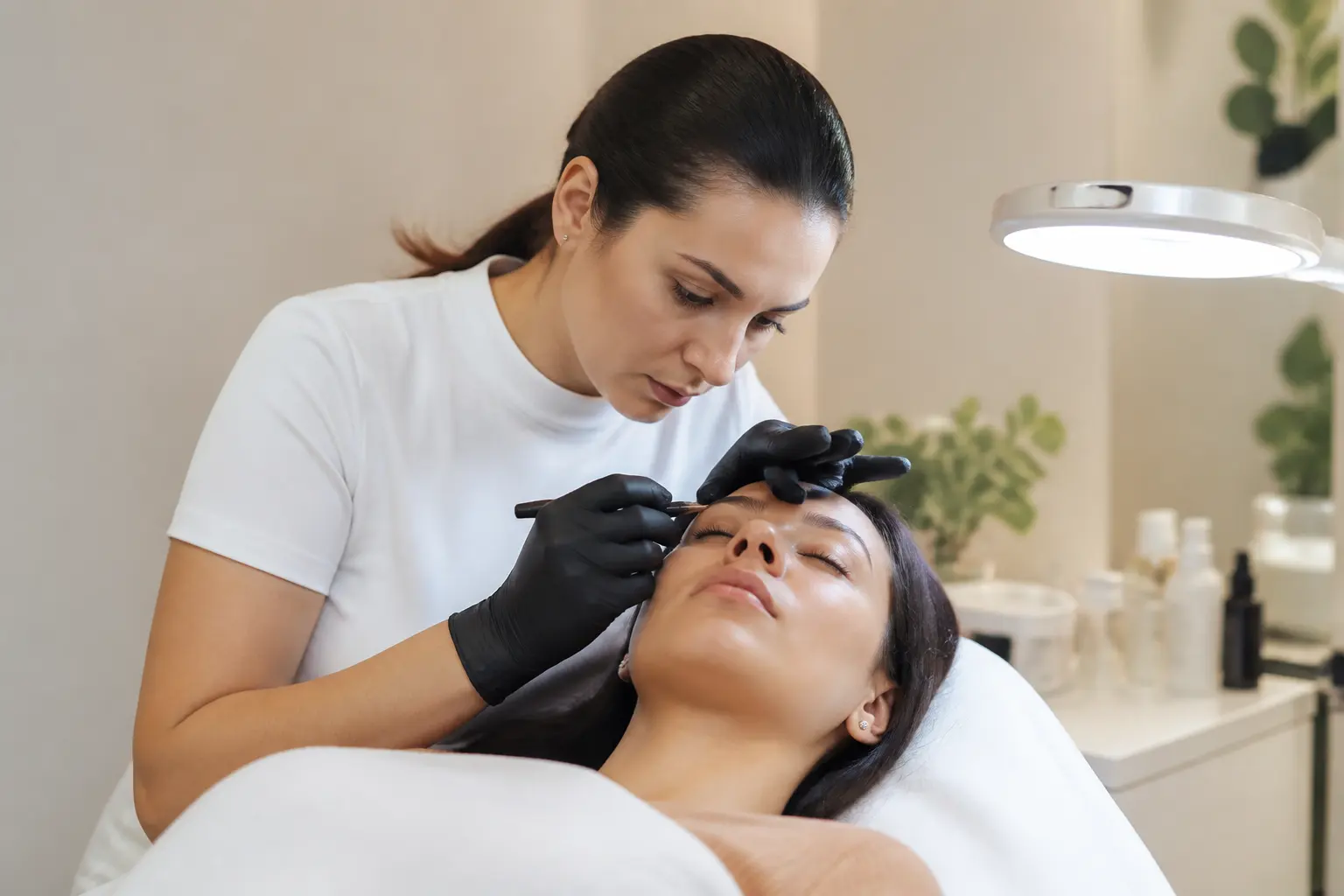
At the front of the brow, strokes are usually planned to create a light transition into the natural hair. This area is important because an overly solid or sharply defined start can make the brows look heavy. Through the centre, placement can reinforce the main direction of growth and create a sense of density. Near the arch and tail, the artist considers how the line of the brow supports the eye area without producing an exaggerated lift.
There is also a visual rhythm to a realistic brow. Natural hairs vary slightly in length, angle and separation. Expert placement uses this variation carefully. It does not mean random strokes. It means controlled detail that avoids a rigid, stamped appearance.
The consultation is where a believable result begins
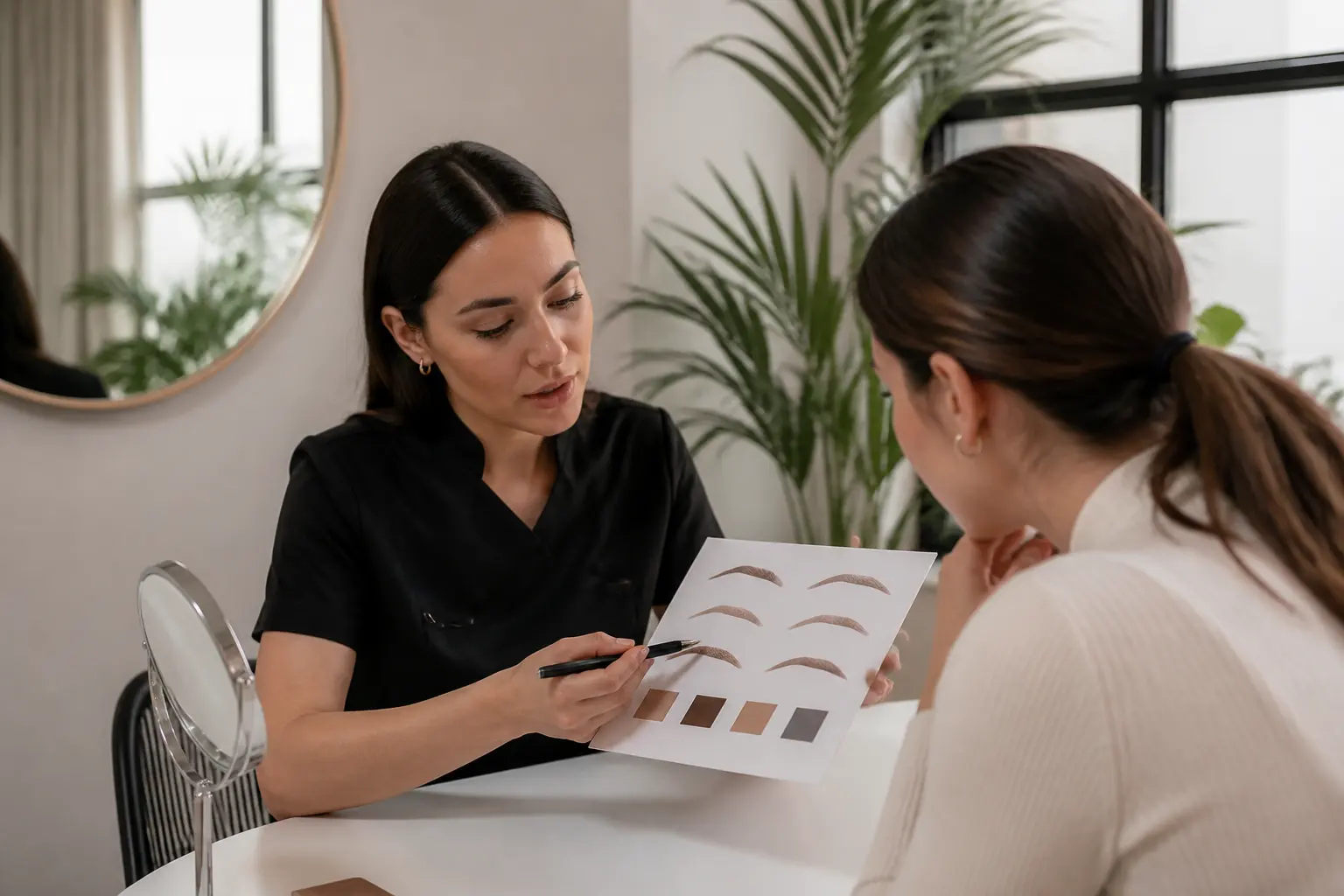
A photo of somebody else’s brows can be useful as a starting point for a conversation, but it is not a template. Your bone structure, skin, existing hair, everyday make-up preferences and comfort level all matter. The most natural design for one person may be too bold, too cool-toned or too structured for another.
Before deciding on microblading, a professional consultation gives you space to discuss the result you want and the result that is realistic for you. It is also the right time to mention previous brow work, including old pigment that may still be visible, as well as any relevant skin sensitivities or health considerations. A responsible artist may recommend waiting, adjusting the plan or considering another approach where that is more appropriate.
This cautious approach is not a lack of confidence. It is part of protecting the quality of the design. Semi-permanent makeup deserves informed consent and a clear conversation, particularly because changing or removing pigment later can be more involved than changing ordinary brow make-up. The FDA’s consumer guidance on tattoos and permanent makeup also highlights the importance of hygiene, sterile equipment and understanding potential risks before proceeding.
Mapping creates the framework, not a one-size-fits-all brow
Professional brow mapping helps establish proportion and placement before the microblading stage. It is a guide for creating harmony, not a promise that both brows will become perfectly identical. Faces have natural asymmetries, and brows often grow differently from one side to the other. Trying to force complete symmetry can sometimes produce a result that looks less natural.
During planning, the artist assesses where the brows begin, where the highest point sits and how the tail works with the face. They will also look at the height of each brow, the position of the eyes and the amount of natural hair available. These observations inform a personalised shape.
A good design should leave room for the client’s own features. It should not create an unnaturally long tail, an excessively high arch or a brow that is much darker than the person’s natural colouring simply because that look is popular online. Trends change. A balanced shape usually has greater staying power.
How pigment choice supports a softer finish
Stroke placement gets much of the attention, but pigment selection is equally important to a natural-looking microblading result. The goal is usually to work with the visual depth of your natural brow hair and skin rather than selecting a colour solely from the hair on your head.
For example, a shade that appears ideal in a pigment cup may settle differently once placed in the skin and after the healing process. Skin characteristics, previous pigment and individual retention can all affect how the colour appears over time. This is why an experienced artist evaluates rather than guesses.
Natural-looking brows are commonly built around restraint. Going significantly darker than your existing brow can make even neatly placed strokes more noticeable. Choosing a shade that is too warm or too cool for your colouring may also distract from the hair-like effect. Your consultation is the right place to talk through whether you prefer a barely-there enhancement, gentle definition or a more polished everyday brow.
Existing brow hair is an advantage, not an obstacle
Microblading can be considered by people with sparse brows, uneven growth or gaps from years of over-plucking. However, it does not need to replace the look of your natural hair. When brows still have some growth, the artist can plan strokes around it so the two elements work together.
This is one reason the result can look particularly believable when it is customised. Existing hairs show the natural direction and texture of the brow. They also help determine where additional detail would be useful and where adding strokes could make the brow look crowded.
Between appointments, avoid trying to reshape the brows drastically at home. If you choose semi-permanent makeup, maintaining a considered base shape with professional brow care can help the overall look remain neat and coherent.
Natural-looking does not mean identical to a brow pencil
Microblading and daily brow make-up create different effects. A pencil, powder or gel can be altered in minutes and can be made very sharp or very soft depending on the day. Microblading is designed to create a longer-lasting framework of hair-inspired detail. It should therefore be planned with an eye on how you want to look on ordinary days, not only on special occasions.
If your usual style is minimal, say so. If you wear fuller make-up most days, mention that too. The artist can use this information to understand your preference, while still advising on what will look proportionate and realistic for your features.
It is also helpful to remember that freshly completed brows can look more pronounced than the settled result. The appearance changes during healing, and individual skin can retain pigment differently. Following the aftercare provided by your studio is an important part of giving the work its best opportunity to settle as intended. Do not judge the final result too early or compare your healing process too closely with somebody else’s.
Questions to ask before booking microblading
Choosing microblading is a personal decision, and you deserve clear answers. A professional studio should be comfortable discussing the design process, hygiene standards and the limits of the procedure. Useful questions include:
- How will my brow shape be planned around my face and existing hairs?
- What style of result is realistic for my skin and current brow condition?
- How do you approach pigment selection?
- What happens if I have old brow pigment?
- What aftercare will I need to follow?
- When should I contact the studio if I have a concern during healing?
It is also wise to disclose anything that could affect suitability. Permanent makeup involves placing pigment in the skin, and hygiene practices matter. Authoritative consumer information on permanent makeup notes the importance of clean, sanitary equipment and the possibility of reactions or other complications, which is why a careful consultation and documented studio protocols are so important. Read the FDA fact sheet on tattoos and permanent makeup.
What to look for in an expert-led appointment
Technical skill is essential, but the experience should feel considered from the first conversation. Look for a practitioner who explains rather than rushes, checks your expectations and gives you time to ask questions. The best plan may be a subtle one, especially for a first semi-permanent brow procedure.
At Becammo, brow work is approached with personalisation in mind. Brenda Cammo’s experience with different ethnic brow types supports a design conversation that does not impose one narrow beauty standard. Whether your natural brows are fine, full, curly, sparse, light or strongly defined, the aim is to understand the character already there before considering what to add.
This approach matters because a convincing result is more than a technical pattern. It is the relationship between the strokes, your natural hair, your skin and the way you want to feel when you look in the mirror.
Conclusion
Natural microblading comes from deliberate choices, not from making the brows as bold as possible. Expert stroke placement, individual mapping, thoughtful pigment selection and realistic expectations all contribute to a result that feels in keeping with your own face.
If you are considering microblading in Malta, start with a professional conversation rather than a fixed image in mind. Booking a consultation gives you the opportunity to discuss your brow goals, previous pigment and whether a bespoke semi-permanent brow plan is suitable for you. From there, you can make a confident, well-informed decision.
Frequently asked questions
Will microblading look natural if I have very sparse brows?
It can be designed to create the appearance of fuller brows, but the result depends on your skin, the condition of the brow area and the agreed design. A consultation is the best way to discuss what is realistic for you.
Can microblading strokes look like real hairs?
Hair-inspired strokes can create a realistic visual effect when their direction, spacing, length and placement are adapted to the brow. The aim is a soft enhancement, not a uniform pattern.
Why are my two brows not made exactly the same?
Natural facial asymmetry and different hair growth patterns are common. Professional design seeks visual balance rather than forcing brows into identical shapes that may not suit the face.
Does natural-looking microblading need a touch-up?
Maintenance needs vary by individual, including how the skin retains pigment and how the brows change over time. Your artist can discuss the appropriate follow-up plan for your specific treatment.
Can I choose a very dark brow colour for a stronger result?
You can share your preference, but the final pigment discussion should take account of your natural brow hair, skin and desired long-term look. A measured shade often supports a more believable finish.