Square, Round or Oval Face? Choosing a Balanced Brow Shape
Brenda Cammo Team
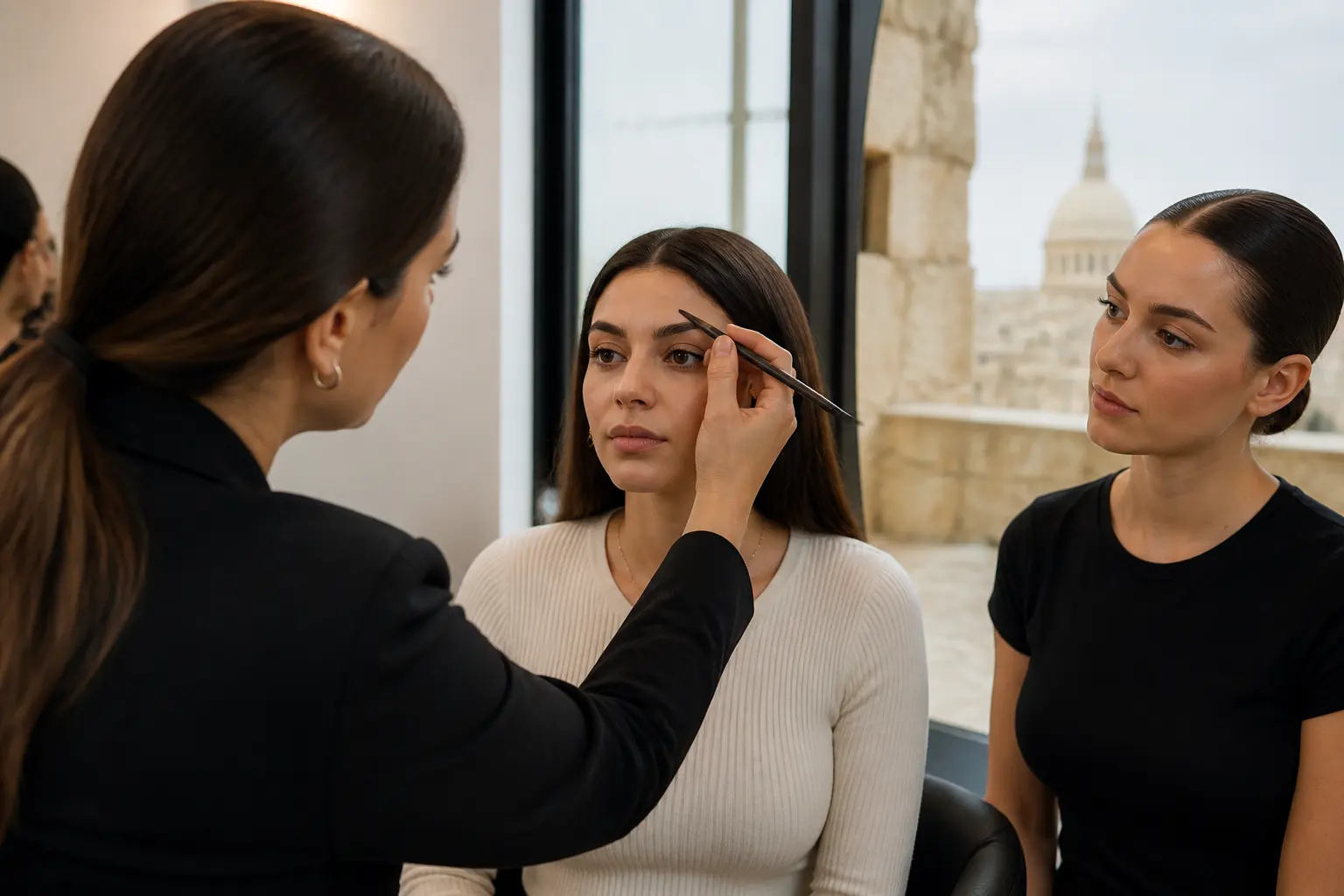
Your face shape can be a helpful starting point when choosing an eyebrow shape, but it should never become a strict rulebook. Round, square and oval faces each have different proportions, and a thoughtful brow design can work with those proportions to create balance. The most flattering result, however, also depends on your natural brow growth, facial features, hair density, skin condition and the look you feel most like yourself in.
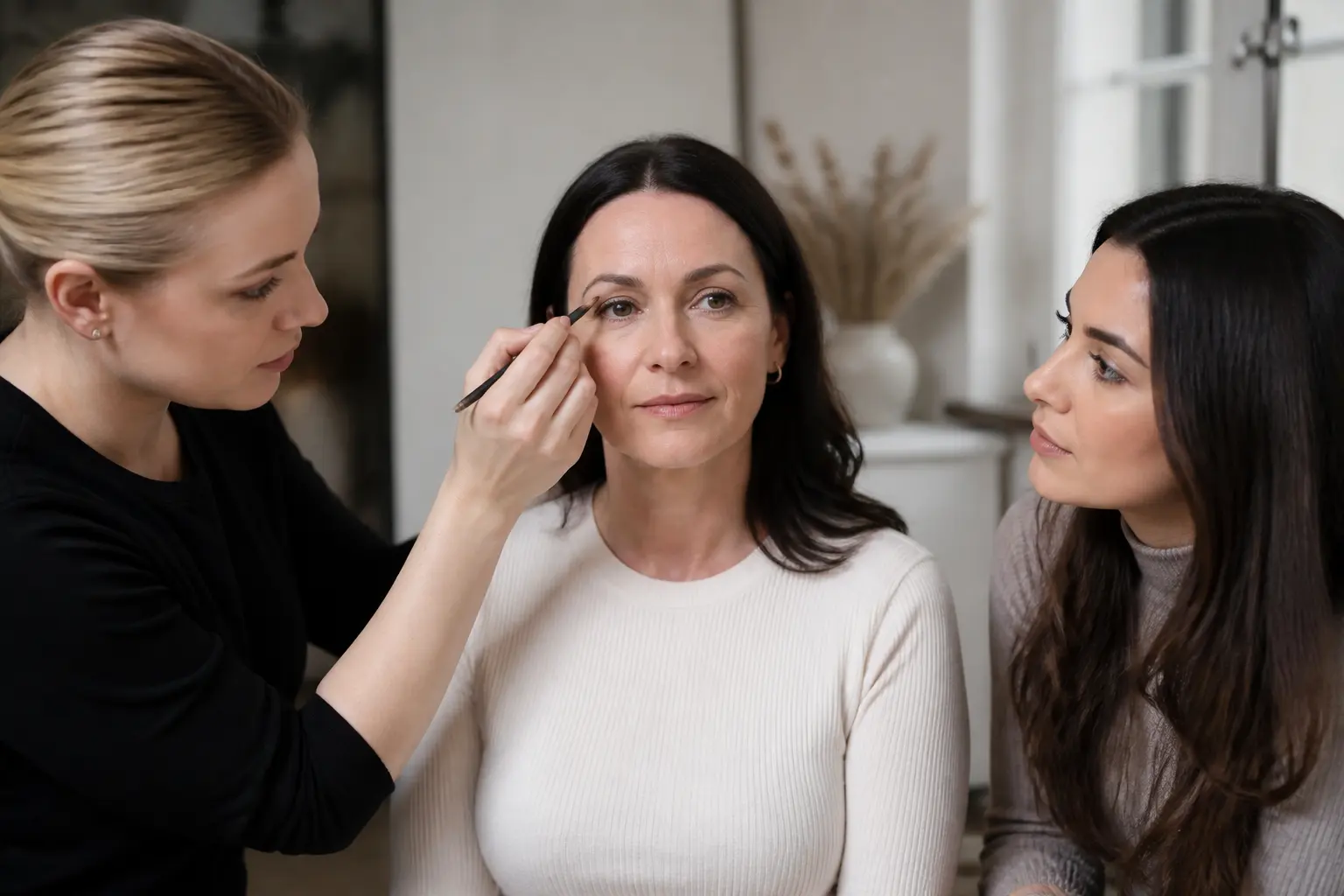
At a professional eyebrow studio, the aim is not to force every face into the same high arch, straight brow or dramatic curve. It is to refine what is already there with precision. A brow shape that feels balanced should complement your face without making your features look overly sharp, too rounded or unlike you.
This guide explains how face shape can influence eyebrow design decisions for round, square and oval faces, what to avoid when choosing a shape from a trend photo, and why an in-person assessment remains so important.
Why face shape matters in eyebrow design
Eyebrows sit at the centre of the face and frame the eyes. Small changes in the start point, arch, thickness, tail and direction of the hairs can alter the way the face appears. This is why eyebrow design is more than simply removing stray hairs.
Face shape is one useful visual reference. It can help a brow artist consider whether the overall effect would benefit from a little more lift, a softer curve or a more elongated line. For example, a rounded face may suit an arch that adds gentle definition, while a face with a stronger jawline may benefit from a brow with less angularity.
That said, face shape is only one part of the decision. Two people with round faces can have very different eyes, foreheads, cheekbones and natural brow patterns. A copied shape may look beautiful on one person and feel unbalanced on another. The best eyebrow design responds to the person in the chair, not just to a label.
First, understand the main brow design elements
Before looking at specific face shapes, it helps to understand the elements a professional considers during a brow appointment.
The brow start
The start is the inner part of the eyebrow, closest to the nose. If brows begin too close together, the centre of the face can look crowded. If they begin too far apart, the features may appear less connected. A balanced start supports the eye area without looking harsh or overly drawn in.
The arch
The arch is the highest point of the eyebrow. It can be soft, gently raised or more defined, depending on the natural brow and desired effect. The correct position matters as much as the height. An arch placed too far towards the centre can create a surprised expression, while one placed too far out may make the brow look flat.
The tail
The tail is the outer end of the brow. Its length and direction can influence the overall visual width of the face. A tail that is too short can make the design feel unfinished. One that drops too low can make the eye area appear heavier. The goal is a clean, natural-looking finish that follows the individual facial structure.
Thickness and texture
Thickness should work with the amount of hair you naturally have and the scale of your facial features. A fuller brow does not automatically suit everyone, just as a very thin brow is not always the answer for a delicate face. Texture matters too. Some brows grow upwards, some downwards and some in several directions. Good design respects this growth pattern rather than fighting it.
Eyebrow shape for a round face
A round face usually has soft curves, fuller cheeks and a similar width and length. There may be less visible angle through the jawline. When designing brows for this face shape, the focus is often on introducing definition while keeping the result soft and believable.
A gentle arch can add structure
A softly lifted arch can create a little vertical movement and help define the upper part of the face. This does not mean every round face needs a high, sharp arch. A dramatic angle can look disconnected from naturally rounded features, especially when the brow hair itself grows in a flatter direction.
Instead, a professional may look for the natural highest point of the brow and clean around it carefully. The result can be a subtle lift that opens the eye area without creating an exaggerated expression.
Avoid making the brow too circular
Very rounded brows can sometimes repeat the face’s natural curves so closely that the overall effect lacks definition. This is not a reason to avoid softness altogether. It simply means the brow should usually have a clear beginning, an intentional arch area and a refined tail rather than one continuous rounded line.
Consider the tail for visual balance
A well-placed tail may help create a more elongated impression across the upper face. The right length depends on the eye shape, temple area and existing brow hair. Extending the tail with make-up can be useful between appointments, but removing extra hair to chase a temporary trend can make future shaping more difficult.
For many clients with round faces, the most wearable direction is a naturally full brow with a controlled, medium-soft arch. It creates definition without making the face look severe.
Eyebrow shape for a square face
A square face often has a more defined jawline, a broader forehead or a similar width through the forehead, cheeks and jaw. The visual goal in brow design is commonly to balance these stronger lines with considered softness, while still keeping enough shape to avoid a flat or heavy appearance.
Soft curves can balance stronger angles
A gentle curve or a softly structured arch may sit beautifully with a more angular jawline. Extremely sharp brows can sometimes make the face look more rigid because they repeat the strongest lines below. On the other hand, a brow that is too round or too flat may not provide enough definition for the upper face.
The most balanced option is often somewhere in the middle: an arch that is visible but not pointed, with a gradual transition from the brow body to the tail.
Keep the beginning of the brow natural
Overly squared brow fronts can look heavy, particularly when paired with a naturally defined jaw. A softer, brushed-through start can create a more relaxed finish. This is especially relevant for people who use brow pencils or pomades at home. A strong block of product at the front of the brow can change the expression more than intended.
Do not over-thin the brow
It can be tempting to remove more hair to make a defined face appear lighter. However, brows that are too thin may create a dated or unbalanced look, and repeated over-plucking can leave sparse areas. Maintaining an appropriate amount of natural fullness often gives the artist more to work with and helps the brow remain in proportion with the face.
For a square face, a softly angled brow that follows the natural hair pattern often creates a polished, balanced result. Precision around the underside and tail can make a meaningful difference without taking away the brow’s character.
Eyebrow shape for an oval face
An oval face is often described as balanced in proportion, with a slightly longer length than width and a softly rounded jawline. It can suit many eyebrow styles, but that does not mean every trend will automatically work. The brows still need to relate to the eyes, forehead, bone structure and natural hair growth.
Follow the natural brow line
For many oval faces, the most effective choice is to work with the natural brow line rather than making major changes. A gentle arch or soft angle can maintain harmony without adding unnecessary sharpness or width.
This can be especially useful if you already have a reasonably balanced brow shape but want a cleaner outline. Threading can remove fine hairs with precision, allowing the shape to be refined while preserving the fuller areas that give the brow its natural structure.
Watch the arch height
Because oval faces can carry different brow styles, there is sometimes a temptation to create a much higher arch. Yet an overly lifted shape can still look out of place if it does not match your eye placement or natural brow bone. A professional will assess where the brow naturally peaks and decide how much definition is appropriate.
Keep proportions consistent
Oval faces can look particularly harmonious with brows that have a clear but soft start, a controlled arch and a tapered tail. The key is proportion. The brow should frame the eye rather than dominate the entire face.
Face shape is a guide, not a fixed formula
Social media often presents face-shape advice as a simple formula: one brow shape for round faces, another for square faces and another for oval faces. In reality, this approach can be limiting. Your brows are influenced by much more than the outline of your face.
A professional design appointment should also consider:
- your natural brow density and areas of sparseness;
- the direction in which the hairs grow;
- the height and shape of your brow bone;
- eye shape, eyelid space and the position of the eyes;
- the balance between your forehead, cheeks and jawline;
- your usual make-up style, if you wear make-up;
- how much maintenance feels realistic for you;
- your personal preference for soft, defined, fuller or more minimal brows.
This is why a brow design should never make you feel as if you have been given someone else’s face. The goal is to create an intentional version of your own natural brow.
How professional threading supports personalised brow design
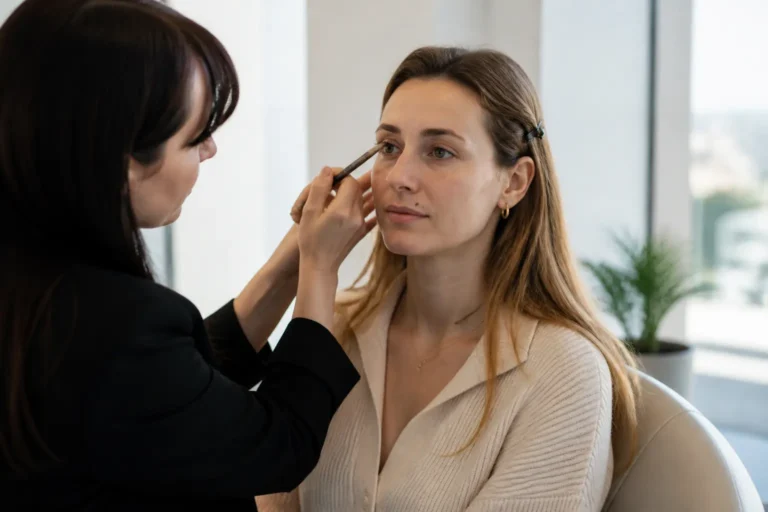
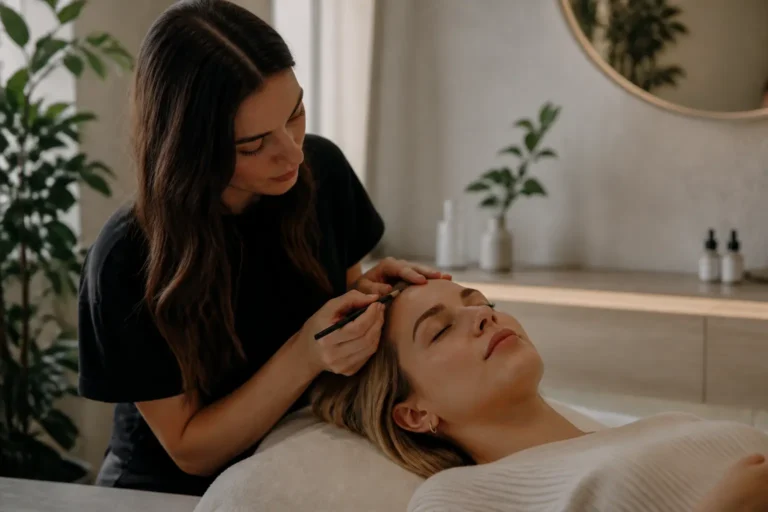
Threading is a precise hair-removal technique that uses a fine thread to remove unwanted hairs from the follicle. In a professional setting, it can be particularly helpful for eyebrow shaping because the artist can work in small, controlled sections.
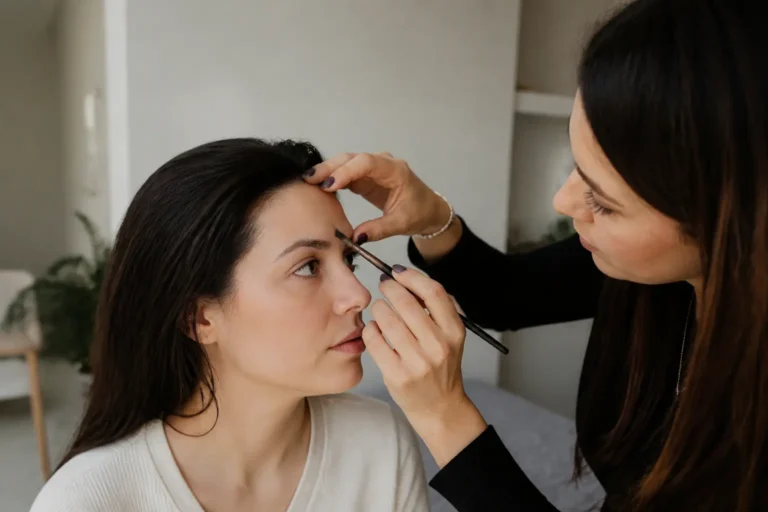
At Becammo, eyebrow design is approached through personal assessment and careful shaping. The artist considers the natural brow, facial proportions and the effect you want to achieve before refining the outline. Rather than following a one-size-fits-all template, the aim is to make considered decisions about where to clean, what to preserve and how to create a shape that remains practical between appointments.
The thread used for the service is single-use. Cotton is the standard option, while polyester may be used for clients with a cotton allergy. Hygiene, consultation and aftercare are all part of a responsible professional experience.
Threading can cause temporary sensitivity or mild redness, particularly if your skin is reactive. If you use active skincare products around the brow area, have irritation, or are unsure whether it is the right time to book, mention this before your appointment so the team can guide you appropriately.
What to bring to your brow appointment
You do not need to arrive with perfectly grown-out brows or a clear idea of every technical detail. It is helpful, however, to come with a sense of what you like and what has not worked for you in the past.
- Bring reference photos carefully. They can show whether you prefer a fuller, softer, straighter or more defined finish. Treat them as inspiration, not an exact template.
- Explain your brow history. Mention if you have over-plucked, are growing out sparse areas, have had tint, henna, lamination or semi-permanent work, or usually use make-up to fill gaps.
- Say how much upkeep you want. A shape that looks beautiful immediately after an appointment should also make sense for your everyday routine.
- Share your concerns. Perhaps one brow grows differently, the tails feel thin or you worry about losing too much fullness. These details help guide a more personalised design.
Maintaining a balanced brow shape at home
The easiest way to protect a well-designed brow is to avoid over-tidying it between appointments. Removing a few hairs can quickly affect symmetry, especially around the arch and tail where each hair has a role in the overall shape.
If you want to enhance your brows at home, use a light hand. Brush the hairs upward or into their natural direction, then add only small strokes where you have genuine gaps. Choose a shade that works with the depth of your natural brow hair rather than relying only on your head hair colour.
When you are ready for maintenance, a professional threading appointment can refresh the outline while keeping your longer-term brow goals in mind. Brow hair growth varies from person to person, but many people prefer to review their shape every few weeks rather than waiting until the design has completely grown out.
Conclusion: the right brow shape should still look like you
Round, square and oval face shapes can provide useful clues when planning an eyebrow design. A round face may benefit from gentle structure, a square face may suit softened definition, and an oval face can often carry a naturally balanced line. But the most important factor is always the relationship between your features, your natural brows and your personal style.
A professional threading appointment gives you space to make those decisions with care instead of trying to reshape your brows alone in the mirror. If you are in Malta and would like guidance on a brow shape that feels balanced, natural and suited to you, choose your preferred Becammo location in Sliema or Swieqi and book an eyebrow design appointment.
Frequently asked questions
Can I change my eyebrow shape completely to suit my face shape?
Some changes are possible, but your natural hair growth sets practical limits. A professional can refine the outline, adjust the arch and preserve or encourage a more balanced direction over time. Major changes may require patience, particularly if parts of the brow are sparse from past over-plucking.
Is a high arch best for a round face?
Not always. A gentle, well-positioned arch can add definition, but an arch that is too high or sharp may look unnatural. The right level of lift depends on your brow bone, eye shape and natural hair pattern.
Should square faces avoid angled brows?
No. A square face can suit an angled brow very well. The difference is usually in the softness of the angle. A gradual, controlled arch may create balance more naturally than a very pointed shape.
Does an oval face suit every eyebrow trend?
Oval faces are often versatile, but trends still need to work with your own proportions and natural brow growth. A shape that looks good online may not suit your eyes, forehead or preferred level of maintenance.
Can threading help if my brows are uneven?
Threading can help refine uneven brows by cleaning around the existing shape with precision. Perfect symmetry is not always realistic because natural facial features and hair growth are rarely identical on both sides, but thoughtful design can create a more balanced overall appearance.
How often should I book eyebrow threading?
Maintenance timing varies with your hair growth and the look you want to maintain. Many clients choose appointments every few weeks, but your brow artist can suggest a rhythm that suits your natural regrowth and desired level of definition.