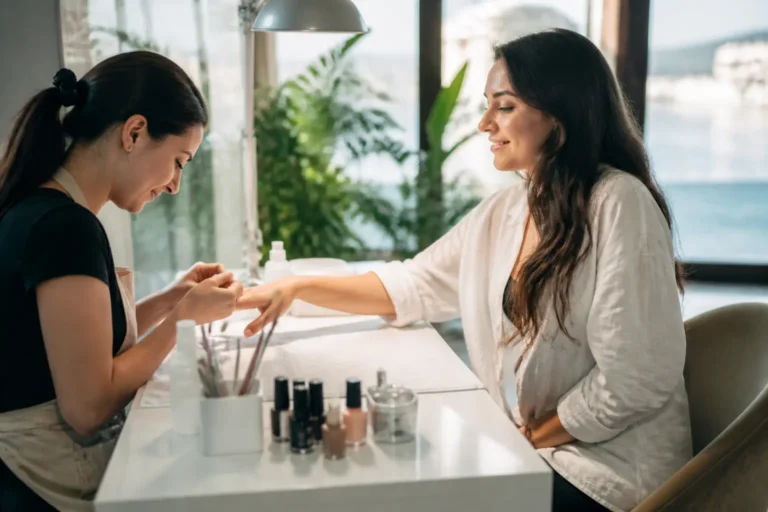
Men’s Manicures and Pedicures: Grooming Basics Gaining Ground
Brenda Cammo Team
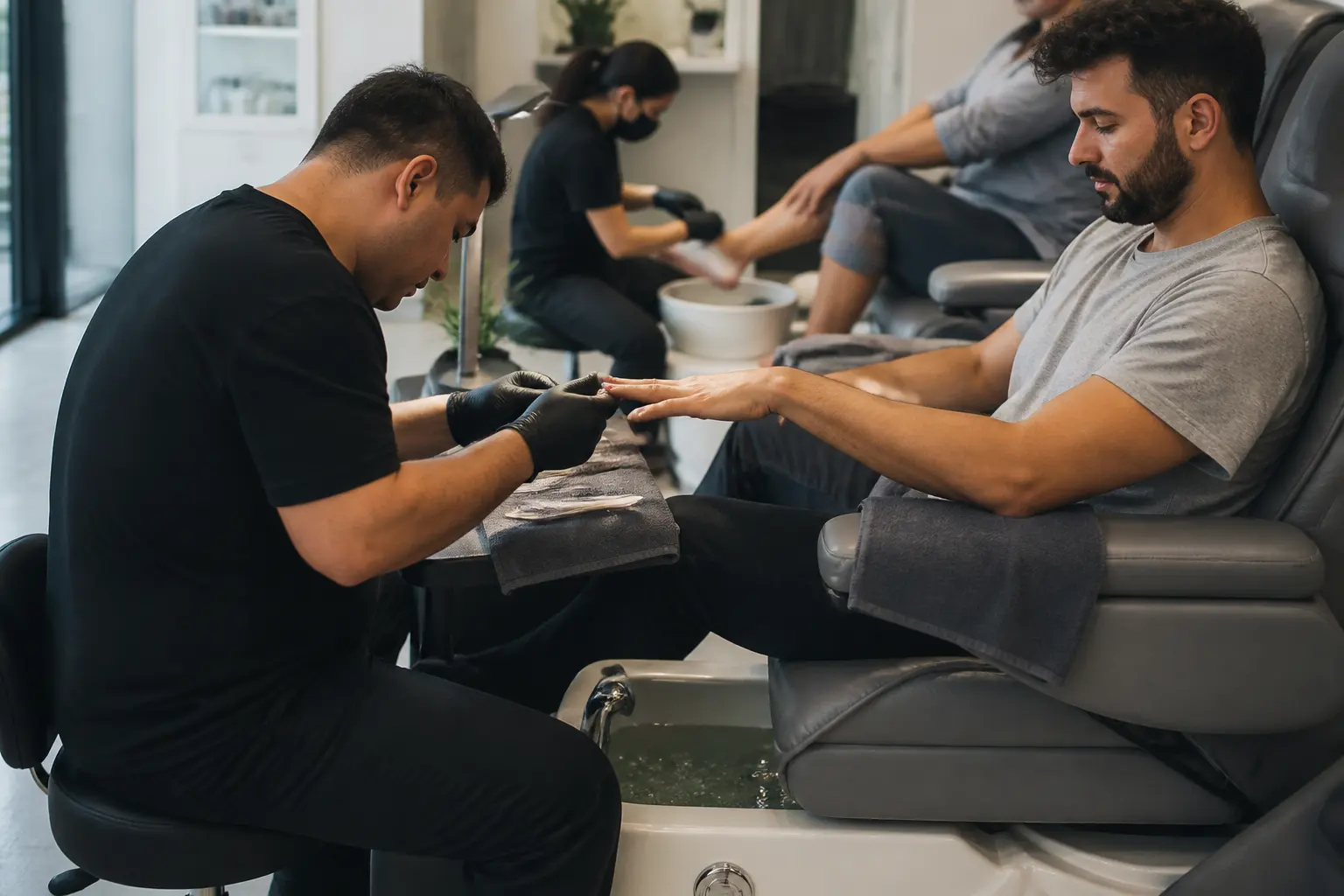
A men’s manicure and pedicure is not about fitting into a particular look. It is straightforward personal grooming: keeping nails neat, smoothing rough edges, caring for dry skin and making hands and feet feel more comfortable. For many people, it is also a welcome pause from busy work, travel, training and everyday routines.
Interest in professional nail care for men is becoming more visible because the benefits are practical. Well-kept hands can feel more polished in client-facing work, while a pedicure can help manage dry heels, untidy toenails and the general wear that comes with sandals, sport or long days on your feet. You do not need to choose colour, nail art or a dramatic finish to book. A clean, natural result is a completely valid goal.
At a professional studio, the appointment should be tailored to your preferences, nail condition and comfort. Here is what a first men’s manicure or pedicure can involve, how to prepare, and when it is sensible to pause and seek medical advice instead.
What is included in a men’s manicure?
A manicure focuses on the fingernails and the skin around them. The aim is normally tidy, comfortable, natural-looking hands rather than changing their appearance. The exact steps vary by service and salon, but a professional manicure commonly includes nail shaping, careful attention to rough edges, skin care and a moisturising finish.
If you work with your hands, spend time at the gym, play an instrument, cook, travel frequently or simply dislike snagged nails, these small details can make a noticeable difference to everyday comfort. A manicure can also be a helpful reset if you have been biting your nails, picking at the surrounding skin or relying on quick trims at home.
A natural finish is often the starting point
Many first-time clients ask whether a manicure automatically means polish. It does not. You can request a simple groomed finish with short, clean, evenly shaped nails and moisturised hands. If you would like colour later, that is a separate style choice, not a requirement.
A natural manicure is especially useful for anyone who wants their hands to look considered without drawing attention to the service itself. The result should still look like your hands, only cleaner and better maintained.
What is included in a men’s pedicure?
A pedicure is professional care for toenails and feet. It is often appreciated by people who are on their feet for work, wear closed shoes for long periods, train regularly, travel in warm weather or notice dry, rough areas on their heels. In Malta, where sandals are part of daily life for much of the year, regular foot grooming can feel particularly useful.
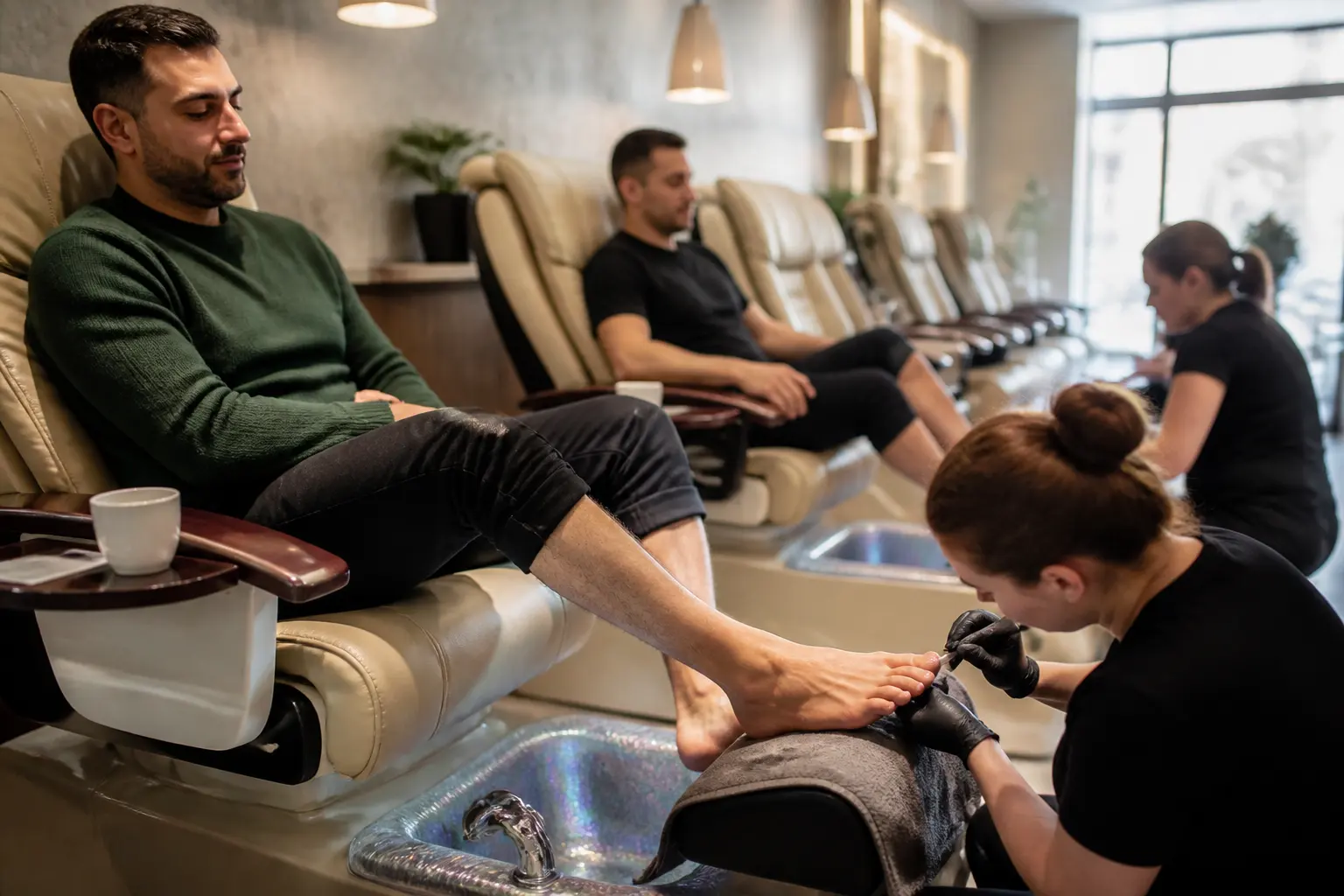
A salon pedicure may include toenail trimming and shaping, smoothing rough nail edges, attention to dry surface skin and a moisturising finish. As with a manicure, you can ask for a natural result. There is no expectation to wear polish.
One important distinction matters: a beauty pedicure is not a medical foot treatment. A professional nail technician can provide cosmetic grooming and comfort-focused care, but concerns such as persistent pain, swelling, broken skin, a suspected infection or a significant change in nail colour or shape should be assessed by an appropriate healthcare professional.
Why professional grooming can be easier than doing it yourself
At home, it is easy to rush through nail care with blunt clippers, file too aggressively or cut toenails into the corners. A professional appointment gives you time, suitable tools and a more even finish. It also makes it easier to notice details that are difficult to manage alone, particularly on the feet.
Professional standards matter. Before booking, it is reasonable to look for a clean environment and to ask how tools and work areas are prepared between clients. The American Academy of Dermatology’s guidance on manicure and pedicure safety recommends paying attention to salon cleanliness and tool hygiene. It also advises against cutting or forcefully pushing back cuticles, which form a protective barrier around the nail.
At Becammo, nail services are available exclusively at the Sliema studio. A professional consultation at the start of the appointment is the right moment to explain what you want, whether that is a short natural shape, help with rough heels, a tidy-up before a holiday, or simply a clean and understated finish.
What to ask for at your first appointment
You do not need to know nail terminology to book. Clear, everyday language is enough. Try one of these requests:
- “I would like a clean, natural manicure with short nails.”
- “Please keep the shape simple and practical for work.”
- “I do not want polish, just neat nails and moisturised hands.”
- “My feet are dry from walking and training. I would like a tidy, comfortable pedicure.”
- “I wear sandals often and want my toenails and heels to look more presentable.”
Be honest about anything that affects comfort. Let the technician know if a nail is tender, if you have recently injured a finger or toe, if you have sensitivity to fragranced products, or if there is an area you would prefer them to avoid. Good grooming is collaborative, not something you have to endure silently.
How to prepare for a men’s manicure or pedicure
Preparation is simple. Arrive with reasonably clean hands or feet and, where possible, without products that may conceal the condition of the nails. Avoid cutting your nails extremely short immediately before the appointment. Leaving a little length gives the technician room to create an even, comfortable shape.
For a pedicure, choose footwear that is easy to put back on. If you are having polish applied, open footwear is useful, but it is not relevant for a natural finish. If you have been at the beach, in the gym or on a long walk, washing your feet before your appointment is a considerate step for both you and the technician.
It is also wise not to shave the lower legs immediately before a pedicure. The American Academy of Dermatology advises leaving at least 24 hours, as small nicks can increase the risk of irritation or infection in a salon environment. Read the full safety advice here.
Simple nail care between appointments
A professional appointment works best alongside a low-effort routine at home. You do not need a shelf full of products. Consistency matters more than complexity.
Keep nails clean and dry
Wash hands and feet as part of your normal routine, then dry thoroughly, including around the toes. Keeping nails clean and dry is a basic habit that supports everyday hygiene. The American Academy of Dermatology’s healthy nail guidance also recommends keeping nails shaped and free from snags.
Trim with a practical shape
For fingernails, a mostly straight trim with gently softened corners is often strong and easy to maintain. Toenails should generally be cut straight across rather than deeply rounded into the sides. This can help reduce the chance of uncomfortable ingrown corners. Use a file to smooth sharp edges, filing in one direction rather than sawing back and forth.
Moisturise hands, feet and cuticle areas
Dryness can make the skin around the nails look rough and feel uncomfortable. Apply hand cream after washing your hands and use a richer foot cream when needed, particularly around the heels. Massage any remaining product lightly around the nail area, without cutting or aggressively pushing the cuticles.
Do not use nails as tools
Opening cans, scraping labels or prising items apart with your nails can lead to splitting, lifting and uneven edges. A small tool takes less effort than repairing a torn nail later. This is one of the simplest habits for keeping a manicure looking tidy for longer.
Choosing the right frequency
There is no universal timetable. The best interval depends on how quickly your nails grow, how active you are, your work routine and the finish you prefer. Some people book before a holiday, a wedding or an important event. Others make nail care part of their regular self-maintenance.
A useful sign is comfort. If your nails start catching on fabric, the skin around them feels dry, your feet become rough or your toenails no longer look neat in open shoes, it may be time for a refresh. Booking before things feel overdue often makes the appointment more relaxed and easier to maintain.
When to postpone a salon appointment
Professional grooming should be enjoyable and appropriate for your current nail and skin condition. Postpone and seek advice from a qualified healthcare professional if you have an open wound, substantial redness or swelling, unexplained pain, bleeding, a suspected fungal issue, or a nail that has changed markedly in colour, thickness, texture or shape.
This is not about alarm. Many nail changes have straightforward causes, but it is better not to cover them with cosmetic services before understanding what is happening. The American Academy of Dermatology advises seeking medical assessment for notable changes to the colour, texture or shape of a nail.
Professional grooming without the pressure to perform
Men’s manicures and pedicures are best understood as flexible grooming services. There is no single standard of what your hands and feet should look like, and no need to adopt a style that does not feel like you. The appointment can be quiet and practical, or it can be a chance to enjoy a little more care than your usual routine allows.
The most useful outcome is often the simplest one: nails that feel smooth, skin that feels cared for and feet that are ready for everyday life in Malta. If you are unsure which nail service suits you, ask questions when booking and explain that it is your first visit. At Becammo’s Sliema studio, you can choose a service that fits your routine and your preferred level of finish.
Frequently asked questions
Do men get manicures and pedicures without polish?
Yes. Many clients choose a natural finish only. This can include trimming, shaping, smoothing rough edges and moisturising, without any colour or shine.
Will a men’s manicure make my nails look shiny?
Not unless you choose a buffed or polished finish. Tell your technician you want a natural, matte or understated look, and they can guide the service accordingly.
How long should I grow my nails before a manicure?
You do not need to grow them long. A small amount of length is helpful for shaping, but short nails are perfectly suitable for a professional manicure.
Can I book a pedicure if my feet are rough from sport or walking?
Yes, cosmetic foot care can be a useful option for everyday dryness and roughness. However, if you have pain, broken skin, swelling or a possible infection, postpone the appointment and seek appropriate medical advice first.
Should I cut my cuticles at home?
It is better not to cut or forcefully push them back. Cuticles help protect the area around the nail. Moisturising them regularly is a gentler way to improve their appearance.
Where can I book nail services at Becammo?
Nail services are offered exclusively at the Sliema studio. Use the online booking system on the Becammo website to review the available options, or contact the studio with any questions before choosing your appointment.