Brow Lamination for Mature Brows: Direction and Balance
Brenda Cammo Team
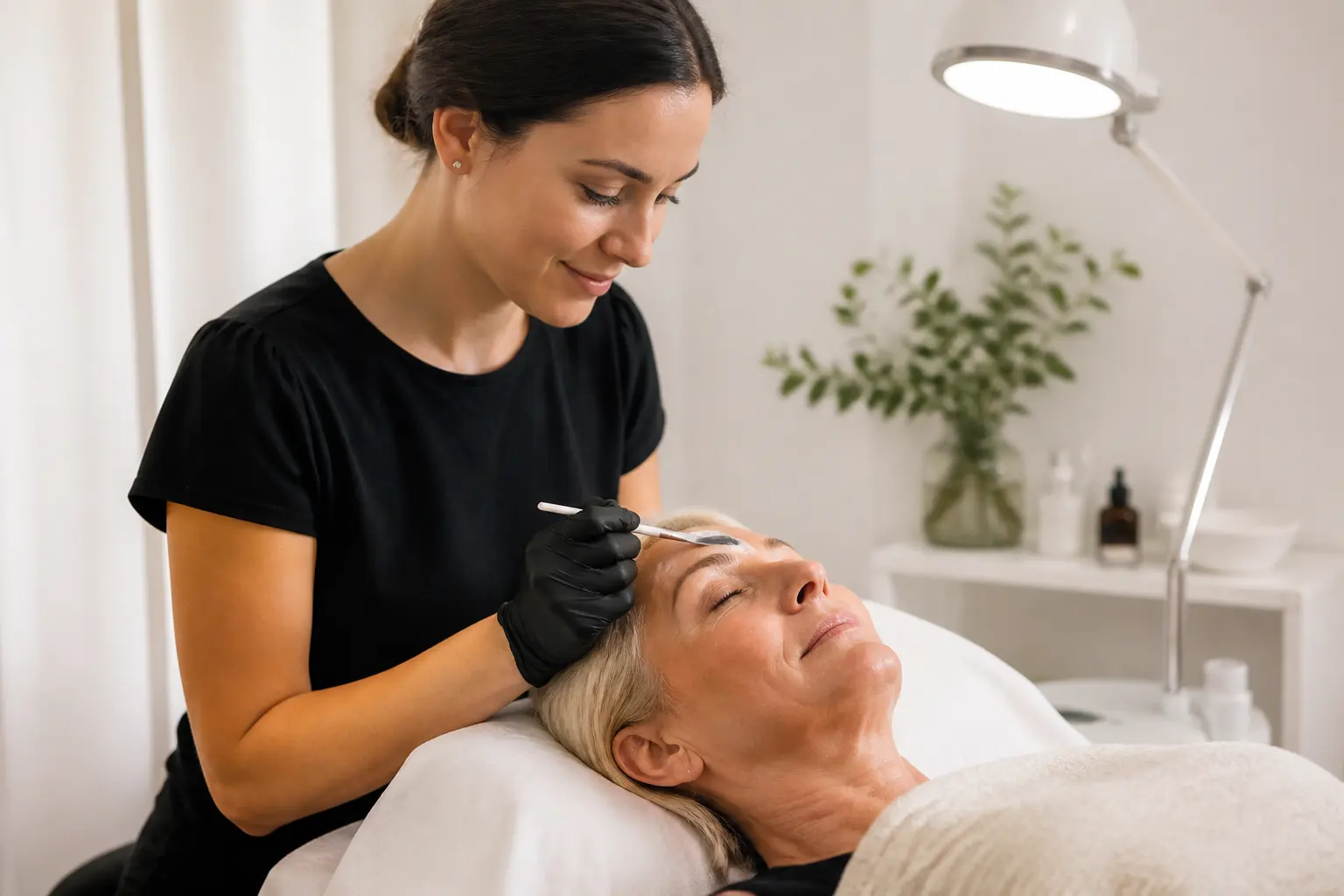
Brows often change gradually. The hairs may become finer, grow in different directions, sit flatter than they once did or leave small spaces that feel more noticeable in photographs and everyday light. If this sounds familiar, brow lamination for mature brows can be a thoughtful way to bring more direction and softness to the overall shape without committing to a heavily drawn-on look.
The key is expectation. Brow lamination does not grow new hairs or replace hairs that are no longer present. What it can do is help the hairs you have lie in a more intentional direction. With professional shaping and a personalised plan, that can make the brow line look more even, lifted and easier to maintain day to day.
At Becammo, the aim is never to force every client into the same full, brushed-up brow trend. Mature brows deserve a design that respects their natural density, facial features, skin and preferred level of definition.
Why mature brows can start to look less defined
There is no single version of a mature brow. Some people keep strong density but find that the hairs become wirier or harder to control. Others notice a lighter tail, a less distinct arch or small gaps through the front and middle of the brow. Previous over-plucking, natural changes in hair growth and years of styling habits can all influence how the brow sits.
For many clients, the challenge is not simply having fewer hairs. It is that the remaining hairs no longer work together visually. A few hairs may point down, cross over one another or lie flat against the skin, which can make the brow look narrower than it really is.
This is where direction matters. When hairs are guided upwards, outwards or diagonally in a way that follows the natural brow pattern, they can cover more of the brow area visually. The result is not a new brow, but a clearer presentation of the one already there.
What brow lamination can do for mature brows
Brow lamination is a professional brow service that helps make the hairs more flexible, then sets them into a chosen direction. The effect can range from subtle and polished to softly fluffy, depending on the hair pattern and the finish you want.
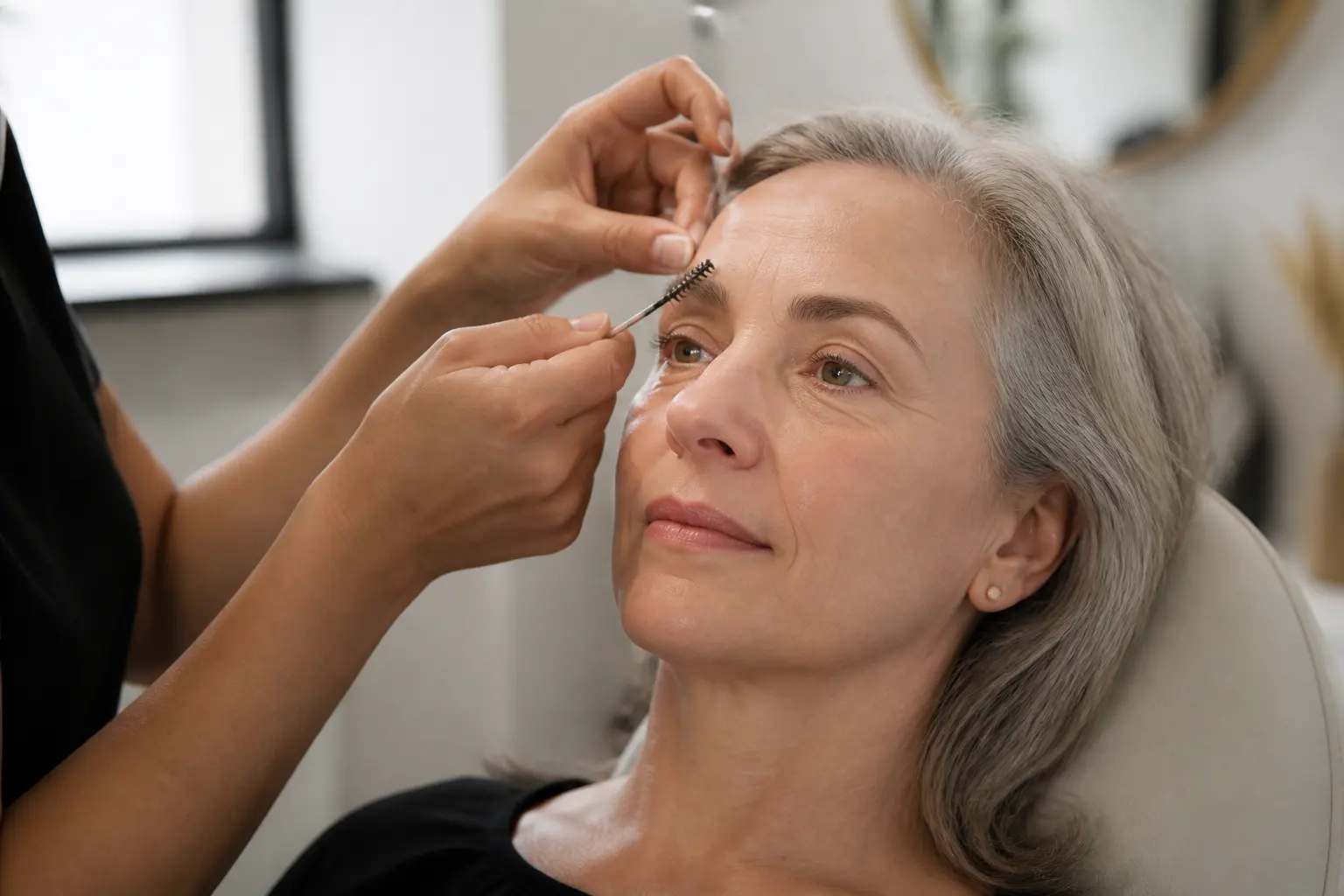
For mature brows, a successful lamination is often less about dramatic height and more about controlled placement. Rather than brushing every hair straight up, the therapist can use direction to create a balanced line that suits your face.
- It can guide unruly hairs. Hairs that twist, drop or grow across the brow can be placed more neatly.
- It can make existing density work harder. Spreading suitable hairs across the brow line may soften the appearance of minor unevenness.
- It can create a more open-looking brow area. A gentle lift through the front and arch may add definition without making the result severe.
- It can reduce daily styling time. Many clients find their brows easier to brush into place after the service.
Results vary from person to person. Hair texture, density, previous brow work and aftercare all influence the finish and how it wears over time.
Can lamination fill gaps in mature eyebrows?
It is more accurate to say that lamination can soften the appearance of some gaps, rather than fill them. If there are nearby hairs with enough length and flexibility, careful placement may help distribute them across a sparse-looking area. This can create a more continuous visual line.
However, lamination cannot produce hairs where there are none. A completely bare patch, a very sparse tail or a section affected by significant hair loss will still need a different approach if you would like added definition. In some cases, a light brow pencil, powder or other suitable cosmetic product can complement the laminated shape. A consultation is useful when you are considering a semi-permanent brow option and want to understand what may suit your goals.
It is also important not to assume that every change in brow density is cosmetic. If eyebrow hair loss is sudden, patchy, accompanied by irritation or happening alongside hair loss elsewhere, it is sensible to speak with a qualified healthcare professional before booking a cosmetic service. The American Academy of Dermatology overview of hair loss types notes that some forms of hair loss can affect the eyebrows.
The best brow direction is rarely straight upwards
The popular laminated brow image is often very vertical at the front, with every hair standing high. That look can be beautiful on the right person, but it is not the only option and it is not automatically the most flattering one for mature brows.
A softer technique can be especially useful when you want definition without an overly bold finish. During a professional appointment, direction can be adjusted across three key areas.
The front of the brow
The front can be lifted gently rather than pushed straight up. This avoids a block-like start and helps maintain a light, natural transition into the brow.
The arch
At the arch, hairs can be encouraged to travel up and slightly outwards. This is often where controlled direction makes the brow look more organised, especially when individual hairs tend to curl or sit unevenly.
The tail
The tail usually benefits from a more horizontal or slightly lifted direction, not a dramatic upward sweep. Keeping this area refined can help the brow look balanced and prevent a sparse tail from appearing more exposed.
These choices are why a personalised service matters. Your brow pattern, facial proportions and comfort with definition should lead the design, rather than a one-size-fits-all trend.
How professional shaping works alongside lamination
Lamination changes direction. Brow shaping creates clarity. Together, they can make mature brows feel tidier while preserving the hairs that contribute to fullness.
Threading is particularly useful for detailed brow work because it can remove unwanted hairs around the brow line with precision. At Becammo, brow design is approached with mapping and an understanding that brow shapes should be adapted to the individual, including different ethnic hair patterns and natural levels of density.
For mature brows, this usually means avoiding unnecessary removal. Chasing a very sharp, narrow outline can reduce the softness that helps the brow look balanced. Instead, the focus may be on clearing obvious stray hairs, refining the line where needed and keeping enough fullness through the body of the brow.
A well-designed mature brow does not need to look heavier. It needs to look intentional.
If you already have regular threading appointments, lamination can be considered as an additional styling service when you want more hold and direction. If you are new to brow treatments, explain your usual routine and how natural or defined you would like the result to feel.
Who may enjoy brow lamination for mature brows?
Brow lamination may be worth considering if you recognise one or more of these concerns:
- Your brow hairs grow in mixed directions and are difficult to brush into place.
- Your brows look flatter or narrower without brow gel.
- You have small uneven areas, but enough surrounding hair to work with.
- You want a more polished brow shape while keeping a natural appearance.
- You spend time each morning trying to lift the brow front or settle wiry hairs.
It may be less suitable to proceed immediately if the skin around your brows is irritated, broken, sunburnt or reacting to another product. Tell your therapist about any recent sensitivity, active skin concern, previous reaction to brow products or use of strong skincare near the area. A professional should assess whether it is appropriate to continue or whether it is better to wait.
Cosmetic reactions can occur with a range of products. The NHS guidance on hair dye reactions explains why following product instructions and taking previous reactions seriously matters. If you have had a known reaction to a cosmetic product, share that information before your appointment rather than trying a new product at home.
How to prepare for an appointment
Preparation does not need to be complicated, but clear communication helps the appointment run smoothly and supports a result that feels like you.
- Arrive with your brow goals in mind. Consider whether you prefer soft grooming, a lifted effect or more visible definition. Reference photos can be useful when they show the style rather than asking to copy another person’s brow exactly.
- Be honest about your routine. Mention any brow tinting, home lamination kits, growth serums or recent treatments around the eye area.
- Flag sensitivity early. Tell the studio about previous cosmetic reactions, current irritation or medications and skincare products that may affect the area.
- Allow the design to be adapted. A therapist may recommend a softer direction or a more conservative shape based on the condition and density of your brows.
Maintaining a soft, polished result
After lamination, your therapist will give you service-specific aftercare. Follow it closely, especially during the first days when the brows are settling. Avoid assuming that more product equals better hold. Heavy layers of brow gel or unsuitable products can make hairs look stiff, flaky or weighed down.
At home, use a clean spoolie to guide the hairs into the direction shown at your appointment. A few seconds of gentle brushing can help keep the finish neat. If your brows have naturally fine hairs, a lighter touch is often more elegant than trying to create maximum volume every day.
Maintenance timing should be based on how your hair and skin respond, not on a fixed social media schedule. Give the brow hairs and surrounding skin appropriate time between services, and ask your therapist when a repeat appointment is sensible for you.
Choosing between lamination, daily make-up and semi-permanent brows
These options solve different concerns, and they can sometimes work well together.
| Option | Best for | What it cannot do |
|---|---|---|
| Brow lamination | Guiding existing hairs and creating a tidier, fuller-looking direction | Create new hairs in bare areas |
| Daily brow make-up | Adding temporary depth or definition where you want it | Change the direction of natural hairs for long |
| Semi-permanent brow consultation | Discussing options when you want more lasting visual definition | Replace the need for individual assessment and aftercare |
For someone with mature brows, the right choice depends on what is bothering you most. If your main concern is unruly direction, lamination may be enough. If your concern is a visible lack of hair in a particular area, make-up or a consultation about semi-permanent options may be more relevant. There is no need to choose a more intensive option when careful design and styling already meet your needs.
Conclusion
Brow lamination for mature brows is not about chasing a dramatic trend. Done with restraint, it can help existing hairs sit in a more flattering direction, soften the look of minor gaps and bring calm structure to an eyebrow shape that has become harder to manage.
The most natural-looking result comes from working with what your brows can genuinely do. At Becammo, you can book a Brow Lamination appointment and discuss a finish that suits your features, hair pattern and routine. Choose the Sliema or Swieqi location when booking through the Becammo online booking system.
Frequently asked questions
Will brow lamination make mature brows look too bold?
Not necessarily. The finish can be tailored. A softer direction, controlled lift and careful shaping can create a polished effect without making the brows look overly dark or dramatic.
Can brow lamination help if my eyebrow tail is thin?
It may help if there are enough hairs nearby to guide and distribute. It cannot create hairs in an empty area, so the degree of improvement depends on your natural density.
Is threading included with brow lamination?
Threading and lamination have different purposes. Threading refines the shape, while lamination guides the hairs. Ask when booking if you would like to discuss combining them in one visit.
What if my brow hairs are grey or very fine?
Fine and grey hairs can still be assessed for lamination. Your therapist can advise on the likely finish and whether a subtle styling approach is the best fit for your brow texture.
Should I have lamination if I have sudden eyebrow hair loss?
It is best to seek advice from a qualified healthcare professional first, particularly if the loss is sudden, patchy or linked with irritation. A cosmetic appointment should not replace an assessment of a new health concern.