What to Wear and Expect at a Spa Massage Appointment
Brenda Cammo Team
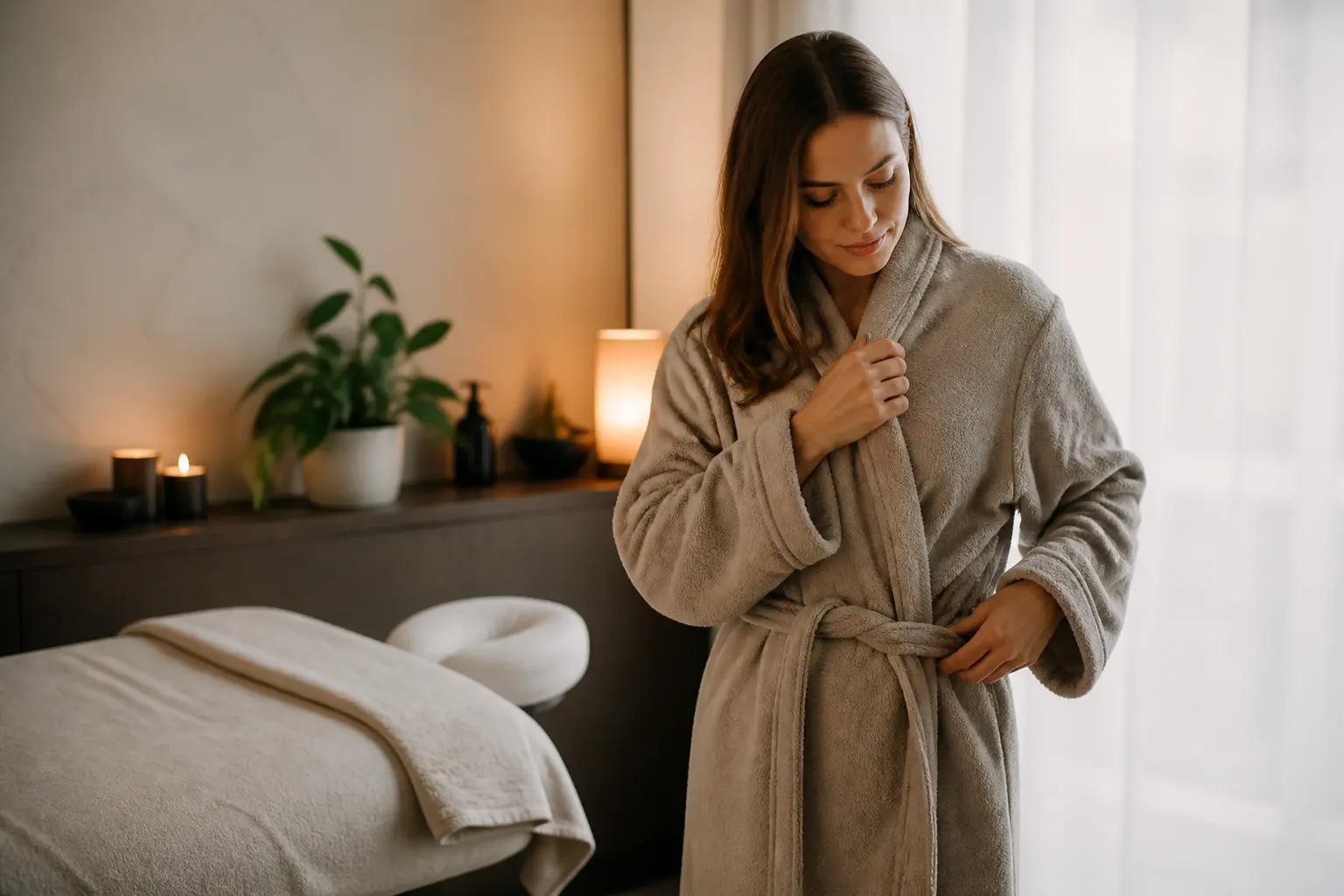
Booking a spa massage should feel like an opportunity to slow down, not another thing to worry about. Yet if it is your first appointment, practical questions can make the experience feel less straightforward: what should you wear, do you need to undress completely, what happens when you arrive, and is it acceptable to ask for lighter pressure?
The short answer is that you should wear whatever helps you arrive comfortably, and you should expect clear guidance from a professional therapist throughout the session. A massage is not about following a perfect etiquette rulebook. It is about creating a calm, respectful setting where your comfort, privacy and preferences are taken seriously.
Whether you are booking a relaxation-focused session, a sports massage, lymphatic drainage or reflexology, knowing the usual flow of an appointment can help you walk in feeling prepared. Here is what to wear to a massage appointment and what you can generally expect at a professional spa in Malta.
What should you wear to a massage appointment?
Choose clean, loose, comfortable clothes that are easy to take on and off. A soft T-shirt, relaxed trousers, leggings, a loose dress, joggers or comfortable shorts can all work well. You do not need to buy special clothing or dress up for a massage.
Your outfit matters most before and after the session. During the massage itself, the therapist will explain what level of undressing is appropriate for the service you have booked, then leave the room so you can get settled privately.
For many table massages, clients undress to their own comfort level and lie underneath a sheet or towel. Only the area being worked on should be uncovered at a time. This is often called draping, and it is an important part of maintaining privacy and warmth throughout the treatment.
If you prefer to remain partly dressed, tell the therapist. You may also keep underwear on if that feels right for you. A professional massage should never make you feel pressured to remove more clothing than you are comfortable with.
What about underwear?
Wear the underwear you would normally feel comfortable wearing under relaxed clothing. For treatments focused on the back, legs or glutes, some people prefer underwear that allows them to feel secure while making the treatment area accessible when appropriate. There is no single correct choice.
Your therapist should work within clear professional boundaries and explain how they will position towels or sheets. If you are uncertain about anything, ask before the massage begins. It is far easier to relax when expectations are clear.
Should you wear jewellery or make-up?
It is usually best to remove necklaces, larger earrings, watches and bracelets before a massage, especially if the session includes the neck, shoulders, arms or upper back. This prevents discomfort and avoids having to work around items that may catch or press against the skin.
Light everyday make-up is not normally a problem for a body massage. If your appointment includes facial massage or a facial element, arriving with minimal make-up can make preparation simpler. Tie long hair back or bring a hair tie if you would rather keep it away from your face and neck.
What to bring, and what to leave behind
A massage appointment does not require much preparation. Your studio will generally provide the treatment table, linen and any products used during the service. Focus on bringing the things that make your arrival easy.
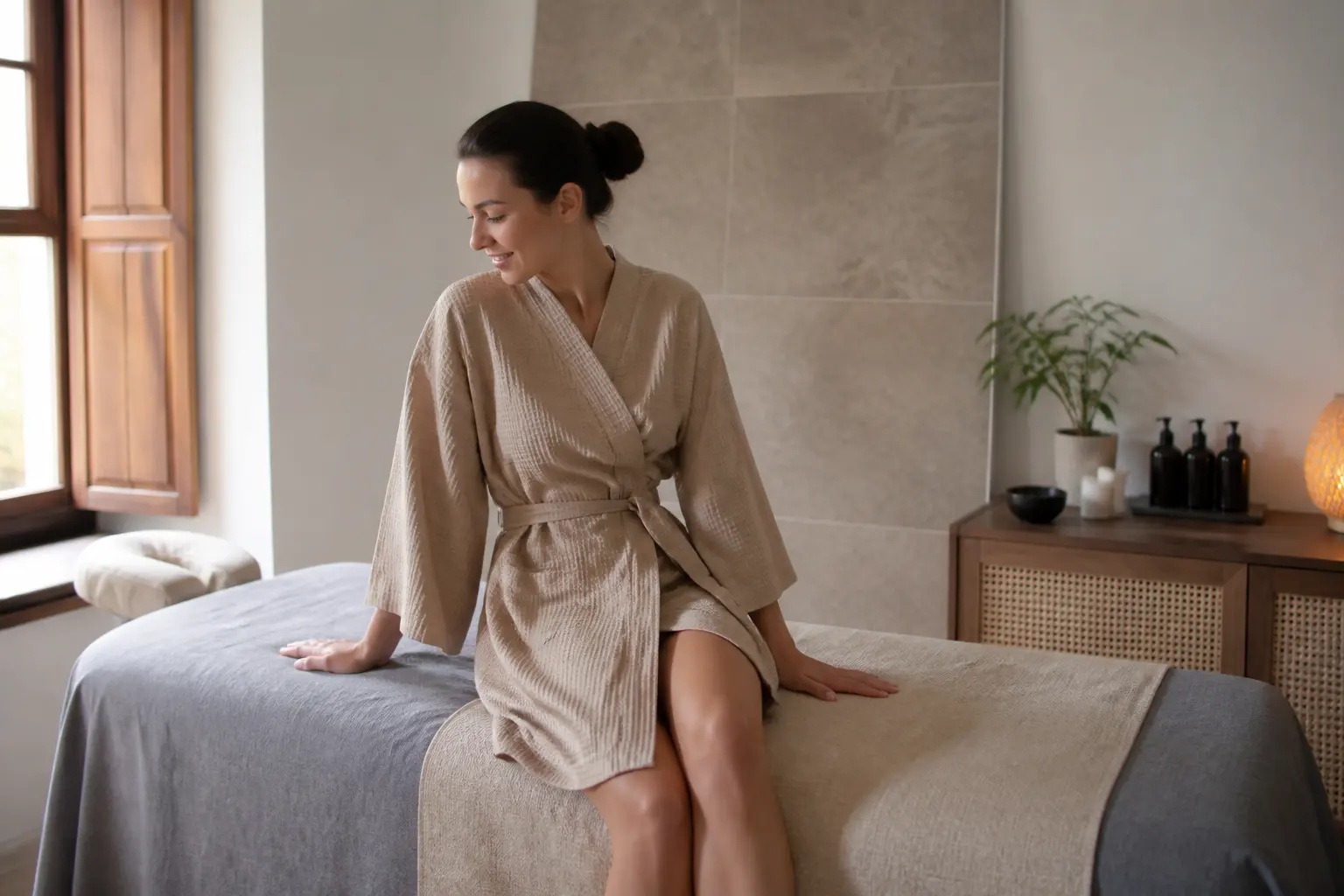
- Wear comfortable clothing for the journey home.
- Bring any glasses case if you wear glasses, as you will probably remove them during the session.
- Keep valuables to a minimum where possible.
- Have your booking details available if you need them.
- Arrive with any relevant questions you would like to discuss.
Try to avoid arriving in restrictive workwear if you can. Changing into your usual comfortable clothes afterwards can help the calm feeling of the appointment last a little longer, particularly if you have booked a massage to unwind after a busy day.
What happens when you arrive?
A professional massage appointment usually begins with a short welcome and consultation. This is the moment to share why you booked and what you would like from the session. You might want general relaxation, help with a feeling of tightness around the shoulders, recovery after exercise, relief from a long day at a desk, or focused attention on the feet.
The therapist may ask questions about your preferences, including areas you would like them to focus on, areas you would rather avoid, and your preferred pressure. Be honest. Asking for gentle, moderate or firmer pressure is useful information, not a criticism.
You should also mention relevant health information, skin sensitivity, recent injuries, pregnancy, allergies, medication or any concerns that could affect whether a particular massage is suitable. Where appropriate, the therapist may suggest adapting the session, postponing it or seeking advice from the healthcare professional who knows your circumstances. This is part of a responsible consultation, not an inconvenience.
Arrive a little early if you can
Arriving a few minutes before your scheduled time gives you space to settle without rushing. You may need to complete a consultation form, use the bathroom, switch your phone to silent and ask any last questions. A calm start supports a calmer session.
If you are running late, contact the studio as soon as possible. Depending on the schedule, the appointment may need to be shortened so that other clients are not delayed.
What happens during the massage?
After the consultation, the therapist will show you to the treatment room and explain how to get positioned. They will leave while you undress to your comfort level, lie on the table and cover yourself with the sheet or towel provided. When you are ready, you can let them know.
The room should feel private, clean and suitably comfortable. You may hear calming music, although the exact atmosphere varies by studio and service. The therapist will return, check that you are comfortable and begin the massage.
Depending on the massage style and your goals, the session may involve the back, shoulders, neck, arms, legs, hands, feet or scalp. A sports-focused massage may feel more targeted, while a relaxation massage may use slower, flowing movements. Reflexology concentrates on the feet, so you can usually remain dressed apart from shoes and socks. Lymphatic drainage and body-focused massage services can also have their own approach, which should be explained before treatment begins.
You can speak up at any point
Massage is not meant to be something you simply endure in silence. Let your therapist know if you are too warm or too cold, if the pressure is uncomfortable, if you would like more focus on a particular area, or if you need to change position.
There can be a difference between useful pressure and discomfort that feels wrong for you. Your therapist cannot fully judge your experience without your feedback. A simple “Could you use less pressure there?” or “That area feels tender today” is enough.
You are also allowed to be quiet. Some clients enjoy conversation, while others prefer to rest. Neither choice is rude. You can say at the beginning that you would like a quiet session, or simply respond naturally as the treatment unfolds.
Do you need to shave, exfoliate or prepare your skin?
No special beauty preparation is required for a massage. You do not need to shave your legs, exfoliate your skin or arrive looking a particular way. Massage appointments are professional services, and your therapist is focused on delivering the treatment with care and respect.
It can be helpful to arrive with reasonably clean skin and to avoid applying very heavy body oils immediately beforehand, as this may affect the products used during the session. If you have used a new body product and your skin feels irritated, mention it during the consultation.
Try not to have a very heavy meal or a large amount of alcohol immediately before your appointment. Feeling physically comfortable makes it easier to settle into the treatment. Drinking water as part of your normal routine is also a sensible choice, particularly on a warm Maltese day.
What should you expect after a massage?
At the end of the session, the therapist will let you know that the massage is complete and leave the room so you can get dressed in private. Take your time getting up. After resting on a treatment table, it can feel better to sit for a moment before standing.
You may feel calm, sleepy, refreshed or more aware of areas that had been holding tension. Experiences vary according to the type of massage, the pressure used, your daily activity and how your body responds that day. A therapist may offer simple aftercare guidance based on the service you received.
If you have booked a massage because of ongoing pain, a recent injury or a concern that is affecting your everyday movement, a spa session should not replace medical assessment. It is important to seek appropriate healthcare advice when symptoms are severe, persistent or worrying.
Massage etiquette that actually matters
Most massage etiquette comes down to respect, communication and punctuality. You do not need to know every spa custom in advance. The basics below are enough.
- Arrive on time, ideally a few minutes early.
- Silence your phone to protect your own downtime and the studio environment.
- Share preferences and relevant concerns honestly during the consultation.
- Respect the therapist’s professional boundaries and draping procedures.
- Tell the therapist if pressure, temperature or positioning is not comfortable.
- Follow any booking, deposit, cancellation or rescheduling policy communicated by the studio.
It is also perfectly acceptable to ask what is included in your particular service before booking. A clear question can help you choose the right appointment, especially if you are deciding between sports massage, body massage, reflexology or another spa option.
How to feel more comfortable if it is your first massage
First appointments can feel unfamiliar because they involve stillness, close professional contact and a setting outside your usual routine. A few small choices can make the experience easier.
- Book a time when you do not need to rush straight into another commitment.
- Wear clothes that feel soft and familiar.
- Tell the therapist it is your first massage if that is the case.
- Ask how the service will work before you get on the table.
- Start with your honest pressure preference, even if that is light pressure.
- Remember that you can ask questions or request an adjustment at any time.
There is no need to perform relaxation perfectly. Some people fall asleep, some notice their mind racing for the first few minutes, and some simply enjoy the quiet. Give yourself permission to settle at your own pace.
Choosing the right massage appointment for your needs
What you wear and what you experience can vary slightly with the type of service. A relaxation-focused spa massage may be a good choice when you want unhurried time to switch off. A sports massage may suit someone who wants a more targeted session around training and physical activity. A massage designed around tension in the neck, shoulders or back may be useful for people who spend long periods at a desk. Reflexology is focused on the feet, making it an approachable option if you would prefer to remain mostly dressed.
The best choice depends on what you hope to get from the appointment and how you are feeling on the day. If you are unsure, ask the studio which service is most appropriate for your goals. A professional team can explain the difference between available options without pressure to choose more than you need.
Conclusion
For a spa massage appointment, comfortable clothes, open communication and a little time to arrive calmly are all you really need. You will be guided through the practical steps, including getting ready in private, being properly covered during the session and sharing your pressure preferences.
At Becammo, massage and spa services are approached as personalised moments of care, with the treatment adapted around your comfort and the service you choose. If you are considering your first appointment or are unsure which massage option fits your routine, book a session or ask the team before you visit.
Frequently asked questions
Do I have to take all my clothes off for a massage?
No. You undress only to your comfort level. For many table massages, clients are covered with a sheet or towel and only the area being worked on is uncovered. You can discuss any concerns before the session begins.
Can I wear leggings to a massage appointment?
Yes. Leggings, joggers, loose trousers, a T-shirt or a comfortable dress are all suitable for arriving at and leaving a massage appointment. Your therapist will explain what clothing is appropriate to remove or keep on for the service you selected.
Should I talk during a massage?
That is entirely up to you. You should always speak up about pressure, temperature or comfort. Beyond that, you may enjoy conversation or prefer a quiet session.
What if the massage pressure is too strong?
Tell the therapist straight away. Pressure should be adjusted according to your comfort and the purpose of the massage. Clear feedback helps make the session more suitable for you.
Can I book a massage if I have an injury or health concern?
Tell the therapist about any injury, health concern, medication, pregnancy, allergy or skin sensitivity before treatment. Depending on the situation, the session may need adapting, postponing or discussing with a relevant healthcare professional first.
What should I do after a massage?
Take a moment before standing up, put on comfortable clothing and follow any individual aftercare advice given by your therapist. If you can, leave some space in your day to enjoy the relaxed feeling after your appointment.