Anti-Ageing Facials: What Realistic Results Look Like
Brenda Cammo Team
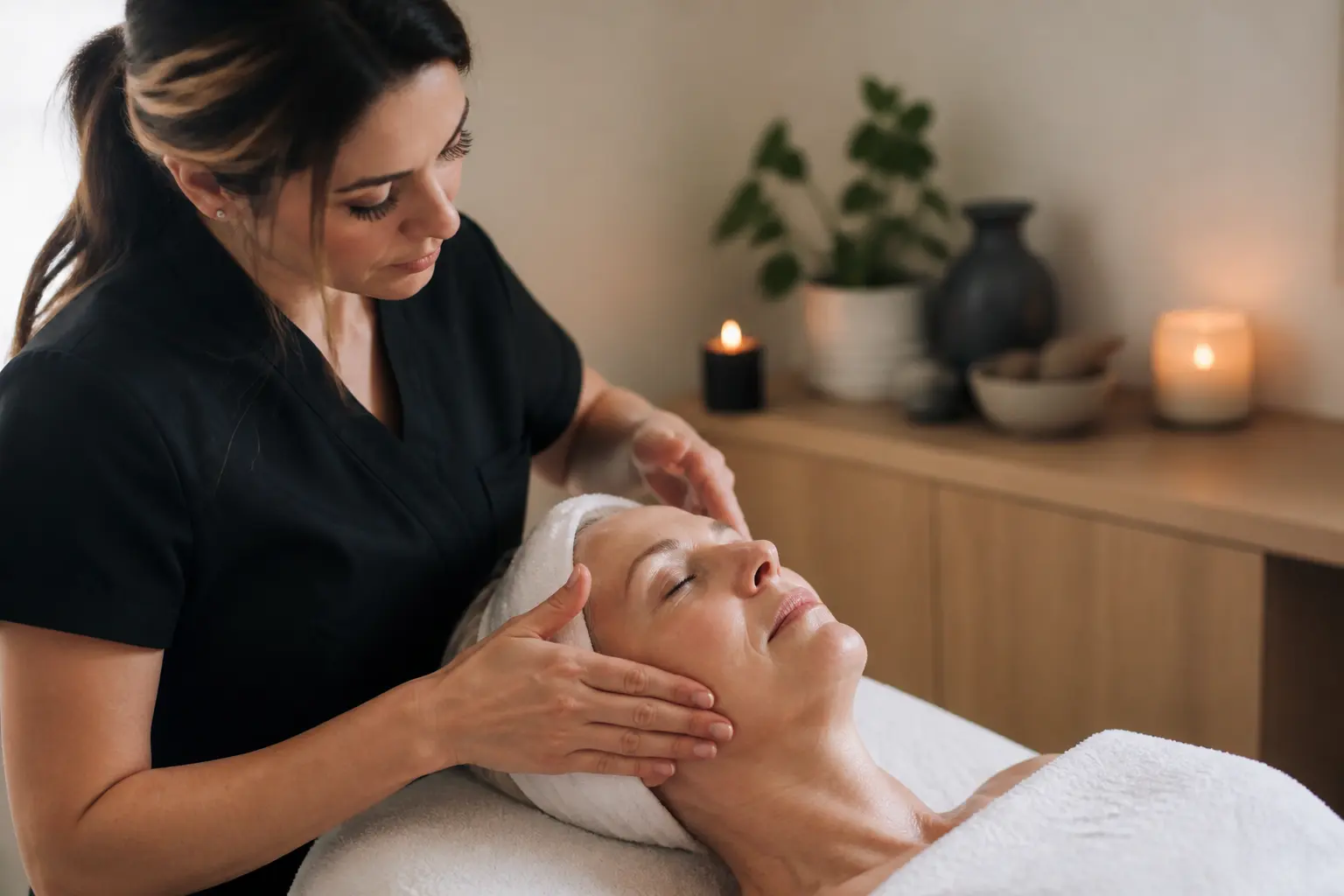
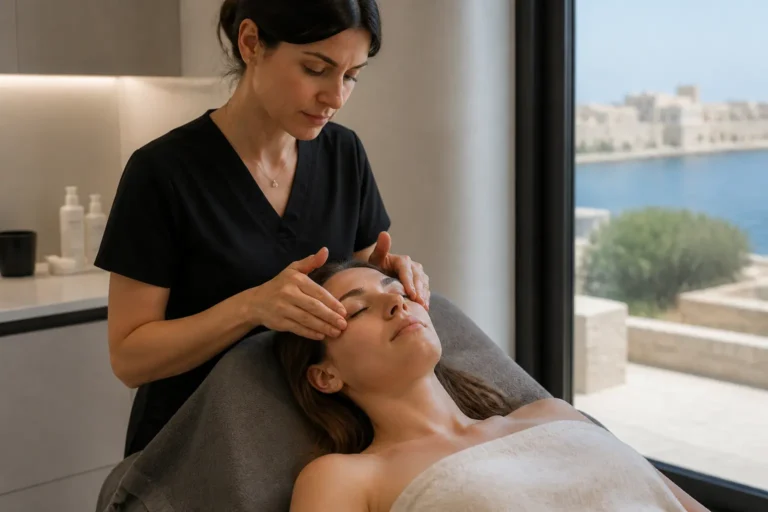
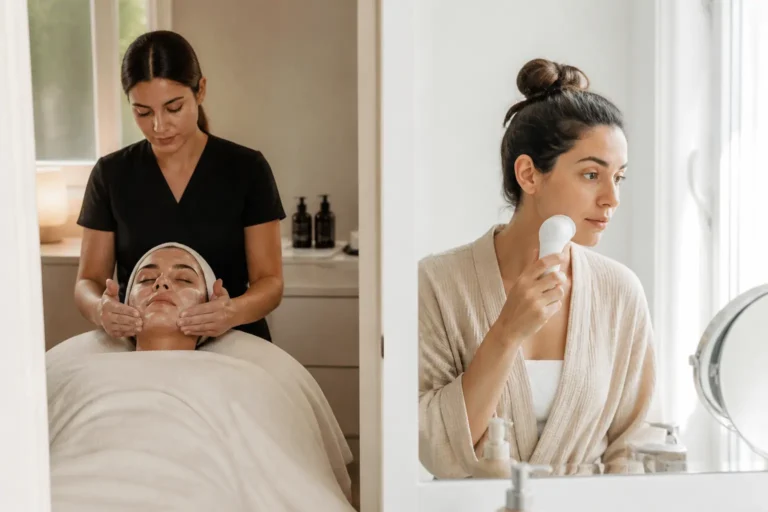
Anti-ageing facials can be a valuable part of a well-considered skin routine, but the most satisfying results begin with realistic expectations. A professional facial may leave skin looking fresher, smoother and more comfortable after one appointment. Changes linked to texture, the look of fine lines and overall skin quality, however, are usually gradual and depend on your skin, your home routine, sun exposure and the type of facial selected.
At Becammo, a facial should never be approached as a promise to change your face overnight. It is a personalised studio service designed around what your skin needs at that moment, whether that is gentle renewal, hydration, a more polished surface or a calm reset for skin that feels tired. The goal is skin that looks well cared for and feels supported, not an unrealistic version of perfection.
What does “anti-ageing” really mean in a facial?
In beauty, “anti-ageing” is often used as shorthand for services and routines that support a smoother, brighter and more hydrated-looking complexion. It can also refer to helping the skin look more even and rested. It should not mean stopping the natural process of ageing, erasing every line or creating a result that looks unlike you.
Skin changes over time for many reasons. Genetics, lifestyle, sleep, stress, natural shifts in the skin, climate and sun exposure can all influence how it looks and feels. In sunny places such as Malta, daily sun protection deserves particular attention. The NHS guidance on sunscreen and sun safety notes that sun exposure can contribute to premature skin ageing, while dermatology guidance consistently places daily broad-spectrum sun protection and moisturising at the foundation of an age-supportive routine.
A realistic anti-ageing facial plan therefore focuses on practical goals:
- skin that feels more comfortable and hydrated;
- a fresher-looking complexion after professional cleansing and care;
- a smoother-looking surface that allows make-up to sit more evenly;
- support for a consistent self-care routine;
- personalised choices rather than using every active product or technique at once.
This approach is more useful than chasing dramatic claims. A facial can complement good daily habits, but it cannot replace sun protection, a suitable home routine or medical advice where a skin concern needs it.
What you may notice after one professional facial
The immediate result of a facial is often about appearance and comfort. Once the skin has been cleansed, gently prepared and cared for with suitable products, many clients notice that it looks more refreshed. Hydration can temporarily soften the appearance of dehydration lines, and a smoother surface can create a healthy-looking glow.
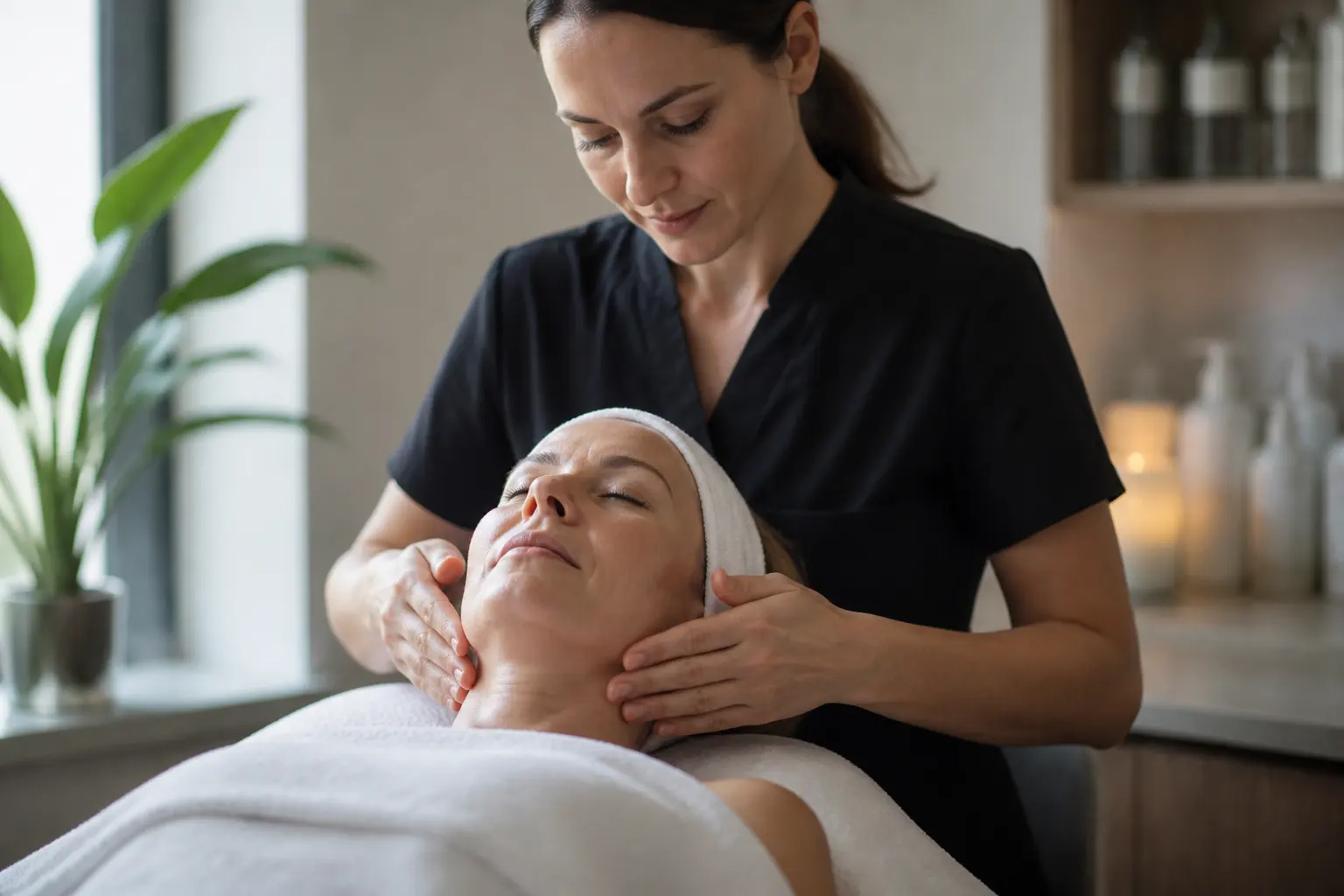
Depending on the service and your skin’s needs, an appointment may help you notice:
- a cleaner, lighter feeling on the skin;
- temporary radiance and a more rested appearance;
- skin that feels softer to the touch;
- make-up application that feels more even after appropriate preparation;
- a clearer understanding of what your skin may benefit from next.
These are worthwhile outcomes, especially before a holiday, event or busy period. Still, they are not the same as structural change. If you have deeper lines, pronounced loss of firmness, persistent pigmentation, active inflammation or a changing lesion, a beauty facial should not be presented as the solution. A qualified medical professional or dermatologist is the appropriate person to advise on health-related skin concerns.
What takes time, consistency and individual assessment
The results people usually associate with long-term anti-ageing care are less about one appointment and more about steady habits. The skin does not respond in exactly the same way for everyone, so it is sensible to review progress over time instead of judging everything by the mirror the following morning.
Texture and surface smoothness
Professional exfoliation methods can improve the immediate feel and look of the skin’s surface when they are suitable for you. Dermaplaning, for example, is often chosen by clients who want a polished-looking canvas. It removes fine vellus hair and surface build-up with a professional technique, but it does not alter the natural ageing process or make deep wrinkles disappear.
Overdoing exfoliation can leave skin uncomfortable or reactive. This is why a professional should ask about sensitivity, recent treatments and the products you use at home before choosing the right approach.
Hydration and the appearance of fine lines
When skin is dehydrated, fine lines can look more noticeable. A facial that prioritises moisture and barrier-conscious care may make the complexion look plumper and more comfortable for a period. This is a visible but modest result, and it needs the support of a consistent routine at home.
The American Academy of Dermatology’s advice on anti-ageing skincare makes a similar point: moisturiser and sunscreen are core steps, while no single product can address every visible sign of ageing. In practical terms, a well-chosen facial works best as part of a routine rather than as a stand-alone shortcut.
Brightness and a more even-looking complexion
Dullness can be linked to dry skin, surface build-up, inconsistent cleansing, lack of rest and environmental exposure. A professional facial may create a brighter-looking finish by cleansing thoroughly and using products selected for your skin’s current condition. For longer-term uneven tone or more persistent pigmentation concerns, seek individual advice rather than layering strong products without a plan.
Firmness and facial contours
It is important to be especially clear here. A facial can make skin look hydrated, rested and well maintained, but it should not be expected to recreate the effect of a surgical procedure or guarantee firmer facial contours. Professional skincare can support the appearance and feel of the skin, yet expectations should remain proportionate to a non-invasive studio treatment.
How different Becammo facials can fit realistic goals
There is no universal “best anti-ageing facial”. The right choice depends on whether your main concern is dryness, dullness, texture, a need for gentle professional cleansing or a wish to refresh your routine. At Becammo, assessment is the starting point, so your facial can be selected with your skin condition and priorities in mind.
PDRN Facial, Salmon DNA Therapy
The PDRN Facial is a studio facial option for clients interested in skin renewal, a more hydrated-looking complexion and care that supports the appearance of elasticity and firmness. It is not a medical treatment, and results vary from person to person. Rather than expecting a dramatic transformation from one visit, think of it as a professional facial experience that may form part of a consistent approach to maintaining healthy-looking skin.
Before booking, it is useful to share whether your skin is sensitive, whether you have had a recent procedure and which active skincare products you use. This allows the studio team to guide you responsibly and decide whether the service is appropriate for the day of your appointment.
Brazilian Deep Cleansing
A deep-cleansing facial can suit clients whose skin feels congested, dull or in need of a careful reset. Professional cleansing and extractions, where appropriate, are not about making every pore invisible. They are about treating the skin respectfully, avoiding aggressive picking at home and supporting a cleaner-looking complexion.
If your goal is to look fresh and polished rather than to pursue a dramatic change, this kind of facial can be an excellent starting point.
Dermaplaning Pro and Dermaplaning SPA
Dermaplaning is commonly chosen for its smooth finish. It can be especially appealing before an occasion when you want your skin to feel refined and your make-up to apply smoothly. The service requires good timing, particularly if you use exfoliating acids, retinoids or other potentially sensitising products. Honest consultation matters more than trying to fit every treatment into one week.
For some clients, dermaplaning is a helpful occasional addition to their routine. For others, particularly those with reactive or compromised skin, a gentler option may be more appropriate. The best choice is always personal.
The habits that make a facial plan more worthwhile
A professional facial can be a meaningful appointment in your routine, but daily choices shape how well the skin is supported between visits. Keep the basics simple and consistent.
- Use sun protection every day. Choose broad-spectrum SPF 30 or higher and apply it as directed. Reapply when you are spending time outdoors. This is especially relevant in Malta, where a day that feels breezy can still involve meaningful sun exposure.
- Cleanse without stripping the skin. A tight, squeaky feeling is not necessarily a sign that cleansing was more effective. Use a cleanser suited to your skin type and avoid unnecessary scrubbing.
- Moisturise consistently. Hydration supports skin comfort and can improve the look of dehydration-related fine lines.
- Introduce active products carefully. Retinol and retinoids may be useful for some people, but they can irritate the skin and are not right for everybody. The American Academy of Dermatology’s guide to retinoids and retinol advises a cautious approach and highlights the importance of sun protection. Ask a dermatologist or qualified prescriber if you are unsure, especially during pregnancy, when managing a skin condition or if your skin is reactive.
- Avoid treatment overload. Booking a facial, using strong exfoliants and testing several new products in the same week can make it difficult to understand what your skin is reacting to. A calmer plan is often more productive.
- Book according to your skin, not a rigid trend. Some people enjoy regular facials; others book around seasonal changes or events. Your ideal timing depends on the facial chosen, your home routine and how your skin responds.
How to recognise unrealistic promises
Beauty marketing can make it easy to believe that one facial will erase years of sun exposure, lift every area of the face or deliver permanent change. Those messages are not a useful basis for choosing a service.
Be cautious if a treatment is described as able to:
- remove all wrinkles after one appointment;
- make your skin look decades younger overnight;
- replace medical or surgical care;
- work identically for every skin type and age;
- deliver results without any need for home care or sun protection.
A more trustworthy consultation will ask questions, explain what the facial can and cannot do, and give aftercare that suits your skin. It should also leave room for you to ask questions. Professional guidance is not about pressure. It is about helping you make an informed decision.
Choosing your next facial in Malta
If you are considering an anti-ageing facial, start by naming the change you would genuinely like to see. Perhaps your skin feels dry and tight, your complexion looks tired, you want a smoother-looking finish before an event, or you simply want a professional review of your current routine. That clarity makes it easier to select a service that has a sensible purpose.
At Becammo in Sliema and Swieqi, the conversation starts with your skin rather than a one-size-fits-all promise. Ask which facial is most appropriate for your concerns, mention recent products or treatments, and leave enough time before an important event in case your skin needs to settle. A personalised, consistent approach is the most realistic route to skin that looks cared for, comfortable and naturally radiant.
Frequently asked questions
Can an anti-ageing facial remove wrinkles?
No facial should be expected to remove wrinkles completely. Professional facials may improve hydration, surface smoothness and the look of radiance, which can soften the appearance of fine dehydration lines temporarily. Deeper lines and structural changes need realistic expectations and may require advice from a dermatologist if they concern you.
How soon will I see results from a facial?
Many people notice a fresher-looking complexion and smoother feel soon after a facial. Longer-term changes in skin quality depend on the service, your skin, consistency and everyday care, especially sun protection and moisturising.
Is PDRN Facial suitable for sensitive skin?
Suitability should be assessed individually. Tell your therapist about sensitivity, allergies, active irritation, recent procedures and the products you use. If you have a diagnosed skin condition or a significant reaction, seek medical advice before booking.
Should I stop using retinol before my facial?
It depends on the facial and the product you use. Retinol and other active products can increase sensitivity for some people, particularly around exfoliating services. Mention them when booking so the studio can advise on appropriate spacing and preparation.
How often should I have an anti-ageing facial?
There is no single schedule that suits everybody. The right frequency depends on your chosen service, your skin’s response, your goals and your home routine. A professional consultation can help you choose a pace that feels sustainable rather than excessive.
What is the most important anti-ageing step at home?
Daily sun protection is one of the most important habits, alongside a suitable moisturiser and a routine you can maintain consistently. Professional facials can complement these basics, but they do not replace them.