Threading on Sensitive Skin: Redness and Calming Care
Brenda Cammo Team
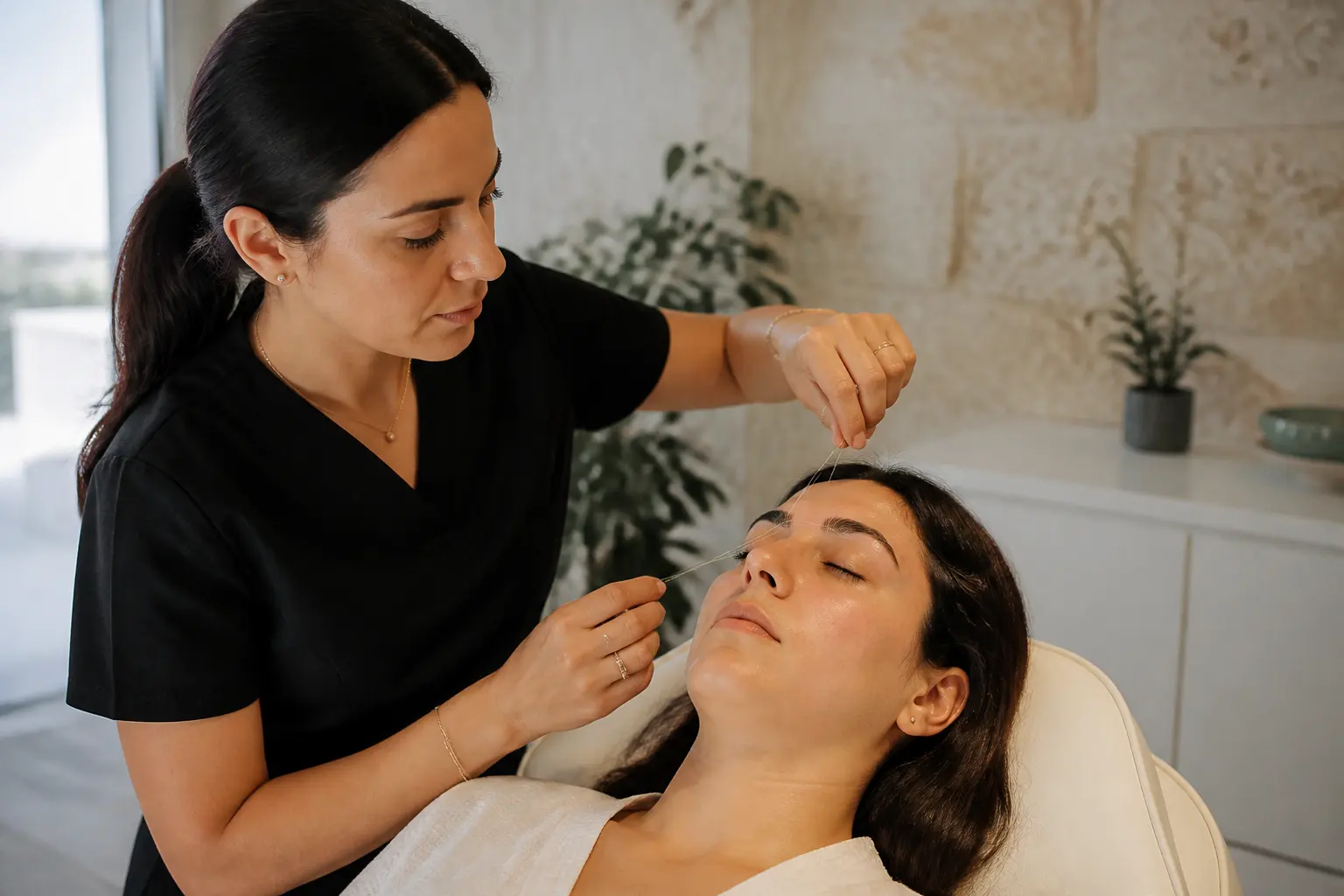
Threading can be a considered choice for sensitive skin, especially when you want precise eyebrow shaping without applying wax across the area. Still, it is completely reasonable to wonder what your skin will look and feel like afterwards. A little redness around the brows, a warm sensation or tiny raised areas around recently removed hairs can happen after an appointment, and it may feel more noticeable if your skin is naturally reactive.
The reassuring part is that post-threading redness is usually short-lived. For many people, it begins to settle within a few hours, although sensitive skin can remain flushed for longer, sometimes until later that day. The exact timing depends on your skin, the area treated, your current skincare routine and factors such as heat, sun exposure and friction. Cleveland Clinic notes that redness and irritation can occur in the hours after threading, while the American Academy of Dermatology describes threading as an option that tends to cause little irritation and may suit sensitive or acne-prone skin. (aad.org)
At a professional brow studio, the aim is not simply to remove hairs. It is to create a shape that respects your natural brow pattern while keeping the experience clean, precise and tailored to you. Here is how to prepare, what to do after your appointment and when it is sensible to pause and seek personalised advice.
Why threading can cause temporary redness
Threading uses a twisted thread to catch and lift unwanted hairs from the root. During eyebrow shaping, several fine hairs may be removed in a single movement. This precision is one reason people choose threading for brows, but the skin and follicles have still experienced temporary mechanical contact.
Redness is often your skin’s immediate response to that contact. It does not automatically mean that something has gone wrong or that threading is unsuitable for you. The brow area is visible, thin-skinned and close to the face’s natural zones of flushing, so even mild redness can be easy to notice in the mirror.
Sensitive skin is not one single category. You may describe your skin as sensitive because it stings with fragranced products, becomes red after heat, reacts to active skincare ingredients or flushes easily. Others have a diagnosed skin condition, a history of allergic reactions or a temporarily compromised skin barrier. These situations deserve different levels of care, which is why sharing relevant information before the service matters.
How quickly does redness after threading settle?
There is no exact timetable that fits every client. As a practical guide, mild redness may calm down during the first few hours after threading. For more reactive skin, it can remain visible for the rest of the day. If you are booking before an event, photographs or a holiday, allow some breathing room rather than relying on your skin to behave exactly like somebody else’s.
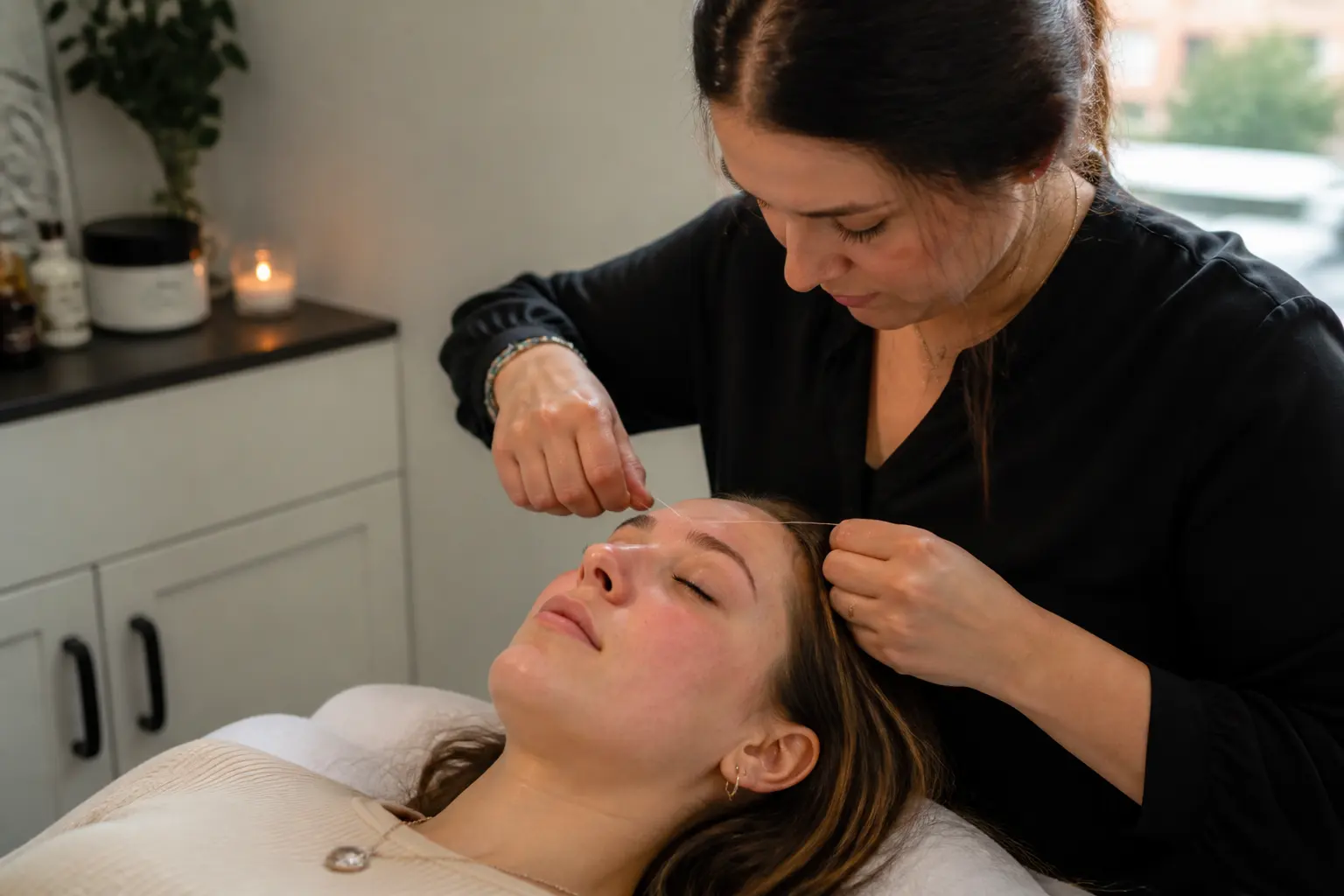
A good rule is to schedule brow threading at least 24 to 48 hours before an important occasion if you know that you flush easily, want time to keep skincare simple or would prefer not to apply make-up straight away. This is not because redness will necessarily last that long. It is simply a more comfortable planning window that gives your skin time to settle without pressure.
It is also useful to separate temporary post-hair-removal redness from symptoms that persist, worsen or feel unusual for you. If swelling, pain, heat, a rash or irritation does not settle as expected, or if you have a known skin concern, stop experimenting with products and speak to an appropriate healthcare professional. A brow appointment should fit into your wider skin needs, not override them.
What influences your skin’s response
Your baseline sensitivity
Some people naturally redden more easily than others. If your skin reacts to weather changes, exercise, warmth or new cosmetics, you may also see a more visible response after brow hair removal. Skin prone to rosacea-related flushing can be especially reactive to triggers, which vary considerably from person to person. The American Academy of Dermatology highlights heat, sunlight and certain skincare products among possible triggers for people with rosacea. (aad.org)
Your current skincare products
Strong exfoliating acids, retinoids, scrubs, fragranced toners and other active products may leave the area feeling more vulnerable. This does not mean you should make assumptions about every product or stop prescribed skincare without advice. It does mean you should tell your brow professional what you are using and ask whether it is best to adjust the timing of your appointment.
Heat, sun and friction
A rushed walk in Malta’s warm weather, a hot shower, gym session, sauna or rubbing the brow area can make recent redness look more pronounced. Heat encourages flushing, while friction adds more stimulation to skin that has just been threaded. Planning a calmer few hours after your appointment can make aftercare much easier.
How recently you exfoliated
Exfoliation can be useful in the right routine, but sensitive skin may become more irritated when over-exfoliated. The American Academy of Dermatology advises a gentle approach and notes that mechanical exfoliation may be too irritating for dry, sensitive or acne-prone skin. Avoid treating brow threading as another step to stack on top of intense exfoliation. (aad.org)
Calming care immediately after eyebrow threading
Aftercare does not need to be complicated. In fact, the most helpful approach is usually to do less, not more. The priority is to avoid adding unnecessary heat, friction and potentially irritating products while your skin returns to its usual state.
- Keep your hands away from the brow area. Avoid touching, scratching or repeatedly checking the skin close up. This reduces friction and helps keep freshly threaded skin clean.
- Use a cool, clean compress if it feels comfortable. A gentle cool compress can feel soothing. Do not place ice directly on the skin, and avoid pressing firmly over the brows.
- Skip heat for the rest of the day where possible. Consider postponing hot showers, steam rooms, saunas and intense exercise if your skin is still visibly warm or red.
- Choose simple skincare. Avoid scrubs, exfoliating acids, retinoids, astringent toners and strongly fragranced products around the brows until the area feels settled.
- Be cautious with make-up. If you can, give the brow area time without make-up. If you need to apply it later, use clean tools and a light touch rather than rubbing product into the skin.
- Protect your skin from strong sun. Once the area is comfortable, use the sun protection that suits your routine. If sunscreen tends to sting your skin, choose carefully and seek professional guidance on a suitable option.
The point is comfort, not a long list of treatments. Sensitive skin can react when multiple new products are introduced at once, so avoid trying a new calming mask, essential oil or heavily fragranced balm immediately after threading.
What to mention before you book
A professional appointment works best when your brow artist has the information needed to work thoughtfully. Let the team know if your skin is currently irritated, sunburnt, peeling or healing from another facial service. Mention any active skincare products around the forehead and brow area, as well as a history of allergies, frequent flushing or a skin condition that affects your face.
This is not about ruling you out automatically. It is about deciding whether threading that day is appropriate, whether a small adjustment is sensible or whether waiting would be more comfortable. The right decision can be different from one person to the next.
At Becammo, threading is performed with single-use thread. Cotton thread is the standard option, while polyester may be used for clients who are allergic to cotton. The service is designed around clean practice, careful brow mapping and an individual assessment of your natural shape, density and facial features.
How to prepare sensitive skin before threading
Preparation begins a few days before the appointment, not when you sit in the chair. Keep your routine stable and avoid experimenting with a new active product directly around the brow area. If you have an important event coming up, book early enough to see how your skin normally responds.
- Arrive with clean, comfortable skin. Heavy make-up, fresh self-tan and thick product layers can make the area harder to assess and cleanse.
- Avoid aggressive exfoliation near the brows. Give recently treated or sensitised skin time to feel normal again before arranging hair removal.
- Plan your diary realistically. Do not make a threading appointment the final task before a long day in the sun, a gym class or a formal event.
- Communicate clearly. Tell your brow artist if you are unsure about a product, a past reaction or the condition of your skin that day.
It is also worth remembering that precision does not have to mean over-shaping. A considered threading appointment can focus on cleaning up the hairs outside your desired outline while preserving the fullness that makes your brows look like yours.
Threading, sensitive skin and realistic expectations
Threading is often chosen by people who want an alternative to waxing, particularly for a precise brow shape. However, no hair-removal method gives every person the same experience. You may feel brief discomfort as hairs are lifted, and sensitive skin may show redness afterwards. An honest consultation and gentle aftercare are more useful than promises of a completely reaction-free appointment.
Results also depend on the natural direction, thickness and growth cycle of your brow hairs. Your artist can refine the outline, create balance and remove stray hairs, but the best-looking brows are not based on copying a single trend. They are based on a shape that works with your own features and brow potential.
When to delay your threading appointment
Rescheduling can be the sensible option if the skin around your brows is already compromised. Consider contacting the studio before your booking if you have fresh sunburn, broken skin, a flare-up that makes the area sore or unusually reactive, or if you have recently had another service that has left the skin tender.
If you are under medical care for a skin condition or using prescribed topical medication, ask your clinician for advice about facial hair removal and tell your brow professional before the appointment. This keeps the decision personal to your circumstances rather than based on generic internet advice.
Conclusion
For sensitive skin, a little redness after threading can be a normal short-term response and often settles within hours. The most supportive approach is simple: book with time to spare, tell your brow artist about relevant sensitivities, keep your aftercare gentle and avoid heat, friction and strong products while the area calms.
If you are in Malta and would like a personalised approach to brow shaping, choose the Becammo location that is most convenient for you in Sliema or Swieqi. You can use the final booking prompt to select your service, or contact the team first if you would like to discuss sensitive skin before arranging your appointment.
Frequently asked questions
Is threading suitable for sensitive skin?
It can be suitable for many people with sensitive skin because it removes unwanted hairs precisely without applying wax to the brow area. Your individual suitability still depends on your current skin condition, products and history of reactions, so share this information before booking.
How long will my eyebrows stay red after threading?
Mild redness often settles within a few hours, but sensitive skin may remain flushed until later in the day. Give yourself a 24 to 48 hour buffer before a major event if you want extra time for your skin to settle.
Can I wear make-up after eyebrow threading?
It is preferable to let the area rest first. If you need to wear make-up later, use clean brushes, avoid rubbing and keep product away from skin that still feels irritated.
What should I avoid after threading?
Avoid touching the area, hot showers, steam, intense heat, heavy friction and strong skincare products around the brows until your skin feels calm again.
Should I thread my eyebrows if I have an active skin flare-up?
Contact the studio before your appointment. If the area is sore, broken, sunburnt or unusually reactive, delaying the service may be the more comfortable choice. Seek advice from your healthcare professional for persistent or concerning skin symptoms.