Thin Eyebrows and Brow Lamination: What to Expect
Brenda Cammo Team
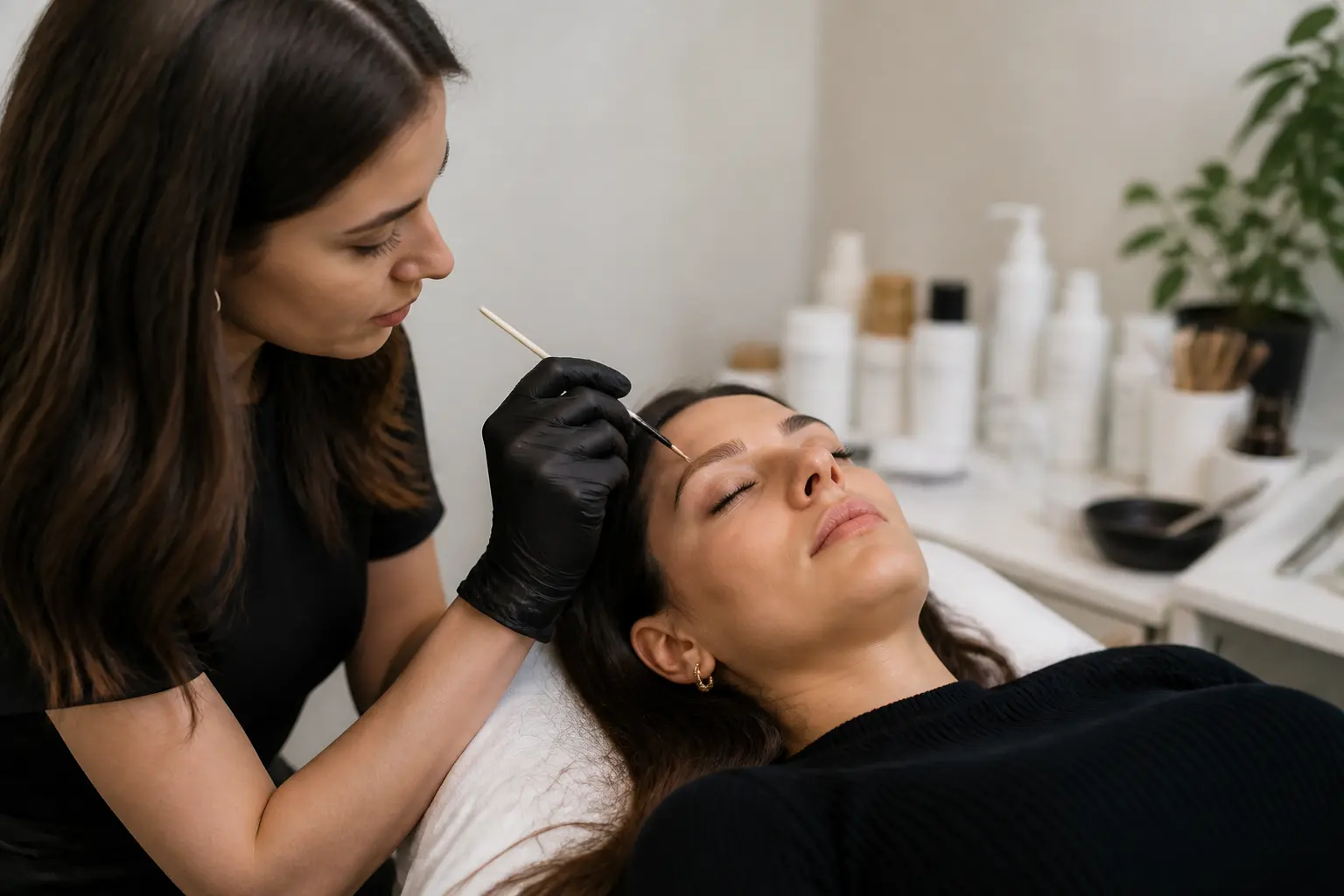
Thin eyebrows can make getting ready feel more complicated than it needs to be. You may spend time brushing hairs into place, filling uneven areas with make-up, or wondering whether a fuller, lifted brow look is realistically possible for you. Brow lamination can help some people make more of the hairs they already have, but it is important to understand what the service changes before you book.
Brow lamination is not a way to create brand-new eyebrow hairs or permanently fill empty areas. Instead, it is a professional brow service that works with your natural hairs, helping them sit in a more uniform, lifted direction. For clients with fine, sparse or uneven brows, that change in direction can make the eyebrow area look more structured and, in some cases, fuller.
The key is to approach the appointment with realistic expectations. A thoughtful consultation, careful brow assessment and an individual design matter far more than chasing one fixed brow trend. At Becammo, the aim is to work with your natural brow pattern, facial features and preferred level of definition, rather than forcing every set of brows into the same shape.
What brow lamination does for thin eyebrows
Brow lamination is designed to make natural brow hairs more flexible during the service, so they can be brushed and set into a chosen direction. Once styled, the hairs can appear more aligned, lifted and easier to manage in your day-to-day routine.
For thin eyebrows, the visual benefit often comes from using the available hair more strategically. Hairs that naturally grow downwards, sideways or in several directions can be guided into a position that creates a clearer brow line. Fine hairs may also become more visible when they are brushed upwards or diagonally instead of lying flat against the skin.
That can support a softer sense of fullness, particularly when the brow already has hairs across most of its shape but lacks consistency in direction. It may also help you see your existing brow structure more clearly, which can make everyday make-up feel simpler.
However, the effect depends on what is already there. Brow lamination changes the presentation of existing hair. It does not add density where there is no hair, replace a missing brow tail or create realistic hair strokes in a completely bare patch.
What brow lamination cannot do
Being clear about the limits of lamination is the best starting point for a satisfying result. Social media images can make every brow service look transformational, but photographs may include make-up, lighting, styling products and naturally dense brows before the appointment even begins.
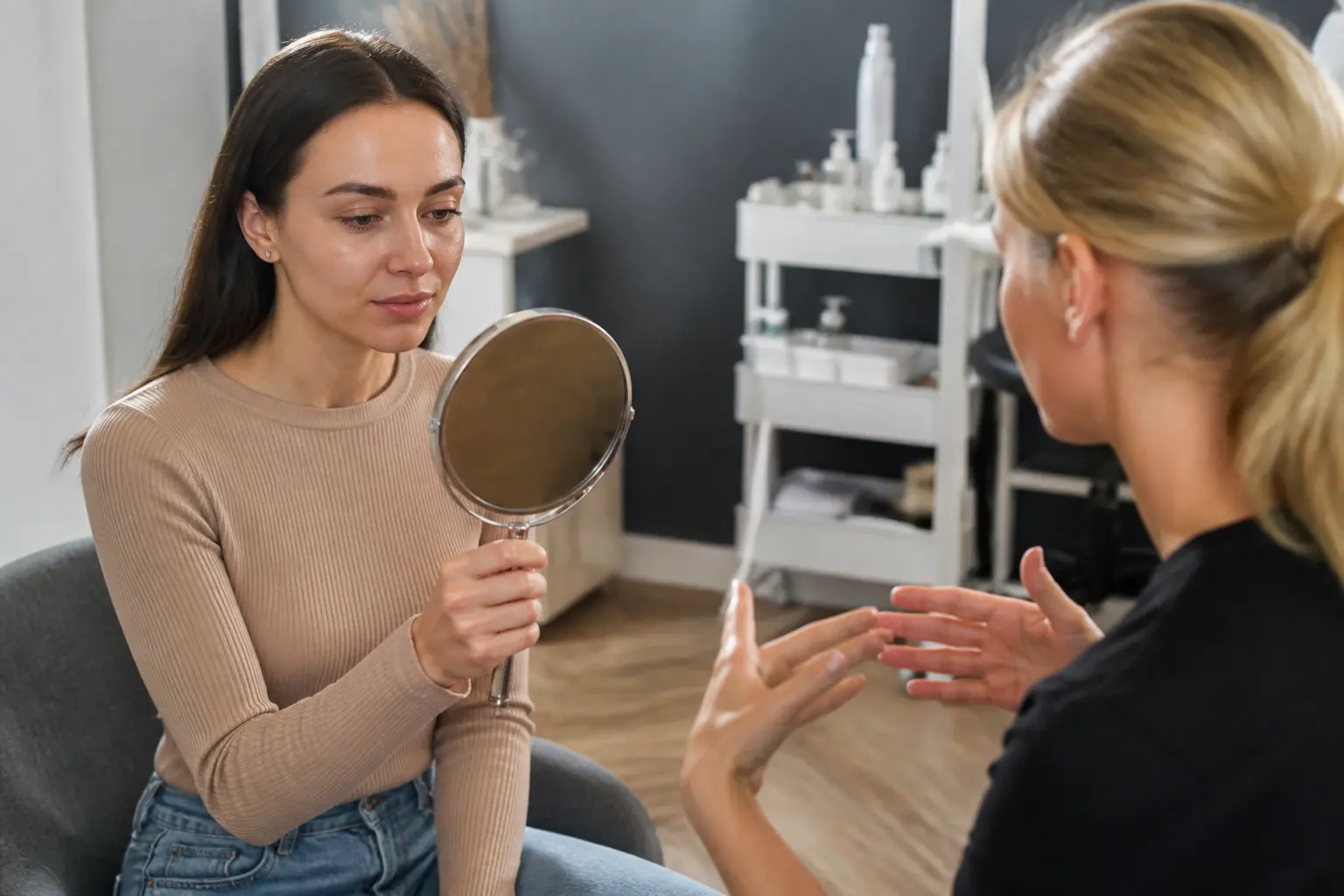
For thin brows, brow lamination cannot:
- create new eyebrow hairs in areas with no visible growth;
- permanently change the direction in which your hairs naturally grow;
- make very short or very fine hairs look as dense as naturally thick brows;
- correct every gap caused by past over-plucking, scarring or uneven growth;
- replace the tailored planning needed for semi-permanent make-up if your goal is to add the appearance of hair where it is absent.
This does not mean lamination is not worth considering. It simply means its value lies in styling, lift and manageability, rather than in producing a completely different natural brow density. The most convincing results usually look like a polished version of your own brows, not a borrowed shape.
When lamination may be a good fit for sparse brows
You may be a good candidate for brow lamination if you have enough natural hairs to work with, but they are difficult to place. This can include brows that are fine yet reasonably distributed, brows with hairs that point downwards at the front, or brows that look uneven because different sections grow in different directions.
It can also suit someone who wants a more groomed look without drawing on strong, structured brows every morning. After lamination, you may still choose to use a pencil, powder or tinted brow product, especially through sparse areas. The difference is that you are working around a more organised natural base.
Clients often like the service when their goal is one or more of the following:
- a brushed-up or softly lifted brow finish;
- more visible texture from their existing brow hairs;
- a tidier shape that frames the eyes without heavy make-up;
- less time spent trying to keep stubborn hairs in place;
- a balanced result that still looks like their own brows.
Suitability is individual. Hair condition, brow density, skin comfort and your desired finish should all be discussed before the service begins. A professional brow artist can explain what is achievable with your natural hair pattern and suggest an approach that makes sense for you.
When another option may better match your goal
If your main concern is large areas with no brow hair, brow lamination alone may not deliver the level of change you have in mind. In this situation, it is helpful to separate two goals: improving the look of hairs you already have, and adding the visual impression of hairs or shading where natural growth is limited.
For everyday flexibility, a brow artist may recommend pairing a carefully shaped brow with suitable make-up at home. A light pencil or brow powder can add definition to gaps while keeping the overall look soft. If you prefer a more lasting cosmetic option, a consultation for semi-permanent make-up can help you understand the differences between techniques and whether they are appropriate for your preferences.
This is not about assuming that thin brows need to be changed. Many elegant brow designs are naturally fine. The question is whether you want more lift, more structure, more visible colour, a stronger outline, or the appearance of added density. Each goal may call for a different service or combination of techniques.
How a professional brow design makes a difference
Lamination is only one part of the finished look. For thin eyebrows, the surrounding design needs particular care. Removing too much hair can make a sparse brow appear even lighter, while a shape that ignores natural growth can be difficult to maintain at home.
A professional appointment should start with an assessment of your brow hair, natural symmetry and facial proportions. Brows are sisters rather than identical twins, and a good design respects small differences instead of over-correcting them. The goal is balance, not a perfectly copied template.
At Becammo, brow work is approached as a personalised service. Threading and brow design can help clean up stray hairs while preserving the fullness that matters to your shape. The exact amount of hair removed should always reflect your brow density and the finish you want. If you have thin brows, saying clearly that you want to protect every useful hair is valuable information for your artist.
Why threading can complement a laminated brow look
Threading uses a fine thread to remove unwanted hairs with precision. When combined with thoughtful design, it can define the edges around the brow without relying on a broad removal area. That precision can be especially useful when the natural brow is fine and every retained hair contributes to the final appearance.
It is not necessary to create a sharp, highly sculpted outline for lamination to look good. Some clients prefer a clean but soft border, while others like a more polished arch. Your ideal finish should reflect your features, routine and comfort with make-up, not a one-size-fits-all trend.
Questions to ask yourself before booking
Taking a moment to clarify your goal can make your appointment more productive. You do not need to know the technical answer before you arrive, but these questions can help you describe what you would like.
- Do I want my existing hairs to look more lifted? If yes, brow lamination may be relevant.
- Do I have hairs across the shape, even if they are fine? If there is a reasonable base of hair, the styling effect may be more noticeable.
- Am I hoping to conceal completely bare patches? Lamination may need to be combined with make-up, or you may want to discuss other cosmetic options.
- Do I prefer a natural brushed look or a more defined brow? This affects the styling direction and whether tint or henna may be worth discussing.
- How much maintenance do I want at home? Even after lamination, gentle brushing and your usual brow products may form part of your routine.
Bring reference images if they help, but treat them as a starting point rather than a promise. The most useful image is one that shows the level of softness, lift or definition you like. Your artist can then translate that preference into a design suited to your own brow density.
Setting realistic expectations for the finished result
Immediately after brow lamination, the hairs are usually styled into their finished direction, so the effect can look noticeably lifted and polished. On thin brows, this may reveal small hairs that are usually less visible and make the brow appear broader through its existing shape.
The outcome may look softer after you wash your face and begin styling the brows yourself. This is normal. The goal is not for hairs to stay frozen in one exact position, but for them to be more cooperative when brushed into place. A simple spoolie and a light hand can often be enough to refresh the look.
Results vary from person to person. Hair thickness, length, growth direction and overall brow condition all influence how much visual fullness lamination can create. Dense, long brow hairs will generally produce a more dramatic brushed effect than very short, widely spaced hairs. A responsible brow artist should explain this openly rather than suggesting that every brow will look the same.
A successful brow lamination result is not necessarily the boldest result. It is the one that makes your natural brows look considered, comfortable and true to your preferred style.
Getting ready for your brow lamination appointment
When booking, let the studio know if you have a history of skin sensitivity, a known product allergy or any current irritation in the eyebrow area. It is also sensible to mention if you have recently had another brow or facial service, so your artist can advise on appropriate timing.
Arrive with a clear idea of whether you want to retain a natural shape, create more visible lift, add colour or simply make your brows easier to style. If you regularly fill your brows, you can describe the products and finish you usually choose. This gives useful context about the amount of definition you enjoy in real life.
During the appointment, speak up if you are unsure about the direction, height or intensity of the styling. Brow services are collaborative. A small adjustment in the way hairs are brushed can make the final look feel more natural to you.
Maintaining a fuller-looking brow between appointments
Thin brows often benefit from gentle, consistent care rather than frequent over-shaping. Avoid removing hairs impulsively at home, particularly around the front of the brow and the upper line, where small changes can alter the overall balance. If you see a few hairs growing in an unexpected direction, a quick brush may be all they need.
For a little extra definition, choose brow make-up that matches your preferred finish. A fine pencil can create hair-like detail in specific gaps, while a soft powder may suit someone who wants an understated shadow of colour. Apply sparingly, then brush through to keep the effect light.
It is also helpful to book maintenance based on how your brows grow and how much shape you prefer. Rather than removing a fixed amount every time, use appointments to reassess what your brows need. This can be particularly important after years of over-plucking, when preserving existing growth is often part of the long-term plan.
Conclusion
Brow lamination for thin eyebrows can be a useful choice when your aim is to lift, organise and make better use of the hairs you already have. It can create a neater, more open and more textured look, but it will not add hairs where there are none or turn every brow into a dramatic full-brow style.
The best way to decide is to focus on your own brow pattern and your personal goal. Whether you want a subtle brushed finish, precise shaping through threading or a conversation about longer-lasting cosmetic options, a professional assessment can help you choose with confidence. When you are ready, book a brow lamination appointment at Becammo in Sliema or Swieqi and share what you would like your brows to look and feel like in everyday life.
Frequently asked questions
Can brow lamination make thin eyebrows look thicker?
It can make existing hairs look more visible by lifting and aligning them, which may create the appearance of more fullness. It cannot create new hairs or fully cover areas with no natural growth.
Is brow lamination suitable for sparse eyebrows?
It may be suitable if there are enough hairs to style, even when they are fine or uneven. An individual assessment is the best way to understand what result is realistic for your brows.
Will I still need brow make-up after lamination?
That depends on the finish you want. Some clients find that they need less make-up, while others still use a pencil, powder or tinted product to add definition through sparse areas.
Can threading be done with brow lamination?
Threading and brow design can complement a laminated look by removing selected stray hairs and refining the shape. The approach should be tailored carefully, especially when brows are naturally thin.
What should I ask for if I do not want overly bold brows?
Tell your brow artist that you prefer a soft, natural result. You can ask for lift and improved direction while keeping the shape and outline understated.