Chin and Upper Lip Threading for Delicate Facial Hair
Brenda Cammo Team
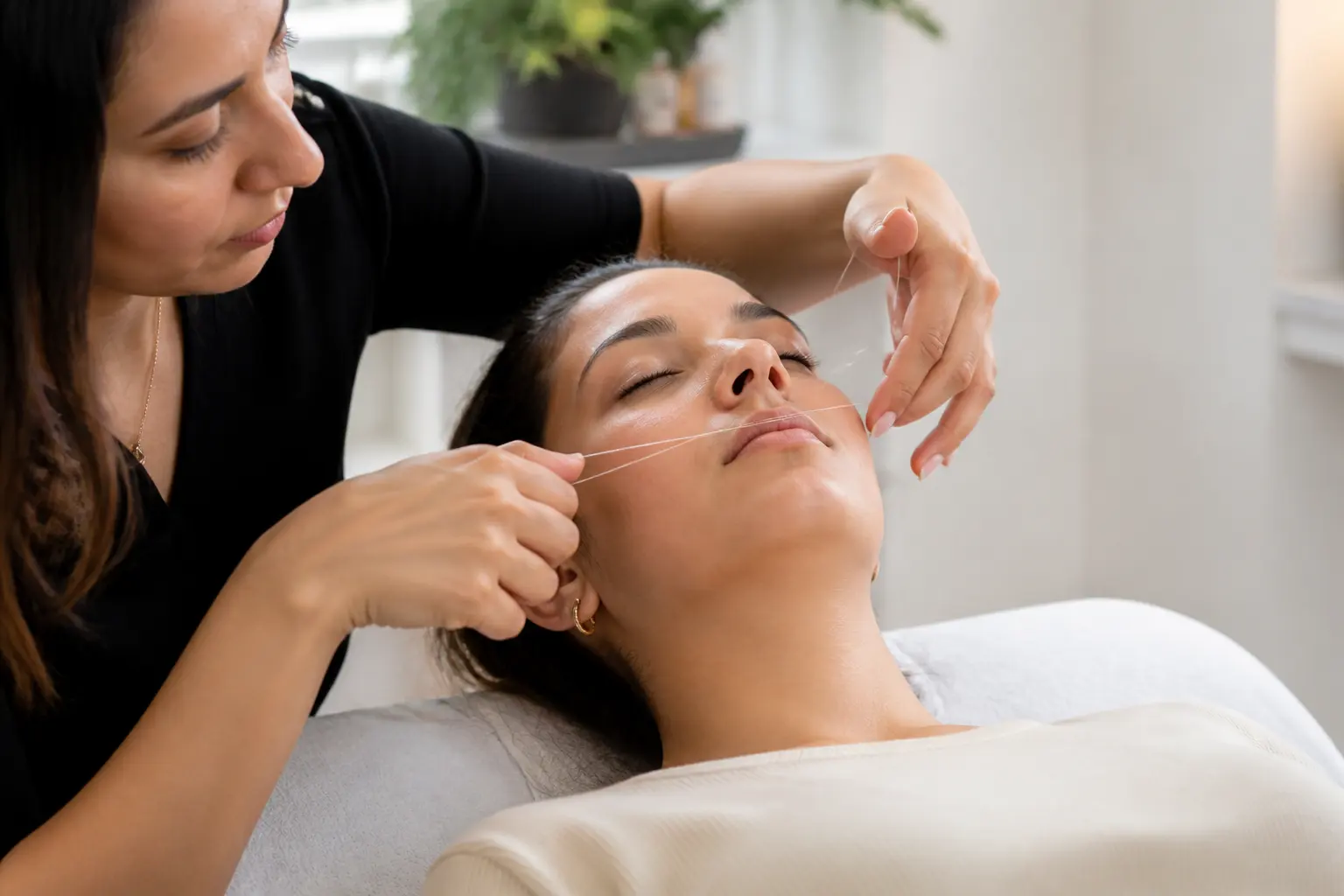
Chin and upper lip threading is a precise way to remove unwanted facial hair from two areas where the skin can feel particularly delicate. Whether you notice a little softness above the lip, a few hairs on the chin, or growth that makes make-up sit less smoothly, a professional threading appointment can offer a neat, considered option without treating every face in the same way.
At Becammo in Malta, threading is approached as a personalised beauty service. The aim is not to create a one-size-fits-all finish, but to work carefully with your hair growth, skin comfort and preferred level of hair removal. For some clients, that means focusing only on the upper lip. For others, chin and upper-lip threading forms part of a fuller facial threading appointment.
If you are deciding whether this method suits you, it helps to understand how it works, what the appointment feels like and how to look after the area afterwards.
What is chin and upper lip threading?
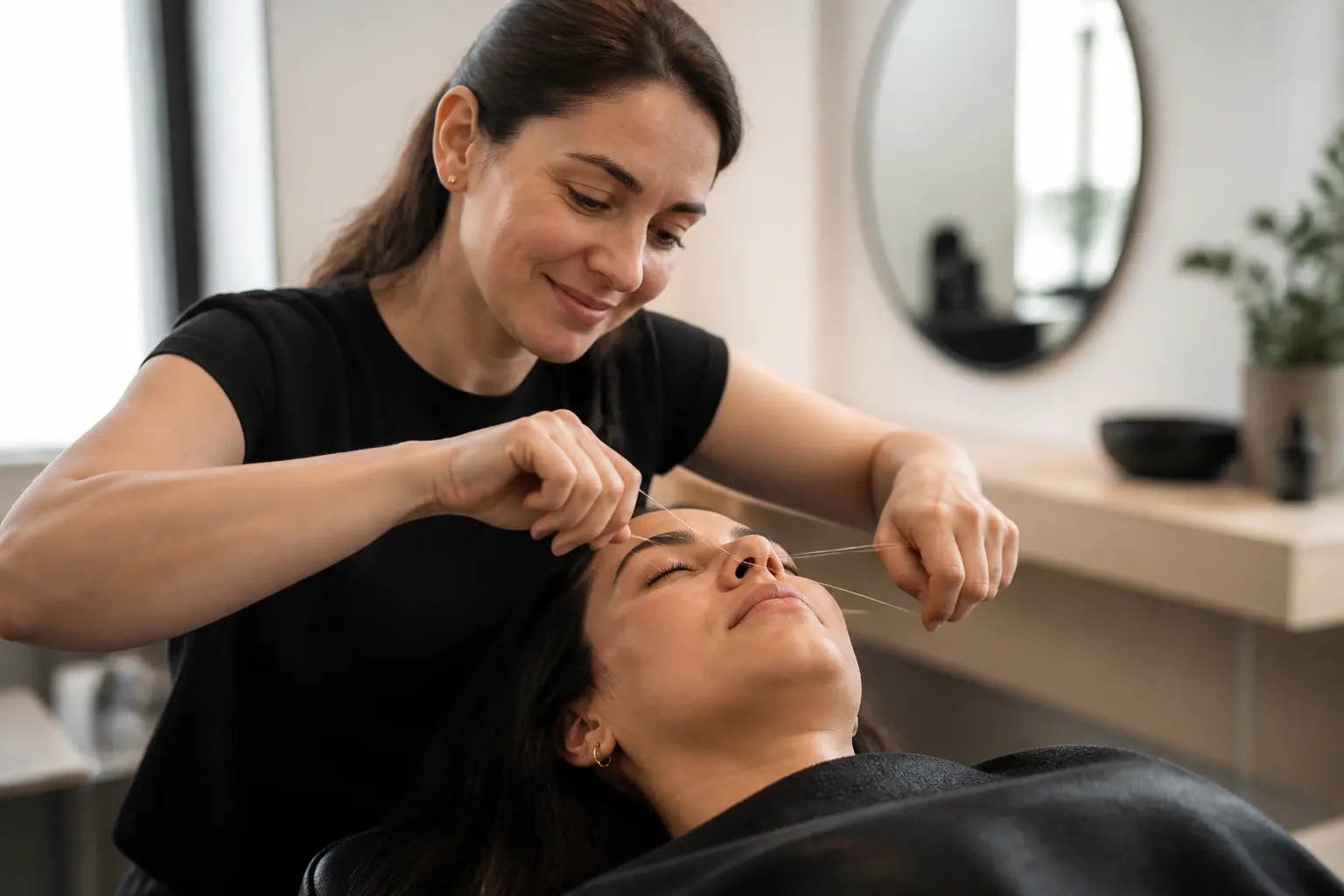
Threading is a hair-removal technique that uses a twisted strand of thread to catch and lift hairs from the root. A trained artist moves the thread across the skin in controlled, small motions, removing several hairs at a time while working closely around the natural contours of the face.
The technique has a long history in India and the Middle East, and it is especially well suited to detailed facial areas. On the upper lip, precision matters around the cupid’s bow and the corners of the mouth. On the chin, the direction and density of growth can vary from one small section to another, so a careful approach is useful.
Threading does not rely on wax being spread across the skin. Instead, the thread targets the hairs themselves. At Becammo, single-use thread is used for each client. Cotton is the usual material, while polyester may be discussed where a client has a relevant material sensitivity.
Why people choose threading for the upper lip and chin
Facial hair is completely normal, and there is no requirement to remove it. Many people choose threading simply because they like the tidier feel or appearance it can give them. Others want a method that allows close control in a visible area of the face.
Precision around small facial contours
The upper lip and chin are not broad, flat surfaces. The line of the lip, the curve beneath the nose and the shape of the chin all call for attention to detail. Threading allows the artist to work in small sections rather than applying a single product over a larger area.
A tailored amount of hair removal
Not everyone wants every fine hair removed. You may prefer a clean upper-lip finish while leaving very soft facial fuzz elsewhere untouched. You may also have a particular area of chin growth that concerns you more than the rest. Explaining your preference before the appointment helps the artist tailor the service appropriately.
A professional option for a sensitive-looking area
Because the face is so visible, many clients value having an experienced professional perform the service. A studio appointment gives you the opportunity to discuss recent skin sensitivity, products you are using and the look you would like to achieve before threading begins.
What happens during a professional appointment?
A good facial threading service starts with communication. Before the hair removal begins, let your artist know if you have had any recent irritation, facial treatment, sun exposure or reaction to a skincare product. You should also mention if you have a material sensitivity or if there is a specific section you do not want threaded.
The artist will then assess the area and position the skin so it can be held comfortably taut. This support helps create a more controlled surface for the thread. The thread is twisted and rolled across small sections of hair, then the artist checks the result as they work.
For upper-lip threading, you may be asked to stretch your lip gently or adjust your facial position. For the chin, the artist may work in short passes that follow the direction of visible growth. These details are normal and help the service stay precise.
When the threading is complete, the skin may look temporarily pink, particularly if it is naturally reactive or if there has been a denser patch of hair. Your artist can advise on simple aftercare based on how your skin looks and feels that day.
Does chin and upper lip threading hurt?
Threading can cause brief discomfort because hairs are being removed from the root. The sensation is often described as quick pinching or a light snapping feeling, rather than a constant discomfort. The upper lip can feel more sensitive than other facial areas because the skin is thin and the area is highly responsive.
Comfort varies between people and can also change throughout the month, with stress, tiredness, skin sensitivity and individual pain tolerance all playing a part. If you are nervous, say so at the start of the appointment. A professional artist can work steadily, explain what is happening and check in with you as they go.
Avoid judging the method only by a single appointment. Hair density, growth stage and skin condition can make one visit feel different from another. What matters is choosing a trained studio that works with care and gives you space to communicate.
How to prepare for chin and upper lip threading
A little preparation can make your appointment more comfortable and help you get a clearer result. You do not need an elaborate routine, but it is helpful to arrive with clean, accessible skin.
- Let the hair grow enough to be caught by the thread. Avoid shaving or plucking the exact area immediately before your visit, as very short hairs can be harder to remove precisely.
- Come with minimal product on the area where possible. Heavy foundation, thick balm or oil around the upper lip and chin may need to be removed before threading.
- Tell your artist about recent skin changes. Mention irritation, peeling, a new active skincare product, a recent facial procedure or strong sun exposure.
- Schedule thoughtfully before an event. Since temporary redness can happen, it is sensible to give yourself some time before a major occasion, photo session or evening out.
- Be clear about your preferred finish. Say whether you want only obvious hairs removed, a very clean upper lip, attention to a small chin area or facial threading as part of a broader grooming plan.
If you are uncertain whether your skin is ready for threading, it is better to ask before booking than to push through discomfort on the day.
Aftercare for the upper lip and chin
After threading, the goal is to keep the area calm and avoid unnecessary friction. Skin responses vary, but a simple routine is usually the most sensible approach immediately afterwards.
Keep hands away from the area
Try not to touch, rub or pick at the upper lip and chin. Freshly threaded skin can feel more noticeable for a short time, and repeated touching can add irritation.
Use gentle skincare
For the rest of the day, choose mild products around the threaded area. If your skin feels warm or looks pink, avoid introducing a new product or applying several active formulas at once. Your usual gentle moisturiser may be appropriate if it does not sting, but follow the advice given by your artist if your skin has reacted differently than expected.
Pause exfoliation briefly
Avoid scrubs, exfoliating acids and rough cleansing tools directly on the threaded skin straight after your appointment. Let the area settle before returning to your normal exfoliation routine.
Be mindful of heat and friction
Very hot showers, steam rooms, intense heat and activities that cause heavy friction around the mouth and chin may feel uncomfortable immediately afterwards. Keeping the skin clean and leaving it alone is often the simplest choice.
Protect exposed skin
If you are heading outdoors in Malta, use appropriate sun protection once the skin feels comfortable and your usual product applies without irritation. The upper lip and chin are exposed areas, so daily SPF is a useful habit beyond the day of threading itself.
How long do results last?
The timing between appointments is individual. Facial hair grows in cycles, and the speed of regrowth can differ according to your natural hair pattern, the area being treated and the type of hair present. Fine upper-lip hair and more noticeable chin hairs may not return at the same pace.
Rather than following a rigid timetable, pay attention to when you begin to see enough regrowth to want another appointment. Some clients like to maintain a regular routine, while others book only before holidays, events or periods when they want a particularly polished finish.
Repeated threading does not create an identical experience for every person. The amount of visible regrowth, your skin’s response and your preferred level of maintenance should guide the schedule. Your artist can help you plan appointments that feel realistic for your lifestyle.
Threading, shaving or waxing: what is the difference?
There is no universal best method for facial hair removal. The right choice depends on the area, your skin, the type of hair and what feels manageable for you. Understanding the practical differences can make the decision easier.
| Method | How it works | What to consider for the upper lip and chin |
|---|---|---|
| Threading | Thread catches and removes hairs from the root in small sections. | Offers detailed control around facial contours and can be tailored to specific areas. |
| Shaving | A blade cuts hair at skin level. | Can be convenient at home, but the finish and maintenance routine may not suit everyone. |
| Waxing | Wax adheres to hairs and is removed from the skin. | May suit some people, but skin sensitivity, recent skincare use and personal preference should be considered. |
At a professional studio, threading is particularly useful when you want close attention around the lip line, chin shape or a small patch of visible hair. It is also an option worth discussing if you prefer not to use wax in these areas.
When should you postpone or ask for advice first?
It is sensible to contact the studio before your appointment if the skin on your upper lip or chin is currently sore, broken, sunburnt, actively peeling or unusually reactive. The same applies if you have recently had a facial service or started using a stronger skincare product and are unsure how your skin will respond.
Be open about anything that could affect your comfort. A professional appointment should never feel like a situation where you must hide skin sensitivity or tolerate more than you are comfortable with. Asking questions beforehand helps the artist guide you towards the most appropriate timing.
Why a personalised approach matters
Facial hair patterns are personal. Some clients have very fine, light hairs. Others have coarser or darker hairs concentrated around the chin. Skin tones, sensitivities and grooming preferences also vary widely. That is why a thoughtful threading service should begin with listening, not assumptions.
Becammo has built its brow-threading expertise around personalised design for a diverse international clientele in Malta. That same attention to detail matters when threading the upper lip and chin. The objective is a clean, comfortable-looking result that fits your own preferences, rather than an imposed version of how a face should look.
Conclusion
Chin and upper lip threading can be a practical choice when you want precise facial hair removal in areas that deserve a careful touch. Knowing what to expect, preparing the skin simply and following gentle aftercare can help you approach the appointment with confidence.
If you are in Malta and would like to discuss upper-lip, chin or fuller facial threading, choose the Becammo location that is most convenient for you in Sliema or Swieqi. Let the team know what you would like to remove and any skin concerns you have, so your appointment can be approached with the right level of care.
Frequently asked questions
Can threading remove hair from both the chin and upper lip?
Threading can be used on detailed facial areas, including the upper lip and chin. The exact areas included should be confirmed when booking, especially if you want a more focused service rather than fuller facial threading.
Will my skin be red after upper-lip threading?
Temporary pinkness can happen, particularly on sensitive skin or in an area with denser hair. It is wise to allow some time before an important event and to keep aftercare gentle.
Can I wear make-up after chin and upper lip threading?
It is often more comfortable to let the skin settle first. If you need to wear make-up later, use clean tools and choose products that do not irritate the freshly threaded area.
Should I shave my upper lip before a threading appointment?
It is generally best to leave enough visible growth for the thread to catch. If you are unsure whether the hair is long enough, contact the studio before your appointment for guidance.
Is threading suitable if I use active skincare products?
It depends on the product, how recently you have used it and how your skin is behaving. Tell your artist about your routine, particularly if you are experiencing peeling, sensitivity or irritation.