Skin Analysis Explained: Why Your Facial Starts There
Brenda Cammo Team
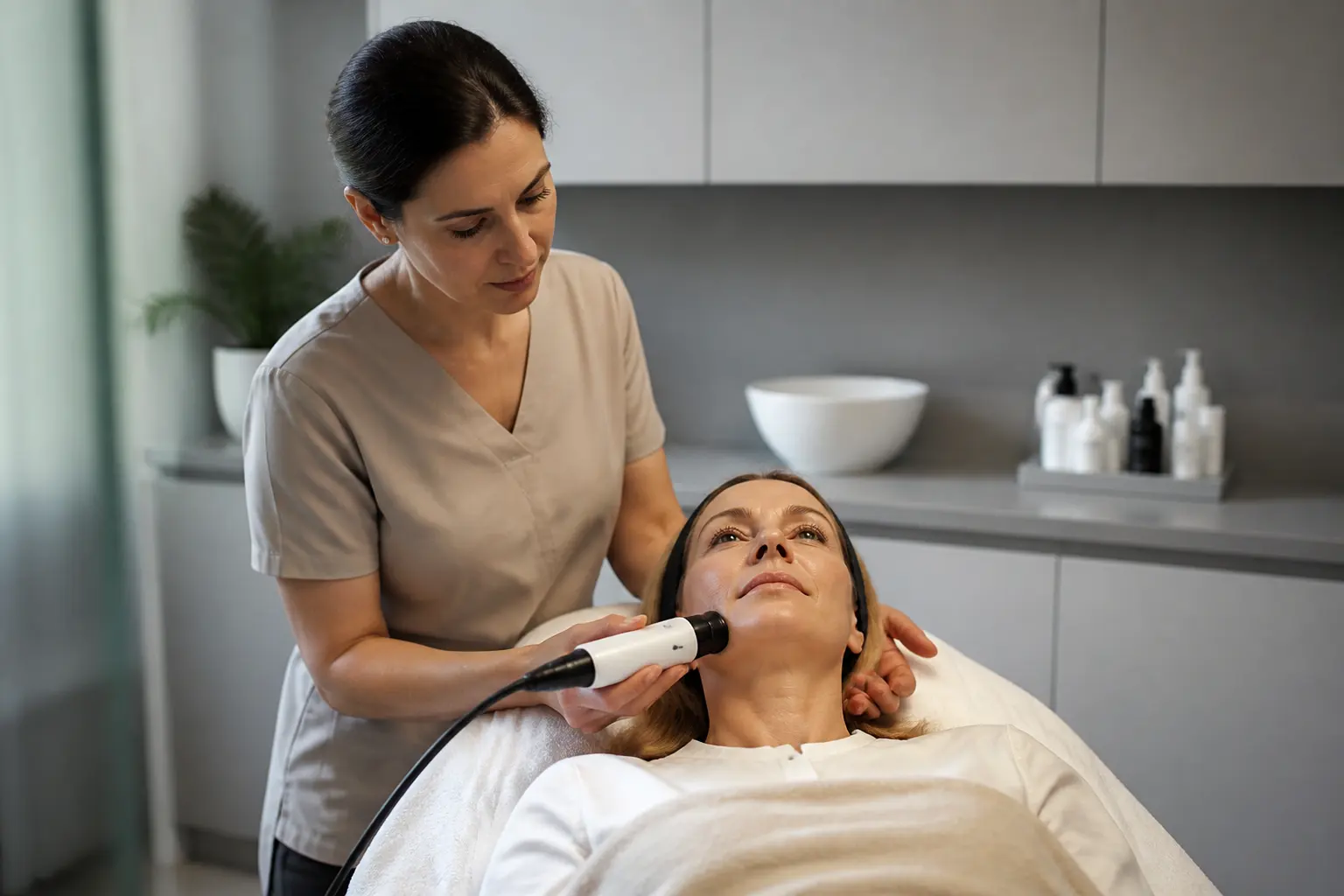
A good facial should not begin with a product. It should begin with a conversation and a close look at your skin.
Skin analysis is the assessment carried out before a facial to understand how your skin is presenting on that day. It helps a beauty professional choose a sensible approach based on visible concerns, your comfort, your routine and the goals you have for the appointment. This matters because skin can change with the weather, travel, sun exposure, stress, hormones, new products and the treatments you have recently used.
At a professional studio, skin analysis is not about putting your complexion into one fixed category and following a generic routine. It is about noticing the details that can influence the facial, then tailoring the appointment accordingly. Whether your skin feels dry, looks congested, becomes shiny through the day or seems more reactive than usual, that starting assessment helps make the service more considered.
For clients in Malta, this can be particularly useful after time in the sun, swimming, travel or changes in humidity. Your usual facial may still be appropriate, but the products, pressure, exfoliation level and focus of the session may need to be adjusted.
What is skin analysis before a facial?
Skin analysis is a professional visual and practical assessment of the skin before a facial begins. It normally combines what the therapist can observe with the information you share during consultation.
The aim is not to make a medical diagnosis. A facial therapist does not replace a dermatologist. Instead, the assessment supports the choice of facial steps that are appropriate within a beauty setting and identifies when it may be wiser to postpone a service or seek medical advice first.
A useful analysis may consider:
- How your skin feels, including tightness, oiliness, dryness, roughness or sensitivity.
- What is visible on the skin, such as congestion, uneven texture, surface dryness, redness or active breakouts.
- Which areas behave differently, for example an oily T-zone with drier cheeks.
- Your current skincare products and any recent changes to them.
- Recent exfoliation, facial treatments, sun exposure or hair removal.
- Known sensitivities, allergies or past reactions to cosmetic products.
- Your practical goal for the appointment, such as a fresher-looking complexion, deep cleansing, hydration or a smoother base for make-up.
Skin types are often described as dry, oily, combination or normal. These labels can be useful starting points, but they are not the full story. For example, someone may have an oily forehead and nose while also experiencing dehydration or sensitivity elsewhere. DermNet notes that combination skin commonly has an oilier T-zone with normal or dry cheeks, which is one reason a single, one-size-fits-all facial approach can miss what the skin actually needs. DermNet
Why a facial should start with assessment
Your skin is not static
It is easy to describe your skin as simply oily or dry, but its condition can vary from week to week. A long flight, a beach day, a stronger active in your home routine or a period of breakouts may change how it responds to cleansing and exfoliation.
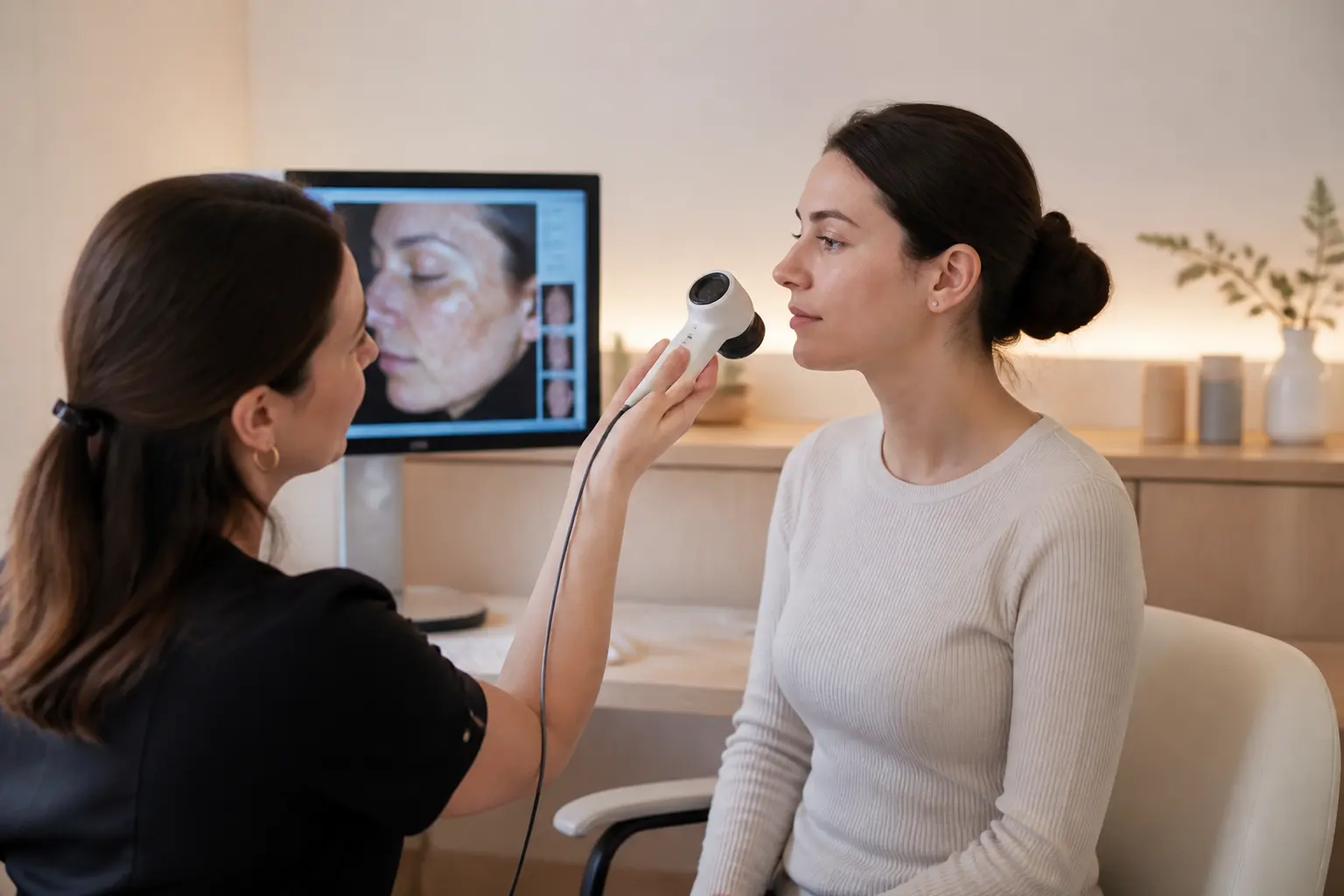
Skin analysis brings the focus back to the present. Rather than assuming that the same facial steps are right every time, the therapist can consider what your skin is showing now. This is especially important if you have booked a facial you have enjoyed before but arrive with a new concern.
It makes your goals clearer
“I want a glow” can mean several different things. You may want makeup to sit more smoothly. You may be concerned about dull-looking skin after travel. You may feel that your pores look more noticeable, or that your skin feels uncomfortable and tight.
Once the goal is clear, it becomes easier to select a suitable focus. A deep-cleansing facial may be considered when congestion is the main concern, while a comfort-led, hydrating approach may be more appropriate when the skin feels dry or easily irritated. The analysis prevents the appointment from becoming a list of steps and turns it into a service with a purpose.
It encourages a gentler, more appropriate approach
More intensity is not automatically better. If skin is already irritated, aggressively scrubbing or layering multiple strong products may not be the right choice. The American Academy of Dermatology advises a gentle, non-abrasive approach for acne-prone skin, noting that irritation can make breakouts appear worse. American Academy of Dermatology
A professional assessment helps decide whether the skin seems ready for exfoliation or whether a calmer session would make more sense. It may also highlight that today is not the day for a particular service.
What happens during a professional skin analysis?
The exact process varies by studio and facial type, but a well-run consultation is usually simple, respectful and focused on relevant details. You should feel able to explain your concerns without needing technical skincare vocabulary.
1. A conversation about your skin and routine
Your therapist may ask what you use at home, whether you have introduced anything new and how your skin has reacted lately. Be open about cleansers, exfoliants, acids, retinoids, prescription products and any treatments you have had elsewhere.
This is not small talk. Product history can change the facial plan. Even products used without a problem for a long time can sometimes become associated with irritation or contact reactions. DermNet explains that cosmetic reactions can occur after years of uneventful use and may involve ingredients such as fragrances or preservatives. DermNet
2. An observation of different facial areas
The therapist then looks at the skin under appropriate lighting. They may compare the forehead, nose, chin, cheeks and jawline, rather than treating the whole face as identical. They will look for patterns such as visible congestion in one area, dryness around another, or a tendency towards sensitivity.
This is also where diversity matters. Skin can show redness, pigmentation and irritation differently across skin tones. A thoughtful facial consultation should not rely on one narrow idea of what healthy skin looks like. It should consider your individual tone, texture, hair removal habits, lifestyle and preferences.
3. Choosing the facial focus
After the assessment, the therapist can explain what they recommend for that appointment. This might mean prioritising gentle cleansing, targeted extractions where appropriate, hydration, a calming approach or a carefully chosen exfoliation step. It can also mean avoiding a step that does not suit the skin’s current condition.
You should always be able to ask why something is being recommended. A good answer will be clear and realistic, not a promise that one appointment will solve every concern.
What should you tell your facial therapist?
The more relevant information you share, the better the service can be personalised. Before your facial, mention:
- Any product that has recently caused stinging, itching, swelling, flaking or unusual redness.
- Whether your skin has been exposed to strong sun, heat or wind.
- If you have used retinoids, exfoliating acids, peels or other active products recently.
- Current prescriptions or advice from a dermatologist that affect your skin.
- Recent waxing, threading, shaving, laser sessions or other hair removal on the face.
- Any known allergy or previous reaction to cosmetics.
- If you are pregnant, breastfeeding or managing a condition that may affect your skincare choices.
- Whether you have an event coming up and how much recovery time you have.
There is no need to stop your usual routine without professional advice just to prepare for a facial. However, sharing what you use gives your therapist important context. If you are unsure of a product name, bringing a photo of the label can be helpful.
Skin analysis and sensitive or reactive skin
People often use the phrase “sensitive skin” to describe stinging, tightness, visible redness or a tendency to react to products. It is a useful description, but it is not a diagnosis on its own. DermNet describes sensitive skin as a term commonly used for reduced tolerance to cosmetics and personal-care products, with symptoms that can include stinging, itching, burning, dryness or redness. DermNet
For a facial, this means it is important not to assume that sensitivity is simply something to push through. A thorough consultation may lead to a gentler protocol, fewer active steps or a decision to postpone if the skin looks particularly unsettled.
If you have experienced facial swelling, a widespread rash, persistent discomfort, weeping skin, severe acne, sudden changes in pigmentation or a reaction that does not settle, a beauty facial is not the right place to investigate the cause. Speak with a pharmacist, GP or dermatologist. A professional studio can still support your beauty routine once it is appropriate to do so, but medical concerns need the right type of assessment.
Why skin analysis matters before deep cleansing and dermaplaning
Different facials call for different levels of assessment. A Brazilian Deep Cleansing facial, for example, may appeal when the focus is congestion, surface build-up or an overall refresh. Skin analysis helps establish whether that is the main priority and whether the skin appears comfortable enough for the planned steps.
Dermaplaning also benefits from a skin-first conversation. The service involves professional exfoliation and removal of fine facial hair with a suitable blade, so the therapist should understand your recent skincare, sun exposure and current skin condition before proceeding. This helps set realistic expectations around comfort, aftercare and the choice of service.
Analysis is therefore not an optional extra added to slow down the appointment. It is what gives the appointment direction. It helps distinguish between wanting smoother-feeling skin, needing a gentler reset or preferring to wait until your skin is more settled.
How to get the most from your consultation
- Arrive with an honest update. Tell the therapist if your skin has changed since booking.
- Avoid guessing. If you do not know whether a product contains an active ingredient, show the label or say you are unsure.
- Share your real goal. Tell them whether you are preparing for an event, managing regular congestion or simply want professional guidance.
- Ask what is being adapted. Understanding the plan helps you feel more confident about the service.
- Follow the aftercare given for your appointment. Your aftercare should reflect the facial you have received and your skin’s response on the day.
It is also wise to test new cosmetic products carefully at home rather than applying several unfamiliar products at once. The American Academy of Dermatology recommends testing a new skincare product on a small area first, because even a product designed for a particular skin type can still cause irritation for some people. American Academy of Dermatology
A facial plan should start with your skin, not a trend
Skin analysis is the foundation of a thoughtful facial because it puts your current skin condition, comfort and goals before a preset routine. It allows the treatment to be adjusted with care, whether you are booking a deep cleanse, a hydrating facial or dermaplaning.
If you are considering a facial in Sliema or Swieqi, book a professional appointment and use the consultation to discuss what your skin needs now. The right starting point is not chasing a trend. It is understanding your skin and choosing a service that suits the day you walk in.
Frequently asked questions
Is skin analysis the same as a medical skin diagnosis?
No. Skin analysis before a facial is a beauty consultation that guides the service. It can identify visible concerns and reasons to adjust or postpone a treatment, but it does not diagnose skin conditions. Seek advice from a qualified medical professional for persistent, severe or worrying symptoms.
Should I book a facial if I have active breakouts?
You can ask for an assessment, but the appropriate facial approach depends on the type of breakouts, skin sensitivity and products or treatments you are using. A professional should assess the skin first and may recommend a gentler approach or advise medical support where needed.
Do I need to arrive without make-up for a skin analysis?
Arriving without heavy make-up can make observation easier, but it is not always essential. If you are wearing make-up, let the therapist know what you have applied. The skin can be assessed after cleansing as part of the appointment.
Can my skin type change?
Your underlying tendencies may remain similar, but your skin’s day-to-day condition can change. Climate, sun exposure, travel, skincare products, stress and seasonal shifts can all affect how it looks and feels.
What if I reacted badly to a product in the past?
Tell your therapist before the facial and share the product name or ingredients if possible. If you have had swelling, an intense rash or a reaction that continues, seek medical advice rather than trying another product or facial step to solve it.
How often should skin analysis be done?
A short review should happen before each facial, even if you are a regular client. Your therapist can then check for changes in your routine, recent sun exposure, new sensitivities and any shift in your skincare goals.