Eyelash Extension Aftercare: Cleansing, Brushing and Oils
Brenda Cammo Team
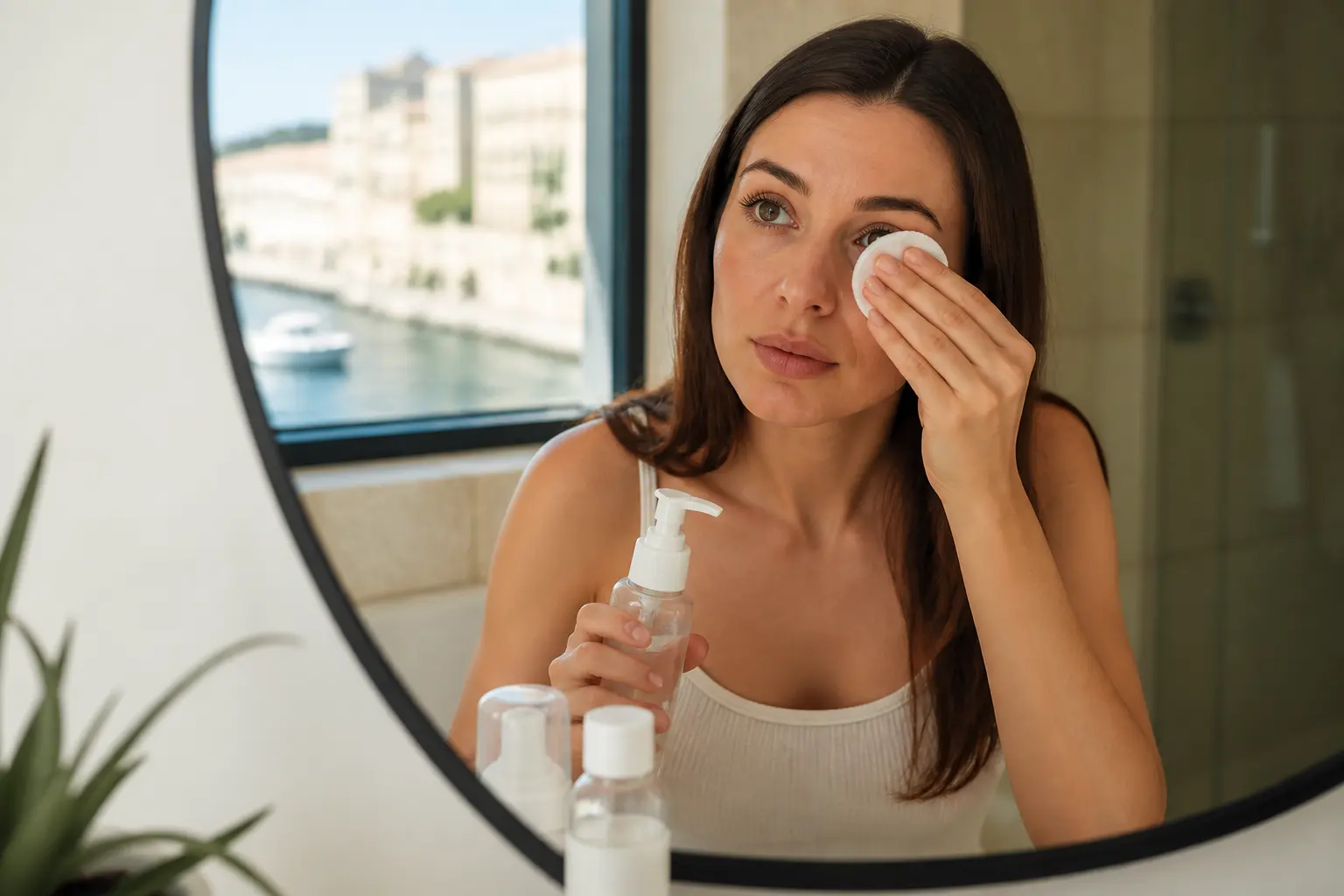
Eyelash extensions can make your everyday routine feel more polished, but their appearance between appointments depends greatly on what happens at home. A simple eyelash extension aftercare routine helps keep the lash line clean, separates the extensions neatly and reduces unnecessary pulling, rubbing and product build-up.
The goal is not to make your routine complicated. It is to be gentle, consistent and realistic for your lifestyle. Cleansing your lashes properly, brushing them with care and checking the products used around your eyes can make a noticeable difference to how tidy and comfortable your extensions look before your next infill.
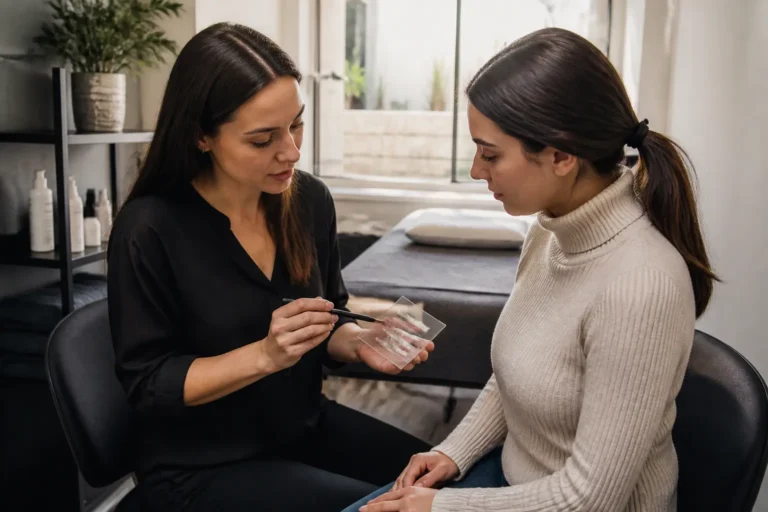
At a professional lash appointment, your artist considers the style, curl, length and placement of the extensions. At home, your role is to protect that work without trying to fix, trim or remove lashes yourself. If something feels uncomfortable, looks uneven or seems to be shedding unusually, the safest next step is to contact the studio for advice.
Why eyelash extension aftercare matters
Natural lashes follow their own growth and shedding cycle. Because extensions are attached to individual natural lashes, it is normal for some extensions to shed as your natural lashes shed. Home care cannot stop this natural process, but it can help you avoid additional loss caused by friction, residue or tangled lashes.
The lash line also needs regular cleansing. Make-up, skincare, natural skin oils, dust and everyday environmental residue can collect around the eye area. If this build-up is left in place, lashes may look less fluffy, feel less fresh or become harder to brush through. Clean lashes are not only about appearance, they are part of maintaining a comfortable routine.
A useful approach is to think of extensions as delicate fibres around a sensitive area. They do not need constant touching, but they do benefit from thoughtful care. The most effective habits are usually the simplest ones: clean gently, dry carefully, brush when dry and avoid products that leave a heavy film near the lash line.
When should you start cleansing eyelash extensions?
Your lash artist should give you specific instructions for the first period after a new full set or an infill, as product systems and appointment details can vary. Follow those instructions first. Once you have passed the initial care period advised by your artist, regular cleansing should become part of your daily routine.
Many people assume that avoiding water forever will help lashes last. In practice, skipping cleansing can allow make-up and residue to remain close to the lash line. The better habit is to follow the post-appointment guidance you receive, then cleanse consistently with suitable products rather than avoiding hygiene altogether.
If you swim regularly, exercise often, wear eye make-up for work or use rich skincare products, you may need to pay particular attention to cleansing around the eyes. This does not mean scrubbing more firmly. It means being more consistent and using a gentle technique.
How to cleanse eyelash extensions properly
A good lash cleanse should feel calm and controlled. There is no need to rush, press hard or pull the extensions in different directions. Set aside a minute at the end of your evening routine so it becomes an easy habit rather than something you only do when lashes begin to look messy.
Choose a lash-safe, oil-free cleanser
Use a cleanser designed for eyelash extensions, or a gentle oil-free cleanser that is appropriate for the eye area. Products containing oils or heavy emollients can leave a coating around the lash line, so they are generally best kept away from extensions unless your lash artist has confirmed that a particular product is suitable.
Oil-free does not have to mean harsh. Avoid using strongly fragranced products, exfoliating acids or face scrubs close to the eyes. These products are not designed for cleaning the lashes themselves and can make the eye area feel irritated if they travel too close to the lash line.
Use clean hands and a soft lash brush
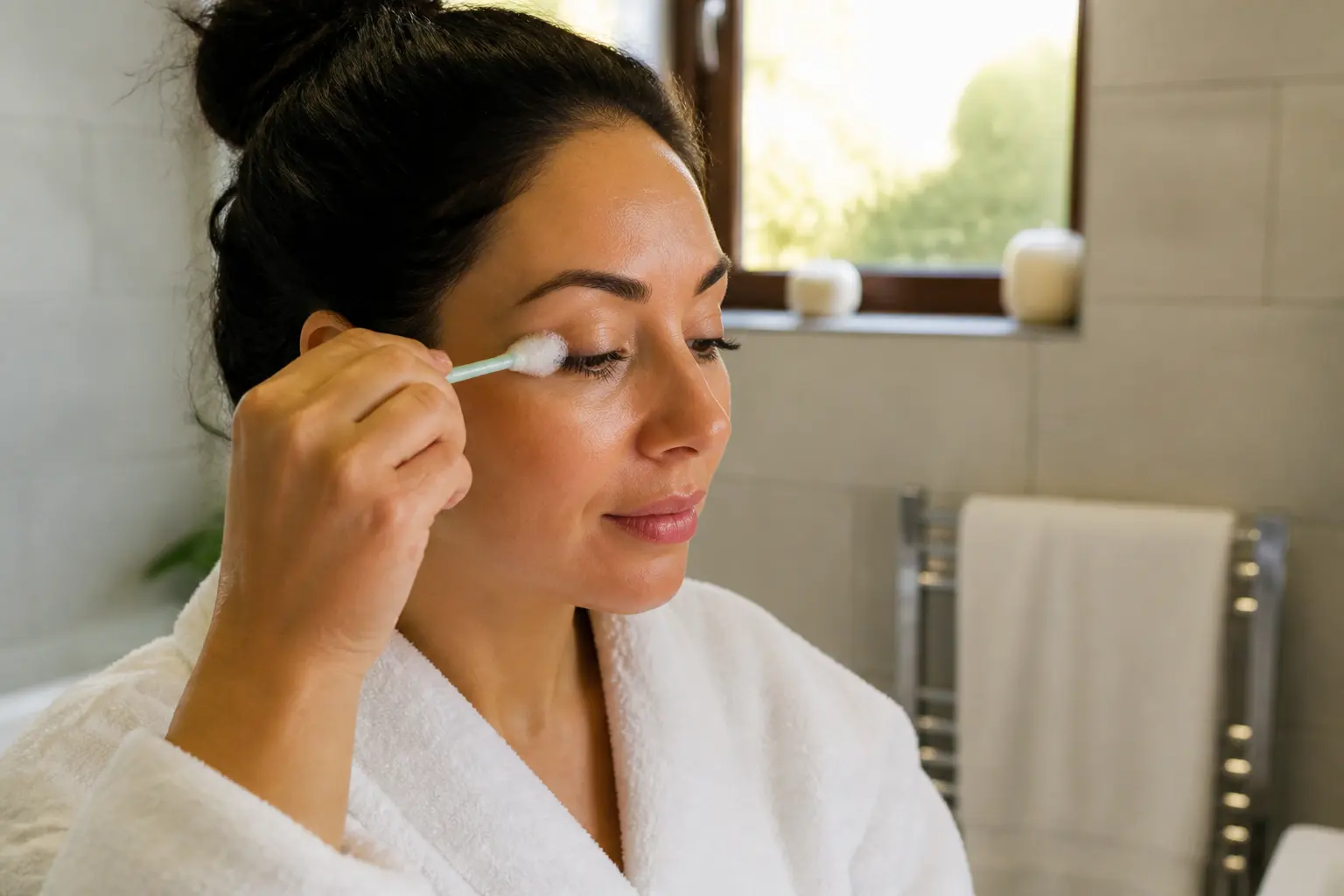
Start by washing your hands. Then apply a small amount of suitable cleanser to a clean lash brush or soft brush made for the eye area. With your eyes closed, use light movements along the lash line and through the extensions. Work gently rather than pressing the brush into the roots.
Keep the movement soft and controlled. You are lifting away residue, not trying to comb or scrub the lashes. A light touch is particularly important where the extensions meet the natural lash. Pulling at this area can create discomfort and can disturb the lash set.
Rinse carefully and dry without rubbing
Rinse away the cleanser with clean water, taking care not to rub your eyes with a towel afterwards. Instead, gently pat around the eye area with a clean, lint-free towel or allow the lashes to air dry. If you use a cool setting on a hairdryer from a safe distance, keep the airflow gentle and avoid using heat near the eyes.
Once the extensions are fully dry, brush them lightly with a clean spoolie. Brushing wet lashes can pull them out of place more easily, so waiting until they are dry is an important small detail.
A simple daily cleansing routine
Consistency is more useful than an elaborate collection of products. The following routine can work well for many people with extensions, while still allowing room for the advice given by your own lash artist.
- Wash your hands before touching the eye area.
- Remove face make-up carefully, keeping oily removers away from the extensions.
- Apply a lash-safe, oil-free cleanser with a clean soft brush.
- Clean gently around the lash line and through the lashes with closed eyes.
- Rinse thoroughly with clean water.
- Pat the surrounding skin dry without rubbing the lashes.
- When the extensions are dry, brush them lightly into place with a clean spoolie.
If you wear little or no make-up, cleansing is still worthwhile. Natural skin oils and daily debris can build up even when you have not applied mascara, eyeliner or eyeshadow.
How to brush eyelash extensions without damaging them
Brushing is one of the easiest ways to keep eyelash extensions looking orderly, but it needs to be done with restraint. A spoolie is there to separate and guide the lashes, not to force a tangled section back into position.
Brush only when lashes are clean and dry. Hold the spoolie underneath the lashes and use gentle upward strokes through the middle and tips. Avoid repeatedly dragging the brush directly across the base of the extensions. The attachment area is not where you need to apply pressure.
For most people, a light brush in the morning and another after cleansing is enough. You may also want to brush after a shower, workout or nap once the lashes are dry. Brushing every time you look in the mirror is unnecessary and can lead to over-handling.
What if a lash looks crossed or twisted?
Try one or two gentle strokes with a clean spoolie. If the lash does not settle, do not pick at it with your fingers, tweezers or nail tips. It may be a natural lash that is ready to shed, or it may need professional attention. Pulling on one extension can affect nearby natural lashes and make the area look less even.
If you notice repeated twisting, gaps or a section that feels uncomfortable, book an infill or contact the studio. A professional can assess whether the lashes simply need maintenance or whether a particular area needs to be removed and refreshed safely.
Why oil-free products are important around extensions
Oil-free products are often recommended for eyelash extension aftercare because oils and rich balms can leave residue around the lash line. This is especially relevant with make-up removers, eye creams, cleansing balms, facial oils and waterproof eye products.
You do not need to stop using skincare altogether. Instead, be deliberate about placement. Apply moisturiser and eye cream carefully, leaving a little space from the lash line. Let products settle before bed, and avoid sweeping rich formulas upwards into the extensions.
When choosing products, check the label but also pay attention to texture. A product may not feel like a traditional oil, yet it can still be very rich or leave a film behind. If you are unsure whether a cleanser, eye cream or make-up remover suits your extensions, bring the product name to your appointment or ask the studio before using it around the eyes.
Products to approach with care
- Oil-based eye make-up removers and cleansing balms.
- Waterproof mascara and waterproof eyeliner, which can be difficult to remove gently.
- Regular mascara applied directly to extensions.
- Heavy eye creams placed too close to the lash line.
- Oil-based facial oils used around the temples and eyes.
- Mechanical eyelash curlers, which can bend or damage extensions.
- False lash strips placed over existing extensions.
This is not about avoiding every beauty product. It is about choosing products that fit your lash routine and removing them carefully. A professional lash set already creates definition, so many clients find they need less eye make-up than before.
Everyday habits that can affect lash retention
Some habits are easy to overlook because they are part of a normal day. Rubbing tired eyes, resting your face into your hands, picking at a loose extension or drying your face vigorously can all create friction around the lash line.
Try to be especially mindful when removing contact lenses, applying sunscreen, putting on a jumper or washing your hair. These are moments when hands and fabric can catch the lashes without you noticing. Slow, gentle movements are usually enough to prevent accidental pulling.
Heat and steam may also affect how lashes look and feel over time. There is no need to avoid ordinary showers, but keep very hot water and prolonged steam away from your face where possible. If you enjoy sauna sessions or very hot baths, ask your lash artist how to plan your routine around your appointments.
Make-up tips for clients with eyelash extensions
Eyelash extensions can work beautifully with make-up, but less is often more around the eyes. Choose lightweight, extension-friendly formulas and take time to remove them at the end of the day.
Powder eyeshadow can usually be used with care, though it should be cleansed away from the lash line. If you wear eyeliner, a light formula that removes easily is often more practical than a waterproof product. Avoid applying liner directly onto the extensions themselves.
Do not use mascara on lash extensions unless your lash artist has specifically advised a compatible product and method. Mascara can make extensions clump together and may make cleansing more difficult. It can also encourage extra rubbing during removal.
When to book an infill instead of trying to fix lashes at home
Home care supports your lash set, but it does not replace professional maintenance. As natural lashes shed, spaces will appear. An infill appointment is the right time to restore fullness and tidy the look of the set.
Book or contact the studio if you notice a significant gap, several lashes turning in the same direction, discomfort, persistent itching, redness, swelling or any change that concerns you. Do not attempt to remove extensions yourself with oils, steam, pulling or household products. Professional removal is the safer route when you no longer want the extensions or need a fresh start.
It is also helpful to mention changes in your skincare, work routine, exercise habits or holiday plans during your appointment. These details can help your lash artist give more personalised aftercare guidance for your day-to-day life in Malta.
Conclusion
The best eyelash extension aftercare is built on three reliable habits: cleanse the lash line gently, brush extensions only when dry and keep heavy or oil-based products away from the attachment area. These steps take little time, yet they help your lashes look fresher and feel easier to manage between appointments.
If you are considering a full set, need an infill or have questions about products already in your routine, book an eyelash extension appointment with Becammo and choose the Malta location that suits you best. A professional consultation at your visit can help you leave with aftercare that fits your lashes and your lifestyle.
Frequently asked questions
Can I wash my face with eyelash extensions?
Yes, once you have followed the initial post-appointment guidance from your lash artist. Wash your face gently and use a lash-safe, oil-free cleanser around the eye area. Avoid rubbing the lashes with a towel afterwards.
How often should I clean eyelash extensions?
Regular cleansing is important, particularly if you wear make-up, sunscreen or skincare near the eyes. A gentle daily cleanse is a practical routine for many clients, but follow the individual guidance provided at your appointment.
Can I use micellar water on eyelash extensions?
It depends on the formula. Some micellar waters may contain oils or ingredients that leave residue. Check that the product is oil-free and suitable for extensions, or ask your lash artist before using it around the lash line.
Why do my eyelash extensions look clumped together?
Clumping can happen when lashes are not cleansed regularly, when they are brushed while wet or when make-up and skincare residue builds up. Clean them gently, allow them to dry completely and use a clean spoolie with light strokes. If they remain clumped, contact the studio.
Can I brush my eyelash extensions when they are wet?
It is better to wait until they are dry. Wet extensions can be more likely to shift when brushed, so pat the area gently and let the lashes air dry before using a spoolie.
What should I do if an extension feels uncomfortable?
Do not pull it out or try to cut it. Contact the studio for advice and arrange professional assessment if needed. Discomfort should always be taken seriously rather than managed by picking at the lash line.