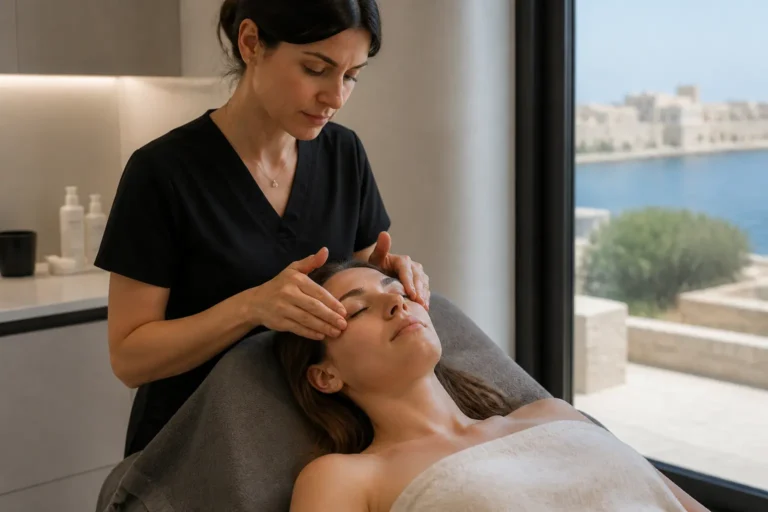
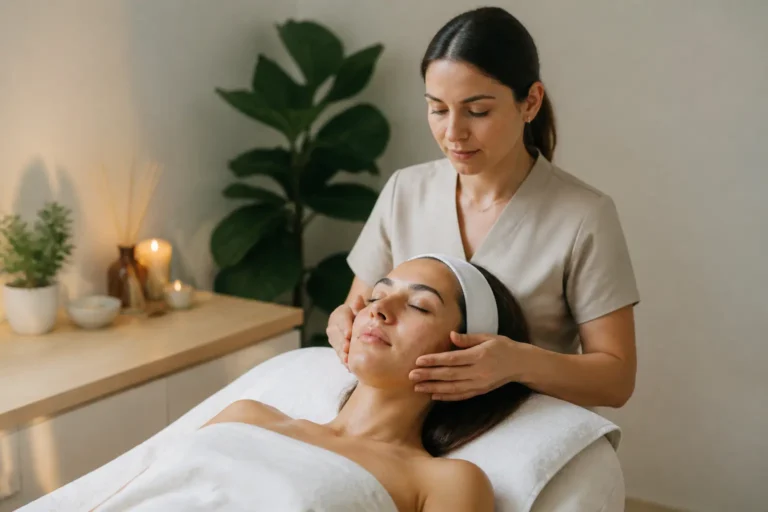
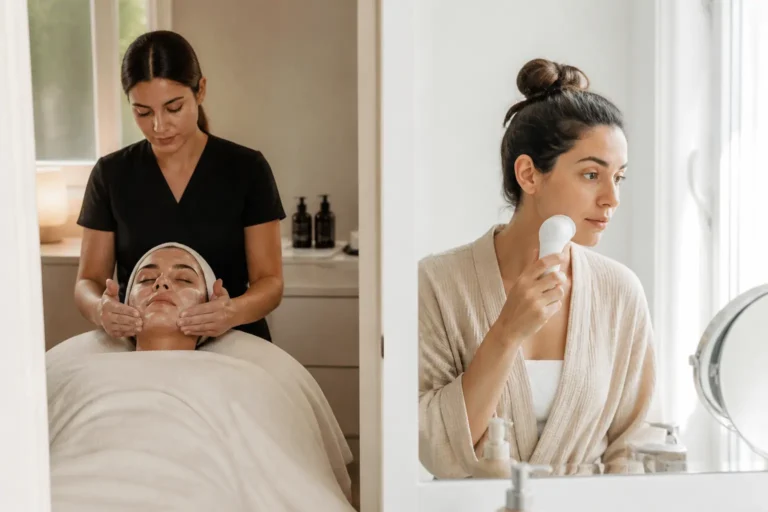
Dermaplaning Aftercare: SPF, Gentle Products and Glow
Brenda Cammo Team
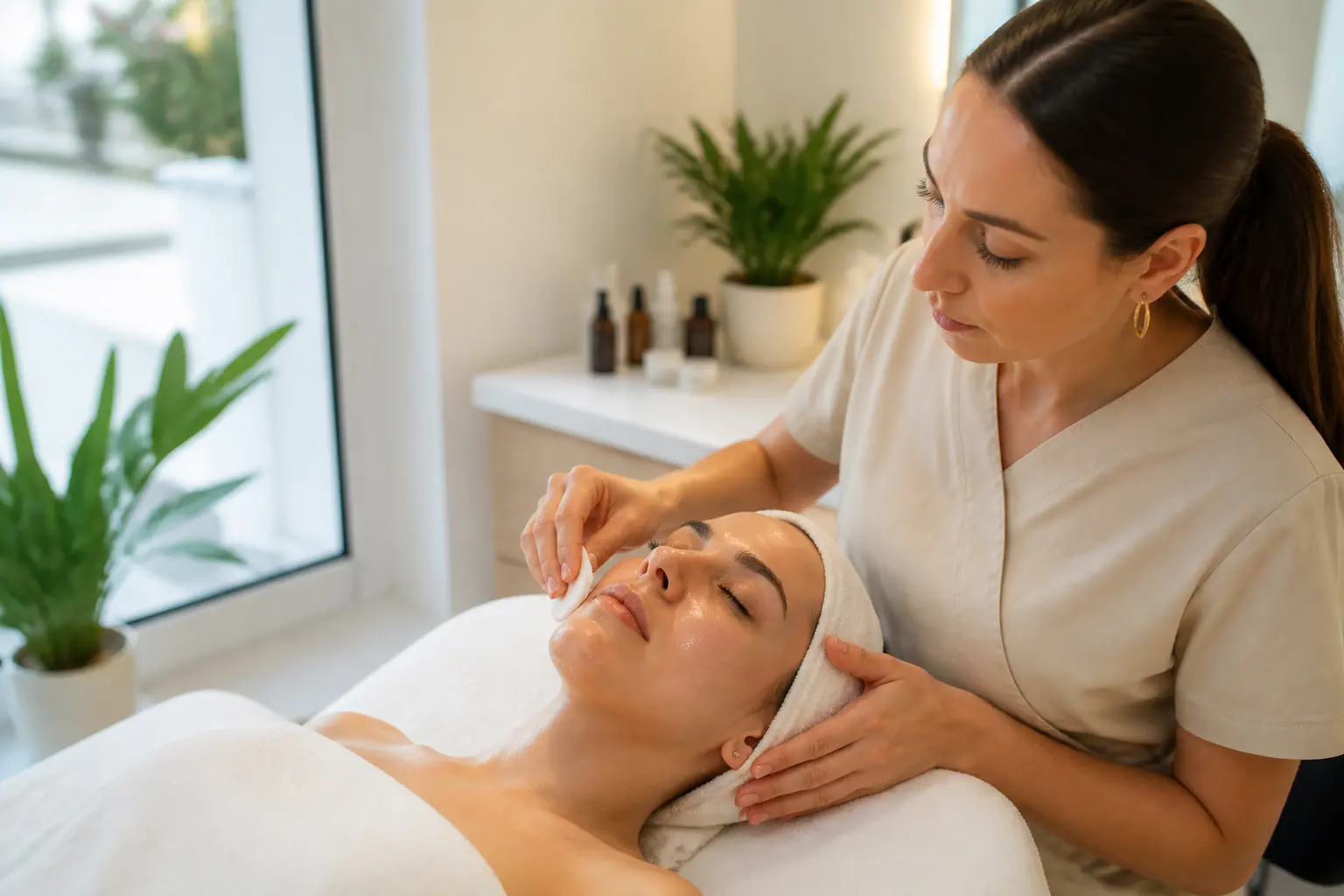
Dermaplaning can leave your complexion looking smoother and make-up may sit more evenly, but what you do after the appointment matters just as much as the treatment itself. A thoughtful dermaplaning aftercare routine is not about adding lots of new products. It is about keeping skin comfortable, protecting it from the Maltese sun and allowing your usual routine to return at a sensible pace.
At a professional studio, dermaplaning is planned around your skin, your current skincare habits and the result you want from the appointment. It uses a specialist exfoliating blade to remove surface build-up and fine facial hair, often called peach fuzz or vellus hair. Afterwards, skin can feel particularly smooth, so it is a good time to focus on gentle cleansing, simple hydration and consistent sun protection.
This guide explains what to prioritise after dermaplaning, what to pause temporarily and how to maintain a healthy-looking glow without overcomplicating your routine.
The main rule after dermaplaning: keep things simple
Immediately after dermaplaning, it can be tempting to try a new mask, a stronger exfoliant or several layers of active skincare. Usually, a quieter approach is more helpful. Your aim is to avoid unnecessary friction and irritation while keeping the skin clean, moisturised and protected.
Think of the first stage of aftercare as a reset. Use products you already know your skin tolerates well, apply them with clean hands and avoid scrubbing. If your therapist gives you individual instructions based on your skin or the version of dermaplaning you booked, those instructions should take priority over general advice.
A simple aftercare routine
- Cleanse with a gentle product and lukewarm water.
- Pat the face dry rather than rubbing it with a towel.
- Use a straightforward moisturiser that feels comfortable for your skin.
- Wear broad-spectrum SPF during the day.
- Introduce stronger products gradually, rather than applying several at once.
The American Academy of Dermatology also advises gentle cleansing and patting the skin dry as part of a basic skincare routine. American Academy of Dermatology guidance on skincare order is a useful reference if you are simplifying your products after an appointment.
Why SPF is essential after dermaplaning
SPF is an everyday essential in Malta, but it deserves extra attention after a facial exfoliation service. Freshly dermaplaned skin should not be treated as an invitation to spend longer in direct sun. Whether you are walking through Sliema, sitting outdoors in Swieqi or travelling around the island, build sun protection into your plans.
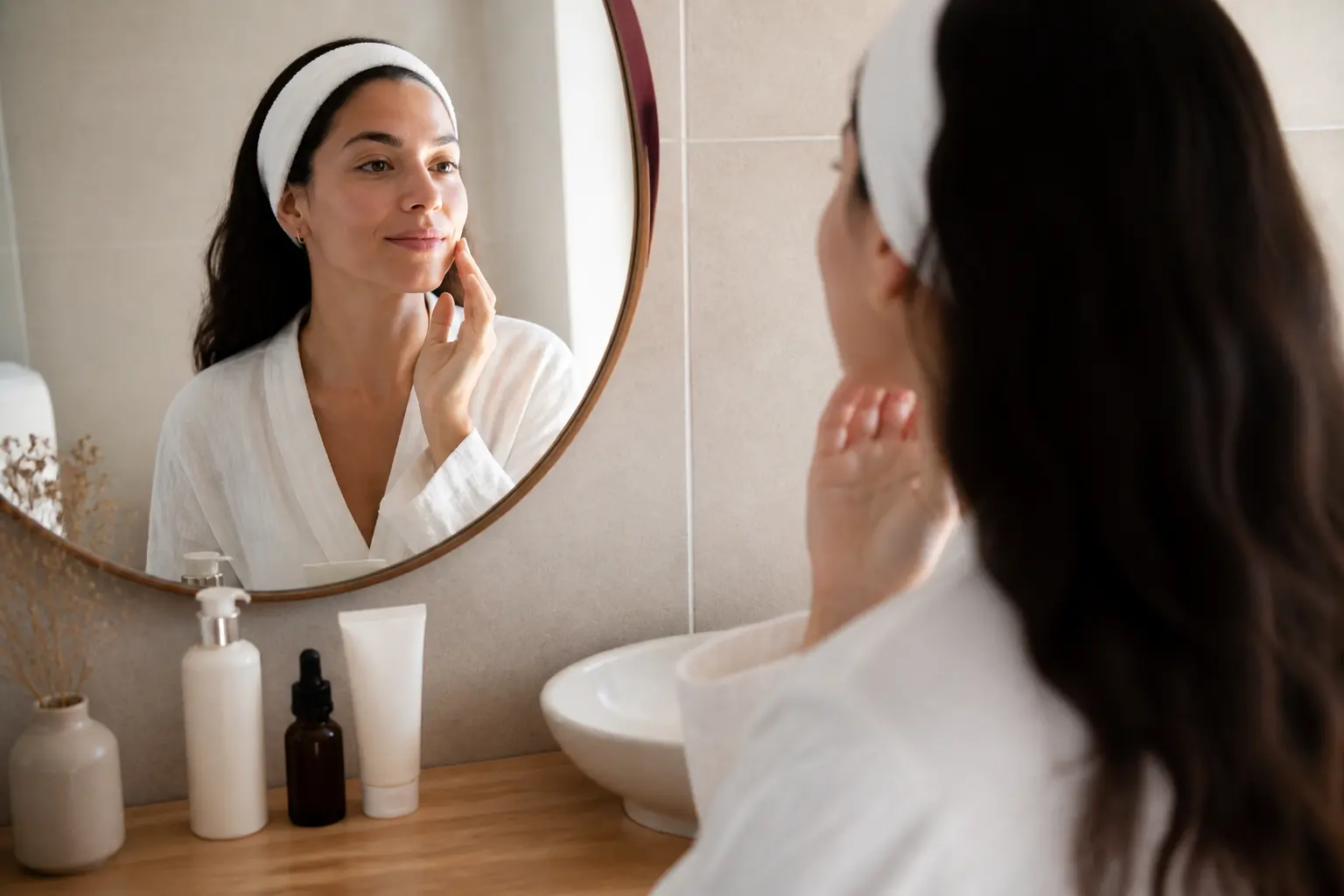
Choose a broad-spectrum sunscreen with SPF 30 or higher if it suits your skin, and use it as directed. Broad-spectrum protection refers to coverage against both UVA and UVB radiation. SPF is not a timer that tells you how many hours you can stay in the sun, so reapplication and other protective habits still matter. The US Food and Drug Administration’s sun guidance recommends broad-spectrum SPF 30 or higher and makes clear that sunscreen should be used alongside shade, hats and other sun-protective measures.
How to make SPF part of your glow-maintenance routine
Many people associate SPF only with beach days. In reality, it is most useful when it becomes a consistent final step in your morning routine. Apply it after moisturiser and before make-up. If you will be outdoors for an extended period, follow the product directions for reapplication, particularly after sweating or time in the water.
For a smoother make-up finish after dermaplaning, allow your skincare and SPF to settle before applying foundation or concealer. Rushing through layers can lead to product rolling or an uneven finish, which is frustrating when you have booked dermaplaning partly for a polished make-up base.
SPF does not need to be heavy or complicated. The right texture is the one you will use consistently, whether that is a cream, fluid or gel format. If you know your skin is prone to sensitivity, choose familiar products rather than testing an entirely new sunscreen immediately after your appointment.
Gentle products to use after a professional appointment
The best products after dermaplaning are often the least dramatic ones. A gentle cleanser, a comfortable moisturiser and daytime SPF can be enough for many people. You do not need a long list of products to support your skin after an exfoliating appointment.
Gentle cleanser
Use a cleanser that removes daily sunscreen, make-up and surface impurities without leaving your skin feeling tight. Avoid using a scrub, rough cleansing tool or exfoliating cloth just because your face feels especially smooth. Dermaplaning has already provided a professional exfoliation step, so there is no need to add physical exfoliation straight away.
Comfortable moisturiser
Choose a moisturiser you have used successfully before. The goal is comfort, not creating a complicated cocktail of new ingredients. Apply it lightly and avoid vigorous rubbing. If your skin feels dry or tight, this is useful information to share at your next appointment so your facial plan can be personalised.
Simple make-up products
You may be able to wear make-up after dermaplaning, depending on your therapist’s advice and how your skin feels. If you do, use clean brushes and sponges. Choose products that you know work for you, especially if you have an event, photo session or holiday planned. This is not the ideal moment to experiment with a new full-coverage base or a heavily fragranced primer.
What to pause or discuss before restarting
Aftercare is also about recognising when less is more. Products designed to exfoliate, resurface or create an intense sensation may not be the best immediate follow-up to dermaplaning. That includes facial scrubs, exfoliating acids, strong peels and products that your skin already finds challenging.
If you use prescription skincare, retinoids or any active product as part of a clinician-led plan, do not make changes without appropriate advice. Mention these products before booking dermaplaning and ask your therapist what to consider around the appointment. A professional consultation is the right place to discuss your routine, sensitivities and upcoming commitments.
It is also sensible to avoid picking at small areas of congestion or repeatedly touching your face. Smooth skin can make you more aware of texture, but close inspection and unnecessary touching rarely improve it. Let your skincare routine do its job quietly.
Signs to take seriously
Mild, short-lived sensitivity can happen after an exfoliating facial service, but ongoing discomfort, notable swelling, a spreading rash or any reaction that concerns you should not be ignored. Stop using any new or irritating product and seek advice from an appropriate healthcare professional. If you are unsure whether dermaplaning is suitable for your current skin condition, ask before booking rather than trying to decide from social media clips or product reviews.
Maintaining the glow without over-exfoliating
A post-dermaplaning glow is often linked to the smoother surface created during the service. Maintaining it is less about trying to repeat that effect at home and more about protecting the skin you have.
Keep your routine steady. Cleanse gently, moisturise according to your skin’s needs and use SPF every day. Drink water as part of your normal routine, prioritise rest where you can and remove make-up carefully at the end of the day. These habits will not replace professional care, but they can make your skin feel more comfortable between appointments.
Be cautious with the idea that more exfoliation automatically means more glow. Combining too many exfoliating products, scrubs or tools can make it harder to understand what your skin is responding to. A professional treatment schedule should be based on your skin, your routine and the goals you discuss at the studio, not on a fixed social-media trend.
Plan around your diary
If you have a beach day, outdoor celebration, wedding, professional photo session or flight coming up, mention it when booking. Timing matters. Your therapist can help you choose an appointment that fits your plans and gives you time to follow aftercare calmly.
This is particularly useful in Malta, where an ordinary day can include walking in bright sun, dining outdoors or spending time near the sea. A hat, shade and reliable SPF are practical additions to your skincare routine, not signs that your glow needs to be hidden.
Professional dermaplaning versus at-home facial shaving
At-home facial shaving and professional dermaplaning are often discussed as though they are identical, but the experience and planning are different. A professional appointment begins with a conversation about your skin and skincare habits. It is carried out with a suitable technique and includes aftercare guidance tailored to the service.
At home, it is easy to rush, use unsuitable tools, repeat the area too often or combine shaving with strong products. The result may not match what you hoped for, particularly if you are preparing for make-up or an occasion. Booking with a trained professional gives you the opportunity to ask questions before the service and receive clearer direction afterwards.
Dermaplaning does not change the fundamental nature of facial hair growth. Fine facial hair continues to grow according to your own natural cycle. If facial hair is your main concern, explain that when you book so the appointment can be matched to your goal.
A practical checklist for the days after dermaplaning
- Use a gentle cleanser and avoid rubbing the face dry.
- Keep moisturising simple with products your skin already knows.
- Apply broad-spectrum SPF each morning, and follow its reapplication instructions when outdoors.
- Use shade, a hat and other sensible sun-protection habits when possible.
- Pause scrubs and strong exfoliating products until your skin feels settled and you have followed your therapist’s advice.
- Keep make-up tools clean if you choose to wear make-up.
- Contact an appropriate healthcare professional if you have a reaction that worries you.
When to book your next facial appointment
There is no single timetable that suits every complexion. Your ideal frequency depends on your skin, your existing routine, how your skin responds and whether you are preparing for a particular event. Instead of booking treatments purely by calendar habit, use your next visit to discuss what you noticed after your appointment. Did your skin feel comfortable? Did you enjoy the make-up finish? Are you using active skincare at home? These details help shape a more personalised plan.
At Becammo, dermaplaning can be part of a considered facial routine rather than a one-size-fits-all beauty task. If you are deciding between Dermaplaning Pro and Dermaplaning SPA, or want to talk through your skincare products before booking, choose the service that fits your plans and ask questions in advance. A calm, well-planned approach gives you the best chance of enjoying the smooth, fresh feel of your appointment.
Frequently asked questions
Should I wear SPF after dermaplaning if it is cloudy?
Yes. Daily broad-spectrum SPF is a practical part of aftercare, including on cloudy days. If you are spending time outdoors, use it as directed and combine it with shade or a hat where possible.
Can I use exfoliating acids after dermaplaning?
Do not rush to layer exfoliating products after an exfoliating facial appointment. Tell your therapist about acids, retinoids and other active skincare before booking, then follow their individual guidance on when to restart your usual routine.
Can I wear make-up after dermaplaning?
This depends on your individual aftercare advice and how your skin feels. If you do wear make-up, use clean tools and familiar products. Give moisturiser and SPF time to settle first for a smoother application.
Will dermaplaning make facial hair grow back thicker?
Dermaplaning does not change the natural growth pattern of facial hair. Fine facial hair will continue to grow according to your own cycle.
What products are best for dermaplaning aftercare?
A gentle cleanser, a moisturiser that suits your skin and daytime broad-spectrum SPF are a strong starting point. Avoid adding several unfamiliar or intensive products immediately after the appointment.
How do I know whether Dermaplaning Pro or Dermaplaning SPA is right for me?
Start with your goal, your current skincare routine and any upcoming event. When you book at Becammo in Sliema or Swieqi, ask which option best suits the experience and aftercare plan you have in mind.
For a smoother make-up base and a carefully planned facial appointment, book dermaplaning at the Becammo location that is most convenient for you. Bring your skincare questions with you, especially if you regularly use active products or are planning time outdoors.