Underarm Laser Hair Removal: Quick Sessions, Lasting Routine Change
Brenda Cammo Team
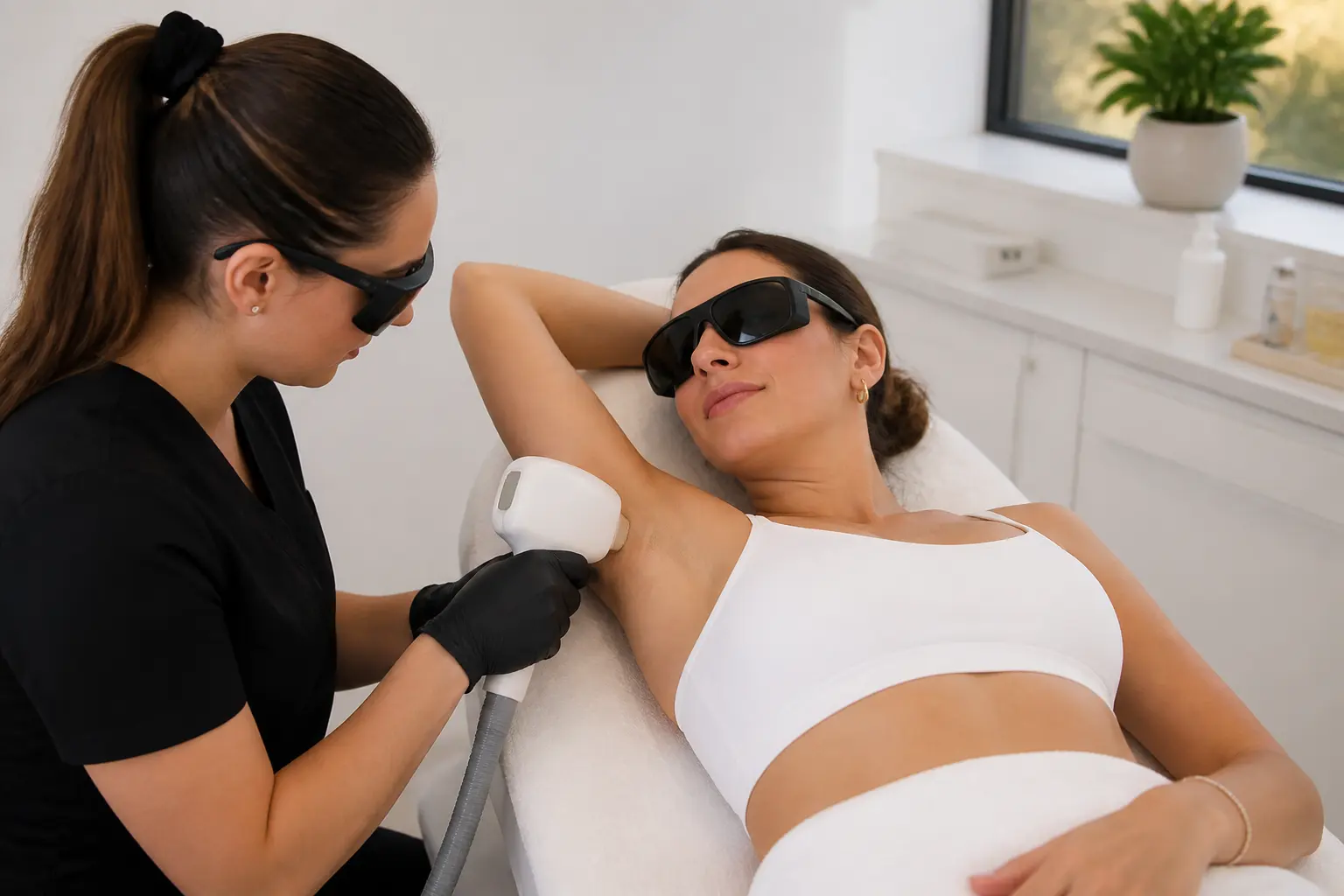
Underarm laser hair removal is often chosen for one simple reason: it can make a regular grooming routine feel more manageable. Underarms are a relatively small treatment area, so appointments can be convenient to fit around work, study, travel and everyday plans in Malta. Yet a quick appointment does not mean an identical experience for everyone. Your hair colour and density, skin tone, recent sun exposure, previous hair-removal methods and the stage of your hair-growth cycle all matter.
If you are thinking about booking, it helps to view laser as a course of planned sessions rather than a one-off beauty task. The aim is to work gradually with hair as it grows through different cycles, while keeping your skin care and preparation consistent. A professional conversation before treatment is the right place to share your goals, ask questions and understand the guidance that applies to you.
Why underarms are a popular area for laser hair removal
Underarm hair can become part of a frequent routine of shaving, waxing or using hair-removal creams. For some people, the practical issue is the time spent maintaining the area. For others, it is the wish to rely less on last-minute grooming before the beach, the gym or a sleeveless outfit. Underarm laser hair removal offers a structured alternative that can be planned over time.
The area is compact and easy to access during an appointment. This often makes the active laser portion of a visit shorter than it would be for larger areas such as full legs or back. It is still important to allow time for the provider’s checks, skin preparation and the aftercare advice you need that day.
Results and the number of sessions needed vary. Laser targets pigment in the hair, and outcomes can be influenced by the contrast between hair and skin, the thickness of the hair, the equipment used and the growth phase of individual hairs. The American Academy of Dermatology also notes that several treatments are commonly needed, rather than one session being enough for every hair in an area.
What happens during an underarm laser appointment?
A professional appointment should begin with a clear review of the treatment area and your relevant history. Be ready to mention changes that may affect the plan, including recent tanning, skin sensitivity, new skincare products, medicines, past reactions to hair removal or any change in your health that you think may be relevant. Honest information helps the provider decide whether treatment can go ahead as planned or whether it is better to wait.
1. Reviewing the area and your goals
Underarm hair is not the same for every client. It can be fine or coarse, sparse or dense, and it may grow in different directions. The consultation is an opportunity to discuss what you currently do to remove hair, whether you want to reduce the effort of shaving, and how you would like the area to fit into your wider self-care routine.
This conversation should also set realistic expectations. Laser hair removal is not a promise of the same response for every person. Progress is usually assessed across a course of appointments, not judged only by how the skin looks immediately after the first session.
2. Preparing the skin for treatment
The underarm skin should be clean and ready according to the instructions you have been given. On the day, avoid assuming that deodorant, fragrance, body lotion or a fresh tan will be suitable for treatment. Product residue can matter, so follow the studio’s pre-appointment guidance closely and ask in advance if you are unsure about a product you use daily.
Sun exposure and tanning deserve particular attention in Malta, where sunny days are part of life for much of the year. The American Academy of Dermatology’s preparation guidance advises avoiding tanning and protecting skin from the sun before laser hair removal. If you have recently been in strong sun, used tanning products or are about to go on a sun-focused holiday, mention it when you book so your timing can be discussed safely.
3. The laser portion of the session
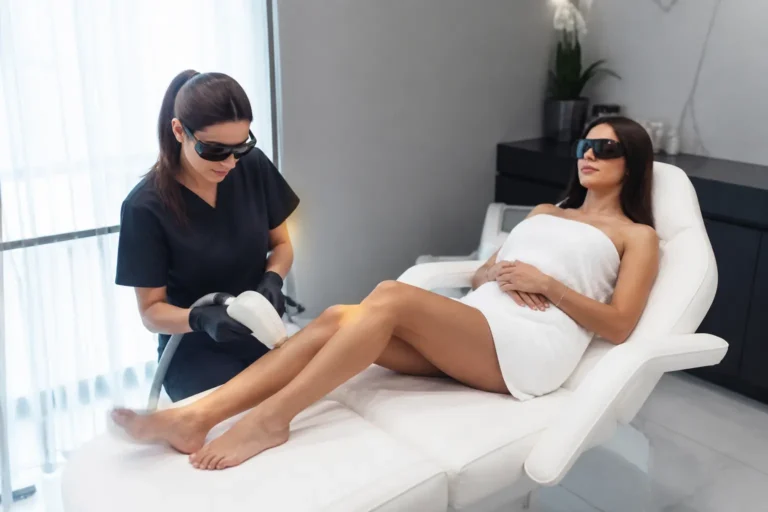
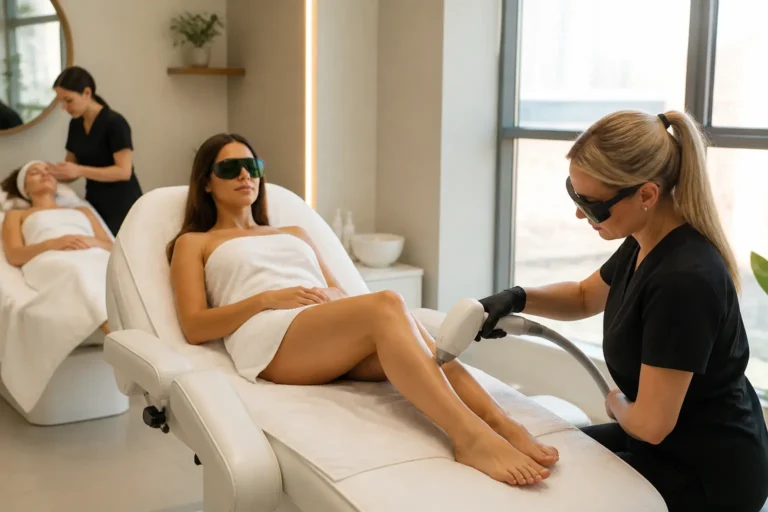
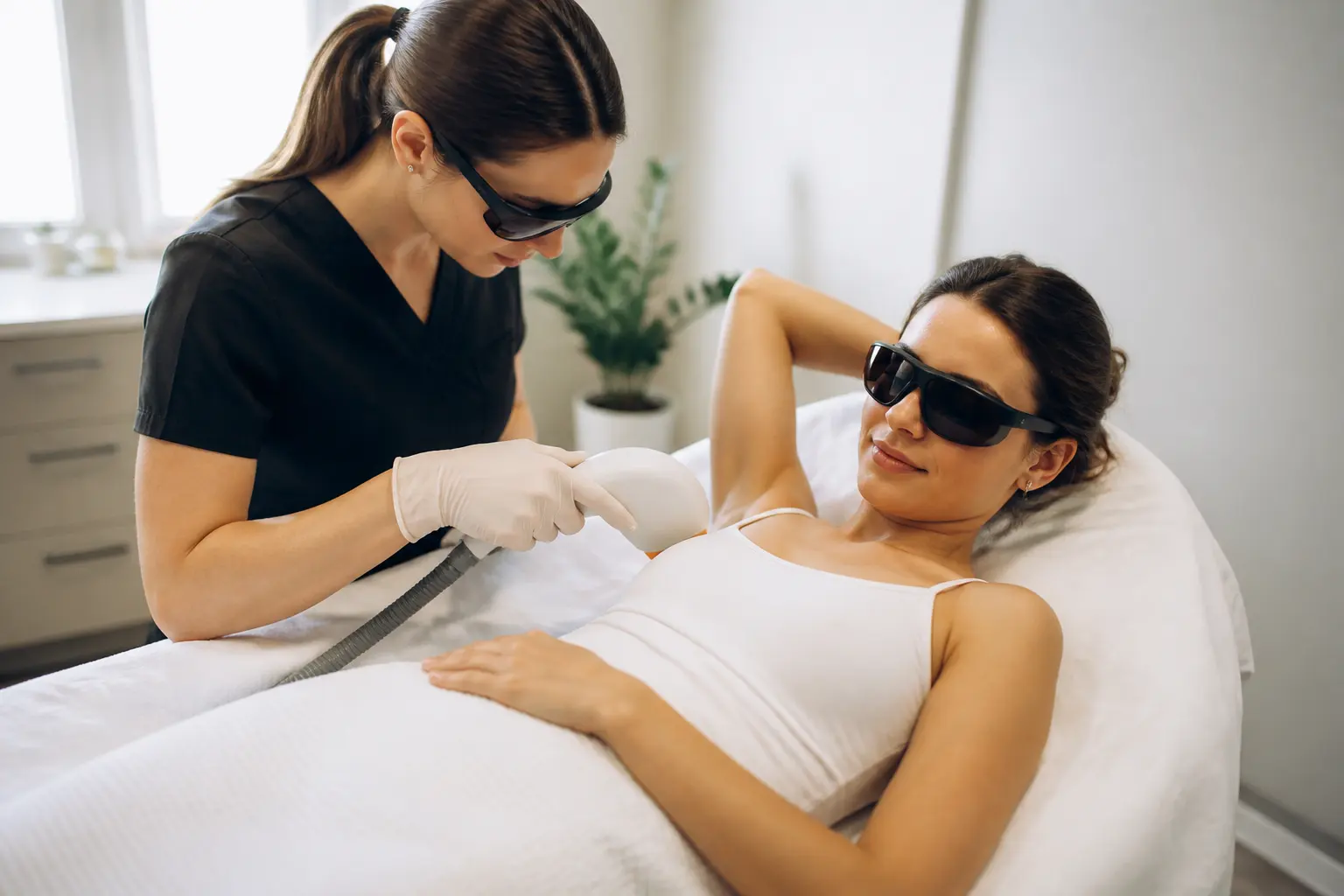
Protective eyewear is used during laser treatment. The provider works across the underarm area with controlled pulses, treating it methodically rather than rushing through it. Sensation varies. Some people describe short moments of warmth or a quick snapping feeling, while others find particular points more noticeable. It is appropriate to say if you are uncomfortable, as communication is part of a well-managed appointment.
Because the underarm is a smaller area, the laser portion itself can be brief. Your full visit, however, is more than the minutes spent treating the skin. Good preparation, checking in and receiving tailored aftercare advice are all part of the value of professional care.
4. Immediate checks and aftercare guidance
Temporary redness or a warm, sensitive feeling can occur after laser hair removal. The American Academy of Dermatology describes redness and swelling after treatment as common, with many people returning to normal activities afterwards. Your provider should explain what is expected for you, which products to pause if needed, and when to contact the studio or seek further advice if something does not seem right.
How to prepare for underarm laser hair removal
Your own studio’s instructions always come first, since preparation can differ according to your skin, hair and treatment plan. These practical points make it easier to arrive prepared for the conversation.
- Discuss sun exposure early. Tell the studio about recent sunbathing, a holiday, tanning beds or self-tan. Do not leave this until the treatment room.
- Ask how to manage hair before your appointment. Shaving is commonly discussed before laser sessions, while methods that pull hair from the follicle may not fit the treatment plan. The right timing should be confirmed by your provider.
- Keep the skin free from unnecessary residue. Ask specifically about deodorant, perfume, lotion, antiperspirant and exfoliating products for the treatment day.
- Share medicines and skin concerns. Bring up prescription or over-the-counter medicines, active skincare, a tendency to pigmentation changes, scarring concerns or previous irritation. Do not decide on your own that these details are unimportant.
- Wear comfortable clothing. A loose top can feel more pleasant if the underarm area is temporarily sensitive after the appointment.
It is also wise to avoid treating a laser appointment as an add-on to a packed day of heat, heavy exercise and outdoor sun. Give yourself room to follow the aftercare you receive rather than trying to work around it.
Between sessions: what a realistic routine looks like
Hair grows in cycles, which is why laser appointments are normally spaced out. Not every follicle is in the same active phase on the day of treatment. A course is planned to give the area repeat opportunities for treatment as growth changes over time.
You may notice that hairs do not all behave uniformly after a session. Some may appear to grow before shedding, while other parts of the area may look quieter. This is a reason to keep expectations measured and to attend follow-up appointments as recommended for your own plan.
Between appointments, avoid changing your hair-removal routine without checking first. Methods such as waxing, plucking, epilating or threading remove hair from the root, which may not align with a laser course. If shaving is part of your plan, ask when the skin is ready and how to do it in a way that respects any short-term sensitivity. A patient information leaflet from Leeds and York Partnership NHS Foundation Trust similarly advises discussing shaving, avoiding root-removal methods during a course, and taking care with heat and perfumed products after treatment.
Underarm laser and deodorant: what should you do?
This is one of the most useful questions to ask before booking because deodorant is part of nearly everyone’s daily routine. The answer can depend on the product, the condition of your skin and the studio protocol. A provider may ask you to arrive with clean underarms and no deodorant or fragrance, then advise when it is comfortable to return to your usual product after treatment.
Do not rely on a generic online rule if your underarms feel irritated, freshly shaved or unusually sensitive. Instead, describe the product you use, especially if it is strongly fragranced, exfoliating or marketed as clinical strength. A simple question before your appointment can prevent uncertainty on the day.
When should you postpone or seek individual advice?
Laser hair removal should be approached thoughtfully, not squeezed in regardless of what is happening with your skin. Contact the studio before travelling in if you have a recent tan, sunburn, a rash, broken skin, an active skin irritation or any new health or medication concern that may be relevant. The studio can advise whether your appointment needs to be adjusted.
Equally, if you have had an unexpected reaction after a previous session, do not simply rebook and hope it will be different. Tell the provider exactly what happened, when it started, how long it lasted and what products you used afterwards. This information supports a more careful plan.
Choosing underarm laser hair removal in Malta
Convenience matters, especially when laser is part of a series rather than a single visit. Choose a studio where you can comfortably return for follow-up sessions and where it is easy to ask questions. At Becammo, laser hair removal appointments can be selected through the online booking system according to the service and the most convenient location in Sliema or Swieqi.
Before committing, focus on the quality of the conversation as much as the convenience of a short session. You should feel able to ask about your hair and skin profile, preparation, expected spacing, discomfort, aftercare and the kinds of changes that would mean postponing an appointment. Clear, individual guidance is far more useful than a one-size-fits-all promise.
Conclusion
Underarm laser hair removal can be a practical choice for anyone who wants to reduce the constant attention that underarm grooming can demand. Sessions may be quick because the area is small, but the best approach is still a considered one: prepare properly, protect your skin from sun exposure, follow your individual aftercare and allow the process to develop over planned appointments.
If you are ready to explore whether underarm laser fits your routine, book a consultation or appointment with Becammo and share any questions about your skin, hair-removal habits and upcoming plans. The final banner below is a straightforward next step for choosing the laser service that suits you.
Frequently asked questions
How long does an underarm laser hair removal appointment take?
The treatment area is small, so the active laser portion can be short. Your overall visit also includes preparation, checks and aftercare advice, so allow enough time to avoid rushing.
How many underarm laser sessions will I need?
The number varies by person. Hair colour, thickness, growth cycle, skin profile and response across the course all influence the plan. Your provider can give more relevant guidance after assessing the area.
Can I shave between underarm laser sessions?
Shaving may be part of many laser plans, but timing should be confirmed with your provider. Avoid switching to waxing, plucking or other root-removal methods without asking first.
Can I wear deodorant after underarm laser hair removal?
Ask for specific advice based on your skin and the product you use. You may be asked to keep the area clean and avoid fragranced or potentially irritating products for a period after treatment.
Does underarm laser hair removal hurt?
Sensation differs from person to person. Some people notice warmth or quick snapping sensations during the pulses. Tell your provider how it feels so they can guide you appropriately.
Can I book underarm laser hair removal before a sunny holiday?
It is important to discuss holiday timing and recent or planned sun exposure before booking. Tanning and strong sun exposure can affect whether treatment should go ahead and how you should prepare.