How Brow Lamination Works: The Science Behind Reshaped Hairs
Brenda Cammo Team
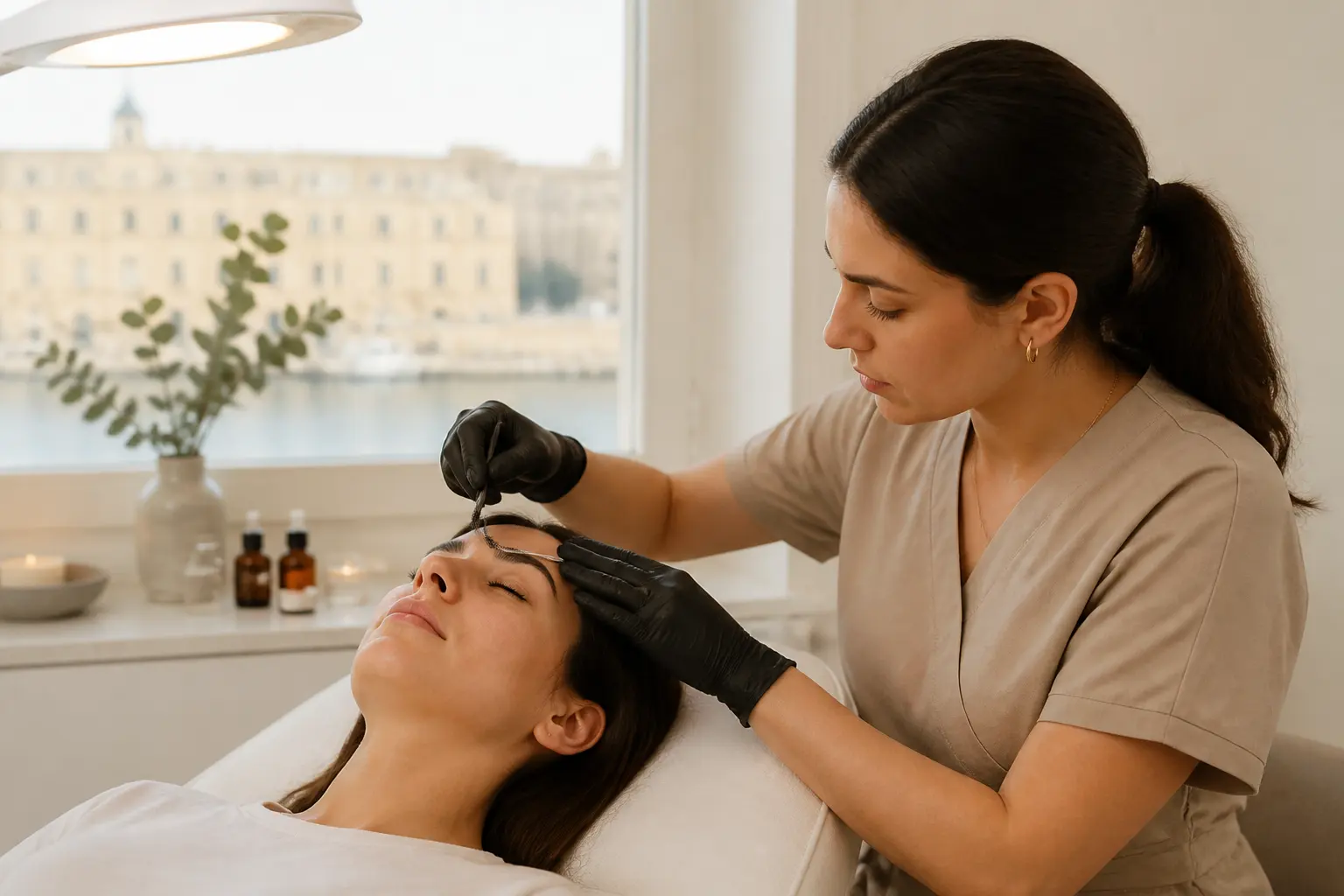
Brow lamination is often described as a way to create fuller-looking, brushed-up brows. That is true, but it does not quite explain what happens during the service. The visible change comes from working with the brow hairs you already have, using carefully selected products and precise styling to guide them into a more uniform direction.
If you are considering brow lamination in Malta, understanding the process can make the decision feel more straightforward. It is not a brow tattoo, it does not add individual hairs, and it does not change the shape of your face overnight. Instead, it temporarily alters how the existing brow hairs sit, helping the brow line look softer, more lifted or more defined depending on your natural growth pattern and the design agreed with your brow artist.
At a professional studio, the service should begin with a conversation about your brow hair, skin and desired finish. That assessment matters because brow lamination is not about pressing every hair straight upwards. The most balanced result is personalised to your features, the density of your brows and how the hairs naturally grow.
What brow lamination is designed to do
Brow lamination is a cosmetic brow service that helps make natural brow hairs more flexible for a short period, so they can be brushed and arranged into a new direction. Once styled and set, the hairs can appear more aligned and easier to groom.
For some people, that means a fluffy, feathered finish. For others, it means taming brow hairs that grow downwards, cross over one another or sit unevenly through the arch and tail. It can also help a brow look more open without removing large amounts of hair.
The key point is that lamination works with the hairs that are present. It may make sparse areas look less noticeable when longer hairs can be directed across them, but it cannot create follicles or replace missing brow hair. If your aim is to make a decision about semi-permanent brow techniques, a dedicated consultation is the more appropriate starting point.
The science in simple terms: keratin and hair bonds
To understand how brow lamination works, it helps to look at the structure of a hair. Brow hair is made largely of keratin, a tough protein. Within that protein structure are chemical links, including disulphide bonds, which contribute to the hair fibre’s natural strength, flexibility and shape.
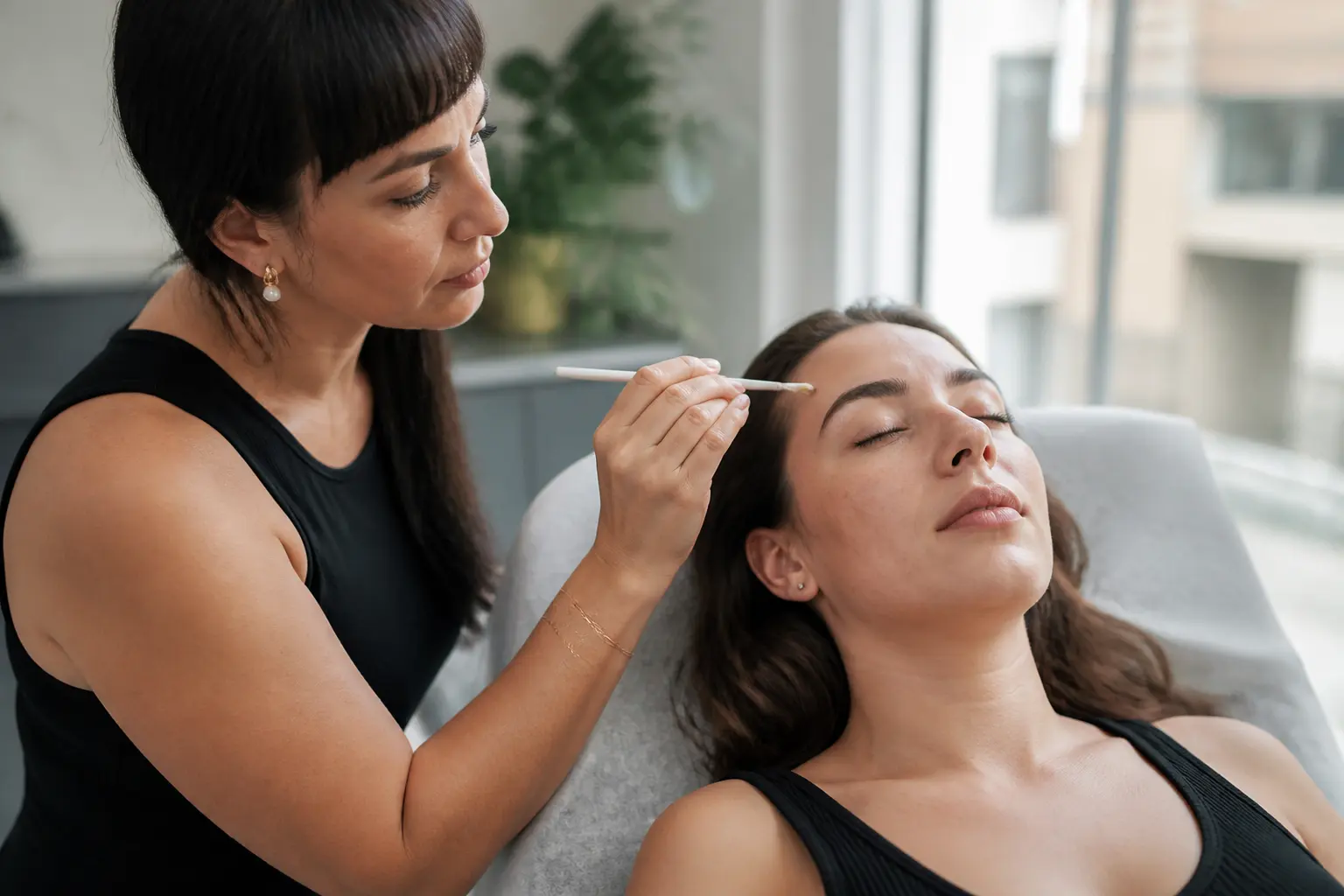
Cosmetic reshaping services use a controlled chemical process to make some of those structural links temporarily easier to rearrange. Research on permanent waving chemistry explains that reducing agents can alter disulphide bonds in keratin, allowing hair to be moved into a different configuration before an oxidising or neutralising stage reforms bonds in the new position. PubMed’s summary of research into permanent waving treatments describes how both processing time and formulation influence this reaction.
This is why brow lamination is more than styling gel. Gel can hold hairs in place until it is washed away. Lamination changes the manageability of the hair fibre during the appointment, allowing the artist to comb and place hairs in a planned direction before the service is completed.
That does not mean brow hairs should be treated casually. Hair chemistry is sensitive to product choice, timing and the condition of the hair. Repeated chemical processing can affect the physical properties of hair fibres, which is one reason a professional should avoid a one-size-fits-all approach. A review of hair colouring and perming chemistry notes that these processes affect the hair shaft’s structure, supporting the need for careful technique rather than excessive processing. Read the scientific review on chemical hair treatments.
How a professional brow lamination appointment works
Exact steps can vary according to the professional product system used and the condition of your brows. However, a careful appointment follows a logical sequence rather than simply applying products and brushing the hairs upwards.
1. Consultation and brow assessment
Your artist begins by looking at the direction, texture and density of your brow hairs, as well as the skin around the brows. This is the moment to mention any known sensitivities, recent reactions to cosmetic products, active irritation or previous brow treatments.
You can also discuss the finish you prefer. A strong editorial brow is not the only option. A softer, lifted shape, a gentle arch or a tidier natural brow may be better suited to your everyday routine. The right direction for the hairs depends on your facial balance and natural brow pattern, not on copying a single trend.
2. Cleansing and preparation
The brow area needs to be clean before products are applied. Makeup, oils and heavy brow products can interfere with a precise service, so arriving with clean brows is helpful. If you regularly use brow gel, mention it during your appointment, particularly if there is product build-up or if you have recently changed your routine.
3. Softening the hair structure
The first professional solution is used to make the hairs more pliable. This is the restructuring stage. The product is applied with care, kept away from the eyes and monitored according to the manufacturer’s directions and the needs of the individual client.
This timing is not a detail to rush. Coarse, wiry brow hairs and finer brow hairs may not respond in exactly the same way. An experienced artist observes the hair rather than assuming everyone needs identical processing. Leaving chemical products on for longer does not automatically produce a better result. It can simply place unnecessary stress on the hairs and surrounding skin.
4. Brushing and placing the brow hairs
While the hairs are manageable, the artist brushes them into the agreed direction. This is where design knowledge becomes especially important. The front of the brow may be styled differently from the arch or tail. A very upright front can suit some faces, while others benefit from a more diagonal, softened direction that still looks polished.
The goal is visual harmony. A professional brow design considers the natural starting point of the brow, the height and direction of the arch, the tail, and the relationship between both brows. As brows are naturally sisters rather than identical twins, the artist may make small adjustments to achieve an overall balanced appearance.
5. Setting the new direction
A subsequent product stage helps stabilise the hairs after they have been placed. In broad chemical terms, this stage supports the re-forming of structural links after the earlier softening process. That is the reason the hairs can remain easier to style in their new direction after you leave the studio.
The science should not be confused with a promise of an identical result for every person. Brow hair grows in cycles, varies in texture and is exposed to cleansing, skincare, sleep, exercise and everyday grooming. Your individual result and how long it remains easy to style will depend on those factors as well as the condition of your brow hairs.
6. Finishing the design
Depending on the service agreed, the appointment may include careful brow shaping, trimming where appropriate, or colour work such as tint or henna. These are separate elements with different purposes. Lamination changes hair direction. Tint and henna focus on colour and definition. Threading removes selected unwanted hairs to refine the outline.
Combining services can be useful, but it should always be planned thoughtfully. Your artist can advise whether a particular combination fits your brow condition, skin sensitivity and preferred look.
Why professional timing and assessment matter
The products used in brow lamination are active cosmetic products. They are designed for controlled use, not for experimentation at home. European consumer-safety guidance has assessed thioglycolic acid and related salts in cosmetic contexts, underlining why ingredient safety and product-specific instructions matter. See the European Commission’s scientific opinion on thioglycolic acid and its salts.
A professional service is not only about creating a neat photograph at the end. It includes checking whether the treatment is appropriate on that day, working hygienically, following the product protocol, protecting the eye area and stopping if the skin or client’s comfort indicates that continuing is not suitable.
Patch testing may also be required or recommended according to the product protocol and your service history. It is particularly important to disclose previous reactions to brow or lash products, hair colouring products, fragrances or cosmetics. A patch test can reduce uncertainty, but it does not turn an unsuitable service into a suitable one. If you experience redness, itching, swelling, burning or other signs of irritation, tell your artist promptly and do not proceed without professional guidance.
Who may enjoy brow lamination?
Brow lamination can be worth discussing if your eyebrow hairs:
- Grow downwards or in several directions
- Are long enough to brush into a more even pattern
- Feel difficult to style with ordinary brow products
- Look fuller when brushed across slightly sparse areas
- Need a more polished finish for an event or everyday routine
It may be less appropriate to book immediately if the skin around your brows is irritated, broken or actively reacting, or if your brow hairs feel fragile following recent chemical services. An assessment is the safest way to decide. Being honest about your skincare and beauty routine gives your artist better information to personalise the appointment.
What brow lamination cannot do
Understanding the limits of the service is part of getting a result you will enjoy. Brow lamination cannot:
- Create new hair growth or fill an area with no brow hair
- Make both brows perfectly identical
- Override every natural difference in density or growth direction
- Replace a personalised shaping plan where unwanted hairs need tidying
- Guarantee that every brow will achieve the same fluffy, dramatic finish seen online
A strong result is often subtle. It should make your own brows easier to style and more intentional, while still looking like they belong to you.
Looking after laminated brows
Your brow artist will give you aftercare instructions based on the products used during your appointment. Follow them closely, especially during the initial period after the service. In general, avoid treating your brows as though they need vigorous brushing, scrubbing or constant product layering. The hairs have been professionally processed and benefit from gentle handling.
At home, a clean spoolie can help you brush the hairs into place once your artist confirms it is appropriate to do so. If you use makeup or skincare around the area, cleanse gently and avoid rubbing the brows. If you notice irritation or an unexpected reaction, stop using additional brow products and contact the studio for guidance.
It is also sensible to plan future lamination appointments around the condition of your brow hairs rather than booking automatically. Your artist can assess whether the hairs are ready for another service and recommend a schedule that respects their texture and appearance.
Choose a brow look that feels like you
The appeal of brow lamination is not that every client leaves with the same lifted brow. It is that the service can make natural hairs easier to direct into a shape that suits the individual. The chemistry creates the opportunity for repositioning, while the design work decides how that opportunity is used.
At Becammo, brow services are approached with attention to your natural growth pattern, facial balance and desired level of definition. If you are considering brow lamination, book a professional appointment at the Sliema or Swieqi studio and share any questions about your brow hair, skin or preferred finish before the service begins.
Frequently asked questions
Does brow lamination add extra brow hairs?
No. Brow lamination works with the hairs you already have. By directing them more evenly, it can make the brow appear fuller in some areas, but it does not create new follicles or new hairs.
Is brow lamination the same as brow gel?
No. Brow gel is a styling product that holds hairs temporarily. Brow lamination is a professional cosmetic process that makes the hairs more manageable before they are styled and set into a new direction.
Can brow lamination be combined with tint or henna?
It can sometimes be planned alongside colour services, but they have different roles and should be assessed together. Your artist can advise on the most appropriate combination for your brow hairs and skin.
Why do my brows need a consultation before lamination?
Your artist needs to understand your brow texture, growth direction, skin condition, sensitivities and preferred finish. This helps determine whether brow lamination is suitable and how to tailor the design.
Will both brows look exactly the same after lamination?
Natural brows often differ slightly in density, direction and height. The aim is balanced, flattering brows, not artificial symmetry. A professional artist can make thoughtful adjustments while respecting those natural differences.
What should I tell my brow artist before booking?
Tell them about any previous reactions to cosmetic products, current irritation around the brow area, recent brow services, and the look you hope to achieve. Clear information supports a safer, more personalised appointment.