How Long Do Eyelash Extensions Last Between Infills?
Brenda Cammo Team
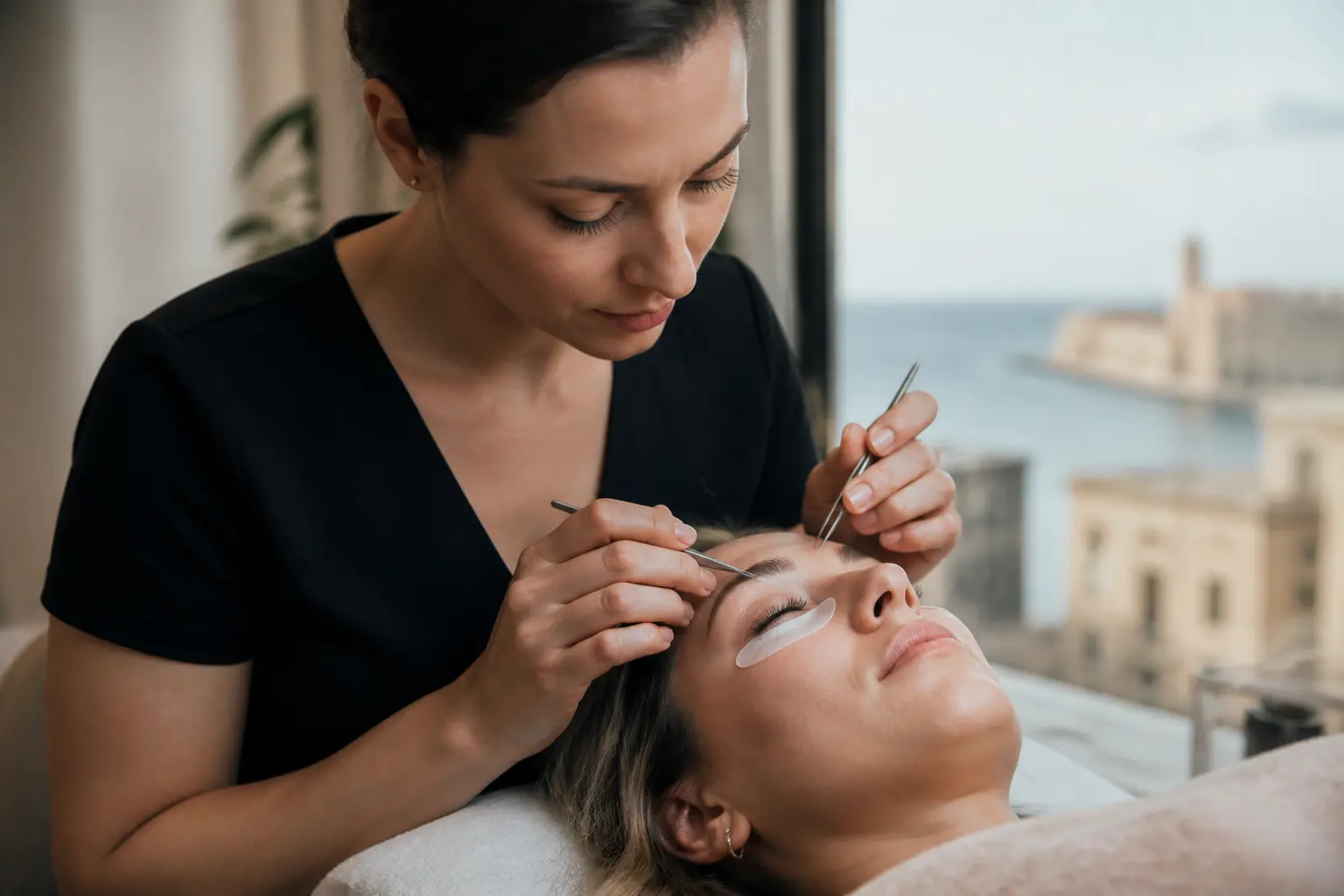
Eyelash extensions can look beautifully full after a fresh appointment, but they are designed to change gradually as your natural lashes complete their normal shedding cycle. For most clients, an infill is best planned around every two to three weeks. The exact timing depends on your natural lash cycle, the style of your set, your routine and how many extensions remain evenly attached.
Rather than waiting until lashes look very sparse, booking an infill at the right point helps keep the set balanced and comfortable. It also gives your lash artist the opportunity to remove outgrown extensions, assess retention and rebuild areas that need more density. If you are choosing between booking an infill or starting again with a full set, the condition of the remaining extensions matters more than the calendar alone.
The usual time between eyelash extension infills
A two to three week interval is a useful starting point for many people with eyelash extensions. At this stage, there are often enough healthy extensions remaining for a lash artist to refresh the set, while also having space to apply new extensions safely to suitable natural lashes.
Some clients prefer a two-week rhythm because they enjoy a consistently polished, fuller look. Others can comfortably wait closer to three weeks, particularly when retention is strong and their desired finish is softer. If more time passes, an infill may still be possible, but this depends on how much of the original set remains and how evenly it has shed.
There is no single schedule that suits every eye. A professional appointment should take account of your natural lashes, the extension style you wear and whether you want a subtle everyday effect or a more noticeable finish.
Why eyelash extensions shed between appointments
Each extension is attached to one natural lash, not directly to the skin. Natural lashes do not all grow and shed at once. They move through their own growth cycle at different times, so it is normal to notice a few extensions coming away as the natural lash beneath them sheds.
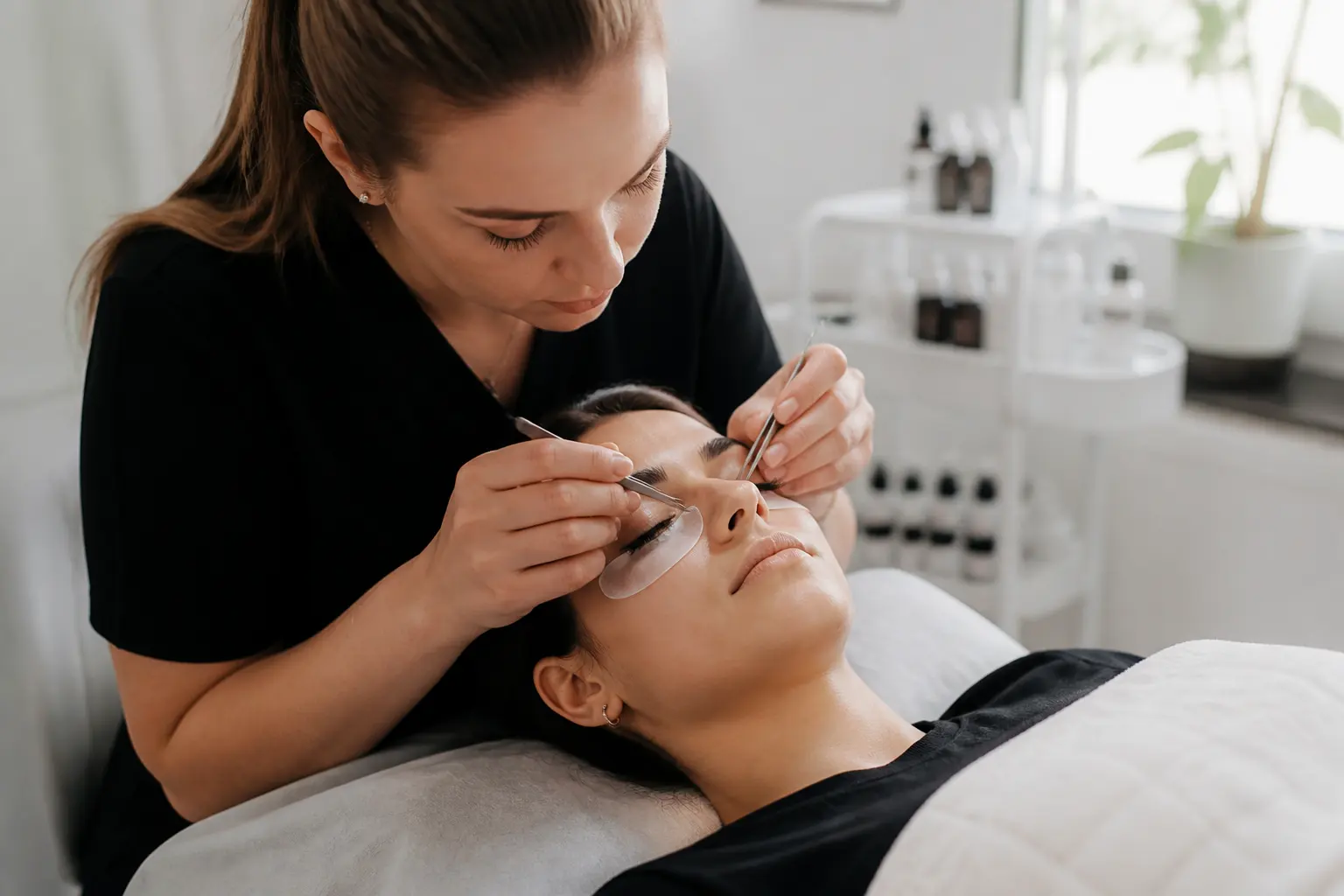
This gradual turnover is why a fresh set does not remain identical from the first day until your next appointment. It is also why trying to pull, twist or remove an extension at home can be unhelpful. A lash that appears loose may still be attached to a natural lash, and pulling can place unnecessary stress on it.
During an infill, the artist can identify extensions that have grown out, remove them carefully where appropriate and apply new extensions to natural lashes that are ready to support them. The aim is a neat, even result that works with your natural lash line.
What affects how long your extensions last
Retention is personal. Two clients may receive a similar style on the same day and find that their lashes look different after two weeks. This does not automatically mean that one appointment was better than the other. Several everyday factors can influence how long extensions remain in place.
Your natural lash cycle
Your own lash shedding pattern is one of the biggest influences. If you are experiencing a period of more noticeable natural lash turnover, you may see more extensions shed with those lashes. This can make an earlier infill feel more suitable.
The style and density of your set
Classic, hybrid and volume styles can appear to change differently over time. A lighter classic set may look more open sooner because every missing extension is easier to notice. A fuller volume set may retain an overall fluffy appearance for longer, although it will still need regular maintenance.
Your lash artist can help you choose a look that fits both your preferred level of definition and the time you realistically wish to allow for upkeep.
Oil, moisture and make-up habits
Products used around the eye area can affect how clean the lash line stays and how well the extensions wear. Heavy or oily eye products, mascara that is not suitable for extensions and make-up that is difficult to remove can leave residue around the base of the lashes.
Clean lashes are important between visits. Gentle, suitable cleansing helps remove make-up, oil and daily build-up without rubbing or tugging. Your artist can explain a simple routine that works with your extensions and the products you use.
Touching, rubbing and sleeping habits
Rubbing your eyes, picking at extensions or sleeping with pressure directly on them can lead to twisting, premature shedding or an uneven appearance. This is especially common when one side of the face is pressed into a pillow more often than the other.
You do not need to change every part of your routine, but small adjustments can help. Avoid pulling at the lashes, brush them gently when needed and be mindful when removing eye make-up or drying your face.
Swimming, exercise and day-to-day life in Malta
Busy routines, warm weather, beach days, swimming and regular exercise can all mean more frequent cleansing and more contact with moisture around the eyes. They do not automatically prevent you from wearing extensions, but they can make aftercare habits especially important.
If you have an event, holiday or a particularly active week ahead, it can be useful to plan your lash appointment around it. Ask your artist how to time your booking and care for your lashes in a way that suits your plans.
How to know when it is time for an infill
The best time for an infill is usually before your set looks overly patchy. You might be ready to book when you notice that the lash line has started to lose its evenness, the outer corners look lighter, or your usual style no longer gives the same definition.
A few signs can help you decide:
- You have had your full set or previous infill around two to three weeks ago.
- There are visible gaps across the lash line, even after gently brushing the lashes.
- The extensions look grown out or sit further away from the lash line than they did initially.
- One eye looks noticeably fuller than the other.
- You have a special occasion coming up and want a refreshed, balanced finish.
If you are unsure, it is better to ask before booking. A studio can advise whether the appointment should be an infill, a longer maintenance visit, a removal or a new full set, based on the current condition of your lashes.
When an infill may not be enough
An infill is intended to maintain a set that still has a reasonable base of extensions in place. If most extensions have shed, if the remaining ones are heavily twisted, or if you have been without extensions for several weeks, a new full set may be the more suitable choice.
This is not a failure of the previous set. It simply means there may not be enough retained structure to create an even result within an infill appointment. Starting fresh allows the lash artist to assess your natural lashes, remove any extensions that should no longer remain and rebuild the look with an appropriate design.
Booking the correct service also helps protect your appointment time. If you have a very sparse set but book a short infill, there may not be enough time to achieve the finish you expected. An honest description of how your lashes currently look, or a clear photo when requested, can help the studio guide you.
A simple eyelash extension maintenance routine
Good maintenance is not about doing too much. It is about keeping the lash line clean, avoiding unnecessary friction and booking before the set becomes difficult to restore.
Cleanse gently and consistently
Use an eye-area cleanser that is appropriate for eyelash extensions, particularly after wearing make-up, sunscreen or spending time outdoors. Cleanse gently around the lash line, then rinse and dry without rubbing. Clean lashes can feel more comfortable and are easier to brush into place.
Brush only when needed
Use a clean spoolie to lightly brush the lashes once they are dry. Start around the middle and move carefully towards the tips. Do not force through tangles. If extensions repeatedly cross over, twist or feel uncomfortable, arrange a professional check rather than trying to correct them by pulling.
Choose eye make-up carefully
Many clients find they need less mascara or eyeliner with extensions. If you do wear eye make-up, choose products that can be removed gently and avoid rubbing at the lash line. Waterproof formulas may be harder to remove and can encourage friction, so ask your artist what suits your chosen set.
Do not attempt removal at home
Extensions should not be pulled off, even if they look ready to shed. Professional removal is the safer option when you no longer wish to wear them or want to change your lash plan. This approach helps avoid unnecessary pulling on natural lashes.
Planning infills around your lifestyle
For many clients, it helps to make lash maintenance part of a regular beauty routine. You might book every two weeks before a demanding social schedule, or choose a three-week pattern when you prefer a lower-maintenance approach. The right timing should feel manageable, not restrictive.
It can also be helpful to plan ahead for weddings, celebrations, work events or holidays. A full set is often best booked with enough time to settle into the look before a major occasion. Then, an infill closer to the date can restore fullness if needed. Your artist can advise on a sensible timeline based on the style you choose and your existing lashes.
At Becammo, eyelash extension appointments can be selected according to the look and maintenance support you need. Sharing your usual routine, whether you wear contact lenses, how often you exercise and the finish you prefer helps create a more personalised conversation from the start.
FAQs about eyelash extension infills
Can I wait four weeks between eyelash extension infills?
Sometimes, but it depends on how many extensions remain and how evenly they have shed. By four weeks, some clients may need a new full set rather than an infill. If you are unsure, ask the studio before booking so you can reserve the most appropriate appointment.
Why do my eyelash extensions look uneven after two weeks?
Natural lashes shed at different times, so unevenness can happen as individual extensions leave with the natural lashes they are attached to. Sleeping position, touching the eyes and daily cleansing habits can also make one side appear lighter than the other.
Will washing my face make eyelash extensions fall out?
Gentle cleansing is an important part of caring for extensions. The key is to avoid rubbing, tugging and products that leave heavy residue around the lash line. Your lash artist can recommend a suitable approach for your routine.
How much of my lash set needs to be left for an infill?
The answer varies by studio, style and the condition of the extensions that remain. A lash artist needs enough healthy, well-positioned extensions to create a balanced refresh. When there are too few left, a new full set may offer a more even result.
Can I book an infill if some extensions are twisted or grown out?
Yes, this is one reason regular maintenance is useful. At an infill, the artist can assess which extensions should be removed and which areas need new application. Avoid trying to remove twisted lashes yourself.
Conclusion
Most eyelash extension clients benefit from an infill every two to three weeks, but your ideal schedule should reflect your natural lash cycle, chosen style and daily routine. Booking before gaps become too noticeable makes it easier to maintain a neat, comfortable and balanced look.
If your set is beginning to look lighter, uneven or grown out, a professional assessment can help you decide whether an infill is the right next step. Choose the eyelash extension service that fits your current lashes and preferred finish, then let the final maintenance appointment bring your look back into balance.