What Is Reviewed at a 30-Day Lip Micropigmentation Touch-Up?
Brenda Cammo Team
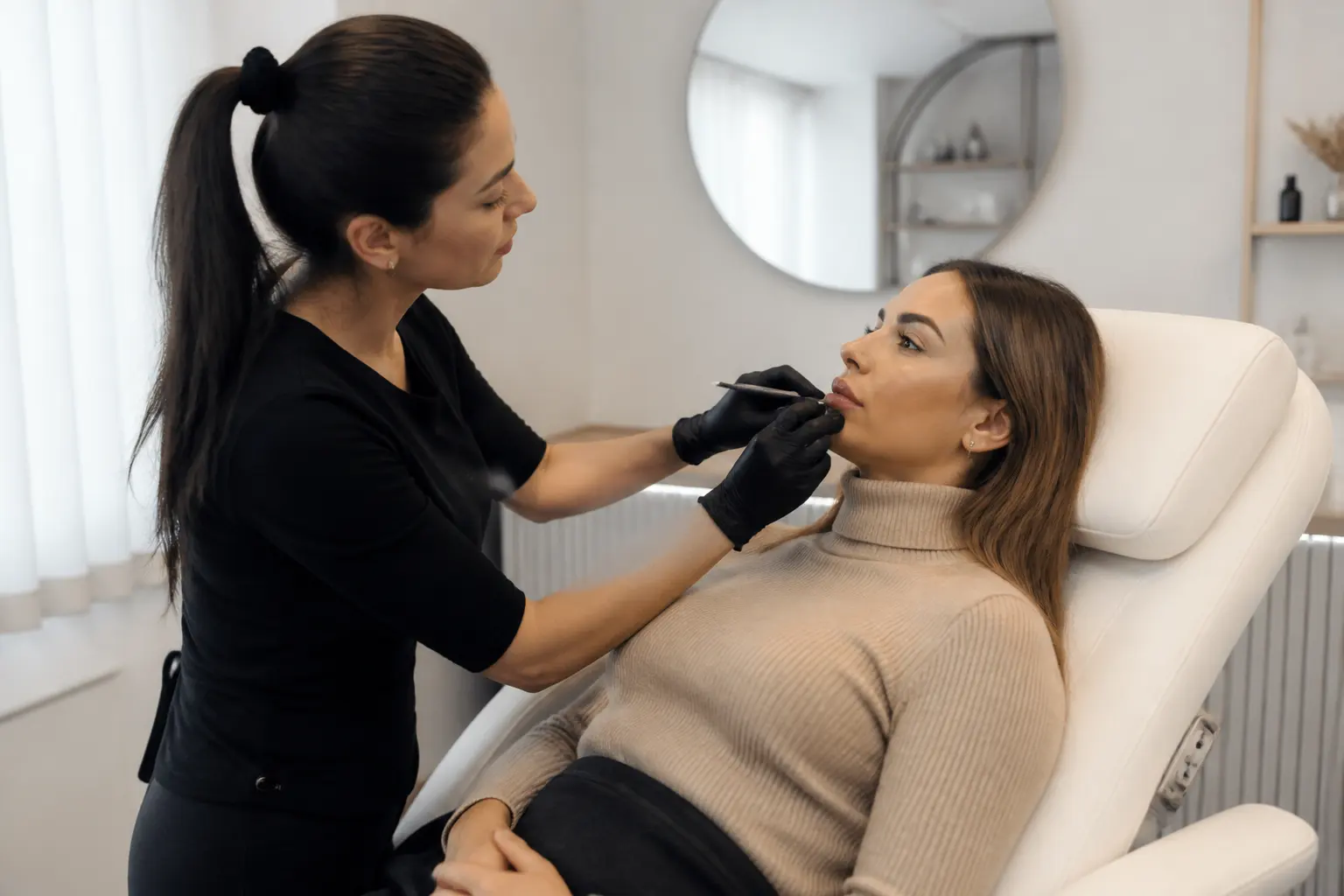
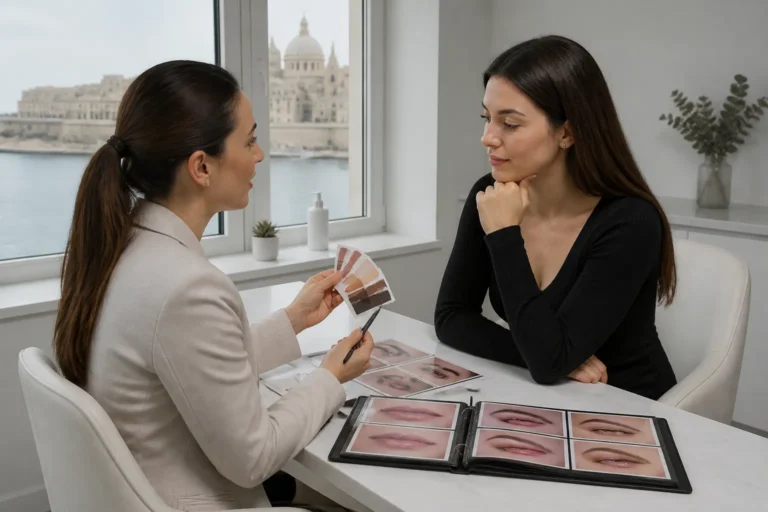
A 30-day lip micropigmentation touch-up appointment is not simply a repeat of your first session. It is a planned opportunity to look at how your lips have healed, how the pigment has settled and whether any small refinements are appropriate for your individual result.
At Becammo, the appointment is listed as a lip micropigmentation touch-up after 30 days. The most important part is the professional assessment: your artist needs to see the lips in their healed state rather than judge the result by the stronger colour visible immediately after the first appointment. Lip colour can look brighter at first, then change as the area recovers and the pigment settles.
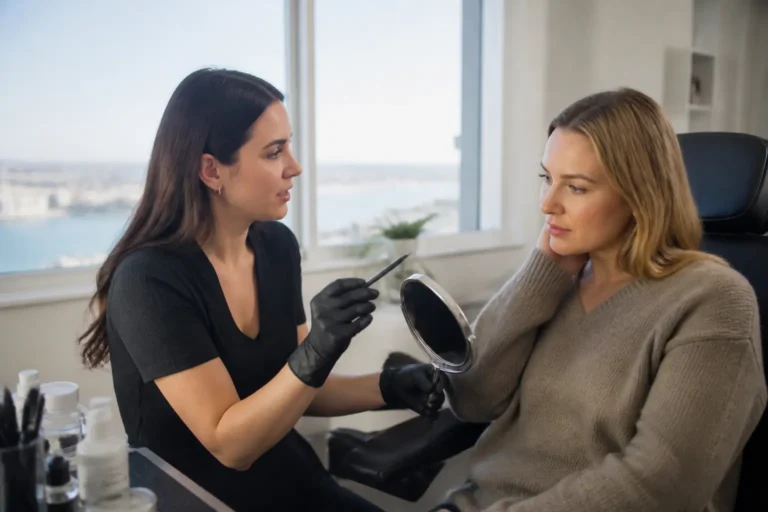
The goal is not to create a completely different lip shape or chase an identical result to a photo. It is to review the work carefully, listen to your feedback and decide whether the original plan needs a measured finishing adjustment. Every person’s natural lip tone, skin response, aftercare routine and pigment retention can influence the outcome.
Why is a follow-up review important after lip micropigmentation?
Lip micropigmentation is a semi-permanent make-up process, not a one-size-fits-all result produced in a single moment. During the initial appointment, pigment is implanted to enhance the appearance of lip colour and definition. The visible colour then changes through the recovery period.
A follow-up gives the artist and client a chance to assess the healed outcome together. The Society of Permanent Cosmetic Professionals explains that colour may not appear perfect after the initial procedure has healed and that follow-up work is commonly part of the process. It also notes that lip colour can take up to six weeks to reflect its final tone, which is why timing should always be considered individually rather than treated as a rigid rule. Society of Permanent Cosmetic Professionals
That distinction matters. A booking labelled “30-day touch-up” creates a useful point for review, but the correct next step depends on whether the lips have recovered sufficiently and on the artist’s professional assessment. In some cases, the appointment may focus on reviewing progress and confirming the most suitable timing for any additional work.
What your artist will usually review at the appointment
1. How the lips have healed
The first review is about the overall condition of the lip area. Your artist will look at whether the skin appears settled and whether there are any areas that need more time before further pigment work should be considered.
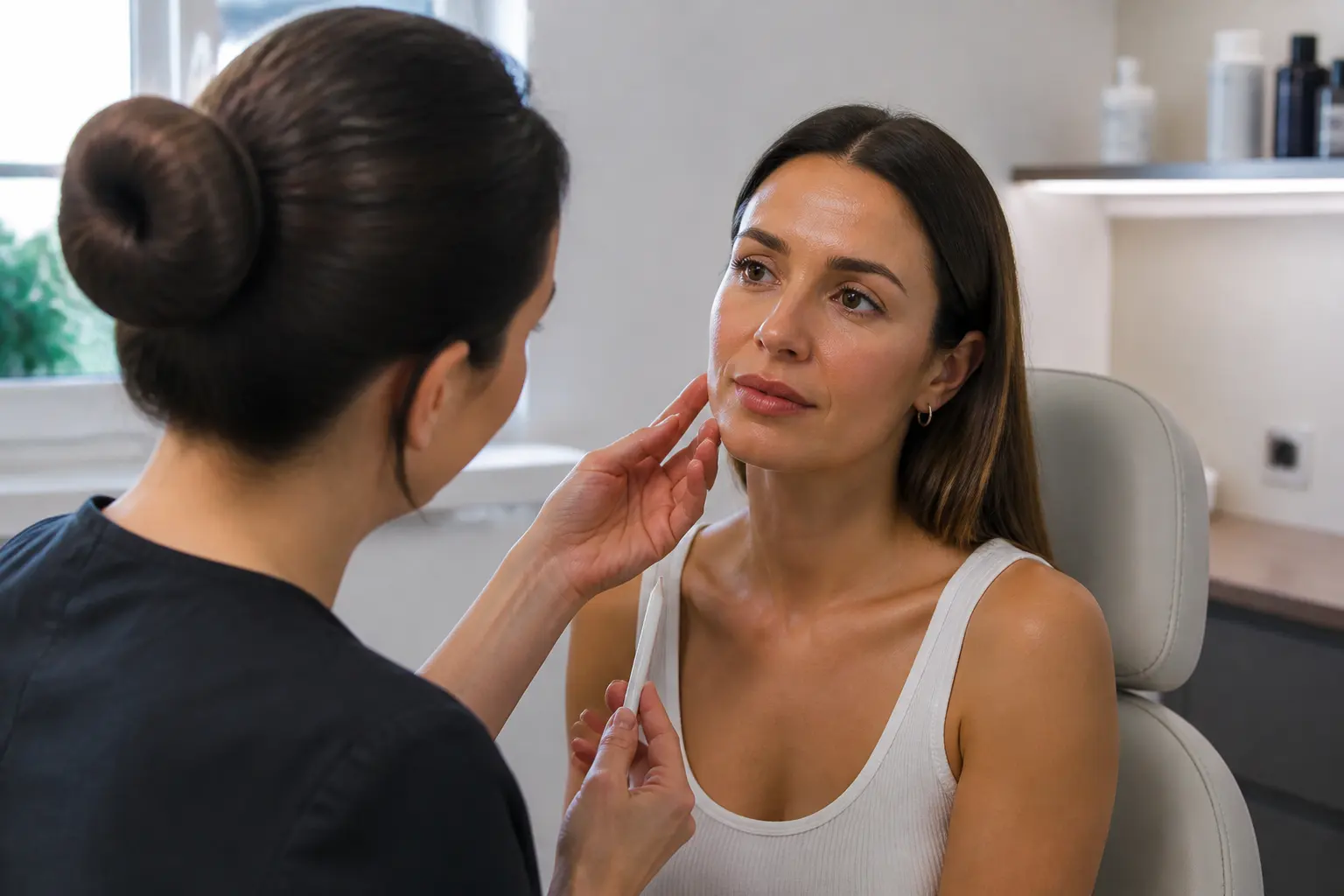
This is not a medical diagnosis. It is a practical cosmetic assessment of readiness for the next stage of a semi-permanent make-up service. Be open about anything that felt unusual during recovery, including prolonged irritation, unexpected discomfort or changes you are concerned about. If there are signs that could indicate infection or another health concern, seek medical advice rather than relying on a cosmetic appointment alone. Public aftercare guidance for permanent lip cosmetics advises contacting the provider and seeking medical care if symptoms such as severe redness, swelling, increasing tenderness, fever or unusual discharge develop. Sacramento County Environmental Management Department
2. Pigment retention across the lips
One of the central questions at a touch-up is how evenly the pigment has remained after healing. Some lips may retain colour consistently, while others may show softer areas, lighter patches or a difference in intensity between sections.
This does not automatically mean that anything has gone wrong. Pigment retention varies from person to person. Your artist will review the result in natural-looking conditions and discuss whether a subtle reinforcement would help bring greater balance to the original design.
A useful way to describe what you see is to be specific. Rather than saying, “The colour has disappeared,” explain whether you notice a lighter centre, reduced definition at one edge, a difference between the upper and lower lip, or simply a softer overall result than you expected. Clear observations help guide a focused conversation.
3. The healed colour and its relationship with your natural tone
Colour is reviewed after healing, not only on the day of the initial procedure. The tone seen immediately after micropigmentation is not the same as the settled appearance. Your artist will consider how the selected pigment has healed alongside your natural lip colour.
The conversation may include whether the result looks warmer, cooler, softer or more defined than you had envisaged. This is also the time to revisit your original preference: perhaps you wanted a barely-there everyday tint, a clearer lip border or a little more visible colour without the effect of traditional lipstick.
It is helpful to bring realistic reference images that show the level of softness or definition you like. They should be used as a communication tool, not a promise that another person’s colour will translate exactly to your lips. Natural pigmentation and individual healing mean that each result is personal.
4. Shape, symmetry and lip-edge definition
Your artist will assess the shape created in the first appointment and how it appears once healed. This can include the balance between the upper and lower lip, the visibility of the lip edge and whether the design still reflects the agreed plan.
A touch-up is generally about thoughtful refinement, not a dramatic redesign. If your goals have changed substantially since the first session, say so clearly. The artist can explain what is realistic within the existing work and whether your new preference requires a separate discussion or a different plan.
Good communication is especially important if you have noticed a detail only in particular situations, such as when you wear a certain lip product, see yourself in daylight or smile in photographs. Mention the context rather than assuming the issue is always visible in the same way.
5. Your experience of the healing period
The review also includes your experience, not only what is visible. Your artist may ask how you managed the aftercare guidance, whether you experienced dryness or flaking and whether you used any lip products during recovery.
Share this information honestly and without embarrassment. It helps the artist understand the full picture and offer suitable aftercare reminders for the next stage. Do not make changes to your routine based only on social-media advice or another person’s experience; follow the instructions given for your own appointment and ask questions if anything is unclear.
It is also sensible to mention relevant changes since the original appointment, including new medication, a recent cosmetic procedure around the mouth or a history of cold sores. The Society of Permanent Cosmetic Professionals notes that clients with a history of lip blisters may be asked to speak with their medical provider before a lip procedure. Society of Permanent Cosmetic Professionals: Lips
What may happen after the review?
There are several possible outcomes, and the right one depends on your healed lips.
- A small refinement may be appropriate: if the lips are suitably healed and there are areas where the original result would benefit from careful balancing.
- The artist may recommend waiting: if the colour or skin condition is still settling, allowing more time can provide a clearer basis for any decision.
- No additional pigment may be needed at that moment: a review can confirm that the healed result already matches the intended level of colour and definition.
- A longer-term maintenance conversation may be more suitable: semi-permanent colour can soften over time, so future refresh appointments are different from the early follow-up linked to the initial procedure.
The value of the appointment is not measured by whether more work happens immediately. It is measured by having a careful, personalised decision rather than making assumptions from a mirror, a filtered image or someone else’s healing timeline.
How to prepare for your touch-up appointment
Preparation does not need to be complicated. A few practical steps can make the consultation more productive.
- Arrive with clean lips. Avoid arriving with heavy lipstick, liner or gloss if possible, so the healed colour can be assessed clearly.
- Bring your questions. Write down anything you noticed during healing, including where colour looks lighter or whether the tone feels different from your original aim.
- Use reference photos carefully. Choose images that illustrate your preference for softness, warmth or definition, rather than expecting an exact copy.
- Tell the artist about relevant changes. Be transparent about products, medication or procedures that may be relevant to your appointment.
- Keep your schedule realistic. If further pigment work is agreed, remember that the lips may again look more intense initially and need time to settle. Avoid planning around an occasion where you need to control every detail of your appearance.
Questions worth asking during the appointment
A good touch-up conversation should leave you clear about what you are seeing and why. Consider asking:
- Does my colour look fully settled, or would more healing time be helpful?
- Which areas have retained pigment most softly?
- Would any refinement focus on colour, definition or evenness?
- Does my current result still align with the original plan?
- What aftercare should I follow if further work is carried out?
- When should I contact the studio, and when should I seek medical advice instead?
These questions keep the appointment centred on informed choices. They also help avoid a common misunderstanding: a touch-up is not intended to override the natural characteristics of your lips. It is an opportunity to refine the semi-permanent make-up result responsibly.
30 days versus the final healed result: what to keep in mind
The phrase “30-day touch-up” can make it sound as though every lip result is complete and ready for the same action on exactly the same day. In reality, healing and colour development are individual. Industry guidance states that lip procedures may require more time before final colour is visible than other permanent cosmetic areas. SPCP public guidance
For that reason, treat the 30-day booking as an important review point rather than a guarantee of identical steps for every client. Your artist can assess the condition of your lips, discuss your result and decide what is appropriate within the treatment plan.
This approach is more reassuring than trying to judge too early. A calm, professional review allows you to focus on the details that matter: whether the colour feels harmonious, whether the definition suits your features and whether any further refinement is genuinely needed.
Conclusion
A 30-day lip micropigmentation touch-up appointment is designed to review the healed outcome with care. Your artist will look at pigment retention, colour balance, shape, definition and your experience of the recovery period before discussing the appropriate next step.
Bring your observations, ask direct questions and allow the assessment to be guided by your individual healing. If you are planning your lip micropigmentation touch-up in Malta, choose the service in the online booking system and select the Becammo location that is most convenient for you.
Frequently asked questions
Is a 30-day lip micropigmentation touch-up always a full second procedure?
No. It is first an assessment appointment. Depending on how your lips have healed, the artist may recommend a small refinement, more time for colour to settle or no immediate additional work.
Why does my lip colour look softer than it did after the first appointment?
It is normal for the visible colour to change during recovery. Freshly completed lip micropigmentation can look stronger initially, while the healed tone develops over the following weeks.
Can I ask for a different shade at my touch-up?
You can explain what you would like to adjust, such as a warmer, softer or more defined appearance. Your artist can assess what is realistic in relation to your natural lip tone, the existing pigment and the healed result.
What should I do if I am worried about severe swelling or unusual discharge?
Contact the studio and seek medical care promptly. A cosmetic touch-up appointment is not a substitute for medical assessment when symptoms suggest a possible complication.
Should I wear lipstick to my touch-up appointment?
It is best to arrive with clean lips where possible. This allows the artist to assess the healed colour and definition without make-up altering the appearance.