Lip Micropigmentation and Sun Exposure in Malta: What to Discuss Before Booking
Brenda Cammo Team

In Malta, a beauty appointment can sit very close to real life: a beach afternoon, a boat trip, an outdoor wedding, a weekend in Gozo or simply a walk through Sliema in bright daylight. If you are considering lip micropigmentation, it makes sense to discuss sun exposure before you choose an appointment date.
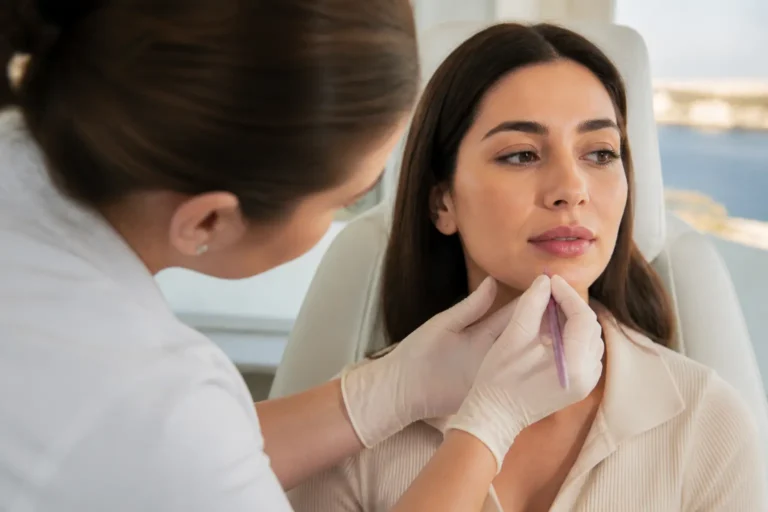
Lip micropigmentation is a form of permanent make-up in which coloured pigment is placed in the skin to create a more even-looking lip colour, improved definition or a softer tint effect. Because it is a procedure involving the skin, preparation and aftercare matter just as much as the shade discussion. The FDA’s guidance on tattoos and permanent make-up also highlights why hygiene, informed decision-making and a professional conversation are important before any pigment procedure.
This is not about cancelling every sunny plan. It is about booking with enough context. Rather than relying on a fixed internet rule, tell your artist what your next few weeks really look like: recent sun exposure, planned travel, swimming, outdoor work, special occasions and your ability to follow the studio’s individual aftercare guidance.
Why sun exposure belongs in the lip micropigmentation conversation
Sunlight is relevant before and after lip micropigmentation for two simple reasons. First, sun-exposed skin may feel more sensitive, particularly if you have recently become red, sore or tanned. Secondly, after a procedure, you need a practical plan for protecting the area and following the aftercare instructions given for your appointment.
Malta’s outdoor lifestyle makes this especially worth raising early. The intensity of ultraviolet radiation changes with the time of day, season, cloud cover and reflective surfaces such as water and sand. The World Health Organization explains that the UV Index is a measure of UV radiation, and that protection is recommended from a UV Index of 3 upwards. It also notes that UV can remain significant even when the sky is not completely clear. Read the WHO explanation of the UV Index.
That does not mean an artist can assess your skin from a weather forecast alone. Your recent exposure, your skin’s response, any irritation and the exact plans you have after the appointment all form part of a more useful consultation. Be open about them. A good booking conversation is not an obstacle to your plans; it is how you choose a date that gives you room to follow professional advice properly.
Before booking: map out the sun exposure around your date
Start by looking both backwards and forwards. Think about the days before your appointment as well as the period afterwards. It is easier to select a suitable date when you understand where the appointment falls within your normal routine.

Recent exposure: have you had a very sunny few days?
Tell the studio if you have recently spent extended time outdoors, sunbathed, travelled to the beach, been on a boat or noticed that the skin around your face feels hot, tight, red or irritated. Do not minimise a sunburn because it is “only a little pink”. Sunburn is an inflammatory response to excessive UV exposure, and the WHO advises limiting midday sun, seeking shade and using appropriate protection. See the WHO overview of ultraviolet radiation and sun protection.
If there is visible irritation or you simply are not sure whether your skin has settled, ask before attending. The studio may advise that the timing should be reviewed. That decision should be based on the condition of your skin and the practitioner’s protocol, rather than on a guess made from a social-media timetable.
Upcoming plans: what will you realistically do after the appointment?
Be specific. “I will avoid the sun” can mean very different things to different people. Mention any plans such as:
- beach or pool days;
- boat trips, sailing or water sports;
- outdoor weddings, festivals or family events;
- long sightseeing days in Valletta, Mdina or coastal areas;
- outdoor work, commuting or regular exercise;
- a holiday where you expect to spend much of the day outside;
- sunbed use or plans to tan before an occasion.
The point is not that all outdoor time is identical. A short walk with shade available is different from a full day beside water and sand. Water and sand can reflect UV radiation, adding to exposure, while the strongest daily UV levels are generally around solar noon. The WHO recommends using the UV Index to inform choices and taking protective measures when needed. Learn more about UV exposure from the WHO.
Questions to ask your artist before you confirm the appointment
A consultation or booking message should help you understand how to plan responsibly, not provide a generic promise. These questions keep the discussion clear.
1. Does my recent sun exposure affect whether this date is suitable?
Explain exactly what happened: perhaps you spent a full weekend outdoors, have a developing tan, or had redness after a beach day. If possible, include when it happened and whether the skin is now fully comfortable. Your artist can then advise whether proceeding, moving the appointment or waiting until the area is settled is the more sensible option.
2. What should I avoid before the appointment?
Ask for the studio’s own preparation guidance and disclose your usual lip and skincare routine. This includes exfoliating products, lip scrubs, active skincare used near the mouth, cosmetic treatments and anything else that could leave the area sensitive. Do not assume that a product is irrelevant simply because it is sold over the counter.
It is equally important to share any history of reactions to pigments or cosmetic products. The FDA notes that allergic reactions and other skin problems have been reported in connection with tattoo and permanent make-up inks. A professional assessment cannot remove every uncertainty, but honest disclosure gives the practitioner the information needed to guide the appointment responsibly. Read the FDA’s permanent make-up safety questions and answers.
3. How should I plan outdoor time after my procedure?
Ask for clear, written aftercare instructions and make sure they work with your calendar. Rather than asking only, “How long until I can go to the beach?”, ask what protection and restrictions are expected during each stage of the studio’s aftercare plan. Your artist may need to consider your healing progress rather than offer one universal answer.
Also ask what to do if an unavoidable outdoor event comes up. A practical plan may include changing the appointment date rather than trying to force aftercare around a holiday or special occasion. The most convenient date on the booking calendar is not always the best date for you.
4. Can I schedule this before a wedding, holiday or photoshoot?
You can ask, but provide the actual date of the event. Lip micropigmentation should not be treated as a last-minute finishing touch before an important occasion. Colour appearance and the settling process are individual, so it is better to discuss your goal well in advance instead of expecting an exact final look on a specific day.
If your event includes outdoor photographs, beach time or long periods in strong daylight, say so. This allows the artist to advise on timing based on their procedure and aftercare protocol, while you retain the option of selecting another date.
5. What if I am travelling from abroad or only in Malta for a few days?
Visitors often try to fit beauty appointments between arrival and departure. For lip micropigmentation, share your travel dates before booking, including planned excursions and flights. A short city break filled with swimming, sun exposure and sightseeing may not leave much flexibility for following aftercare instructions comfortably.
For a visitor, the best solution may be to book only when there is enough unhurried time in the itinerary. It is better to choose a different occasion than to make aftercare compete with a once-only holiday programme.
How to prepare for a useful consultation
A good consultation is easier when you arrive with concise, relevant information. You do not need a complicated spreadsheet, but you should be able to describe your schedule honestly.
Bring a simple two-week calendar view
Make a note of the date you want, recent beach or outdoor days, work commitments, trips, celebrations and any activity that could make avoiding direct exposure difficult. This helps you spot conflicts before you pay a deposit or organise transport.
Be ready to discuss your lip goal as well as your diary
“Lip micropigmentation” can mean different aesthetic goals. Some people want a subtle wash of colour, while others are mainly interested in definition, balancing the appearance of tone or creating a more polished everyday look. Explain your normal make-up style, how often you wear lipstick and whether you prefer a barely-there result or more visible colour.
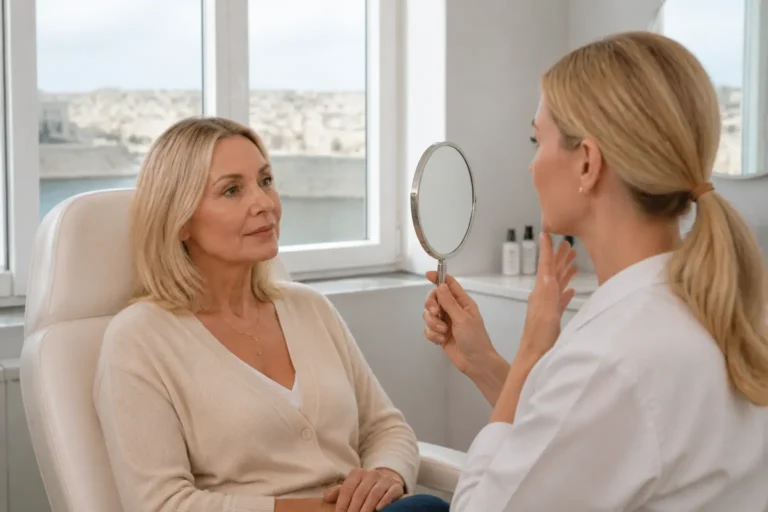
Your artist can then discuss whether the goal is appropriate for the procedure and how individual factors may influence planning. This is also the right time to ask about the follow-up appointment offered for lip micropigmentation and how it should fit around travel or seasonal plans.
Share relevant health and product information accurately
Complete the consultation questions carefully and follow any instruction to seek advice from an appropriate healthcare professional where necessary. Do not stop prescribed medicines or make medical decisions solely to fit a cosmetic appointment. Instead, explain what you use and ask the studio what information they need in order to assess whether booking can go ahead.
Accuracy is part of safe, personalised service. It helps the practitioner identify when a procedure may need to be postponed or when further clarification is appropriate.
Sun-smart planning in Malta without putting life on hold
You do not need to avoid Malta’s outdoors forever to book a cosmetic procedure. The aim is to choose a date that makes aftercare achievable, rather than treating it as an inconvenience. In practice, that may mean booking after a beach-heavy holiday rather than immediately before it, avoiding a date beside a major outdoor event, or choosing a quieter period in your diary.
It also helps to separate weather from UV exposure. A warm day is not automatically the highest-risk day, and a cloudy day is not automatically low exposure. Checking the UV Index gives a more useful prompt for planning than temperature alone. The WHO recommends shade, protective clothing, a hat and sunscreen for broader sun protection, while also stressing that sunscreen should not be used simply to extend time in the sun. Use the WHO UV Index guidance when planning outdoor time.
For lip micropigmentation specifically, however, the studio’s aftercare advice takes priority. General sun-safety guidance does not replace the instructions you receive for your own procedure. Follow the product and protection guidance supplied by your artist, and contact the studio if your plans change during the aftercare period.
A sensible booking checklist
- Look at recent sun exposure and check whether there has been any redness, tenderness or irritation.
- Review the period after your preferred date for beach days, pools, boats, outdoor work, exercise and travel.
- Tell the studio about major events, particularly weddings, holidays and photoshoots.
- Disclose relevant products, cosmetic treatments, allergies and consultation information accurately.
- Ask for the studio’s preparation and aftercare guidance before committing to a date.
- Choose a date that gives you enough flexibility to follow that guidance without rushing.
Conclusion
Sun exposure does not have to make lip micropigmentation impossible in Malta. It simply makes timing a more important part of the booking conversation. By discussing recent sun, upcoming outdoor plans, travel and your aesthetic goal honestly, you can choose an appointment date with fewer avoidable conflicts.
If you are considering lip micropigmentation, book when you have space in your diary to follow personalised guidance rather than trying to fit the procedure around a packed beach or event schedule. The final appointment plan should always be based on the studio’s consultation and aftercare instructions.
Frequently asked questions
Can I book lip micropigmentation straight after a beach holiday?
Tell the studio about your holiday and any redness, tan or sensitivity before booking. Whether the date is suitable depends on the condition of your skin and the practitioner’s protocol, so it is best not to assume that a set number of days applies to everyone.
Does cloudy weather mean sun exposure is not relevant?
No. UV levels are affected by several factors and can still be meaningful with cloud cover. Check the UV Index rather than relying only on temperature or sunshine, and follow the aftercare guidance provided for your appointment.
Should I schedule lip micropigmentation just before a wedding in Malta?
Discuss the exact wedding date and whether it involves outdoor time, photographs or travel. Avoid treating the procedure as a last-minute beauty step, because settling and individual colour appearance should not be promised to follow a fixed timetable.
Can I swim or take a boat trip after lip micropigmentation?
Ask the studio directly before booking and follow its written aftercare plan. Mention pools, sea swimming, boat trips and water sports in advance so you can choose a date that works with the guidance you receive.
Why does the artist need to know about my skincare products?
Some products and recent cosmetic treatments may affect how comfortable or suitable the timing is. Giving accurate information lets the practitioner provide more responsible preparation advice and decide whether the appointment should proceed as planned.