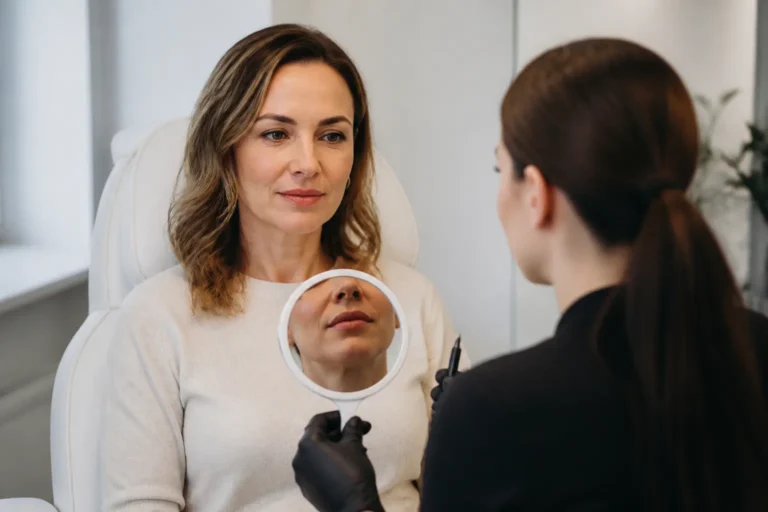
Preparing for Lip Micropigmentation: What to Share Before You Book
Brenda Cammo Team
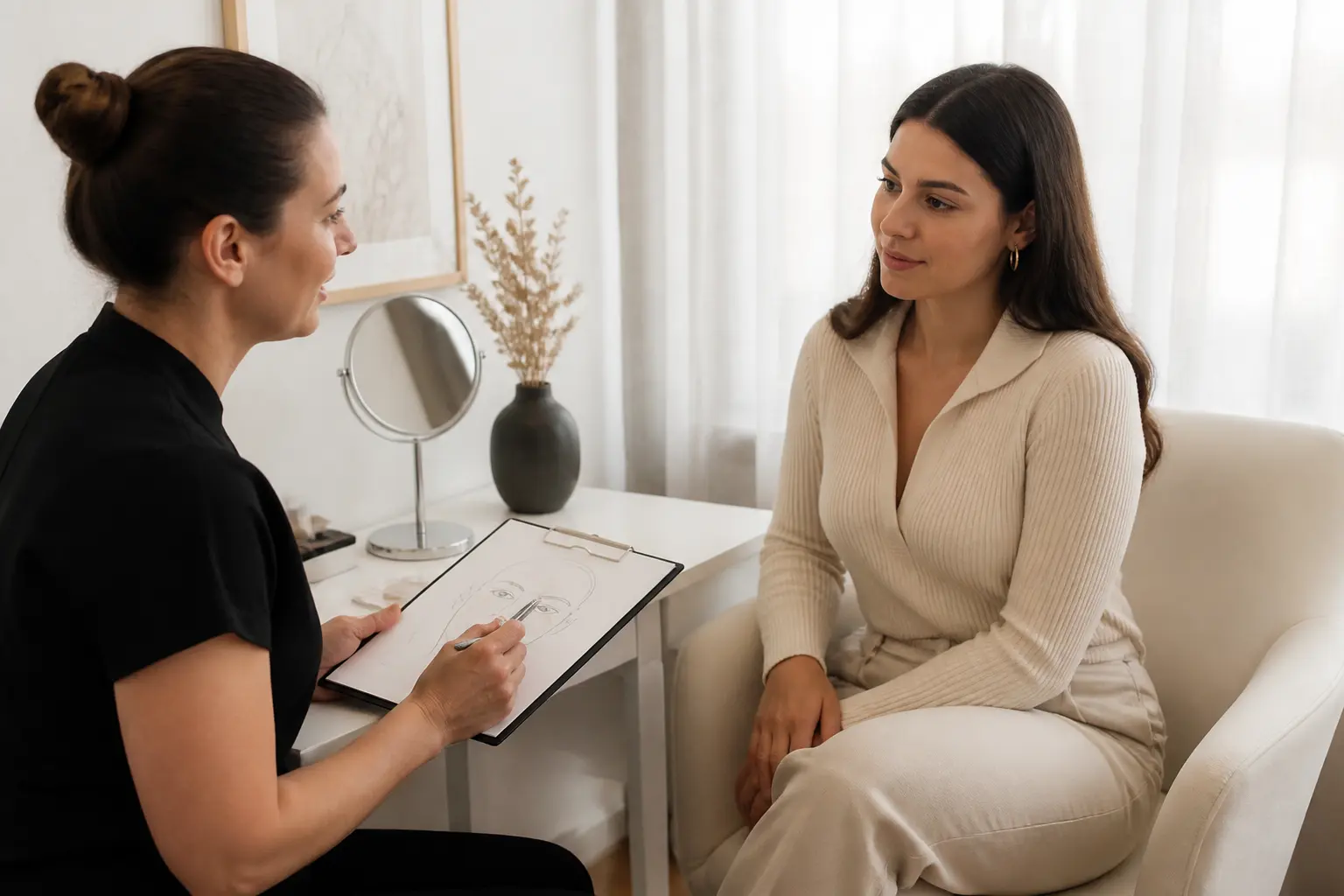
Preparing for lip micropigmentation is not only about arriving on time for your appointment. It also means having an open, detailed conversation about your everyday routine, the kind of lip colour you enjoy wearing and anything in your diary that could affect how comfortably you can plan the session and its recovery period.
Lip micropigmentation, often called lip blush, is a semi-permanent make-up procedure designed to add soft-looking colour and definition to the lips. The result is personal: some people want a subtle fresh tone that works with little or no make-up, while others want clearer definition or support with the appearance of uneven natural tone. A thoughtful consultation is where those preferences become a realistic plan.
At Becammo, the process should begin with information rather than assumptions. Sharing the right details allows the professional to discuss suitability, expectations and the practical timing of your appointment. It also helps you make a considered decision, which matters because permanent make-up involves placing pigment in the skin and is not something to approach as an impulsive beauty booking. The FDA’s consumer guidance on tattoos and permanent make-up also highlights the importance of informed decisions, hygienic practice and discussing concerns with an appropriate health professional where needed.
Why your pre-appointment conversation matters
Lips are an expressive part of the face, and the colour you choose is likely to influence how you feel in your usual make-up, photographs and day-to-day routines. There is no single “right” lip blush shade or outline. The most suitable direction depends on your natural lip tone, facial colouring, personal style and the amount of definition you actually want.
Your consultation is also a space to raise relevant health, skin and sensitivity information honestly. This is not about trying to diagnose yourself or deciding alone whether something matters. It is about giving the practitioner enough context to explain whether an appointment can go ahead as planned, whether it may be sensible to postpone, or whether you should first seek advice from your prescribing clinician or another qualified health professional.
A good preparation conversation usually covers three areas:
- your current lip and skincare routine;
- your preferred colour and finish in everyday life;
- your upcoming plans, travel and important dates.
Taking a few notes before you book can make this discussion much easier.
What to share about your routine
Your usual lip products
Bring the conversation back to what you genuinely use, not only to an inspiration photo. Do you usually wear balm and nothing else? Are you loyal to a nude lipstick, a brown liner or a bright red? Do you prefer a polished satin finish, a barely-there tint or a more defined lip edge?
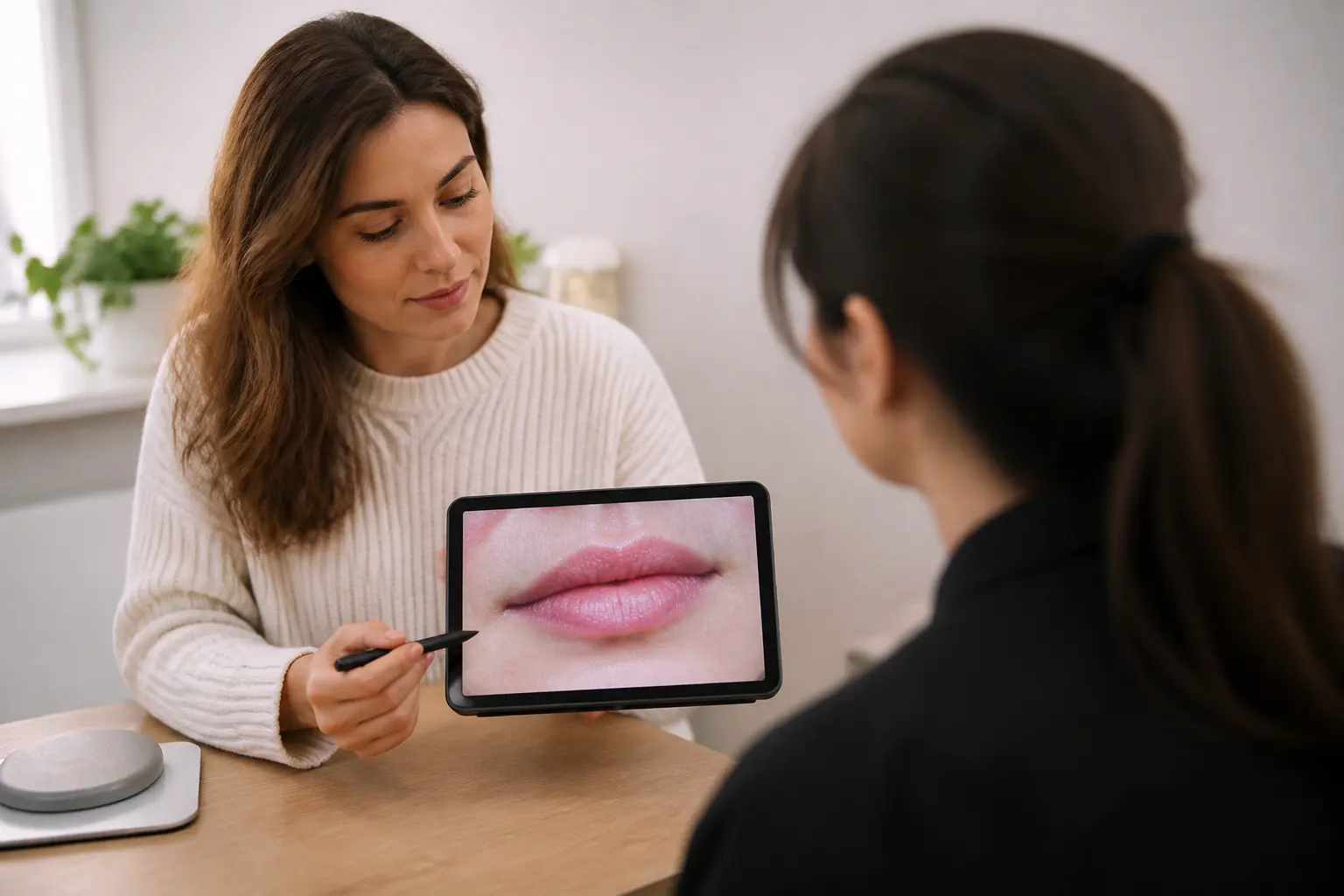
These details help communicate your comfort zone. A person who rarely wears visible make-up may be looking for a soft enhancement that still feels like them. Someone who reaches for liner every morning may value clearer shape definition. Neither preference is better; they simply call for a different consultation.
It can be useful to take a few photographs of lip products you wear often, ideally in daylight. The aim is not to copy the appearance of conventional lipstick exactly. Instead, the images give the practitioner a clearer sense of the colour family and level of visibility you tend to enjoy.
Skincare, lip care and cosmetic habits
Tell the practitioner about the products and habits that regularly touch the lip area. This includes lip balms, masks, scrubs, plumping products, exfoliants, active skincare used around the mouth and any products that have previously caused dryness, stinging or irritation.
You should also mention habits that may affect comfort or planning, such as frequent outdoor sun exposure, regular swimming, a demanding exercise schedule or travel that makes aftercare difficult to follow. The practitioner can then give service-specific preparation and aftercare instructions rather than offering generic advice that may not fit your routine.
Do not stop prescribed medication or alter a medically directed routine because of a beauty appointment. Instead, disclose it during the consultation and follow advice from the clinician who prescribed it. Where appropriate, the appointment may need to be planned differently.
Previous cosmetic procedures and reactions
Be open about previous lip procedures, previous permanent make-up, cosmetic tattooing, fillers, laser work or reactions to pigments, topical products and anaesthetics. Even if the procedure was years ago or carried out elsewhere, it can be useful context.
Also mention a tendency to develop raised scarring, known allergies, recurrent lip concerns, current irritation or an active skin issue around the mouth. The purpose is not to make the consultation feel intimidating. It is to avoid glossing over information that could affect whether the timing and approach are appropriate for you.
If you are uncertain whether a past reaction is relevant, share it anyway. It is better to ask than to decide it is unimportant without discussion.
How to explain the colour result you want
“Natural” can mean very different things from one person to another. For one client, it may mean a soft rosy tint. For another, it may mean a warm nude that balances their natural tone. For someone else, it may mean a little more edge definition without an obvious lipstick effect.
Rather than relying only on labels such as natural, nude or pink, explain how you want your lips to fit into your life. Consider these questions:
- Do you want to look more polished without wearing lipstick?
- Would you still like to wear different lipstick colours over the result?
- Are you mainly focused on soft colour, border definition or the appearance of tone balance?
- Do you enjoy warm, cool or neutral-looking shades in your usual make-up?
- Do you prefer a result that is noticeable in photographs, or one that reads as a gentle everyday enhancement?
Reference photographs can be helpful when they show a mood or colour direction, but they should be treated as a starting point rather than a promise. Lighting, filters, natural lip tone and healing all influence how a result appears. A responsible consultation translates your preference into an individual plan rather than trying to reproduce another person’s lips exactly.
Share what you do not want as well
Knowing your boundaries can be just as valuable as knowing your ideal. You may be certain that you do not want a sharply outlined look, a very cool tone, a dark finish or a colour that competes with your favourite lipstick. Say so clearly.
This helps prevent the common problem of vague requests. “I just want it better” leaves too much room for interpretation. “I want a subtle everyday tint, but I do not want a lipstick-like border” gives the practitioner a much clearer brief.
Plan your diary before choosing a date
It is tempting to book lip micropigmentation immediately before a holiday, wedding, photoshoot or major celebration. In practice, it is wiser to plan with breathing room. Your lips need time to go through the normal stages of settling and healing, and the appearance may change during that period.
A calm window in your diary gives you more flexibility to follow aftercare guidance, avoid last-minute disappointment and attend any planned follow-up. Your practitioner can explain the expected timeline for the specific service, including how a touch-up appointment fits into the overall process.
Dates worth mentioning at consultation
- holidays, flights and weekends away;
- weddings, professional photographs and milestone celebrations;
- work events where you expect to be on camera;
- sport, swimming or outdoor plans;
- other facial, dental or cosmetic appointments;
- any period when you may struggle to follow aftercare guidance.
You do not need to cancel your life for a lip appointment. The point is simply to choose a date that works with your actual schedule. If an important event is close, ask directly whether another date would give you a more comfortable planning margin.
Prepare a short consultation checklist
You do not need a complicated folder of information. A simple list on your phone is enough. Before your appointment, write down:
- The lip products and shades you wear most often.
- Two or three reference images that reflect a colour direction or level of definition you like.
- Any previous permanent make-up or lip-area cosmetic procedures.
- Known allergies, sensitivities, skin reactions or relevant health information.
- Medication or prescribed routines you believe may be relevant.
- Your next important dates, trips and events.
- Questions about the session, healing process, colour development and touch-up planning.
This preparation makes the appointment more efficient, but it also gives you confidence to ask for clarification. You should feel able to understand what is being proposed before consenting to a semi-permanent procedure.
Questions worth asking before lip micropigmentation
Good questions are not awkward; they are part of a responsible booking process. You might ask how the desired colour direction will be selected, what hygiene measures are followed, how the practitioner approaches your natural lip tone and what the aftercare plan requires.
You may also ask what to expect during the session, what changes are normal while the area settles, when a touch-up is assessed and what would mean you should seek medical advice instead of relying on cosmetic aftercare alone. If you have a history of allergies, sensitivity or scarring, say this before the appointment rather than only on the day.
Choose a studio that welcomes these questions and gives you clear answers. At Becammo, lip micropigmentation is offered as a dedicated service, with the consultation helping to establish whether the colour goal, timing and personal circumstances are aligned.
Frequently asked questions
Should I bring lipstick to a lip micropigmentation consultation?
You can bring or photograph shades you wear regularly. This gives useful context for the colours and level of definition you feel comfortable wearing. It is a reference point, not a guarantee that a conventional lipstick shade will look identical as healed micropigmentation.
Can I book lip micropigmentation just before a holiday or wedding?
It is best to discuss the exact date with the practitioner before booking. A quiet period in your diary is generally easier to manage than scheduling immediately before an important event, as the lips need time to settle and you may have aftercare considerations.
What health information should I disclose?
Share relevant allergies, sensitivities, previous reactions, past lip procedures, current irritation, prescribed medication and any condition you think could affect the appointment. The practitioner can then discuss whether the service is suitable to proceed with or whether you need further advice first.
Can I choose any lip colour I see online?
Online images can communicate a style preference, but the final approach should take account of your natural lip tone, colouring, desired level of visibility and realistic healing expectations. A personalised colour discussion is more useful than choosing solely from a filtered photograph.
Will I still be able to wear lipstick afterwards?
Many people choose lip micropigmentation as a soft base and still enjoy wearing conventional lipstick on different occasions. Your preferred make-up habits are worth discussing so the colour direction supports, rather than replaces, your personal style.
The most useful preparation for lip micropigmentation is honest communication. Share the products you use, the colours that feel like you, any relevant history and the dates that matter in your diary. With those details in place, you can book with a clearer idea of what to discuss and how to plan the experience around your everyday life.