Why Brow Henna May Fade Differently on Skin and Brow Hair
Brenda Cammo Team
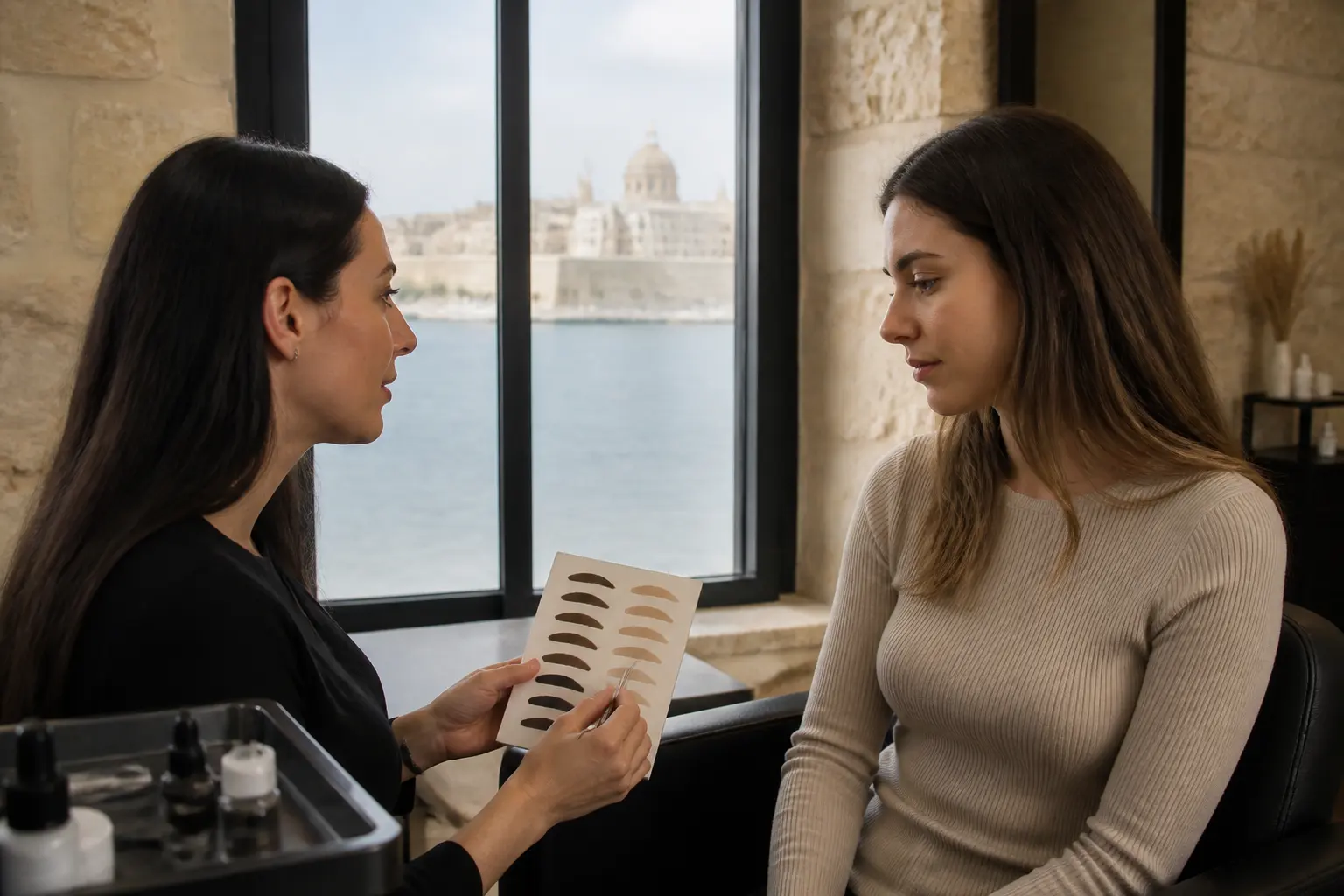
Brow henna can make brows look more defined by adding colour to the hairs and a temporary stain to the skin beneath them. Yet those two effects do not always fade at the same pace. You may notice that the skin stain softens within days while your brow hairs still look deeper in colour, or that one area appears to fade sooner than another.
This is usually a normal part of wearing brow henna. Skin and hair are different surfaces, and both are affected by individual factors such as oil production, texture, daily skincare, cleansing habits and natural hair growth. Rather than expecting one fixed timeline, it is more helpful to understand what can influence the result and what to discuss before your appointment.
Skin stain and brow-hair colour are not the same thing
The most important point is that brow henna creates two visible layers of colour. The first is the temporary skin stain, which can add definition around the natural brow hairs. The second is colour on the brow hairs themselves, which can make the brows appear fuller, more even and easier to style.
Because the skin renews itself and comes into contact with water, cleanser, skincare and natural oils every day, its stain commonly fades before the colour held by the hairs. Brow hairs do not shed all at once, so coloured hairs may remain visible as the skin stain gradually becomes softer.
This change can alter the overall look. In the first days, the brow may appear more structured because both the hair colour and skin stain are visible. Later, when the skin stain has lightened, the brows may look softer and more hair-led while still retaining some depth. That is not necessarily an uneven result; it can simply be the expected transition between the two effects.
Professional brow-henna guidance commonly describes the skin stain as more short-lived than the hair colour, while stressing that skin type, hair texture and aftercare influence individual wear. Supercilium’s brow henna guidance also notes that oily skin can shorten the visible skin stain.
Why brow henna may fade faster on the skin
Natural skin oil can affect the stain
Oilier skin may not hold a skin stain for as long as drier or more balanced skin. Sebum is a normal part of the skin barrier, but when there is more oil around the brow area, the colour can appear to soften sooner. This does not mean henna is unsuitable for everyone with oily skin. It means the goal should be realistic: a neat, personalised result rather than a promise of a particular number of days.
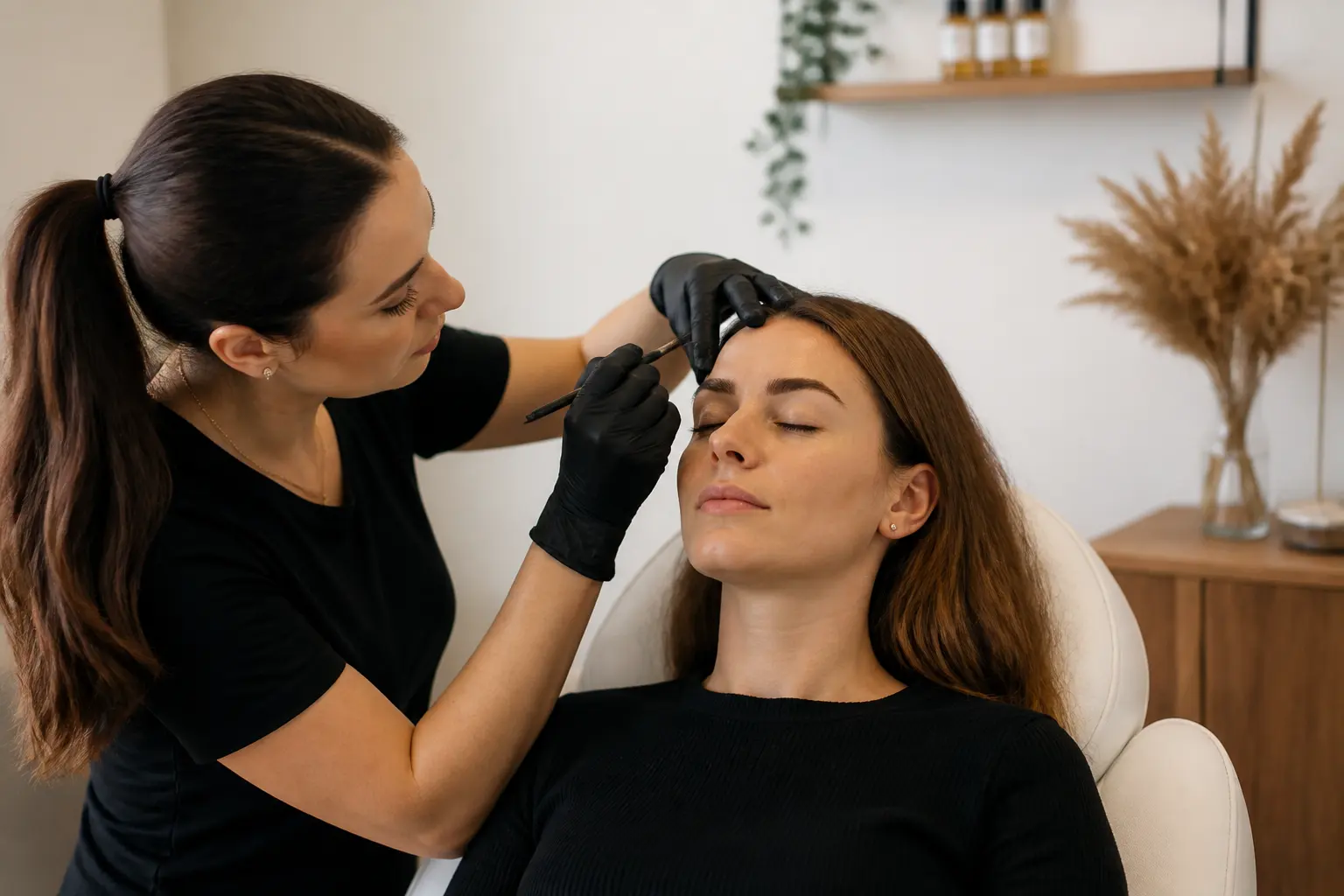
The brow area can also behave differently from the rest of the face. Someone may have dry cheeks but a more oil-prone forehead and brow area, particularly in warm weather, during exercise or when wearing heavier complexion makeup.
Skincare can speed up visible fading
Your brow area may be part of your usual facial routine without you thinking about it. Cleansers, exfoliating products, face oils, masks and active skincare can all influence how long the skin stain remains noticeable. The more frequently the area is cleansed, rubbed or exfoliated, the more quickly the surface appearance may change.
This is why it is useful to mention your normal routine before booking, especially if you regularly use exfoliating acids, retinoid-based products or professional facial treatments. A brow professional can give practical timing advice for your appointment, but it is important not to stop prescribed skincare without discussing it with the clinician who recommended it.
Water, heat and friction matter after the appointment
The early aftercare period matters because the colour needs time to settle. Getting the brows wet too soon, taking very hot showers, swimming, sweating heavily or repeatedly touching the area may make the skin stain fade sooner or less evenly. Exfoliating the brow area can also remove the visible stain more quickly. Brow henna aftercare guidance commonly advises keeping the brow area dry initially and avoiding scrubs or peels over the stain.
Friction is easy to overlook. Towel-drying the face roughly, pushing a fringe away from the forehead, removing makeup with repeated rubbing, or resting a helmet or hat close to the brow line can all affect how the skin stain wears.
Skin texture can change how the colour looks
Skin is not perfectly uniform. Fine dry patches, visible texture, pores, previous irritation or areas where skincare has been applied unevenly can affect how a temporary stain appears. One section may look more intense at first, while another may look softer. As the stain fades, this can become more noticeable.
A thoughtful preparation step and clear shape mapping help create a tidy result, but no colour service can make every section of skin behave identically. If you have flaking, irritation, broken skin or an active skin concern around the brows, say so before the service. A professional may need to adjust the plan or advise postponing the colour appointment.
Why colour on brow hairs can fade on a different timetable
Hair density changes what you see
Brows with dense, coarse hairs may continue to look defined after the skin stain has softened, because there is more coloured hair creating visual depth. On finer, fairer or more widely spaced brows, the fading skin stain may be more obvious because it was contributing more to the initial shape.
This does not make one brow type better than another. It simply changes the design conversation. A personalised service can consider where you naturally have more density, where the hairs are lighter and how strong or soft you would like the finished effect to look.
New growth and natural shedding gradually change the look
Each brow hair is on its own growth cycle. As newer hairs grow through and older hairs shed naturally, the colour can appear less even over time. You might first notice this at the front of the brow, through the arch, or in a sparse tail, depending on your own hair pattern.
This is one reason a brow appointment should not aim to force identical brows. Natural brows are sisters rather than duplicates: their direction, density and growth pattern can differ slightly from one side to the other. The purpose of colour and shaping is to refine those features with balance, not to erase every natural variation.
Daily brow products can mask or reveal fading
Clear gel, tinted gel, pencil, powder and pomade can change your perception of how much henna remains on the hairs. A tinted brow gel may make a fading result look deeper, while a thorough oil-based makeup-removal routine may leave the brow hairs looking softer sooner.
If you wear brow makeup most days, mention this when discussing colour. The preferred henna tone and strength of the initial result should work with your normal routine, not just with how your brows look as you leave the studio.
Why one brow can seem to fade sooner than the other
It is common to feel that one brow is fading faster. In some cases, the difference is real; in others, it is mainly visual. The brows may have different density, slightly different skin texture beneath them, or different exposure to your sleeping position, fringe, glasses, makeup application and face-touching habits.
For example, if the tail of one brow is naturally sparser, a fading skin stain can make that side look lighter first even when the hair colour is wearing similarly. If one brow sits a little higher, it may catch light differently and seem less defined. Mapping and colour selection can take these features into account, but the final result will still evolve naturally between appointments.
How to prepare for a more predictable brow-henna result
There is no way to make skin and hair fade at precisely the same rate, but clear communication and sensible preparation can support a more predictable experience.
- Arrive with the brow area clean and free from brow makeup where possible.
- Tell your brow professional about your usual skincare, especially exfoliating products, strong active ingredients or facial appointments.
- Mention if your brow area tends to become oily, flaky, sensitive or irritated.
- Bring up any upcoming swimming, beach, gym or event plans that may affect aftercare timing.
- Explain whether you want a subtle hair-led result or appreciate a more visible temporary skin stain.
- Share if you have previously found that colour fades quickly, goes warmer than expected or wears unevenly.
A patch test and suitability check are also important parts of a responsible colour service. Do not treat a previous uneventful appointment as a reason to ignore a change in your skin, health, medication or product sensitivity. If anything relevant has changed, raise it before the appointment.
Aftercare that respects your natural fade pattern
Aftercare is not about trying to keep the original look unchanged indefinitely. It is about allowing the colour to settle well and avoiding unnecessary early fading. Follow the specific advice given at your appointment, as product instructions and your own skin profile can affect what is appropriate.
In general, be gentle around the brow area. Avoid rubbing, scrubbing or picking at the skin stain. Cleanse carefully around the brows rather than repeatedly working cleanser through them. When applying moisturiser, sunscreen or makeup, use a light hand instead of treating the brows as an area to polish or exfoliate.
If the skin stain begins to look softer sooner than you expected, avoid trying to correct it at home with a darker product or by applying random colour products over it. Uneven colour can be harder to assess when several products have been layered together. It is better to let the result settle and discuss your experience at the next appointment, when your brow professional can refine the colour plan.
When brow henna may be worth discussing with a professional
Brow henna can be a helpful option when you want temporary definition, particularly if your brow hairs are fair, have uneven density or benefit from a more visible outline. However, it is not designed to produce the same wear on every skin type or to replace a tailored brow routine.
A consultation is particularly useful if you have oily skin, a very active skincare routine, sparse areas, grey or white brow hairs, recent lamination, an upcoming holiday involving swimming, or a preference for very natural-looking brows. These details do not automatically rule out henna. They help determine whether henna, tint, threading alone or a different brow plan best fits your expectations.
Conclusion
Brow henna can fade differently on skin and brow hair because those surfaces behave differently every day. Oil production, skincare, cleansing, texture, hair density, natural hair growth and aftercare all influence the way the result changes. A quicker-fading skin stain does not automatically mean the service has failed; often, it simply means the brows are moving from a more defined initial finish towards a softer hair-led look.
The most useful starting point is an honest conversation about your skin, routine and preferred level of definition. When you are ready, book a personalised eyebrow appointment at Becammo in Sliema or Swieqi and choose a brow plan that works with your natural features and everyday routine.
Frequently asked questions
Why has my brow henna faded from the skin but not the hairs?
The skin stain is exposed to natural oil, cleansing, skincare and cell turnover, so it commonly softens first. Colour on the brow hairs may remain visible for longer, then gradually changes as hairs grow and shed naturally.
Does oily skin mean brow henna will not work?
No. Oily skin may mean the skin stain is shorter-lived, but the service can still add colour and definition to the brow hairs. Discuss your expectations and routine beforehand so the result is planned realistically.
Can exfoliating skincare make brow henna fade faster?
It may. Exfoliating products and physical scrubs can affect the visible skin stain, particularly when used directly over the brow area. Ask for personalised advice if exfoliation is part of your regular routine.
Why does one brow look lighter than the other after a few days?
The two brows may differ in hair density, skin texture, growth direction or how often that area is touched, cleansed or exposed to friction. A difference in appearance does not always mean the colour was applied unevenly.
Can I wear brow makeup after a henna appointment?
Follow the aftercare guidance provided for your service. Once it is appropriate to return to makeup, choose products and removal methods that suit your desired level of maintenance, and avoid vigorous rubbing through the brow area.